Table of Contents >> Show >> Hide
- What Is Kwerty Gmail Notifier?
- Why the Windows 7 Thumbnail Preview Was the Big Deal
- Main Features That Made Kwerty Gmail Notifier Memorable
- How It Worked in Real Life
- What Kwerty Gmail Notifier Got Right
- Limitations and Modern Reality Checks
- Why People Still Remember It
- What Using Kwerty Gmail Notifier Felt Like in the Windows 7 Era
- Conclusion
- SEO Tags
There was a very specific kind of joy in the Windows 7 era: your desktop felt just a little smarter than everyone else’s. The taskbar glowed, thumbnails floated up like tiny magic cards, and every new utility promised to save you one more click. Into that beautifully glossy moment stepped Kwerty Gmail Notifier, a small but clever app that did something Gmail users loved: it let you monitor new email right from the Windows 7 taskbar, with thumbnail previews that made your inbox feel like part of the operating system instead of a tab hiding somewhere in your browser.
That may sound quaint now, in an age of phone buzzes, smartwatch taps, and enough notifications to make a stoic monk mutter under his breath. But back then, this was genuinely slick. Instead of opening Gmail every few minutes like a caffeine-powered woodpecker, you could glance at your taskbar, spot unread mail, preview messages, and jump into common actions quickly. It was simple, lightweight, and surprisingly elegant.
This article takes a close look at what made Kwerty Gmail Notifier stand out, how its Windows 7 thumbnail preview worked in practice, why it felt so fresh at the time, and whether it still makes sense to care about it now. Spoiler: as a modern daily driver, it is more museum piece than mission-critical tool. But as a smart little example of software design from the Windows 7 age, it still deserves a tip of the hat.
What Is Kwerty Gmail Notifier?
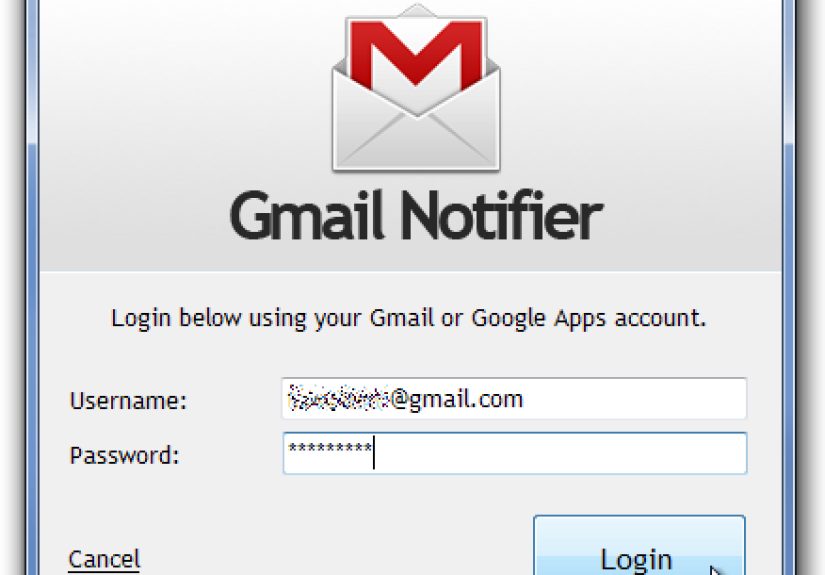
Kwerty Gmail Notifier was a free desktop utility designed to monitor a Gmail inbox and notify users about new unread messages. On the surface, that sounds like yet another Gmail notifier. The internet has never exactly suffered from a shortage of “You’ve got mail!” tools. What made this one interesting was how deeply it leaned into Windows 7 taskbar features.
Rather than living only as a boring little tray app, Kwerty Gmail Notifier used the visual language Windows 7 users were already trained to love. It brought together a taskbar icon, overlay status cues, a jump list for common tasks, and thumbnail-style previews that let you see message information without opening Gmail in a browser first. In other words, it made email alerts feel native to Windows 7 instead of bolted on with duct tape and optimism.
That was the whole charm. It did not try to become a full email client with seventeen panels, a settings menu the size of Nebraska, and a personality disorder. It stayed in its lane. Its job was to help you keep an eye on Gmail fast, quietly, and with just enough visual polish to make you feel like the future had arrived early.
Why the Windows 7 Thumbnail Preview Was the Big Deal
To understand the buzz around Kwerty Gmail Notifier, you have to remember how much Windows 7 taskbar preview features mattered when the operating system was new. Windows 7 did not just replace the old taskbar; it turned it into a launch pad, switcher, status dashboard, and shortcut menu all at once. Hover over an icon and you got thumbnails. Right-click and you got a jump list. Overlay icons could signal updates or activity without opening the program window.
Kwerty Gmail Notifier used that design language beautifully. Instead of treating the taskbar as a place where apps go to sit quietly and behave, it treated it like a mini workspace. If new email arrived, the icon changed state. If you hovered over it, you could preview unread email. If you right-clicked, you could access useful actions immediately. That meant fewer browser launches, fewer tab hunts, and far less of the classic “Wait, why did I open Chrome again?” syndrome.
For productivity lovers, this was catnip. The app turned a passive notification into an active control point. It did not just say, “Hey, something happened.” It said, “Hey, something happened, and here’s enough information to decide whether you actually need to deal with it right now.” That is a much smarter kind of notification.
Main Features That Made Kwerty Gmail Notifier Memorable
1. Thumbnail previews for unread email
This was the headline feature. Hovering over the taskbar icon could show a preview that gave you a quick look at new messages. For users juggling work, personal mail, and the occasional promotional email trying very hard to sound important, this was a time saver. You could quickly spot whether the message was urgent, useful, or just another newsletter screaming in all caps.
2. Jump list shortcuts
The app also used a jump list for common actions. That meant you could open your inbox, compose a new email, check for new mail manually, open settings, or log out from a quick right-click menu. For a tiny utility, that is a surprisingly polished touch. It is one thing to notify people. It is another to help them act immediately.
3. Taskbar overlay status
Windows 7 loved status overlays, and Kwerty Gmail Notifier put them to good use. The icon changed when new mail arrived, which made the taskbar itself a notification surface. That sounds normal now, but at the time it felt refreshingly integrated. You did not need a giant popup stomping across your screen like a digital moose. A subtle visual cue did the job.
4. Configurable check intervals and sounds
Another useful feature was customization. Users could set how often the app checked for new mail and could adjust or replace the sound notification. That meant the tool could be made calmer, louder, more frequent, or less annoying, depending on whether you were running a business, writing a novel, or trying to pretend you were not waiting for one specific email.
5. Support for Google Apps accounts
At the time, this mattered. Plenty of users were not just on standard Gmail addresses; they were on Google Apps accounts for work or school. Kwerty Gmail Notifier’s support for those accounts helped it feel more useful than a hobby project made for one kind of user only.
6. Small footprint, simple interface
The software was also appealing because it was not bloated. It was a focused utility, not a software buffet where every feature was piled onto the same plate until nothing made sense. That lightweight feel was part of the appeal. In the Windows 7 era, a small app that behaved itself was practically eligible for a medal.
How It Worked in Real Life
Imagine the typical setup. You boot into Windows 7, the notifier starts with the system, and it settles into the taskbar. You are working on spreadsheets, documents, maybe an embarrassingly large number of browser tabs, and the app quietly keeps watch over your Gmail inbox.
When a new message arrives, the taskbar icon changes. You glance down, hover, and the thumbnail preview gives you enough detail to know whether that message deserves attention now or later. If it is important, a quick jump list action opens the inbox or launches compose. If it is not urgent, you go right back to what you were doing.
That is the real genius of a tool like this. It shortens the distance between awareness and action. A lot of notification apps can tell you that something happened. Fewer can help you make a fast, low-friction decision about what to do next.
It also fit the psychology of desktop work at the time. In the early 2010s, people still spent long stretches living inside one PC. The browser mattered, of course, but many users still loved utilities that made the desktop feel more powerful. Kwerty Gmail Notifier tapped into that instinct perfectly.
What Kwerty Gmail Notifier Got Right
The app understood something many utility developers miss: the best software does not always do more; sometimes it simply gets out of your way better. Kwerty Gmail Notifier never looked like it was trying to become a replacement for Gmail itself. It focused on fast notification, quick preview, and practical shortcuts.
That balance made it attractive. It was helpful without being clingy. It saved time without demanding a whole new workflow. It looked modern on Windows 7 without trying so hard that it tripped over its own shoelaces.
It also made excellent use of the OS. Plenty of apps in that period claimed to be “made for Windows 7” when what they really meant was “we changed the icon and called it innovation.” Kwerty Gmail Notifier actually used the features that made Windows 7 feel new. That is why it stood out.
Limitations and Modern Reality Checks
Now for the less nostalgic part: old Gmail notifier software lives in a very different world today. Modern Gmail security is stricter than it was when Windows 7 was king. Older third-party apps that rely on basic username-and-password access have had a harder time over the years, especially in managed Google Workspace environments and older mail-client setups.
That means anyone reading about Kwerty Gmail Notifier today should treat it as a historical Windows utility first and a practical modern Gmail solution second. Even if the software itself is small, open source, and charming, email authentication standards have changed. The app belongs to an era when “type in your password and let the desktop app handle it” felt normal instead of like a conversation starter for your security team.
There is also the obvious operating system issue. Its identity is tied to Windows 7 design language. That is part of its charm, but it is also part of its limitation. What made it special was how naturally it fit into a specific operating system moment. Move too far away from that moment, and some of the magic goes with it.
Why People Still Remember It
People remember software like Kwerty Gmail Notifier because it solved a real problem with style. It did not just notify you that email had arrived. It made that notification feel intelligent, contextual, and tied to the way you already used your computer.
It is also a reminder of a broader truth: tiny utilities often capture the personality of an era better than giant flagship apps do. Windows 7 was all about polishing the desktop, making the taskbar more useful, and turning everyday interactions into quicker, smoother experiences. Kwerty Gmail Notifier fit that philosophy almost perfectly.
In hindsight, it was the kind of app that made users think, “Ah, this is what my computer should be doing more often.” That reaction is rare. And it is why a small Gmail notifier can still earn an article years later.
What Using Kwerty Gmail Notifier Felt Like in the Windows 7 Era
Using Kwerty Gmail Notifier in its prime felt a bit like discovering a shortcut in your own house that somehow no one had told you about. The email was still the same email. Gmail was still Gmail. But the path to it became shorter, smoother, and a little more satisfying. Instead of interrupting your work to launch a browser, wait for tabs to load, and hunt for the right inbox, you could simply hover over the taskbar and get what felt like a sneak peek behind the curtain.
That experience mattered more than it sounds on paper. When you were deep into work, even a small interruption could knock you sideways. Kwerty Gmail Notifier reduced the ritual. You did not need to fully switch contexts just to answer the question, “Is this important?” The app gave you enough information to decide. That made your desktop feel more responsive, almost cooperative, like it was finally helping instead of merely existing.
There was also a certain fun factor to it. Windows 7 users loved features that showed off the operating system’s polish, and Kwerty Gmail Notifier leaned right into that. Hovering over the taskbar icon and seeing message previews felt futuristic in the best way. It was not dramatic or flashy. It was just clever. And clever software tends to age better in memory than loud software ever does.
Another part of the experience was the emotional tone of the app. It did not nag constantly. It did not flood the screen with giant alerts that looked like they had been designed by someone who believed subtlety was a personal weakness. It was more restrained. The overlay icon, the sound cue, the preview, the jump listeverything worked together in a way that felt measured. You stayed informed without feeling chased around your own desktop.
For work users, that made it practical. For enthusiasts, it made it cool. And for the average person with one eye on a project and one eye on incoming mail, it made desktop email feel manageable. It scratched that very human itch to stay on top of messages without fully surrendering the day to them.
Of course, there was always a little thrill when the icon changed and you wondered what had come in. An important client note? A message from your boss? A long-awaited reply? Or just another retail newsletter acting like your relationship had suddenly become very serious? Kwerty Gmail Notifier did not filter life’s disappointments, but it did deliver them with efficiency.
Looking back, the experience was really about reducing friction. That is the phrase that fits best. The app shaved off just enough effort to make email checking less disruptive and more graceful. In a desktop world where lots of software felt clunky, heavy, or overbuilt, that grace stood out. It is why people who used tools like this tend to remember them with surprising affection. They were not life-changing, but they were day-improving. And honestly, that is a pretty good legacy for a tiny Windows 7 Gmail notifier.
Conclusion
Kwerty Gmail Notifier was never the biggest app on the desktop, but it was one of those utilities that punched above its weight. By combining Gmail alerts with Windows 7 thumbnail preview, jump lists, and taskbar status cues, it turned a routine inbox check into a faster and more natural desktop experience.
Today, it works best as a reminder of how smart small software can be when it respects both the operating system and the user’s attention. It was practical, light, and nicely integrated, which is a trio that deserves more appreciation than it usually gets.
If you are looking at Kwerty Gmail Notifier now, you are probably not just chasing an old utility. You are also revisiting a time when Windows desktop software had a little extra sparkle and a lot of clever ideas packed into small packages. In that sense, this app absolutely earns its place in Windows 7 nostalgiaand in the history of useful Gmail tools.