Table of Contents >> Show >> Hide
- What Is Rosehip & Hibiscus Tea?
- Main Health Benefits of Rosehip & Hibiscus Tea
- Common Uses of Rosehip & Hibiscus Tea
- How to Brew Rosehip & Hibiscus Tea
- Possible Side Effects and Safety Considerations
- How Much Rosehip & Hibiscus Tea Should You Drink?
- Rosehip & Hibiscus Tea vs. Green Tea
- Buying Tips: How to Choose a Good Blend
- 500-Word Experience Section: Living With Rosehip & Hibiscus Tea in Real Life
- Conclusion
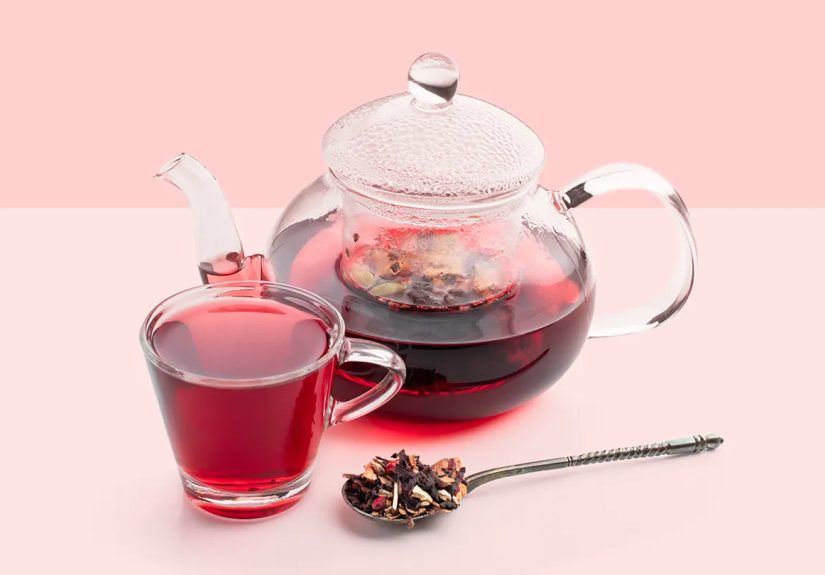
Rosehip and hibiscus tea is the kind of drink that looks like it came from a gemstone catalog and tastes like a cranberry decided to go backpacking through a rose garden. Deep ruby-red, pleasantly tart, naturally caffeine-free, and easy to enjoy hot or iced, this herbal tea has become a favorite for people who want something more exciting than plain water but less dramatic than their third coffee of the afternoon.
But beyond its pretty color and tangy personality, rosehip hibiscus tea has earned attention for its antioxidants, vitamin C content, potential heart-health support, and everyday wellness uses. The key word here is support. This tea is not a magic potion, a cure-all, or a replacement for medical care. It is, however, a smart, flavorful addition to a balanced routine when used thoughtfully.
In this guide, we will explore what rosehip and hibiscus tea is, how it may benefit the body, how to brew it properly, who should be cautious, and how real people can fit it into daily life without turning the kitchen into an herbal chemistry lab.
What Is Rosehip & Hibiscus Tea?
Rosehip and hibiscus tea is an herbal infusion made from two plant ingredients: rosehips and hibiscus calyces. Because it does not come from the Camellia sinensis tea plant, it is technically a tisane rather than a true tea. But unless you are trying to win a botanical spelling bee, calling it tea is perfectly acceptable.
Rosehips: The Fruit Behind the Flower
Rosehips are the small fruits that develop on rose plants after the flowers fade. They are often red, orange, or deep reddish-brown and have long been used in foods, syrups, jams, and herbal preparations. Rosehips are valued for naturally occurring vitamin C, polyphenols, carotenoids, and other plant compounds associated with antioxidant activity.
In wellness conversations, rosehip is often linked with immune support, skin health, and joint comfort. However, it is important to separate tea from concentrated rosehip powders or supplements. A cup of tea is gentler and usually less concentrated than capsules or extracts used in clinical studies.
Hibiscus: The Tart, Ruby-Red Powerhouse
Hibiscus tea usually comes from the dried calyces of Hibiscus sabdariffa, also known as roselle. These calyces give the tea its bold red color and cranberry-like tartness. Hibiscus contains anthocyanins, organic acids, and polyphenols, which help explain why researchers have studied it for antioxidant activity and cardiovascular wellness.
When rosehip and hibiscus are blended, the result is bright, fruity, tangy, and naturally refreshing. It tastes like it has a personality and possibly a tiny red cape.
Main Health Benefits of Rosehip & Hibiscus Tea
The health benefits of rosehip and hibiscus tea come from the nutrients and plant compounds found in both ingredients. The strongest evidence is not equally strong for every claim, so let’s look at the benefits with both enthusiasm and common sense firmly buckled in.
1. Rich in Antioxidants
Rosehips and hibiscus both contain antioxidant compounds, including polyphenols and flavonoids. Antioxidants help the body manage oxidative stress, a normal process that can increase with pollution, poor sleep, stress, intense exercise, and general modern life also known as “checking your email before breakfast.”
Hibiscus gets its red color largely from anthocyanins, the same family of pigments found in foods like berries and red cabbage. Rosehips contribute vitamin C, carotenoids, and phenolic compounds. Together, these ingredients make a tea that is not just pretty in a mug but also interesting from a nutritional perspective.
2. May Support Healthy Blood Pressure
One of the most studied potential benefits of hibiscus tea is its effect on blood pressure. Several clinical studies and reviews have found that hibiscus may help reduce systolic and diastolic blood pressure in some adults, especially when consumed consistently as part of a healthy lifestyle.
That does not mean hibiscus tea should replace prescribed medication. It should not. Blood pressure is serious business, not a “sprinkle herbs and hope” situation. People who take blood pressure medication, diuretics, or heart-related prescriptions should speak with a healthcare professional before drinking hibiscus tea regularly, because it may add to blood-pressure-lowering effects.
For healthy adults, a cup of hibiscus rosehip tea may be a pleasant way to support a heart-conscious routine alongside exercise, sleep, stress management, and a balanced diet.
3. Naturally Caffeine-Free
Rosehip hibiscus tea is naturally caffeine-free, making it a useful option for people who want a warm drink at night or a flavorful iced beverage without the buzz. If coffee makes your eyelid twitch like it is auditioning for a drum solo, this tea may be a gentler choice.
Because it has no caffeine, it can fit into evening routines, study breaks, post-dinner sipping, or hydration habits throughout the day. Just remember that tart teas can be acidic, so people with sensitive stomachs or reflux may prefer drinking it with food or brewing it a little weaker.
4. May Support Immune Wellness
Rosehips are famous for their vitamin C content, although the exact amount in tea depends on the plant variety, processing, storage, and brewing method. Vitamin C supports normal immune function, helps protect cells from oxidative stress, and plays a role in collagen production.
Still, rosehip tea is not the same as taking a measured vitamin C supplement. It may contribute to overall intake, but it should not be treated as a guaranteed high-dose source. For immune wellness, think of rosehip hibiscus tea as one helpful player on the team, not the entire team wearing a cape.
5. May Help Support Skin and Collagen Health
Vitamin C is involved in collagen formation, and collagen is important for skin structure, connective tissue, and wound healing. Because rosehips contain vitamin C and antioxidant compounds, rosehip hibiscus tea is often discussed in relation to skin health.
However, drinking tea alone will not erase late nights, dehydration, sun damage, or a skincare routine consisting of “whatever soap is closest.” For best results, pair the tea with enough water, sunscreen, sleep, protein, fruits, vegetables, and reasonable expectations. Your skin likes teamwork.
6. May Offer Gentle Anti-Inflammatory Support
Rosehip preparations have been studied for joint discomfort and osteoarthritis, particularly in concentrated powder form. Some research suggests rosehip compounds may help support comfort and mobility in certain people. Hibiscus also contains antioxidant compounds that may play a role in inflammatory balance.
That said, a cup of rosehip and hibiscus tea is milder than standardized rosehip powder used in research. It can be part of an anti-inflammatory lifestyle, but it should not be marketed as a treatment for arthritis or chronic pain. A balanced diet, movement, medical care, and healthy sleep still matter more than any single mug.
7. May Support Heart-Healthy Habits
Beyond blood pressure, hibiscus has been studied for possible effects on cholesterol, triglycerides, and blood sugar markers. Results are mixed, and not every study shows the same level of benefit. The most honest answer is that hibiscus tea may support heart-health goals, but it works best as part of a bigger lifestyle picture.
Replacing sugary drinks with unsweetened rosehip hibiscus tea can be a simple win. It provides flavor without caffeine and can be served hot, iced, or lightly sweetened. If it helps someone drink fewer sodas or heavily sweetened beverages, that alone may support better daily nutrition.
Common Uses of Rosehip & Hibiscus Tea
Rosehip and hibiscus tea is flexible. It can sit quietly in a cozy mug, show off in a glass pitcher, or become the base of a bright, alcohol-free party drink. Here are practical ways to use it.
As a Morning Hydration Drink
Some people enjoy rosehip hibiscus tea in the morning as a coffee-free start. Its tart flavor feels bright and energizing even without caffeine. Add a slice of orange or a small spoonful of honey if you want a softer flavor.
As an Iced Tea
Hibiscus rosehip tea makes excellent iced tea. Brew it strong, let it cool, and pour it over ice. Add mint, lemon, berries, or a splash of sparkling water. It looks fancy enough for guests but requires about the same effort as locating a clean glass.
As a Digestive-Friendly After-Meal Drink
Many people like herbal tea after meals because it encourages slower sipping and relaxation. Rosehip hibiscus tea is tart, so people with acid reflux or sensitive stomachs should test a mild brew first. If it feels too sharp, dilute it or enjoy it with food.
As a Flavor Base for Recipes
Strong rosehip hibiscus tea can be used in smoothies, chia pudding, oatmeal, fruit sauces, popsicles, and mocktails. Its color is naturally beautiful, which means your breakfast can look like it has a graphic designer.
How to Brew Rosehip & Hibiscus Tea
Brewing this tea is simple, but a few details can improve flavor and quality.
Basic Hot Brew Method
Use one tea bag or one to two teaspoons of loose dried rosehip and hibiscus blend per eight ounces of hot water. Pour freshly boiled water over the herbs and steep for five to ten minutes. A longer steep creates a stronger, more tart cup.
If using loose rosehips, choose a fine tea infuser or paper filter. Rosehips can contain tiny hairs or seed fragments that may irritate the throat if not strained well. Nobody wants a wellness drink that fights back.
Cold Brew Method
For a smoother flavor, add the tea blend to cold water and steep in the refrigerator for six to eight hours. Cold brewing often creates a less acidic taste while keeping the color bright and refreshing.
Flavor Pairings
Rosehip hibiscus tea pairs well with lemon, orange peel, ginger, cinnamon, mint, raspberry, strawberry, honey, and a splash of apple juice. For a lower-sugar option, use fruit slices instead of sweeteners.
Possible Side Effects and Safety Considerations
Rosehip and hibiscus tea is generally enjoyed as a food-like herbal beverage, but it is not ideal for everyone. Herbal does not automatically mean harmless. Poison ivy is also herbal, and nobody invites it to brunch.
Medication Interactions
Hibiscus may lower blood pressure in some people, so it can interact with blood pressure medications, diuretics, or other heart-related treatments. It may also affect blood sugar in certain situations, which matters for people taking diabetes medications.
Anyone taking prescription medicine should ask a healthcare professional before using hibiscus tea daily or in large amounts.
Pregnancy and Breastfeeding
Pregnant or breastfeeding people should be cautious with hibiscus products unless their healthcare provider says they are appropriate. Some herbal ingredients may affect hormones, uterine activity, or medication needs, and safety data can be limited.
Kidney Stones and Iron Disorders
Rosehips contain vitamin C, and high-dose vitamin C supplements may increase kidney stone risk in some people. People with a history of kidney stones, hemochromatosis, or other iron-related disorders should be cautious with high-vitamin-C supplements and discuss regular rosehip use with a clinician.
Stomach Sensitivity
Because hibiscus is tart and acidic, some people may experience stomach upset, heartburn, or nausea, especially with strong brews. Try a weaker infusion, drink it with food, or choose a different herbal tea if it bothers your stomach.
How Much Rosehip & Hibiscus Tea Should You Drink?
There is no universal perfect amount. For many healthy adults, one cup per day is a reasonable place to start. Some people enjoy two cups, especially iced and unsweetened. More is not always better, particularly if you take medication or have a medical condition.
If your goal is general wellness, treat rosehip hibiscus tea like a supportive beverage, not a high-dose supplement. Pay attention to how your body responds. If you feel dizzy, unusually tired, nauseated, or notice symptoms after drinking it, stop and ask a healthcare professional for guidance.
Rosehip & Hibiscus Tea vs. Green Tea
Green tea and rosehip hibiscus tea both contain beneficial plant compounds, but they are different drinks. Green tea contains caffeine and catechins, especially EGCG. Rosehip hibiscus tea is caffeine-free and is known for vitamin C-related compounds, anthocyanins, and a tart fruit-forward taste.
If you want focus and a mild caffeine lift, green tea may be better. If you want a bright, caffeine-free drink that works hot or iced, rosehip hibiscus tea wins the ruby-red trophy.
Buying Tips: How to Choose a Good Blend
Look for products that list rosehips and hibiscus clearly on the ingredient label. Organic options may appeal to people who want to reduce pesticide exposure, although organic does not automatically mean stronger or more effective.
Choose tea from brands that use sealed packaging, clear sourcing, and minimal unnecessary additives. Avoid blends with lots of added sugar, artificial flavors, or mystery ingredients that sound like they belong in a science fiction engine room.
Loose-leaf tea often provides a stronger flavor, while tea bags are more convenient. Both can be good. The best choice is the one you will actually use.
500-Word Experience Section: Living With Rosehip & Hibiscus Tea in Real Life
The first experience many people have with rosehip and hibiscus tea is surprise. The color alone is dramatic. You pour hot water over the blend, walk away for a few minutes, and come back to a mug that looks like it has secrets. Then comes the taste: tart, fruity, slightly floral, and bold enough to wake up your mouth without caffeine kicking down the door.
One of the easiest ways to enjoy it is as an afternoon replacement for soda or sweet tea. Imagine the classic 3 p.m. slump. Your brain is moving like an old laptop with fourteen tabs open. Instead of reaching for another sugary drink, you pour chilled rosehip hibiscus tea over ice, add orange slices, and suddenly your desk feels slightly less like a paperwork cave. It is not a miracle, but it is refreshing, colorful, and much more interesting than plain water.
In colder months, the hot version feels cozy without being heavy. A mug of rosehip hibiscus tea with a little honey and ginger can make a rainy evening feel intentional, as if you planned the whole “blanket and book” situation instead of simply refusing to go outside. The tartness cuts through rich foods nicely, so it works well after dinner when you want something warm but not creamy or caffeinated.
People who are trying to build healthier routines often appreciate how easy this tea is to prepare. It does not require a blender, a subscription, a motivational poster, or a countertop appliance with seven attachments. You just steep, sip, and move on with your life. That simplicity matters because healthy habits are more likely to stick when they do not feel like unpaid part-time jobs.
There are also fun kitchen uses. Strong brewed rosehip hibiscus tea can become the liquid base for chia pudding, homemade fruit pops, or sparkling mocktails. Mix it with chilled sparkling water, crushed berries, and mint, and it looks fancy enough for a brunch table. Add it to oatmeal with cinnamon and chopped apples, and breakfast gets a tangy upgrade. Freeze it into ice cubes and drop them into lemonade for a bright red swirl that looks professionally staged, even if your kitchen counter says otherwise.
Still, experience teaches moderation. The tea is tart, and a strong brew can be too sharp for some stomachs. People with reflux may prefer a shorter steep or a cold brew. People on medications should be careful, especially with hibiscus. The best approach is not “drink a gallon and become immortal.” It is “enjoy a cup, notice how you feel, and keep the rest of your habits sensible.”
Over time, rosehip and hibiscus tea can become less of a health trend and more of a small daily ritual. It gives you color, flavor, hydration, and a moment to pause. In a world where many wellness products arrive with a price tag, a promise, and a suspiciously glowing influencer, this simple herbal tea is refreshingly humble. It does not shout. It just turns the water red, tastes delicious, and politely asks you to slow down for five minutes.
Conclusion
Rosehip and hibiscus tea is a flavorful, caffeine-free herbal drink with real wellness appeal. Its antioxidants, vitamin C-related compounds, and potential cardiovascular benefits make it a smart addition to a balanced lifestyle. Hibiscus may support healthy blood pressure in some people, while rosehips bring plant compounds associated with immune, skin, and inflammatory support.
The key is realistic use. Drink it because it tastes good, supports hydration, and fits into healthy habits not because the internet promised it would fix your entire life by Thursday. Brew it well, avoid over-sweetening it, be cautious with medications or health conditions, and enjoy the ruby-red refreshment for what it is: a simple, beautiful tea with benefits worth exploring.
Note: This article is for educational publishing purposes only and should not replace professional medical advice, diagnosis, or treatment. Anyone with medical conditions, pregnancy concerns, or prescription medications should consult a qualified healthcare professional before using hibiscus or rosehip products regularly.