Table of Contents >> Show >> Hide
- Why the Facebook Like Button Still Matters
- How to Use the Facebook Like Button in 10 Steps
- Step 1: Log into Facebook and open the content you want to react to
- Step 2: Look for the Like button below the post or beside the comment
- Step 3: Click or tap once to give a standard Like
- Step 4: Press and hold or hover if you want more than a basic Like
- Step 5: Choose the reaction that best fits the post
- Step 6: Use the Like button on comments, not just posts
- Step 7: Like videos, photos, Reels, and live content the same way
- Step 8: Know the difference between liking a post and liking a Page
- Step 9: Change or remove your Like if you tapped the wrong thing
- Step 10: Use the Like button thoughtfully, especially with privacy and etiquette in mind
- Common Problems When the Facebook Like Button Does Not Work
- Tips for Using the Facebook Like Button Better
- What the Facebook Like Button Means for Businesses and Creators
- of Real-World Experience With the Facebook Like Button
- Final Thoughts
- SEO Tags
If the Facebook Like button feels simple, that is because it is simple. But it is also a sneaky little multitasker. One tap can show support, save you from typing “Nice!” for the 800th time, and help shape what Facebook shows you next. In other words, that tiny thumbs-up is doing more work than half the group project team.
This guide walks you through exactly how to use the Facebook Like button in 10 clear steps, whether you are on desktop or mobile. Along the way, you will also learn when to use a standard Like, when to use a reaction instead, how to undo an accidental tap, and what to know about privacy, Page follows, and basic etiquette. If you have ever hovered over a post wondering whether to tap Like, Love, or quietly back away, you are in the right place.
Why the Facebook Like Button Still Matters
The Facebook Like button is still one of the fastest ways to interact with a post, photo, Reel, video, comment, or Page. It is lightweight, easy to use, and instantly recognizable. For everyday users, it is a quick way to say, “I saw this, and I’m into it.” For creators, businesses, and community admins, likes and reactions are also engagement signals that help measure what content connects with people.
That said, the Like button is no longer just a thumbs-up. On many Facebook posts and comments, it acts as the doorway to a larger menu of reactions, including Love, Care, Haha, Wow, Sad, and Angry. So while the title of this article says “Like button,” what you are really learning is how to use Facebook’s entire quick-response system like a pro.
How to Use the Facebook Like Button in 10 Steps
Step 1: Log into Facebook and open the content you want to react to
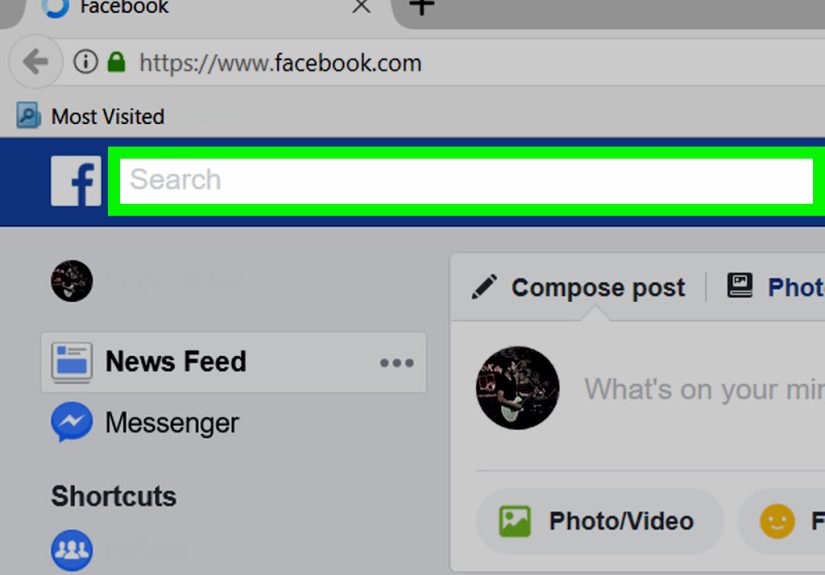
Start by signing into your Facebook account on the app or website. Once you are in, scroll through your Feed or visit a specific profile, Page, group, or comment thread. The Like button usually appears beneath posts and next to comments. On videos and Reels, it is often placed near the main interaction controls.
Think of this as the “find your target” phase. No dramatic music required.
Step 2: Look for the Like button below the post or beside the comment
On a standard Facebook post, you will usually see buttons such as Like, Comment, and Share. On comments, the Like option is often smaller and tucked just beneath the comment text. If the content already has reactions, you may also see small icons showing what other people selected.
On desktop, the Like button is easy to spot with the familiar thumbs-up icon. On mobile, it may appear as text, an icon, or both depending on your device and app version.
Step 3: Click or tap once to give a standard Like
If you simply want to use the regular Facebook Like button, just click it once on desktop or tap it once on mobile. That is it. You have officially liked the post.
A standard Like works best when the content is positive, helpful, funny, or just worth acknowledging. Maybe your cousin posted vacation photos. Maybe a local bakery shared a dangerously good-looking cinnamon roll. Maybe your friend announced a new job. A Like says, “I approve,” without demanding a full speech.
Step 4: Press and hold or hover if you want more than a basic Like
Here is where things get interesting. If you want to choose a different reaction instead of the default thumbs-up, do not tap too fast.
- On desktop: Hover your mouse over the Like button.
- On mobile: Press and hold the Like button.
A reaction tray should appear. This gives you more emotional range than the classic Like. Because sometimes “Like” feels weird under sad news, and Facebook finally figured out humans have more than one feeling.
Step 5: Choose the reaction that best fits the post
Once the tray opens, select the reaction you want. Facebook commonly offers these options:
- Like for general approval
- Love for excitement, strong support, or genuinely adorable content
- Care for empathy or encouragement
- Haha for something funny
- Wow for surprise
- Sad for upsetting news
- Angry for frustrating or upsetting content
This is where social media common sense helps. If someone posts about losing a pet, the right move is probably not a cheerful Like. A Care or Sad reaction makes much more sense. On the flip side, if a friend posts engagement photos, Love is doing the heavy lifting.
Step 6: Use the Like button on comments, not just posts
A lot of people think the Facebook Like button only works on full posts, but you can also like many comments. This is useful when someone replies with helpful information, cracks a good joke, or says exactly what everyone else was thinking but in fewer words.
You can also use reactions on comments in many cases, not just the default Like. The method is basically the same: tap, press and hold, or hover depending on your device.
Example: In a neighborhood group, someone asks for plumber recommendations. Another member shares three names, phone numbers, and a warning about the guy who “arrives sometime between sunrise and the next election.” A quick Like on that comment is absolutely earned.
Step 7: Like videos, photos, Reels, and live content the same way
The Facebook Like button is not limited to text posts. You can use it on photos, videos, Reels, and many other content formats. The button placement may shift slightly depending on the layout, but the action stays familiar: tap to Like, or hold to open reactions.
This matters because visual content often gets fast engagement. If you are watching a Reel, for example, a Like or reaction can be a quick way to respond without leaving the video flow. It is the digital equivalent of nodding and saying, “Yep, that was worth my 23 seconds.”
Step 8: Know the difference between liking a post and liking a Page
This is where Facebook gets slightly more confusing than it needs to be. Liking a post means you are reacting to a specific piece of content. Liking a Page used to be a broader way to show support for a brand, creator, organization, or public figure.
Today, many Facebook Pages use Follow instead of the older Like model. So if you visit a business Page and do not see a Like button, that is not your phone being dramatic. Facebook has shifted many Pages toward follows. In practical terms, following a Page is now the key action if you want to see its updates in your Feed.
So if your goal is to support a local coffee shop or keep up with a nonprofit, look for Follow, not just Like.
Step 9: Change or remove your Like if you tapped the wrong thing
Accidental likes happen. Sometimes your thumb slips. Sometimes you are scrolling half-awake. Sometimes you are snooping on a post from 2019 and suddenly feel the cold hand of regret.
The good news: you can undo it.
- If you used a standard Like, click or tap it again to remove it.
- If you used a reaction, press and hold or hover over your current reaction and choose a new one, or remove it.
If you want to review older likes and reactions, Facebook’s Activity Log can also help you find your past interactions. That is useful if you want to clean up your history, reverse accidental likes, or simply remember why you once reacted angrily to a sandwich debate in a community group.
Step 10: Use the Like button thoughtfully, especially with privacy and etiquette in mind
Using the Facebook Like button is easy. Using it well is a tiny art form.
First, remember that your likes are not always invisible. Depending on the post and privacy settings, other people may see that you liked something. In some cases, the person who posted it will get a notification too. So before you like that wildly questionable meme at 1:12 a.m., pause and consider whether you want your digital fingerprints on it.
Second, think about tone. A Like can feel supportive, but it can also feel too casual in emotional situations. Reactions exist for a reason. Using Care or Sad on difficult news often lands better than a generic thumbs-up.
Third, do not use likes as a substitute for every meaningful conversation. Sometimes a comment is better. If your friend just announced a major health update, typing “Thinking of you” will beat a silent click every time.
Common Problems When the Facebook Like Button Does Not Work
If Facebook will not let you like or react, there are a few common reasons:
- Your app may need updating.
- Your internet connection may be unstable.
- The post’s privacy settings may limit who can interact.
- You may have hit a temporary restriction after using a feature too quickly.
- The Page or group settings may affect available interactions.
A basic troubleshooting routine usually helps: refresh the app, log out and back in, update Facebook, switch between Wi-Fi and mobile data, or try the desktop version. If the problem is temporary, patience sometimes wins. Facebook, like the rest of us, occasionally needs a minute.
Tips for Using the Facebook Like Button Better
Use the right reaction for the moment
A Like is versatile, but not universal. Matching your reaction to the context makes you seem more thoughtful and less like someone speed-tapping through life.
Review your interaction history now and then
Your Activity Log can be useful if you want to manage your likes and reactions over time. This is especially handy if you use Facebook for both personal and professional networking and want your interaction history to feel a little more intentional.
Adjust reaction visibility if you prefer a quieter experience
Facebook lets users hide certain reaction counts in some contexts. If visible engagement numbers stress you out or distract you, that setting can make the platform feel less like a popularity scoreboard and more like a normal app.
Do not chase fake engagement
If you run a Page or brand account, resist the temptation to game the system. Artificially collecting likes, followers, or shares can cross Facebook’s rules and is not a smart long-term strategy anyway. Real engagement beats cardboard-cutout engagement every time.
What the Facebook Like Button Means for Businesses and Creators
For brands, creators, and publishers, the Facebook Like button is more than a social nicety. It is part of the engagement picture. Reactions, comments, shares, clicks, and follows can all help show whether content is connecting with the audience. A post with strong interaction may reveal what tone, topic, or format people respond to best.
That does not mean every Like is a business miracle. But it does mean those small signals matter. If one type of post consistently earns reactions while another falls flat, that is useful feedback. In plain English: if your audience loves behind-the-scenes videos and ignores your fifth stock photo with a motivational quote, the Like button is trying to tell you something.
of Real-World Experience With the Facebook Like Button
Most people do not think deeply about the Facebook Like button until they use it in a moment that feels oddly personal. That is when the little thumbs-up stops being just a feature and starts feeling like social body language.
For example, many users first learn the difference between a Like and a reaction during emotional posts. Someone shares happy family news, and a Like feels perfectly fine. But when someone shares that a relative is sick, a plain Like can suddenly feel too blunt. That is when people discover the value of Care or Sad. It is not that the Like button is wrong; it is just not always the best emotional translator. Once users realize that, they tend to become much more intentional about the way they respond on Facebook.
There is also the classic accidental-like experience, which deserves its own tiny museum. Almost everyone who has used Facebook long enough has accidentally liked something while scrolling, especially on mobile. Sometimes it is harmless. Sometimes it is a post from years ago, and suddenly you feel like you have kicked open a time capsule with your face attached to it. That experience teaches people two things very quickly: first, Facebook interactions are easy to make; second, it is worth knowing how to undo them just as fast.
Another common experience shows up in group conversations. In community groups, hobby groups, or parent groups, the Like button often becomes shorthand for “thanks, this helped.” People use it to acknowledge advice without cluttering the thread with repetitive comments. In that way, the Like button keeps discussions moving. It can make Facebook feel more efficient, especially in busy groups where dozens of people are responding to the same question.
For creators and small business owners, the experience is different again. They often learn to read likes and reactions as feedback. A local bakery might notice that simple cupcake photos get a few likes, while short behind-the-scenes videos of frosting cakes get a flood of reactions and comments. A nonprofit might discover that volunteer spotlights perform better than generic announcements. These experiences teach page owners that the Like button is not just applause; it is data with feelings.
On a personal level, many people also use likes to maintain low-pressure relationships. You may not have time to write comments on every update from old classmates, relatives, coworkers, or neighbors, but a quick Like says, “I still see you.” That light-touch connection is part of why the button has lasted so long. It offers a tiny, friction-free way to stay socially present.
So yes, the Facebook Like button is small. But in real use, it carries more meaning than people expect. It can be supportive, casual, strategic, polite, awkward, helpful, or hilarious, sometimes all before breakfast. Learning how to use it well is really about learning how digital manners work in everyday life.
Final Thoughts
If you want the simplest possible answer to how to use the Facebook Like button, here it is: find the post, tap or click Like, and move on with your day. But if you want to use Facebook more intelligently, it helps to understand the full picture. The Like button is now part of a bigger reaction system, tied to visibility, privacy, engagement, and even Page follows.
Once you know when to tap, when to hold, when to switch reactions, and when to skip the thumbs-up in favor of a comment, you will use Facebook with a lot more confidence. And maybe, just maybe, with fewer accidental likes from 2017.