Table of Contents >> Show >> Hide
- Why apocalypse economics is already here
- 10 industries already making money when the world gets weird
- 1. Emergency food and shelf-stable grocery brands
- 2. Water storage, treatment, and filtration
- 3. Backup power, generators, and home energy resilience
- 4. Home security, cameras, and smart surveillance
- 5. Cybersecurity
- 6. Insurance
- 7. Catastrophe modeling and climate risk analytics
- 8. Telehealth and remote care
- 9. Indoor air quality and air purifier companies
- 10. Funeral, cremation, and memorial services
- What these industries reveal about modern crisis culture
- Experiences from the soft apocalypse: what this feels like in real life
- Conclusion
- SEO Tags
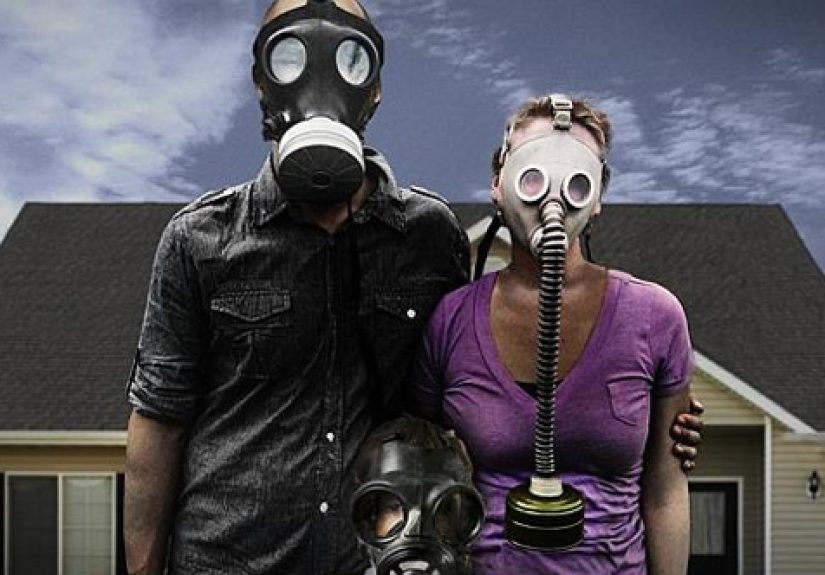
Let’s be honest: the apocalypse does not always arrive with zombies, flaming skies, or a guy in shoulder pads yelling from a dune buggy. More often, it shows up as wildfire smoke in the afternoon, a “temporary outage” that lasts all night, a ransomware headline before breakfast, and a text from your neighbor asking whether anyone has extra batteries. The modern version of collapse is less Hollywood and more spreadsheet. It is messy, expensive, and strangely good for business.
That is why the phrase industries profiting from the apocalypse feels less like satire and more like a market report wearing a leather jacket. When fear becomes routine, entire sectors grow around preparedness, protection, recovery, and loss management. Some of these businesses are obviously essential. Others are simply very good at turning anxiety into subscriptions, premium upgrades, and “peace of mind” bundles that cost more than your first laptop.
This does not mean every company in these sectors is evil, twirling its mustache while civilization flickers. In many cases, these industries exist because the risks are real. Families do need backup power. Hospitals do need telehealth. Communities do need safer water and faster rebuilding. But the uncomfortable truth remains: every era of instability creates winners, and a lot of today’s winners are selling survival with better branding.
Why apocalypse economics is already here
We are not living through one giant disaster. We are living through a stack of smaller emergencies that overlap like badly organized browser tabs. Climate shocks disrupt homes and utilities. Cyberattacks hit airports, hospitals, businesses, and governments. Air quality warnings now travel faster than dinner plans. Insurance prices climb. Preparedness guides become shopping lists. “Resilience” has become one of those corporate words that sounds noble until you realize it often means, “Please purchase three more products and a service plan.”
In other words, the “apocalypse economy” is not built on one end-of-the-world event. It is built on recurring instability. The businesses below are thriving because they sit exactly where fear and necessity shake hands.
10 industries already making money when the world gets weird
1. Emergency food and shelf-stable grocery brands
Whenever people begin to suspect that normal life may briefly stop being normal, food companies get a front-row seat to human psychology. Canned goods, freeze-dried meals, meal kits with absurdly long shelf lives, electrolyte powders, protein bars, and comfort snacks all get swept into the same category: “things I should probably have before everyone else also remembers they need them.”
This industry profits because preparedness shopping is emotional shopping. Nobody wants to discover they are out of food during a blizzard, flood, evacuation order, or supply disruption. And once customers start building a pantry “just in case,” brands can upsell on convenience, portability, calories, taste, and storage life. Apocalypse marketing rarely says apocalypse. It says family readiness, storm season, peace of mind, and be prepared. Same fear, nicer label.
2. Water storage, treatment, and filtration
Food gets the drama, but water gets the money. The second people realize tap water may become unsafe or unavailable after a disaster, they start buying bottled water, refill systems, emergency containers, purification tablets, gravity filters, and portable filtration gear. Nothing motivates a purchase like the sentence, “Use bottled, boiled, or treated water.”
Water businesses profit from a brutal fact: water is not optional, and emergency guidance has made it part of basic household planning. That creates steady demand not just for cases of bottled water, but for higher-margin tools such as water storage tanks, filter pitchers, pump filters, purifier bottles, and emergency treatment systems. In a stable world, water filtration feels like a lifestyle product. In an unstable one, it becomes survival equipment with a prettier box.
3. Backup power, generators, and home energy resilience
If the soft apocalypse had an official soundtrack, it would be the hum of a generator on a dark street. As outages become more common or more costly, backup power moves from luxury to household strategy. Standby generators, portable power stations, solar batteries, transfer switches, and home energy management systems are all part of a booming resilience market.
What makes this business especially profitable is that fear of outages produces both emergency demand and aspirational demand. One buyer wants to keep the fridge cold. Another wants to keep the internet running, the office online, the medical devices powered, and the living room one degree less miserable. That allows companies to sell everything from basic backup units to full resilience ecosystems. The apocalypse, it turns out, has excellent upsell potential.
4. Home security, cameras, and smart surveillance
Every time public anxiety rises, security tech starts looking less like a gadget category and more like emotional infrastructure. Video doorbells, connected cameras, motion sensors, smart locks, floodlights, and alarm subscriptions all thrive when people feel their packages, homes, or neighborhoods are more vulnerable than they used to be.
The genius of this industry is that it sells both deterrence and reassurance. Customers are not just buying hardware. They are buying the right to check the front porch from the grocery store, the couch, the airport, or three rows deep in a school play. Once the equipment is installed, the subscription model takes over. Storage plans, cloud video, AI alerts, professional monitoring, and add-on devices keep revenue coming long after the first moment of panic has passed. Fear may be temporary, but monthly billing is forever.
5. Cybersecurity
Not all apocalypses smell like smoke. Some arrive as a frozen login screen, a stolen database, or a city agency discovering its systems have been turned into digital confetti. Cybersecurity has become one of the clearest examples of crisis-driven profit because the attacks keep multiplying, the attack surfaces keep expanding, and the consequences keep getting more expensive.
That creates a huge market for endpoint protection, identity security, cloud defense, ransomware recovery, threat intelligence, incident response, and managed services. Companies that once treated cybersecurity as a back-office technical issue now treat it like existential infrastructure. Boards talk about it. Investors price it in. Executives budget for it because the alternative is becoming tomorrow morning’s disaster memo. In apocalypse economics, digital panic is just as monetizable as physical panic.
6. Insurance
Insurance has always made money from risk, but the modern version is especially revealing. As storms, floods, wildfires, and other disruptions become more frequent or more severe, insurers respond by tightening underwriting, raising premiums, changing coverage, exiting some markets, and redesigning how risk gets priced. In plain English: the danger grows, the math changes, and somebody sends you a larger bill.
That does not mean insurers are carefree winners; catastrophic losses are real, and some carriers have taken serious hits. But insurance still sits at the center of the disaster economy because nearly every household, builder, lender, and business needs some version of it. When risk becomes normal, pricing power becomes its own kind of product. The apocalyptic twist is that protection gets more necessary at the exact same moment it becomes less affordable.
7. Catastrophe modeling and climate risk analytics
Behind every premium hike, zoning debate, and boardroom panic attack sits a quieter industry: the people selling models. Catastrophe modeling firms and climate analytics companies help insurers, investors, governments, utilities, developers, and major corporations estimate what future disasters might cost. They convert storms, fires, heat, flooding, and exposure data into numbers executives can actually put in a slide deck.
This business thrives because uncertainty is expensive. If you manage a portfolio, a city, a supply chain, or an underwriting book, you want better predictions before the next crisis arrives. So firms that can model risk are not just selling software. They are selling foresight, or at least the closest thing capitalism can invoice for. The end of the world may still be hard to schedule, but scenario analysis is very much billable.
8. Telehealth and remote care
When roads flood, clinics close, smoke chokes the air, or hospitals overload, telehealth stops being a convenience and becomes a bridge. That is why remote care platforms, virtual triage systems, behavioral health apps, and prescription management services have become part of preparedness planning. Emergencies do not erase medical need. They often multiply it.
Telehealth profits from the same logic that supports backup power: continuity matters. Patients still need assessments, refills, follow-ups, mental health support, and guidance when normal access breaks down. Providers need scalable ways to deliver care even when staff, infrastructure, or travel are disrupted. A smartphone and a video platform are not a miracle, but during a crisis they can feel close enough to one to generate serious demand.
9. Indoor air quality and air purifier companies
Once wildfire smoke starts tinting the sky like a badly edited movie scene, indoor air quality stops being a niche concern. Air purifiers, HEPA filters, replacement cartridges, air monitors, sealed-window solutions, and DIY filtration kits all benefit when the outdoors turns hostile to lungs. This is one of the fastest ways a climate story becomes a shopping story.
What makes this industry notable is how quickly it moves from optional to urgent. Air purifiers are the sort of thing many households postpone until the day they cannot. Then shelves thin out, searches spike, and price tags suddenly seem more negotiable. Cleaner indoor air becomes a short-term necessity and, for many consumers, a long-term habit. Once people have paid to breathe easier during one smoke event, they are much more likely to keep paying before the next one.
10. Funeral, cremation, and memorial services
This is the most uncomfortable entry on the list, but pretending it is not an industry would be dishonest. Funeral businesses are part of the economic machinery around crisis, mortality, and long-term demographic change. They adapt fast when public behavior changes, offering cremation packages, memorial streaming, simplified services, pre-need planning, and digital coordination tools.
What is striking is not just that the sector persists, but how it modernizes under pressure. The shift toward cremation, the rise of livestreaming, and the expansion of planning services all show an industry that knows how to meet consumers where they are: budget-conscious, digitally connected, and sometimes forced to make decisions under stressful conditions. Nobody likes calling this profit, but revenue still exists even when the product is solemn.
What these industries reveal about modern crisis culture
The biggest lesson here is not that capitalism is heartless. It is that capitalism is highly adaptive. When public fear changes shape, markets reorganize around it. Some of that is useful. Some of it is exploitative. Most of it is both at once.
Preparedness itself is not the problem. In many cases, it is smart, rational, and overdue. The problem is that a lot of resilience in America is now bought retail. If you have the money, you can purchase safer air, backup electricity, faster rebuilding, better monitoring, stronger digital protection, and more flexible access to care. If you do not, you are asked to be resilient in a much more spiritual sense, which is a very poetic way of saying “good luck.”
That is why the phrase 10 industries already profiting from the apocalypse hits a nerve. It is not really about the end of the world. It is about the monetization of instability. These industries grow because the shocks keep coming, and because people do what people have always done when life gets unpredictable: they try to buy back a little control.
Experiences from the soft apocalypse: what this feels like in real life
Here is the strange part no quarterly earnings report captures: living in the age of recurring emergency is exhausting in a boring way. It does not always feel cinematic. It feels administrative. You compare battery brands. You check air quality before opening a window. You keep canned soup not because you are dramatic, but because you have been humbled by one too many storm warnings and one embarrassingly empty pantry shelf.
You notice how fast the market responds to your unease. One bad smoke week and suddenly everyone is an expert on HEPA filters. One ransomware headline and your workplace sends a cheery email about multi-factor authentication, as if a new login routine is the emotional equivalent of a bunker. One long outage and your neighbor becomes a backup-power evangelist who speaks about wattage with the zeal of a frontier preacher.
Families experience this economy in layers. Parents build emergency kits because they have children to think about. Elderly relatives ask about medication storage and refrigeration. People working from home realize that the line between “inconvenience” and “income loss” can be one dead router away. Even small purchases start to feel philosophical. Is this a normal household expense, or am I slowly assembling my own tiny Department of Homeland Common Sense?
There is also a social side to it. Group chats become mini command centers. Someone asks who has bottled water. Someone else knows which store still has filters. A cousin shares a generator recommendation with the intensity of a stock tip. In those moments, the apocalypse economy does not feel abstract at all. It feels like regular people doing quick math under pressure while companies wait helpfully nearby with three pricing tiers and free shipping over $49.
That is why these industries keep growing. They are not just selling products. They are inserting themselves into the everyday rituals of uncertainty. The purchase becomes part of the coping. Order the purifier. Refill the pantry. Update the passwords. Price the insurance. Charge the power station. Schedule the telehealth visit. None of it means civilization is ending. It means modern life now includes a standing appointment with contingency planning.
And maybe that is the real experience behind this topic. The apocalypse is no longer just a spectacle. It is a consumer category, a household budget line, and a low-grade state of mind. The winners are the companies that understand this before the rest of us even finish reading the weather alert. Their products may be useful, even necessary. But their success tells a bigger story: in an anxious age, the most valuable thing for sale is not doom. It is the promise that doom can be managed, monitored, filtered, insured, streamed, and paid for in monthly installments.
Conclusion
The world has not ended, but the business model for preparing, surviving, and recovering from disruption is already thriving. From emergency food and water systems to cybersecurity, air purification, telehealth, and funeral services, the modern disaster economy is built on one simple truth: instability creates demand. The companies that understand that truth best are not waiting for the apocalypse. They are already sending invoices.
Editorial note: This article is a publish-ready original synthesis based on real reporting and public information, with source links intentionally omitted for clean web formatting.