Table of Contents >> Show >> Hide
- The Short Answer: No Food Is Naturally “High in NAC”
- The Best Foods to Eat Instead of Chasing “NAC Foods”
- Which Foods Are Probably the Most Useful Overall?
- How to Build a Diet That Supports NAC-Related Pathways
- Should You Take an NAC Supplement Instead?
- Common Mistakes People Make
- Final Takeaway
- Everyday Experiences With a NAC-Supportive Diet
If you came here hoping for a neat little grocery list of foods packed with N-acetyl cysteine (NAC), I have good news and slightly nerdy news. The good news: you can absolutely eat in a way that supports your body’s cysteine status and glutathione production. The nerdy news: foods do not naturally contain NAC in the same way a supplement does. So if you are searching for the foods highest in NAC, what you really want are foods rich in cysteine, methionine, and sulfur-containing compounds.
In plain English, NAC is the supplement-world version, while your dinner plate offers the raw materials. Think of it like this: you may not be able to buy “house” in a bag, but you can buy bricks, lumber, and nails. In nutrition terms, those “building materials” come from protein-rich foods such as eggs, poultry, fish, dairy, legumes, soy foods, nuts, seeds, and some sulfur-rich vegetables.
That distinction matters, especially if you are trying to support antioxidant defenses, glutathione production, recovery, or overall wellness without jumping straight to supplements. And honestly, the grocery-store route is often the smarter first move. Food brings along protein, vitamins, minerals, and a lot fewer marketing slogans per serving.
The Short Answer: No Food Is Naturally “High in NAC”
Let’s clear up the most important point first: NAC is not naturally concentrated in common foods. It is best known as a compound used in medicine and dietary supplements. That is why you will not find a magical “NAC superfood” sitting between the blueberries and baby spinach.
What foods do provide are:
- Cysteine, the amino acid NAC is derived from
- Methionine, another sulfur-containing amino acid that helps your body make cysteine
- Sulfur compounds from foods like garlic, onions, and cruciferous vegetables
- Supportive nutrients such as B vitamins, selenium, and protein that help the body use these compounds efficiently
So, when people ask which foods are highest in NAC, the most accurate answer is this: look for cysteine-rich and sulfur-rich foods, not NAC itself.
The Best Foods to Eat Instead of Chasing “NAC Foods”
If your goal is to support the same biological pathways people usually care about when they talk about NAC, these are your best bets.
1. Eggs
Eggs are one of the most practical foods for supporting cysteine intake. They provide high-quality protein, and they are especially useful because the amino acids in eggs are well absorbed. They are also convenient, affordable, and versatile, which is nutrition’s version of hitting the jackpot.
Hard-boiled eggs for breakfast, scrambled eggs with vegetables, or an egg added to a grain bowl can all help increase your intake of sulfur-containing amino acids. If you are building a food-first plan for glutathione support, eggs deserve front-row seating.
2. Chicken and Turkey
Poultry is frequently mentioned among the best natural dietary sources of cysteine. Chicken and turkey deliver complete protein, which means they provide all essential amino acids along with cysteine-building support. Lean poultry also tends to be easier to fit into a balanced meal plan than fattier processed meats.
Roast turkey, grilled chicken breast, or shredded chicken in soup are all strong choices. If you are looking for foods highest in NAC from a search perspective, poultry is often one of the closest practical answers because it is among the most useful cysteine-rich foods.
3. Yogurt, Cottage Cheese, and Other Dairy Foods
Dairy foods provide protein along with methionine and cysteine support. Greek yogurt, cottage cheese, milk, and cheese can all contribute to the amino acid pool your body uses for tissue repair and antioxidant function. Dairy is also easy to pair with other supportive foods, like oats, fruit, nuts, and seeds.
One caveat: if dairy does not agree with you, do not force a romance. You can get similar protein support from soy foods, legumes, fish, poultry, and eggs.
4. Fish and Seafood
Fish gives you protein plus a “bonus package” of nutrients many people need more of, especially if you choose options like salmon, tuna, sardines, trout, or cod. While fish is not marketed as a “NAC food,” it helps supply the amino acids your body uses in related pathways.
In real-life meal planning, fish has another advantage: it helps diversify protein sources. If every protein choice in your week is chicken, your taste buds may eventually file a formal complaint.
5. Legumes: Lentils, Chickpeas, Beans, and Peas
Plant-based eaters, rejoice: you are not locked out of the conversation. Lentils, chickpeas, black beans, kidney beans, split peas, and similar legumes provide protein and sulfur-containing amino acids, though the amino acid profile is different from animal proteins.
They also bring fiber, which is great for satiety, gut health, and blood sugar balance. A bowl of lentil soup, chickpea salad, or black bean tacos may not be “NAC in food form,” but they absolutely belong in a diet designed to support cysteine intake naturally.
6. Soy Foods
Soy is one of the best plant-based protein options because it is a complete protein. Tofu, tempeh, edamame, and soy milk can help round out a diet aimed at supporting amino acid intake without relying on meat or dairy. For vegetarians and vegans, soy is especially valuable because it combines protein quality with flexibility.
Tempeh stir-fry, tofu scrambles, and edamame bowls are not just trendy café menu items. They are practical ways to build meals around cysteine-supportive foods.
7. Oats and Whole Grains
Oats do not usually get superstar billing in amino acid discussions, but they deserve more credit. Along with other whole grains, they can contribute cysteine and protein to the overall diet. No, oatmeal is not secretly a supplement. But in a well-planned eating pattern, oats help fill in the gaps.
Pair oats with Greek yogurt, milk, soy milk, nuts, or seeds, and suddenly breakfast is doing a lot more than keeping you from raiding the snack drawer by 10 a.m.
8. Nuts and Seeds
Walnuts, sunflower seeds, sesame seeds, pumpkin seeds, almonds, and other nuts and seeds can add protein, minerals, and sulfur-containing amino acids to your routine. They are not the biggest protein heavyweights per serving, but they are useful supporting players.
Sprinkle seeds on yogurt, blend nut butter into smoothies, or add walnuts to oatmeal. Tiny foods can still pull their weight.
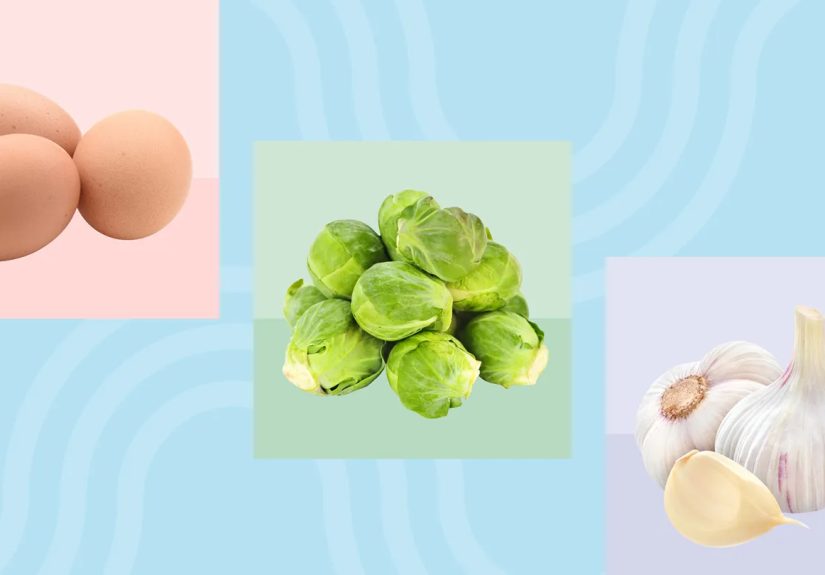
9. Garlic, Onions, Leeks, and Other Allium Vegetables
If protein foods are the bricks, allium vegetables are the savvy little contractors. Garlic, onions, leeks, and related vegetables contain sulfur compounds that make them relevant to the NAC and glutathione conversation. They are not rich protein sources, so they are not your main cysteine supply, but they help create a more sulfur-supportive dietary pattern overall.
And yes, they also make food taste dramatically better, which is not a minor health benefit. A healthy meal you actually enjoy has a much better chance of becoming a habit.
10. Cruciferous Vegetables
Broccoli, Brussels sprouts, cabbage, cauliflower, and kale are also worth mentioning. They are not “highest in NAC” foods, but they contain sulfur compounds and fit beautifully into a food-first approach to antioxidant support. Think of them as helpful sidekicks rather than the headliners.
Which Foods Are Probably the Most Useful Overall?
If you want a simple shortlist, these are the most practical foods to emphasize:
- Eggs
- Chicken
- Turkey
- Greek yogurt and cottage cheese
- Fish
- Lentils and chickpeas
- Tofu and tempeh
- Oats
- Walnuts and sunflower seeds
- Garlic and onions
If you eat both animal and plant foods, the strongest approach is not obsessing over one single “highest NAC food.” It is combining several cysteine-supportive foods across the day. Your body likes consistency more than dramatic nutrition plot twists.
How to Build a Diet That Supports NAC-Related Pathways
Instead of trying to “hack” NAC intake, build meals around three ideas:
Prioritize protein at each meal
A breakfast with eggs or yogurt, a lunch with beans or chicken, and a dinner with fish or tofu will generally do more for your amino acid intake than one heroic supplement smoothie and a day full of crackers.
Include sulfur-rich vegetables regularly
Use garlic, onions, leeks, broccoli, and cabbage often. They are easy to work into soups, stir-fries, roasted dishes, and grain bowls.
Think in patterns, not perfection
You do not need every “best” food every day. You just need a varied, protein-forward eating pattern that includes both complete proteins and plant foods.
Here is one simple day of eating:
- Breakfast: Oatmeal with Greek yogurt, walnuts, and berries
- Lunch: Lentil soup with a side salad and boiled egg
- Snack: Cottage cheese or edamame
- Dinner: Roasted salmon or tofu with broccoli, brown rice, garlic, and onions
That is not an “NAC meal plan” in the supplement sense, but it is a smart, realistic way to eat if you are trying to support cysteine status naturally.
Should You Take an NAC Supplement Instead?
That depends on why you are asking. NAC supplements are used for specific medical and wellness reasons, but they are not automatically better than improving your food intake first. In many cases, people searching for foods highest in NAC are really looking for ways to support glutathione, recovery, respiratory health, or overall antioxidant balance.
If that is your goal, starting with food makes sense. Supplements may still have a role, but they are not casual candy. NAC can interact with certain medications, and it is not something to add blindly just because the internet said it sounds “detoxifying.” The word detox has been stretched harder than an old rubber band.
If you are considering NAC supplements, especially if you take prescription medications or have a medical condition, talk with a qualified healthcare professional first.
Common Mistakes People Make
Confusing NAC with cysteine
This is the biggest one. NAC is a derivative of cysteine, not a nutrient naturally packed into everyday foods.
Ignoring the rest of the protein picture
You do not need one miracle ingredient. You need adequate protein, variety, and consistency.
Focusing only on supplements
A supplement may add one compound. Food adds protein, vitamins, minerals, fiber, and actual lunch.
Forgetting plant options
You do not need to live on chicken breasts to support amino acid intake. Legumes, soy, oats, nuts, and seeds all help.
Final Takeaway
So, which foods are highest in N-acetyl cysteine (NAC)? Strictly speaking, none of them are natural NAC powerhouses. NAC is primarily known as a supplement and medical compound, not a food nutrient. But that does not leave your plate out of the story.
The best food-based strategy is to eat more cysteine-rich and sulfur-rich foods, especially eggs, poultry, fish, yogurt, cottage cheese, legumes, soy foods, oats, nuts, seeds, garlic, onions, and cruciferous vegetables. These foods help provide the building blocks your body uses in the same bigger conversation people usually mean when they search for NAC foods.
In other words, you may not find NAC hiding in your fridge, but you can absolutely stock that fridge with foods that support the same nutritional goals. And unlike a trendy supplement bottle, dinner can also be delicious.
Everyday Experiences With a NAC-Supportive Diet
One of the most interesting things about this topic is how ordinary the real-life experience can be. People often search for foods highest in NAC because they expect a dramatic answer: one unusual fruit, one mysterious powder, one magic ingredient with the charisma of a superhero origin story. Then they learn the truth, which is less flashy but far more useful: the answer usually looks like eggs for breakfast, lentils for lunch, salmon or tofu for dinner, and a lot of garlic and onions making everything taste like you know what you’re doing in the kitchen.
For many people, the first noticeable experience is not some cinematic burst of energy. It is simply that meals become more balanced. A breakfast built around protein and whole foods tends to feel more satisfying than a pastry and coffee speedrun. A lunch with beans, yogurt, or chicken usually holds people longer than a random handful of crackers. Over time, this way of eating often feels steadier, less chaotic, and easier to repeat.
Another common experience is that the “food first” approach lowers supplement anxiety. Once people realize they do not have to hunt down mythical NAC-rich foods, nutrition gets less dramatic and more practical. Instead of wondering whether they need an expensive bottle with a futuristic label, they can focus on simple grocery staples: eggs, Greek yogurt, chickpeas, oats, tofu, turkey, walnuts, and vegetables. That shift alone can make healthy eating feel more affordable and more realistic.
Plant-based eaters often describe a different kind of learning curve. At first, there may be concern that skipping meat means missing out on everything related to cysteine and sulfur amino acids. But with a little planning, that fear usually settles down. Meals built around lentils, soy foods, beans, nuts, seeds, oats, and whole grains can absolutely support protein intake. Add some allium vegetables and cruciferous vegetables, and the plate starts looking pretty impressive. Not glamorous in an influencer-ring-light way, perhaps, but solid, satisfying, and nutritionally smart.
People who rely heavily on convenience foods sometimes notice another change: cooking more often naturally increases intake of these supportive foods. You do not have to become a meal-prep legend. Even simple habits help, like adding eggs to breakfast, tossing chickpeas into salads, using Greek yogurt as a snack, or roasting broccoli with salmon or tofu at dinner. These are small moves, but small moves are usually what real eating habits are made of.
There is also a psychological benefit to understanding the topic correctly. When you know that NAC itself is not the star of the grocery aisle, you stop chasing miracle foods and start building better meals. That tends to be calmer, more sustainable, and a lot less weird. Your cart starts to look less like a supplement scavenger hunt and more like an actual plan for nourishing yourself.
In the end, the real experience of eating for NAC-related support is not about perfection. It is about choosing a variety of protein-rich and sulfur-rich foods again and again until your routine does the heavy lifting for you. It may not be flashy, but it is effective, grounded, and much easier to live with than pretending one capsule or one “superfood” is going to save the day.