Table of Contents >> Show >> Hide
- At-a-Glance Winners
- Electric Cooler 101: Compressor vs. Thermoelectric (Don’t Skip This)
- How We Evaluated “Best of 2025” Without the Marketing Confetti
- Best Electric Coolers of 2025
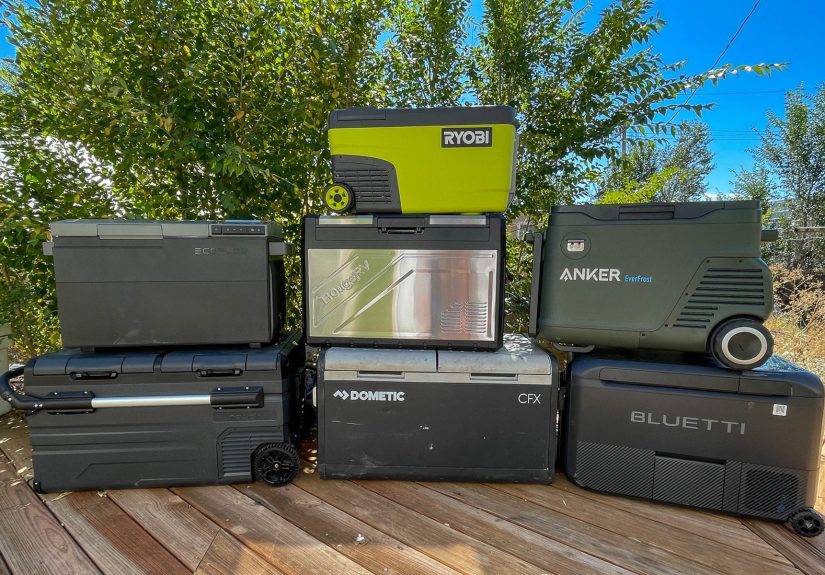
- Dometic CFX5 45 (Best Overall Performance)
- EcoFlow GLACIER / GLACIER Classic (Best Smart, Feature-Forward Pick)
- BLUETTI MultiCooler (Best for Off-Grid Luxury: Fridge + Freezer + Ice)
- Anker SOLIX EverFrost 2 (Best Big-Capacity Battery Ecosystem Pick)
- BougeRV Compressor Coolers (Best Budget-Friendly Compressor Value)
- Alpicool CF45 (Best Value for Real-World Road Trips)
- Engel MT45 (Best Rugged Durability)
- Igloo ICF 40 and Compact Igloo Options (Best for Practical Everyday Use)
- How to Choose the Right Electric Cooler for Your Trips
- Packing & Maintenance Tips That Make Any Cooler Work Better
- FAQ
- Real-World Experiences: From the “I Actually Used This Thing” Department
- Conclusion
Electric coolers (also called powered coolers, 12V fridge/freezers, or portable refrigerators) are the grown-up upgrade to the classic “bag of ice + vibes” approach. They keep food at a real, measurable temperaturewithout turning your burgers into lukewarm lake water by Day 2. In 2025, the category is better than ever: more efficient compressors, smarter battery options, quieter operation (mostly), and designs that actually feel road-trip-proof instead of “fragile dorm mini-fridge in disguise.”
This guide synthesizes hands-on testing and long-term review data from reputable U.S. outlets and product documentation to help you buy the right electric cooler for your lifewhether that life involves tailgates, long-haul trucking, vanlife, hurricane season prep, or simply refusing to pay $7 for a soggy gas-station sandwich.
At-a-Glance Winners
- Best overall performance: Dometic CFX5 45
- Best “smart & feature-rich” pick: EcoFlow GLACIER / GLACIER Classic
- Best for off-grid flexibility: BLUETTI MultiCooler (fridge + freezer + ice)
- Best for big-capacity + battery ecosystem: Anker SOLIX EverFrost 2
- Best compact for cars: Igloo compact picks (Versatemp-style portable options)
- Best value compressor cooler: BougeRV and Alpicool value models
- Best rugged “buy once, cry once” durability: Engel MT45
Electric Cooler 101: Compressor vs. Thermoelectric (Don’t Skip This)
Most shopping regrets happen because people buy the wrong type of electric cooler. Here’s the cheat sheet:
Compressor electric coolers (portable fridge/freezers)
These use a compressor like your home refrigerator. They can reliably hit true fridge temps and often freezer temps. They cost more, but they’re the real deal for car camping, RVs, overlanding, and food safety. If you want ice cream to remain ice cream, you want a compressor cooler.
Thermoelectric “cooler/warmer” boxes
These are typically cheaper and lighter, but they cool relative to ambient temperature (great in mild weather, disappointing in a hot vehicle). They’re fine for day trips, drinks, or keeping already-cold items coolless great for raw meat in August. If your summer road trip includes the phrase “desert,” be cautious.
How We Evaluated “Best of 2025” Without the Marketing Confetti
Instead of repeating brand brochures, we prioritized what expert reviewers actually measure and complain about in the real world:
- Cooling speed: How fast the unit pulls down to set temperature.
- Temperature stability: Whether it holds temp when the lid opens, the car stops, or power cycles.
- Power behavior: Realistic energy demand, battery runtime, and low-voltage cutoff protection.
- Usability: Controls, readability, baskets, lid design, and whether the app is helpful or just… there.
- Noise & comfort: Especially if you sleep near it in an SUV or tent.
- Portability: Handles, wheels, tie-down points, and “can one person lift it without making a noise they’ll regret.”
Best Electric Coolers of 2025
Dometic CFX5 45 (Best Overall Performance)
If you want the simplest answer to “Which electric cooler should I trust with actual food?” this is it. Expert testing repeatedly praises Dometic’s top-tier insulation, excellent temperature control, and overall reliability. The CFX5 line is built for people who use their cooler hard: campers, van lifers, frequent road trippers, and anyone who’s ever had to throw away a cooler full of groceries because the ice gave up emotionally halfway home.
Who it’s for: Frequent campers, overlanders, RVers, long trips where “pretty good” isn’t good enough.
Why it wins: Strong temp control, insulation that buys you time when power changes, and a mature, proven design language.
Trade-offs: Premium price; not the lightest unit to haul around.
EcoFlow GLACIER / GLACIER Classic (Best Smart, Feature-Forward Pick)
EcoFlow made a splash by treating the portable fridge like a piece of techfast cooling, app control, and (in earlier GLACIER models) an integrated ice maker. In 2025, EcoFlow also introduced the GLACIER Classic, focusing on more usable storage and updated design choices (including dropping the ice maker in the Classic line to reclaim space). If you love managing gear from your phoneand you’re already in the EcoFlow power ecosystemthis is a very compelling path.
Who it’s for: Tech-forward campers, road-trippers who want app control, people pairing a cooler with a power station/solar setup.
Why it shines: Strong usability, modern design, and a brand that clearly expects you to go off-grid on purpose.
Trade-offs: Feature-rich units can be heavier and more complex; the “best” EcoFlow choice depends on whether you want an ice maker or more storage.
BLUETTI MultiCooler (Best for Off-Grid Luxury: Fridge + Freezer + Ice)
If your camping style includes phrases like “sunset cocktails” or “we’re not animals,” the MultiCooler is a legitimately clever all-in-one: portable fridge/freezer plus an ice maker, designed around battery runtime and solar-minded use. Reviewers highlight fast pull-down and surprisingly long battery performanceexactly what you want when you’re trying to stay cold without running a vehicle engine like it’s a dedicated cooling subscription.
Who it’s for: Off-grid campers, tailgaters, hurricane-prep planners, and anyone who considers ice a basic human right.
Why it stands out: Ice-making capability plus strong efficiency focus and battery-forward design.
Trade-offs: More systems = more weight and a larger footprint; ice makers also add complexity and power demand.
Anker SOLIX EverFrost 2 (Best Big-Capacity Battery Ecosystem Pick)
Anker’s EverFrost 2 aims at maximum “portable appliance” energy: large capacity, flexible charging options, and battery add-ons that let you roll cold storage around like luggage. Independent reviews applaud the idea and versatility, while also noting the real-world compromises that come with sizemore weight, more noise, and potentially more energy use than sleeker competitors. Translation: it’s awesome if you need the capacity and features, less awesome if you’re trying to sleep two feet from it in a quiet campsite.
Who it’s for: Families, big groups, long trips, and users who prioritize capacity and charging flexibility.
Why people buy it: “I want a serious cooler that behaves like an appliance.”
Trade-offs: Large units can be loud, heavy, and power-hungryplan your setup accordingly.
BougeRV Compressor Coolers (Best Budget-Friendly Compressor Value)
BougeRV shows up constantly in best-of lists because it hits the sweet spot: compressor-style performance at a price that doesn’t make your wallet file a formal complaint. Some reviews note weaker insulation compared to premium modelswhich matters if power cuts out or you open it constantlybut if you mainly want reliable cooling on vehicle power, BougeRV remains one of the strongest “value pick” brands in 2025.
Who it’s for: First-time buyers, weekend campers, budget-minded road trippers.
Why it works: Compressor cooling without premium pricing.
Trade-offs: Insulation and polish may not match top-tier models; consider a protective cover and smarter packing habits.
Alpicool CF45 (Best Value for Real-World Road Trips)
If you want the “my first real portable fridge/freezer” experience without spending high-end money, Alpicool’s CF45-style models are frequently recommended as budget compressor picks. They’re popular because they do the core jobholding tempwithout pretending you need a luxury app experience to keep a sandwich cold.
Who it’s for: Road trips, car camping, budget builds, DIY van conversions.
Why it’s popular: Solid value for compressor performance.
Trade-offs: Expect simpler materials and fewer premium comfort details.
Engel MT45 (Best Rugged Durability)
Engel has a reputation for “this thing will outlive me,” and testing backs up that it’s built like a small safe that also happens to chill food very well. The MT45 is often praised for ruggedness, quick cooling, and accurate temperature control. If your cooler will get bounced around, strapped down, and treated like expedition gearnot a delicate accessoryEngel belongs on your shortlist.
Who it’s for: Overlanders, work trucks, rough roads, long-term use.
Why it earns loyalty: Tough build and dependable cooling behavior.
Trade-offs: Typically pricier than budget brands; fewer “flashy” features than tech-first models.
Igloo ICF 40 and Compact Igloo Options (Best for Practical Everyday Use)
Igloo remains a recognizable name in coolers, and in testing-focused roundups, certain electric models earn praise for balanced performance and approachable pricing. If you want a mainstream, easy-to-live-with optionand you’re not building a solar-overland command centerIgloo is often a sensible choice. For smaller vehicles, compact electric coolers also show up as “best for most cars” picks in car-focused reviews, where footprint and usability matter as much as max capacity.
Who it’s for: Tailgates, day trips, family road trips, “I just want cold drinks that stay cold.”
Why it works: Practical design, widely available, familiar controls.
Trade-offs: Carefully confirm whether the model you’re eyeing is compressor or thermoelectric.
How to Choose the Right Electric Cooler for Your Trips
Pick your capacity like you pack
- 20–30 quarts: Solo/2-person road trips, small cars, drink-heavy setups.
- 35–45 quarts: The sweet spot for most campersenough for a weekend without hogging the whole cargo area.
- 50+ quarts: Families, long trips, multi-zone needs, or anyone who packs like they’re feeding a small film crew.
Think about power before you think about features
Electric coolers are amazing… until you forget they need energy. In vehicles, you’ll want low-voltage protection so you don’t “chill your drinks” at the expense of “starting your car.” For off-grid camping, plan your setup: battery capacity, solar input (if any), and realistic usage. A cooler can be efficient and still run your battery down if you treat it like a revolving door at a convenience store.
Dual-zone vs. single-zone
Dual-zone is great if you truly need fridge and freezer at the same time (meat + ice cream peace treaty). But dual zones often add cost, complexity, and weight. If you mostly need fridge temps, a high-quality single-zone unit is frequently the simplest and most efficient solution.
Noise matters more than you think
In a noisy tailgate, you’ll never notice. In a quiet campsite at 2:00 a.m. with your cooler parked near your head? Suddenly you’ll become a sound engineer. If you sleep near your cooler, prioritize quieter models, smarter placement, and ventilation that doesn’t point directly at your pillow.
Packing & Maintenance Tips That Make Any Cooler Work Better
- Pre-chill at home before you hit the road. Cooling warm soda is basically asking your cooler to do cardio.
- Use baskets/dividers so you aren’t unloading everything to find the mustard.
- Don’t block vents. Compressors and fans need airflow; stuffing sleeping bags against the intake is a performance prank.
- Set realistic temps. If you don’t need freezing, don’t run it like a deep freezer.
- Keep a thermometer inside if you’re storing sensitive foodsespecially on longer trips.
FAQ
Are electric coolers worth it over a high-end ice cooler?
If you do multi-day trips, hate buying ice, want consistent food-safe temps, or need freezer capabilityyes. If you do short day trips and love the simplicity of a traditional cooler, a quality ice cooler may be plenty.
Can I run a 12V cooler overnight?
Yes, if you plan power properly. In a vehicle, use low-voltage protection and consider a dedicated battery setup for frequent overnight use. Off-grid, match your cooler to your battery capacity and expected runtime.
What’s the biggest mistake buyers make?
Buying thermoelectric when they really need compressor performance. The second biggest mistake is buying a huge cooler without a power planthen acting shocked when physics shows up.
Real-World Experiences: From the “I Actually Used This Thing” Department
The first time you travel with a real compressor electric cooler, you’ll probably have a tiny emotional moment. Not a dramatic onemore like the quiet satisfaction of opening the lid on Day 3 and realizing your food is still… food. No swampy meltwater. No “is this cheese sweating or is it crying?” Just cold, predictable temperatures like a civilized adult on vacation.
On a typical summer road trip, an electric cooler changes your whole rhythm. You stop planning your day around ice runs and start planning around good snacks. Instead of “we need to find a gas station,” it becomes “we can pull over at that scenic overlook and eat real lunch.” And yes, it turns you into that personthe one who offers friends an ice-cold drink from the trunk like you’re running a tiny, benevolent speakeasy.
Car camping is where the difference gets loud (even if your cooler isn’t). With ice, you’re always negotiating: open the lid too long and you lose cold; pack wrong and everything gets wet; drain too late and your cooler turns into a regret aquarium. With a powered cooler, the strategy is more like packing a small fridge. Put frequently grabbed stuff on top. Use a basket so you’re not digging for ketchup like it’s an archaeological site. Pre-chill drinks at home so the cooler maintains temp instead of fighting a warm-can uprising.
Then there’s the “off-grid logic” lesson everyone learns: a powered cooler doesn’t end your responsibilityit relocates it to electricity. If you’re running a cooler overnight off a battery, you start caring about details you previously ignored, like ventilation, ambient heat, and how often you stand there staring into the cooler like it’s going to reveal the meaning of life (spoiler: it will only reveal you’re letting the cold out). People who get great battery runtime usually do boring, smart things: shade the cooler, keep it full, minimize lid time, and avoid turning it into a freezer if they only need fridge temps.
Tailgating is the most fun use case because it’s where “features” suddenly matter. Wheels and a handle? Legendary. Dual-zone? Even better when someone wants frozen treats and someone else wants crisp veggies for a heroic attempt at healthy eating. Ice-making models feel absurduntil you’re the only person who can make fresh ice in a parking lot and you become the unofficial mayor of the pregame.
And yes, there are annoyances. Big coolers can be heavy enough to make you rethink every life choice that led to carrying 60 quarts of “just in case” beverages. Some apps are more decorative than useful. And certain models can be loud in a quiet campsite. But once you’ve had reliable cold storage on the roadespecially for longer tripsit’s hard to go back. Ice is great for drinks. Electric coolers are great for not having to gamble with dinner.
Conclusion
The best electric coolers of 2025 aren’t just “coolers with a plug”they’re portable cold-storage systems that let you travel smarter, eat better, and stop wasting time (and money) on ice. If you want the most consistently praised overall performance, look to premium leaders like Dometic. If you want smart features and ecosystem-friendly options, EcoFlow and Anker offer compelling choices. And if value is the mission, BougeRV and Alpicool deliver compressor cooling without premium sticker shock. Choose the type (compressor vs. thermoelectric), size it to your trips, and match it to your power planthen enjoy the strangely luxurious feeling of having a real fridge wherever the road takes you.