Table of Contents >> Show >> Hide
- Understanding Begonias Before You Grow Them
- Best Light for Begonias
- How to Water Begonias Correctly
- Best Soil for Begonias
- Choosing the Right Pot
- Temperature and Humidity Needs
- How to Fertilize Begonias
- Pruning and Pinching Begonias
- How to Propagate Begonias
- Common Begonia Problems and Solutions
- How to Care for Begonias Indoors
- How to Care for Begonias Outdoors
- Overwintering Begonias
- Seasonal Begonia Care Calendar
- Best Places to Use Begonias in the Home and Garden
- of Real-World Experience: What Begonias Teach Patient Gardeners
- Conclusion
Note: This article is written in original language for web publishing and is based on real horticultural guidance from reputable U.S. university extension services, botanical garden resources, and established gardening publishers.
Begonias are the houseguests of the plant world: charming, colorful, a little particular about where they sit, and absolutely not interested in being soaked “just because.” Learn their preferences, though, and begonias will reward you with jewel-toned leaves, cheerful flowers, and the kind of lush growth that makes visitors ask, “Wait, is that real?”
Whether you are growing wax begonias in a shady border, rex begonias on a bright windowsill, angel wing begonias in a decorative pot, or tuberous begonias in hanging baskets, the secret is balance. Begonias like bright but gentle light, evenly moist but never swampy soil, warmth without scorching heat, and humidity without wet leaves. In other words, they enjoy comfort, not drama.
This complete guide explains how to care for begonias indoors and outdoors, including watering, light, soil, pruning, fertilizing, pest control, propagation, and seasonal maintenance. Grab your watering canbut not too enthusiasticallyand let’s help your begonias look like they hired a personal stylist.
Understanding Begonias Before You Grow Them
Before learning how to care for begonias, it helps to know that “begonia” is not one single plant personality. The begonia family includes many species and hybrids, and different types have slightly different needs. Some are grown mainly for flowers, while others are treasured for dramatic foliage that looks like it came from a fantasy novel with excellent interior design.
Common Types of Begonias
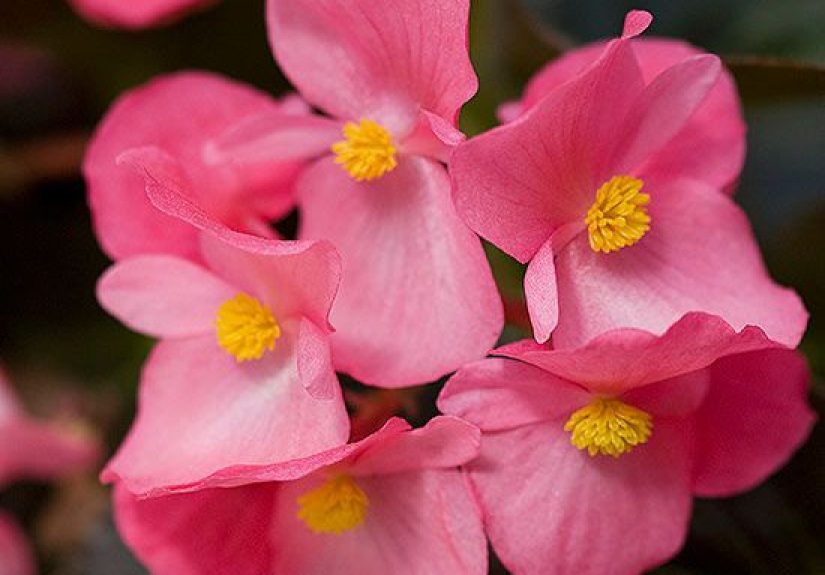
Wax begonias are compact, reliable bloomers often used in garden beds, borders, and containers. They usually have green or bronze leaves and small flowers in shades of red, pink, or white. Bronze-leaved varieties can generally tolerate more sun than green-leaved types.
Tuberous begonias are famous for big, showy flowers that look almost too fancy for a patio. They thrive in filtered light, hanging baskets, and containers. They dislike harsh afternoon sun, strong wind, and soggy soil.
Rex begonias are grown mostly for their spectacular leaves. Their foliage may be silver, burgundy, purple, green, pink, or swirled like a botanical painting. Rex begonias are beautiful but slightly fussy, especially about humidity and watering.
Cane begonias, including angel wing begonias, have upright stems and wing-shaped leaves. Many produce clusters of flowers and can grow into impressive indoor plants with proper pruning and support.
Rhizomatous begonias grow from thick stems called rhizomes that creep along the soil surface. They often have interesting leaf textures and patterns, making them excellent indoor display plants.
Best Light for Begonias
Begonias love light, but they do not want to be roasted like a marshmallow at summer camp. Most begonias perform best in bright, indirect light or partial shade. Outdoors, morning sun with afternoon shade is often ideal. Indoors, an east-facing window is usually excellent, while a bright north-facing window can work for foliage types.
Too little light can make begonias leggy, weak, and reluctant to bloom. Too much direct sun can scorch the leaves, causing pale patches, brown edges, or crispy spots. If your begonia looks stretched and floppy, it may need more light. If the leaves look burned or faded, move it away from direct afternoon sun.
Indoor Light Tips
For indoor begonias, place the plant where it receives bright but filtered light. A sheer curtain can turn an intense window into a begonia-friendly spa. If your home is dim during winter, a grow light can help maintain healthy growth. Keep the light close enough to be useful, but not so close that it heats or dries the plant.
Outdoor Light Tips
In outdoor gardens, choose a spot with dappled shade, morning sunlight, or filtered light under taller plants. Avoid exposed locations where hot afternoon sun beats directly on the leaves. Wax begonias can handle more brightness than rex or tuberous begonias, but even the tougher types appreciate protection in very hot climates.
How to Water Begonias Correctly
Watering is where many begonia care stories become tragic comedies. Begonias like moisture, but they hate sitting in wet soil. Overwatering can cause root rot, stem rot, yellow leaves, and sudden collapse. Underwatering, on the other hand, can lead to wilting, dry leaf edges, and dropped flowers.
The best rule is simple: water when the top inch or two of soil feels dry. Use your finger, not your calendar. Begonias do not care that it is Tuesday. They care whether their roots are thirsty.
Watering Indoor Begonias
Water thoroughly until excess moisture drains from the bottom of the pot. Then empty the saucer so the roots are not standing in water. Let the soil surface dry slightly before watering again. In winter, indoor begonias usually need less water because growth slows and indoor light levels drop.
Watering Outdoor Begonias
Outdoor begonias in containers may need more frequent watering than those planted in garden beds, especially during hot weather. Hanging baskets dry out fastest because air circulates around the container. Still, drainage is essential. A container without drainage holes is not a pot; it is a tiny swamp with decorative intentions.
Avoid Wet Leaves
Whenever possible, water at the base of the plant instead of splashing the foliage. Wet leaves can encourage fungal problems, especially in humid or poorly ventilated areas. Morning watering is best because any accidental moisture on the leaves has time to dry during the day.
Best Soil for Begonias
Begonias grow best in loose, rich, well-draining soil. They appreciate organic matter, but they do not want heavy, compacted soil that holds water around the roots. For containers, use a high-quality potting mix rather than garden soil. Garden soil can become dense in pots and may drain poorly.
For outdoor beds, improve heavy soil with compost and other drainage-friendly amendments. The goal is soil that holds enough moisture to keep roots comfortable but drains quickly enough to prevent rot. Slightly acidic soil is often preferred by begonias, but good drainage matters more than obsessing over exact numbers.
Container Soil Mix
A good begonia potting mix should feel light and airy. Many growers use a peat-based or coco coir-based mix with added perlite for drainage. Rex begonias and rhizomatous begonias often prefer shallower pots because their root systems do not need deep soil. Tuberous begonias also do well in containers with excellent drainage.
Choosing the Right Pot
The right pot can make begonia care much easier. Always choose a container with drainage holes. Clay or terracotta pots can help wick away extra moisture, which is useful if you tend to overwater. Plastic pots hold moisture longer, which can be helpful in dry homes but risky if you water too often.
Avoid oversized pots. When a begonia sits in too much soil, the unused potting mix stays wet longer, increasing the risk of root rot. Move up only one pot size when repotting. Begonias prefer a comfortable home, not a mansion with damp carpets.
Temperature and Humidity Needs
Begonias are tropical and subtropical plants, so they prefer warm, stable temperatures. Most grow well in normal household conditions, especially between about 60 and 75 degrees Fahrenheit. They dislike frost, cold drafts, sudden temperature swings, and hot blasts from heaters.
Humidity is especially important for rex begonias and many indoor foliage types. Dry air can cause crispy leaf edges or poor growth. However, high humidity should not mean wet leaves. That distinction matters. Begonias enjoy moisture in the air, not a daily leaf shower.
How to Increase Humidity
Group plants together to create a slightly more humid microclimate. You can also place pots on a pebble tray filled with water, making sure the pot sits above the waterline rather than in it. A small humidifier is useful for serious indoor plant lovers. Misting is less effective than many people think and can increase disease risk if leaves stay wet.
How to Fertilize Begonias
Begonias benefit from regular feeding during active growth, especially in spring and summer. Use a balanced liquid fertilizer diluted according to label directions, or even weaker for sensitive indoor types. Feeding every two to four weeks during the growing season is usually enough for container plants.
Do not fertilize a stressed, wilted, newly repotted, or dormant plant. Fertilizer is not plant medicine; it is more like a meal. If the roots are struggling, feeding heavily can make things worse. In fall and winter, reduce or stop fertilizing because most begonias grow more slowly.
Fertilizer for Flowering Begonias
Flowering begonias need enough light and nutrients to bloom well. If your plant has healthy leaves but few flowers, it may need brighter indirect light or a more consistent feeding routine. Avoid too much nitrogen, which can encourage leafy growth at the expense of blooms.
Pruning and Pinching Begonias
Pruning helps begonias stay full, attractive, and healthy. Cane begonias and angel wing begonias can become tall and leggy if left alone. Pinching back the growing tips encourages side shoots, creating a bushier plant. Wax begonias may need occasional trimming to remove tired stems or maintain shape.
Use clean, sharp scissors or pruners. Remove dead, damaged, yellowing, or diseased leaves promptly. This improves appearance and reduces hiding places for pests. For flowering types, many modern begonias are self-cleaning, meaning old flowers drop naturally. Still, removing spent blooms can keep containers looking tidy.
Pruning Leggy Indoor Begonias
If an indoor begonia has long bare stems with leaves only at the tips, cut it back in stages. New growth often appears below the cut. You can also root healthy stem cuttings to create new plants. Think of pruning as giving your begonia a haircut, not a punishment.
How to Propagate Begonias
Begonias are fun to propagate because many types root easily. The best method depends on the type of begonia. Cane begonias are commonly propagated from stem cuttings. Rex and rhizomatous begonias can often be propagated from leaf cuttings. Tuberous begonias are usually grown from tubers, though some can also be started from cuttings.
Stem Cuttings
Take a healthy cutting with at least a few nodes. Remove the lower leaves and place the cutting in water or moist potting mix. Keep it in bright, indirect light. Once roots develop, pot it into a small container with well-draining soil.
Leaf Cuttings
For rex begonias, a single healthy leaf can produce new plantlets. Some gardeners cut the leaf into sections, making sure each piece contains a main vein, then place the sections on moist propagation mix. This method requires patience, humidity, and the emotional maturity not to poke the cuttings every six hours.
Common Begonia Problems and Solutions
Even well-cared-for begonias can occasionally complain. Fortunately, their symptoms usually point to common issues involving water, light, air circulation, or pests.
Yellow Leaves
Yellow leaves often mean overwatering, poor drainage, too little light, or root stress. Check the soil first. If it is wet and heavy, allow it to dry and consider repotting into a better-draining mix. If the plant is in a dim corner, move it to brighter indirect light.
Brown Leaf Edges
Brown edges may come from low humidity, underwatering, fertilizer burn, or too much direct sun. For indoor rex begonias, humidity is often the culprit. Trim damaged edges if needed, then adjust the growing conditions.
Powdery Mildew
Powdery mildew appears as a white, powdery coating on leaves. It is encouraged by poor air circulation and moisture on foliage. Improve spacing, avoid overhead watering, remove affected leaves, and use appropriate treatment if the problem spreads.
Root Rot
Root rot is usually caused by soggy soil. Symptoms include wilting despite wet soil, yellow leaves, mushy stems, and a general “this plant has given up on the meeting” appearance. Remove the plant from the pot, trim damaged roots if possible, and repot in fresh, well-draining mix. Severe cases may not recover, so prevention is best.
Pests
Begonias may attract mealybugs, spider mites, aphids, whiteflies, scale, slugs, or snails. Inspect leaves, stems, and undersides regularly. Treat small infestations early with gentle methods such as rinsing, insecticidal soap, or horticultural oil when appropriate. Outdoor slugs and snails can chew holes in leaves, especially in damp shade.
How to Care for Begonias Indoors
Indoor begonias need consistency. Place them in bright, indirect light, water only when the top soil begins to dry, and keep them away from cold drafts, heating vents, and sudden changes. Rotate the pot occasionally so growth stays even, but avoid moving the plant constantly from room to room.
Rex begonias and angel wing begonias make excellent houseplants when their needs are met. Rex begonias want higher humidity and careful watering. Angel wing begonias appreciate support, pruning, and enough light to encourage flowering. Both prefer clean leaves, good airflow, and pots that drain properly.
How to Care for Begonias Outdoors
Outdoor begonias shine in shaded beds, porch containers, patio pots, and hanging baskets. Plant them after the danger of frost has passed and soil has warmed. Space plants so air can move between them. Crowded begonias in damp shade are more likely to develop disease.
Use mulch lightly around garden begonias to help conserve moisture, but do not pile it against stems. Feed container begonias regularly during active growth, because nutrients wash out of pots faster than garden beds. Protect delicate types from strong wind, which can damage leaves and flowers.
Overwintering Begonias
In cold climates, begonias are usually treated as annuals outdoors unless brought inside or stored properly. Wax begonias and cane begonias can sometimes be overwintered indoors as houseplants. Before bringing outdoor plants inside, inspect them carefully for pests. Nobody wants to import a bug convention into the living room.
Tuberous begonias require a different approach. As the growing season ends, reduce watering and allow the plant to move toward dormancy. After foliage yellows or frost threatens, lift the tubers, let them dry, remove remaining stems, and store them in a cool, dark, ventilated place in a dry medium such as peat, vermiculite, or perlite. Replant in spring when conditions improve.
Seasonal Begonia Care Calendar
Spring
Repot indoor begonias if needed, start feeding again, and move outdoor begonias outside only after frost danger has passed. Start tuberous begonias indoors before the outdoor season if you want earlier blooms.
Summer
Water consistently, protect plants from harsh afternoon sun, fertilize during active growth, and watch for pests. Container begonias may need more frequent attention during hot weather.
Fall
Reduce feeding as growth slows. Bring tender begonias indoors before cold nights arrive. Prepare tuberous begonias for dormancy if you plan to store the tubers.
Winter
Water less often, stop or reduce fertilizer, and provide bright indoor light. Keep plants away from drafts and heating vents. Dormant tubers should be checked occasionally to make sure they are not rotting or completely shriveling.
Best Places to Use Begonias in the Home and Garden
Begonias are wonderfully versatile. Use wax begonias as edging plants along shady paths. Place tuberous begonias in hanging baskets where their flowers can spill over the sides. Display rex begonias indoors where their dramatic leaves can be admired up close. Add angel wing begonias to bright rooms as living sculpture.
In mixed containers, begonias pair beautifully with coleus, caladiums, ferns, impatiens, sweet potato vine, and trailing ivy. Choose companions with similar light and moisture preferences. A plant that wants desert conditions and a begonia that wants humid shade are not roommates; they are a sitcom waiting to happen.
of Real-World Experience: What Begonias Teach Patient Gardeners
One of the most useful experiences with begonias is learning that they respond better to observation than routine. Many beginners water on a strict schedule, then wonder why the plant looks unhappy. Begonias quickly teach you to check the soil first. A pot in a sunny window may dry quickly, while the same plant in a cool room may stay moist for days. The plant is the calendar. The soil is the reminder.
Another lesson is that begonias appreciate the “just right” zone. A rex begonia on a dark shelf may survive, but it will not show its best color. Move it into bright, indirect light, and the leaves often become richer and more defined. But place it in direct hot sun, and those gorgeous leaves can scorch. The experience feels a bit like adjusting a lamp for a picky reader: not too dim, not too bright, just perfect enough for the story to continue.
Container choice also matters more than many people expect. A begonia planted in a large decorative pot without drainage may look stylish for a few weeks, then suddenly decline. After repotting into a smaller container with drainage holes and airy soil, the difference can be dramatic. The roots breathe, the stems firm up, and new leaves appear. It is a reminder that beauty above the soil starts with comfort below it.
Humidity is another practical discovery. In dry indoor air, rex begonias may develop crispy edges even when watering seems correct. Adding a humidifier nearby or grouping plants together can improve the situation. However, misting the leaves every day often creates more problems than it solves. The leaves may stay wet too long, especially in rooms with poor airflow. Begonias prefer a humid atmosphere, not a damp raincoat.
Pruning can feel scary at first, especially when an angel wing begonia has finally grown tall. But cutting back leggy stems often produces a fuller, healthier plant. Better yet, those trimmed stems can become cuttings. Rooting begonia cuttings is one of gardening’s small joys: one plant becomes two, then three, and suddenly you are the person offering plants to friends with the confidence of a leafy entrepreneur.
Outdoor begonias teach seasonal awareness. In spring, planting too early can expose them to cold soil and chilly nights. In summer, afternoon sun can be too intense, especially in hot regions. In fall, waiting too long to bring plants indoors can result in frost damage. Successful begonia care is not complicated, but it does reward timing.
The biggest experience-based tip is this: do not panic over one yellow leaf. Plants naturally shed older leaves. Instead, look for patterns. Many yellow leaves, mushy stems, wet soil, or pests are signals. One old leaf quietly retiring from service is normal. Remove it, check the plant, and continue caring for it calmly.
Begonias are not the hardest plants to grow, but they do ask gardeners to pay attention. Give them soft light, breathable soil, careful watering, warmth, humidity, and a little grooming, and they will repay you with color, texture, and charm. They may be slightly dramatic, but honestly, with leaves that pretty, they have earned it.
Conclusion
Learning how to care for begonias comes down to understanding their favorite conditions: bright indirect light, well-draining soil, careful watering, warm temperatures, good humidity, and steady seasonal care. Once you avoid the two classic mistakestoo much direct sun and too much waterbegonias become far less mysterious.
Whether you grow them indoors as elegant foliage plants or outdoors as colorful shade performers, begonias can bring long-lasting beauty to almost any space. Treat them with attention rather than fuss, and they will reward you with flowers, foliage, and just enough personality to keep gardening interesting.