Table of Contents >> Show >> Hide
- What Is a Composite Chart?
- How to Get a Composite Chart (Without Doing Math on a Napkin)
- How to Interpret a Composite Chart: The Big Picture First
- What Each Planet Means in a Composite Chart
- Composite Mercury: Communication Style
- Composite Venus: Love Language and Glue
- Composite Mars: Chemistry, Conflict, and Drive
- Composite Jupiter: Growth and Goodwill
- Composite Saturn: Commitment, Boundaries, and Longevity
- Composite Uranus: Sparks, Freedom, and Surprise Plot Turns
- Composite Neptune: Romance, Spirituality, and Fog Machines
- Composite Pluto: Intensity, Transformation, Power Dynamics
- Interpretation Examples (So This Isn’t Just Theory)
- Using Composite Charts for Timing: Transits and Relationship Seasons
- Common Composite Chart Myths (Let’s Clear These Up)
- Practical Tips: How to Actually Use This Information
- Conclusion: The Composite Chart Is the Astrology of “Us”
- Composite Chart Experiences: What It Feels Like in Real Life (500+ Words)
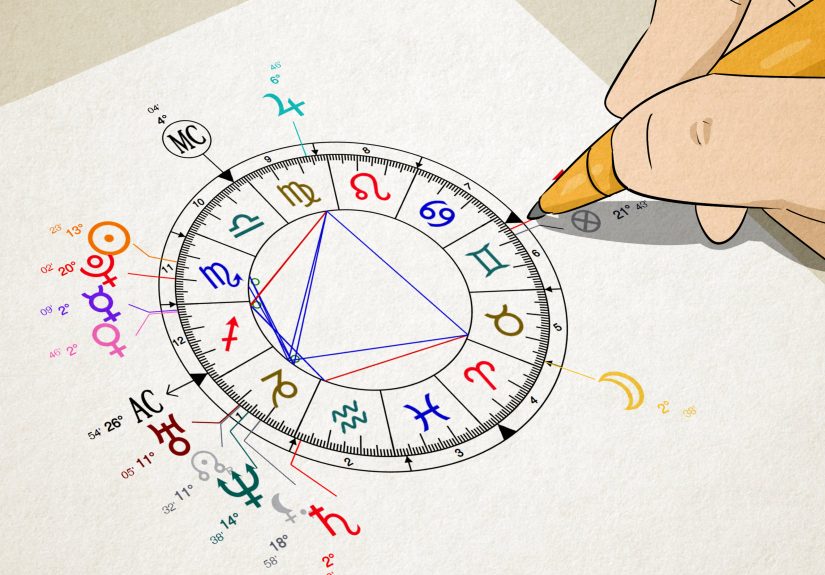
If you’ve ever looked at you + them and thought, “Okay, but what about us?”welcome to the composite chart. A composite chart is relationship astrology’s way of saying, “Let’s stop staring at two separate instruction manuals and read the user guide for the device you built together.”
Composite charts are popular because they treat a relationship like its own living, breathing entitywhether that “relationship” is a marriage, a situationship, a friendship, a business partnership, or a creative duo that keeps accidentally writing bangers. It’s not about who’s right; it’s about what’s real between you.
In this guide, we’ll break down what a composite chart is, how it’s calculated, how to interpret it (without turning into a doomsday prophet), and how to use it alongside synastry. We’ll also include specific examples and an “experiences” section at the end that sounds like real lifebecause relationships do not happen in a vacuum, no matter how hard Mercury tries.
What Is a Composite Chart?
A composite chart is a relationship chart created by finding the mathematical midpoint between each person’s planetary positions (Sun to Sun, Moon to Moon, Venus to Venus, and so on). Those midpoints become a brand-new chart that symbolizes the relationship as a unitits vibe, purpose, habits, strengths, and pressure points.
Think of it like this: synastry is comparing two instruments to see how they harmonize. A composite chart is the song you actually play together. Sometimes the instruments look like they shouldn’t work… and then the song slaps anyway.
Composite vs. Synastry (Quick, Useful Distinction)
- Synastry = How two individuals affect each other (planet-to-planet connections).
- Composite = The relationship’s identity and how it functions as a whole.
In practice, you’ll get the richest picture by using both. Synastry can show attraction and friction. Composite charts can show what the relationship becomes once it’s established and running on its own “operating system.”
Composite vs. Davison (The Cousin People Confuse It With)
You may also hear about the Davison relationship chart. In simple terms: composite charts are midpoint charts created by averaging planetary positions; Davison charts are calculated from a “real” midpoint in time and space between two births. Many astrologers use both; composites are especially popular for reading the relationship as an energetic entity and tracking its cycles over time.
How to Get a Composite Chart (Without Doing Math on a Napkin)
You don’t have to calculate midpoints by hand (unless you enjoy pain). Most online chart calculators can generate a composite chart in seconds. You’ll typically need:
- Both birth dates
- Both birth locations
- Both birth times (strongly recommendedangles and houses get wobbly without them)
If one person’s birth time is unknown, you can still explore the composite planets and aspects, but treat houses and angles (Ascendant/MC) like “approximate vibes” rather than courtroom evidence.
How to Interpret a Composite Chart: The Big Picture First
Composite charts are interpreted like natal chartsbecause the relationship is the “native.” Start broad, then zoom in. Here’s a beginner-friendly order that keeps you from spiraling into “Our composite Pluto is intense, so we’re doomed.” (Spoiler: you are not doomed. You just need good communication and maybe fewer dramatic voice notes.)
Step 1: The Composite “Big Three”
These are your anchors: the composite Sun, Moon, and Ascendant (if available).
- Composite Sun: The relationship’s purpose, identity, and “what we’re here to do.” A composite Sun in Earth signs often likes building something tangible. Fire signs crave momentum and inspiration. Air signs thrive on ideas and social flow. Water signs prioritize emotional bonding and meaning.
- Composite Moon: The emotional climatehow you soothe, react, and feel safe (or not). The Moon shows what the relationship needs on a day-to-day basis.
- Composite Ascendant: The public vibe and the way the relationship “shows up” in the world. Sometimes couples swear they’re chill, but their composite Ascendant says “power couple on a mission,” and everyone around them is like, “Why do I feel like I should update my resume?”
Step 2: House Emphasis (Where the Relationship Lives)
Houses answer the question: Where does this relationship put its energy? Look for stelliums (3+ planets) or a cluster of personal planets (Sun, Moon, Mercury, Venus, Mars) in one area.
- 1st house: Identity, fresh starts, strong “team” presence.
- 4th house: Home, privacy, emotional roots, family themes.
- 5th house: Romance, play, creativity, fun, “date night energy.”
- 7th house: Partnership focuscommitment, reflection, “we” over “me.”
- 10th house: Public image, goals, reputation, shared ambition.
- 11th house: Friendship, community, future plans, shared networks.
- 12th house: Spiritual bonding, hidden patterns, healing… or confusion if boundaries are weak.
Note: Some astrologers simplify composite reading and focus heavily on planets, aspects, and angles. Others use the full house system as they would with a natal chart. If you have accurate birth times, houses can add a lot of clarity.
Step 3: Aspects (The Plot Twists and the Power-Ups)
Aspects show how the relationship’s parts interact. In composites, tight aspects (small orb) often feel louder. A few quick translations:
- Conjunction: Blended energypowerful, focused, can be intense.
- Trine: Natural easetalent, flow, comfort (sometimes complacency).
- Sextile: Opportunityworks well when you actually use it.
- Square: Frictiongrowth edge, stress point, motivation to change.
- Opposition: Polaritypush-pull, balance lessons, strong attraction potential.
What Each Planet Means in a Composite Chart
Here’s the “relationship psychology” of each planet, composite-style. This is the part people skim first, then come back later and pretend they didn’t. (It’s okay. We all do it.)
Composite Mercury: Communication Style
Mercury shows how you talk, think, text, plan, and argue. A harmonious Mercury can help you process conflict without turning it into a mini-series. Challenging Mercury aspects often show misunderstandings, different pacing, or the need for clearer expectations.
Composite Venus: Love Language and Glue
Venus describes affection, pleasure, aesthetics, and what feels “worth it” in the relationship. Venus in the 2nd, 4th, 5th, or 7th houses often boosts warmth and bonding. Venus under pressure (especially from Saturn or Pluto) can still be loyal and meaningfuljust more serious, tested, or transformative.
Composite Mars: Chemistry, Conflict, and Drive
Mars is desire, initiative, and how you handle anger. Great Mars aspects can create momentum and shared projects. Hard Mars contacts can bring impatience, competitiveness, or “we love each other but also need a time-out corner.”
Composite Jupiter: Growth and Goodwill
Jupiter tends to expand what it touches. In composites, it can show optimism, shared adventures, learning, travel, and generosity. Overdone Jupiter can also mean overpromising, overspending, or ignoring problems until they become emotionally expensive.
Composite Saturn: Commitment, Boundaries, and Longevity
Saturn is the planet people fearuntil they want something to last. In composites, Saturn often shows the “glue”: responsibility, structure, and real-world commitment. Saturn can feel heavy if the relationship is forced or rushed, but it can also be stabilizing, loyal, and deeply trustworthy.
Composite Uranus: Sparks, Freedom, and Surprise Plot Turns
Uranus brings excitement, uniqueness, and unpredictability. Strong Uranus can mean an unconventional bond, long-distance patterns, on-and-off rhythms, or a relationship that thrives when both people have space. If you try to control a Uranus-heavy composite, it tends to rebellike a cat being handed an itinerary.
Composite Neptune: Romance, Spirituality, and Fog Machines
Neptune can be beautiful: compassion, inspiration, creativity, soul-level bonding. It can also be confusing: projection, idealization, avoidance, or unclear boundaries. Neptune-heavy composites do best with honesty, grounded routines, and reality checks that don’t kill the vibejust keep it healthy.
Composite Pluto: Intensity, Transformation, Power Dynamics
Pluto intensifies and transforms. In composites, Pluto can show deep bonding, “fated” feelings, psychological insight, and major life changes through the relationship. The shadow side is control, manipulation, or fear of vulnerability. Pluto asks for courage and emotional maturityno shortcuts.
Interpretation Examples (So This Isn’t Just Theory)
Example 1: “We’re Building a Life” Composite
Imagine a composite with Sun in the 4th house, Moon in the 4th house, and Saturn conjunct the composite Sun.
- Sun + Moon in the 4th suggests the relationship is home-focused: nesting, privacy, family themes, emotional safety.
- Saturn conjunct the Sun can bring seriousness and longevitythis relationship may feel like work at times, but also like something worth protecting and committing to.
- Growth tip: Don’t let “responsibility” replace romance. Schedule joy on purpose. (Yes, put it on the calendar. Saturn respects that.)
Example 2: “Chemistry and Chaos” Composite
Now picture Venus conjunct Mars in the composite (spicy), but Uranus square Venus.
- Venus–Mars conjunction often screams chemistry, creative spark, and strong desire to do things together.
- Uranus square Venus adds unpredictability: sudden changes, inconsistent affection, or a need for space and novelty.
- Growth tip: Make the relationship intentionally flexible. Give each other breathing room. Keep things fresh. If you try to “lock it down” out of anxiety, Uranus hits the emergency exit.
Example 3: “Dreamy Soulmate Vibes (With a Reality Check)”
Consider Neptune conjunct the composite Moon and Mercury square Neptune.
- Moon–Neptune can feel tender, romantic, empatheticlike you can sense each other’s moods.
- Mercury–Neptune tension can bring mixed signals, assumptions, or “I thought you meant…” misunderstandings.
- Growth tip: Clarify. Repeat. Confirm. Not because you don’t trust each otherbut because you do. Neptune needs compassion; Mercury needs precision. You can have both.
Using Composite Charts for Timing: Transits and Relationship Seasons
One reason composites are beloved is that you can track transits to the composite chart to understand relationship “seasons.” Just like a natal chart has transits, the relationship chart can show periods of growth, pressure, renewal, or redefinition.
- Saturn transits to composite personal planets can mark commitment milestones, boundary-setting, or “let’s get serious” conversations.
- Jupiter transits can bring opportunities, travel, shared goals, or renewed optimism.
- Uranus transits can bring sudden changessometimes exciting, sometimes destabilizing.
- Neptune transits can increase sensitivity and idealism, but also confusion if communication is weak.
- Pluto transits can reshape the relationship profoundlydeepening intimacy or forcing honesty.
Timing doesn’t “force” outcomes. It highlights themes. Think of it as weather: you still choose whether to carry an umbrella, cancel the picnic, or dramatically run through the rain like you’re in a music video.
Common Composite Chart Myths (Let’s Clear These Up)
Myth 1: “A hard composite means we’re incompatible.”
Hard aspects can describe growth edges, real-life stressors, or the specific work the relationship is meant to do. Some of the strongest long-term bonds have Saturn involvement because people show up and do the work.
Myth 2: “Composite charts only apply to romance.”
Nope. Composite charts can be brilliant for business partners, best friends, bandmates, collaborators, and even family dynamics. Any two people who create an “energy field” together can be explored this way.
Myth 3: “You don’t read houses in a composite.”
You’ll see different schools of thought. Many astrologers read houses (especially with accurate birth times) because they add context and specificity. Others focus more on planets, angles, and aspects. If houses confuse you at first, start with aspects and the composite Sun/Moonthen add houses once the basics feel solid.
Practical Tips: How to Actually Use This Information
- Start with themes, not verdicts. Your composite chart is a map, not a judge.
- Compare synastry + composite. If synastry shows attraction but the composite shows instability, you’ll likely feel it over time. If synastry looks “meh” but the composite is strong, the relationship may grow into its power once it’s established.
- Watch repeat patterns. Saturn themes repeat: commitment, boundaries, maturity. Neptune themes repeat: idealization, compassion, confusion. Pluto themes repeat: power, vulnerability, transformation.
- Use timing gently. A tough transit doesn’t mean “break up.” It can mean “grow up,” “redefine,” or “get support.”
- Keep it humane. Charts don’t replace consent, communication, or basic respect. If the relationship is unhealthy, astrology shouldn’t be used as a “cosmic excuse.”
Conclusion: The Composite Chart Is the Astrology of “Us”
Composite charts are powerful because they name what people often struggle to describe: the invisible thing you build together. They can highlight what the relationship is for, what it needs, and where it tends to thriveor trip over its own shoelaces.
Use your composite chart as a tool for insight, not a prediction machine. The healthiest way to read it is with a mix of curiosity, accountability, and humor. Because if love can’t survive a Mercury retrograde meme, what are we even doing?
Composite Chart Experiences: What It Feels Like in Real Life (500+ Words)
Composite charts can sound abstract until you recognize them in everyday momentsthe routines, the arguments, the jokes only you two find funny, and the weirdly specific way you always end up talking about the same topic at 1:17 a.m. Below are “experience-style” snapshots that reflect how common composite signatures tend to show up in real relationships. Not as destinymore like a recurring theme song.
1) The Saturn-Heavy Composite: “We Love You… Now Let’s Make a Plan”
In Saturn-forward composites (Saturn conjunct Sun, Saturn on angles, or Saturn hitting Venus/Moon), the relationship often feels serious quickly. People describe it as grounding, loyal, and stabilizinglike the relationship itself has a clipboard and a sensible jacket. The upside is longevity: you can rely on each other, build real-world structures, and handle responsibilities as a team.
The growth edge? Saturn can turn tenderness into “project management.” Couples sometimes notice they’re great at logistics but forget to flirt. A classic Saturn experience is realizing you’ve spent three hours discussing budgets, chores, or schedules and zero minutes asking, “How are you feeling?” The fix is surprisingly simple: schedule warmth on purpose. Saturn respects intentional effort. Romance doesn’t have to be spontaneous to be realit just has to be present.
2) Neptune-Strong Composite: “It’s Magical… Wait, What Did You Mean?”
Neptune composites can feel like a movie montage: meaningful music, soft lighting, and that sense you’re “meant” to be in each other’s lives. People often report deep empathy and intuitive bondinglike they can read each other’s moods without speaking.
But Neptune also loves assumptions. The experience here is that misunderstandings aren’t always loud; they’re subtle. Someone thinks they communicated clearly, the other heard something else entirely, and both are confused because nobody was trying to be confusing. Neptune relationships thrive when you add gentle structure: clarify plans, define boundaries, and say things out loud even if you think it “should be obvious.” It’s not unromanticit’s how you protect the magic from dissolving into fog.
3) Uranus in the Composite: “We Need Space… and Also, We Miss Each Other”
Uranus-heavy composites often feel electric, unusual, and a little unpredictable. People describe meeting in unexpected ways, having unconventional relationship formats, or feeling energized by change and novelty. The relationship may thrive on shared adventures, creative freedom, and a “best friends first” vibe.
The lived experience can include rhythms: intense closeness, then distance; commitment talks, then sudden restlessness. The healthiest Uranus relationships don’t treat space as rejection. They treat it as fuel. When both people have autonomy, the relationship becomes more resilient. When one person tries to control the bond out of anxiety, Uranus tends to bolt. The win here is designing a relationship that fits the people in itnot a template.
4) Pluto Themes: “This Changes Me”
Pluto composites often come with intensitydeep conversations, powerful emotional growth, and the sense that the relationship exposes your real self. People report feeling deeply seen… and sometimes deeply triggered. Not because the relationship is “bad,” but because Pluto doesn’t do surface-level.
A common Pluto experience is realizing the relationship asks for honesty you can’t fake. Power struggles can show up if vulnerability feels unsafe. The healthiest expression is transformation: learning to communicate fears, share control, and choose intimacy over winning. Pluto doesn’t promise easy; it promises meaningfulif you do the work.
The biggest “experience” lesson of composite charts is that they describe a relationship’s habits and needs. When you read them with compassion, they become less like a verdict and more like a user manualcomplete with troubleshooting tips.