Table of Contents >> Show >> Hide
- How to Tell if You're Going Bald: 11 Steps
- 1. Know the Difference Between Normal Shedding and Hair Loss
- 2. Check Your Hairline for Gradual Recession
- 3. Look Closely at the Crown of Your Head
- 4. Notice Whether Your Part Is Getting Wider
- 5. Compare Hair Density in Different Areas
- 6. Pay Attention to Hair Miniaturization
- 7. Watch for Sudden Shedding After Stress, Illness, or Major Changes
- 8. Check for Patchy Bald Spots
- 9. Look for Scalp Symptoms Like Itching, Burning, Scaling, or Pain
- 10. Review Your Hairstyles, Hair Habits, and Products
- 11. Track Changes With Photos Before You Decide
- Common Signs You May Be Going Bald
- When Hair Loss Is Probably Not Pattern Baldness
- When to See a Dermatologist
- What You Can Do If You Are Going Bald
- Real-Life Experiences: What People Often Notice First
- Conclusion
One day, your hair looks perfectly normal. The next day, the bathroom sink seems to be hosting a tiny hair convention, your hairline looks suspiciously “more mature,” and the shower drain is acting like it has secrets. Before you panic, take a breath. Hair shedding is normal. Balding is usually gradual. And not every loose strand is a dramatic farewell letter from your scalp.
Learning how to tell if you’re going bald is less about staring into the mirror under bathroom lighting like a detective in a crime drama, and more about noticing patterns over time. Is your hairline changing? Is your crown thinning? Is your part getting wider? Are you shedding suddenly after stress, illness, weight loss, or a new medication? Those clues matter.
This guide walks you through 11 practical steps to help you understand whether you may be experiencing early hair loss, normal shedding, or another scalp condition that deserves a dermatologist’s attention. It is informational, not a diagnosis, but it can help you stop guessing and start observing like someone with a plan.
How to Tell if You’re Going Bald: 11 Steps
1. Know the Difference Between Normal Shedding and Hair Loss
Everyone sheds hair. In fact, losing around 50 to 100 hairs a day is commonly considered normal. That means a few strands on your pillow, brush, hoodie, or shower wall are not automatically a sign that your scalp is preparing for retirement.
The bigger question is whether your hair is being replaced. Normal shedding happens as part of the hair growth cycle. Hair loss, on the other hand, occurs when follicles stop producing hair, produce thinner hair, or shed more than they can replace. If the amount of hair in your hand suddenly doubles or triples, or if your scalp looks more visible than it used to, that is worth tracking.
One simple method is to observe your baseline. For two weeks, notice how much hair you typically see after brushing, shampooing, or styling. Then compare later changes to that baseline instead of judging by one dramatic shower drain moment.
2. Check Your Hairline for Gradual Recession
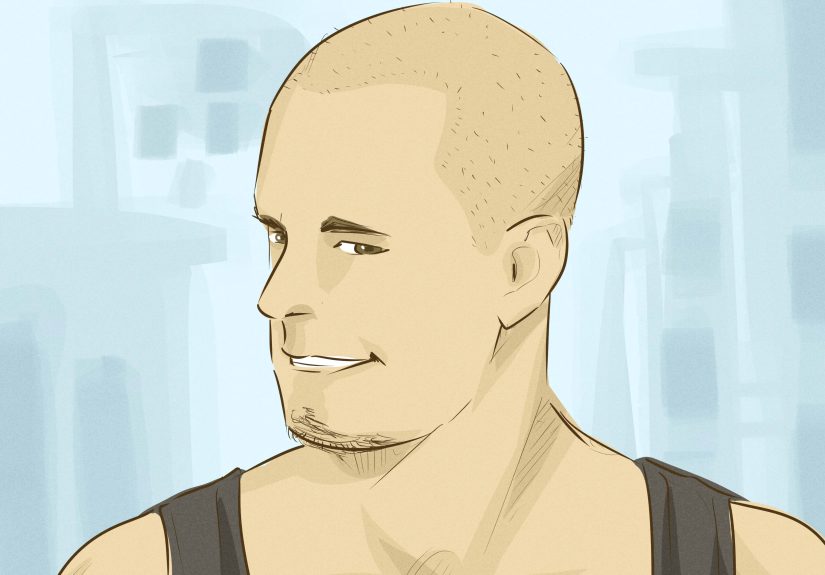
A receding hairline is one of the classic early signs of male pattern baldness. It often begins at the temples and may slowly form an “M” shape. Some people call this a mature hairline, and yes, hairlines can naturally shift a little with age. But if the corners keep creeping backward over months or years, it may be more than a new face-framing feature.
Stand in front of a mirror with your hair dry and pulled gently back. Look at the temples, forehead, and center hairline. Do not judge from one angle or one bad hair day. Take a clear photo in similar lighting every month. If your forehead seems taller only in selfies taken from below, blame the camera. If the hairline is clearly moving backward in consistent photos, that is a stronger clue.
3. Look Closely at the Crown of Your Head
The crown, or vertex, is sneaky. You do not see it every time you pass a mirror, which gives it plenty of time to act innocent. Crown thinning often starts as a small area where the scalp becomes easier to see, especially under bright light or after hair is wet.
Use a handheld mirror or ask someone you trust to take a photo of the top and back of your head. Compare the crown to the sides of your scalp. In pattern hair loss, the sides and back often stay denser while the top and crown thin. If the crown looks wider, flatter, or more scalp-heavy than before, document it and keep watching.
4. Notice Whether Your Part Is Getting Wider
For many women and some men with longer hair, early thinning appears as a widening part rather than a receding hairline. The part may look like it has upgraded from a pencil line to a small sidewalk. Hair around the part can also look finer, flatter, or less dense.
To check, part your hair in the same place after washing and drying it. Take a photo from above in the same lighting each month. If the part is gradually widening or the scalp is becoming more visible along the top of the head, it may point to female pattern hair loss or diffuse thinning.
5. Compare Hair Density in Different Areas
Hair loss is not always evenly distributed. Pattern baldness often affects the hairline, temples, crown, or top of the scalp more than the sides and back. Telogen effluvium, a common shedding condition after stress or illness, often causes more diffuse shedding across the scalp.
Run your fingers through the top, sides, and back of your hair. Does the top feel noticeably thinner? Does your scalp show through more on the crown than near the ears? Does your hair look see-through under light even when dry? These comparisons can help you describe the problem more clearly if you see a dermatologist.
6. Pay Attention to Hair Miniaturization
Miniaturization is a fancy word for hair strands becoming thinner, shorter, and weaker over time. In androgenetic alopecia, commonly called male or female pattern hair loss, affected follicles may produce finer hairs with each growth cycle. Your hair may not simply “fall out”; it may shrink in quality first.
Look at strands from different areas. Hair from the sides may be thicker, while hair from the top may look wispy or baby-fine. You may also notice your hairstyle no longer holds volume, your bangs separate more easily, or your usual haircut suddenly looks less full. If your hair seems to be quietly switching from “forest” to “decorative grass,” miniaturization may be part of the story.
7. Watch for Sudden Shedding After Stress, Illness, or Major Changes
Not all hair loss is genetic balding. Sudden shedding can happen a few months after a physical or emotional stressor. Common triggers may include fever, surgery, childbirth, major weight loss, severe stress, nutritional deficiencies, or some medications. This type of shedding is often called telogen effluvium.
The timeline matters. If you had a major illness, stressful event, crash diet, or medical change two to three months ago, and now you are shedding more than usual, the cause may be temporary shedding rather than permanent balding. That does not mean you should ignore it, especially if it continues, but it does mean the pattern is different from slow hereditary hair loss.
8. Check for Patchy Bald Spots
Round or oval bald patches are not typical early pattern baldness. They may suggest alopecia areata, an autoimmune-related hair loss condition, or another scalp disorder. These patches can appear suddenly and may be smooth, with little or no irritation. In some cases, hair loss may also affect the beard, eyebrows, eyelashes, or body hair.
If you see one or more clear bald spots, do not wait months while hoping your hair is just “taking a personal day.” A dermatologist can examine the scalp and discuss appropriate treatment options. Patchy hair loss is one of the situations where getting evaluated earlier is usually smarter than guessing.
9. Look for Scalp Symptoms Like Itching, Burning, Scaling, or Pain
Classic pattern hair loss usually does not cause intense itching, burning, crusting, pain, or scarring. If your scalp feels inflamed, tender, flaky, or irritated, something else may be going on, such as infection, dermatitis, psoriasis, fungal disease, or a scarring type of alopecia.
Scalp symptoms are important because some inflammatory or scarring conditions can lead to permanent hair loss if untreated. If the scalp is red, painful, oozing, scaly, or developing shiny scar-like areas, make an appointment with a medical professional. Hair drama is one thing; scalp inflammation deserves a proper investigation.
10. Review Your Hairstyles, Hair Habits, and Products
Traction alopecia happens when repeated pulling damages hair follicles. Tight ponytails, buns, braids, cornrows, locs, extensions, weaves, and styles that tug at the hairline can contribute to thinning, especially around the temples and edges.
Ask yourself: Does your hairstyle feel tight? Do you get headaches from it? Are the edges thinning where tension is strongest? Do you see broken hairs around the hairline? If yes, give your scalp a break. Looser styles, reduced heat, gentler brushing, and avoiding constant tension can help prevent further damage. When caught early, traction-related hair loss may improve, but long-term pulling can cause lasting follicle damage.
11. Track Changes With Photos Before You Decide
Your memory is not always reliable, especially when anxiety enters the chat. One day you may think your hairline is fine; the next day, one weird shadow convinces you that your forehead has doubled in size. Photos create evidence.
Take monthly photos in the same lighting, same angle, same hairstyle, and same hair condition. Include the front hairline, temples, crown, part line, and side profile. Do not take 47 photos a day under harsh lighting. That way lies madness and a full camera roll of scalp close-ups. Monthly documentation is enough to reveal real change without feeding panic.
Common Signs You May Be Going Bald
Several signs become more meaningful when they appear together and progress over time. These include a receding hairline, thinning at the crown, a widening part, visible scalp under normal lighting, reduced ponytail thickness, more hair shedding than usual, and finer strands on the top of the head.
One sign alone does not always mean balding. Wet hair naturally shows more scalp. Bright overhead lighting can expose even normal density. A new haircut can make hair look thinner. Seasonal shedding can happen. The key is pattern, progression, and persistence.
When Hair Loss Is Probably Not Pattern Baldness
Hair loss may have many causes. If shedding starts suddenly, appears in patches, comes with scalp pain, follows a major stressor, or happens with symptoms like fatigue, irregular periods, unexpected weight change, or skin changes, it may not be simple hereditary hair loss.
Possible causes can include thyroid disease, iron deficiency, hormonal imbalance, autoimmune disease, scalp infection, medication side effects, nutritional problems, or stress-related shedding. This is why a diagnosis matters. Buying random hair vitamins without knowing the cause is like putting premium gas in a car with a flat tire. It may feel productive, but it may not solve the actual problem.
When to See a Dermatologist
Consider seeing a board-certified dermatologist if your hair loss is sudden, patchy, painful, itchy, rapidly worsening, or emotionally distressing. You should also get evaluated if you notice scalp redness, scaling, scarring, or bald patches; if you are a woman with new facial hair, acne, or irregular periods; or if hair loss begins after a new medication or health change.
A dermatologist may examine your scalp, perform a hair-pull test, use magnification, ask about your medical history, or order blood tests. In some cases, a scalp biopsy may be needed. The goal is to identify the type of hair loss, because treatment depends on the cause.
What You Can Do If You Are Going Bald
If you are noticing early pattern hair loss, timing matters. Treatments tend to work best when started before extensive thinning occurs. Common options include topical minoxidil, prescription finasteride for appropriate male patients, low-level laser devices, anti-androgen medications for certain women, platelet-rich plasma therapy, and hair transplantation in selected cases.
Minoxidil is available over the counter and may help stimulate hair growth in certain types of pattern hair loss, but it usually takes months to see results and must be continued to maintain benefits. Finasteride is a prescription medication used for male pattern hair loss and should be discussed with a clinician because it is not right for everyone. The best treatment plan depends on your age, sex, diagnosis, health history, goals, and risk tolerance.
Also, be careful with miracle cures. If a product promises to regrow a full head of hair in seven days, restore your teenage hairline by Friday, or “wake up dead follicles” with secret ancient space herbs, step away from the checkout button. Hair regrowth is possible in some cases, but real treatments require patience and realistic expectations.
Real-Life Experiences: What People Often Notice First
Many people do not notice hair loss because of one dramatic moment. It usually begins with small, slightly annoying changes that are easy to dismiss. A guy may realize his barber is spending less time blending the temples. A woman may notice that her center part looks wider in vacation photos. Someone with curly hair may find their usual volume has become flatter, even though the length is the same. Another person may see more scalp when standing under elevator lights, which are apparently designed by people who hate everyone.
One common experience is the “photo shock.” In the mirror, hair can look normal because you naturally adjust your angle. But a photo taken from above, behind, or under bright light may reveal thinning at the crown or part line. This does not automatically mean severe balding, but it can be the first clear clue. The useful response is not panic; it is documentation. Take a matching photo each month. If the same area keeps looking thinner, you have a trend worth discussing with a professional.
Another common experience is the “brush panic.” Someone sees a clump of hair after shampooing and assumes the worst. But if they washed their hair after several days, wore a tight style, or brushed less often, loose hairs may collect and come out all at once. The better question is whether shedding is consistently higher than usual and whether density is decreasing. A one-time hairball is not proof. A steady increase over weeks or months deserves attention.
People with longer hair often notice ponytail changes. The ponytail may feel thinner, the elastic may wrap around more times, or the bun may look smaller. This can happen with female pattern hair loss, telogen effluvium, postpartum shedding, nutritional issues, or other causes. Because several conditions can look similar at first, it is helpful to pair this observation with other clues: Is the part widening? Is shedding sudden? Are there scalp symptoms? Did a major stressor happen a few months ago?
Hairline changes can be emotionally tricky. A maturing hairline can happen gradually and may not progress into major baldness. Male pattern hair loss, however, often keeps moving at the temples or crown. Many people compare themselves to old photos and realize their corners have shifted. That comparison can be useful, but choose similar photos. Wet hair, different hairstyles, harsh lighting, and camera distortion can exaggerate changes.
The most helpful experience many people share is this: once they stopped guessing and started tracking, the situation felt less overwhelming. Whether the result was normal shedding, treatable thinning, or early pattern hair loss, having information made the next step clearer. Hair loss can feel personal, but it is also common, medical, and often manageable. Your scalp is not betraying you. It may simply be asking for a little expert attention.
Conclusion
Figuring out how to tell if you’re going bald starts with calm observation. Look for gradual changes in your hairline, crown, part, density, and strand thickness. Pay attention to sudden shedding, scalp symptoms, tight hairstyles, bald patches, and recent health changes. Most importantly, track your hair over time instead of judging it from one stressful mirror moment.
If your hair loss is persistent, sudden, patchy, painful, or concerning, see a dermatologist. Early evaluation can help identify the cause and improve your chances of protecting the hair you still have. And remember: noticing hair loss does not mean you are doomed to a future of hat shopping. It means you have information, and information is a much better look than panic.