Table of Contents >> Show >> Hide
- What Is a Bruised Muscle?
- Common Causes of Muscle Contusions
- Bruised Muscle Symptoms
- Bruised Muscle vs. Muscle Strain: What’s the Difference?
- How Serious Is a Muscle Contusion?
- First Aid for a Bruised Muscle
- What Not to Do After a Muscle Bruise
- Pain Relief Options
- When to See a Doctor for a Bruised Muscle
- How Doctors Diagnose a Muscle Contusion
- Bruised Muscle Treatment and Recovery
- How Long Does a Bruised Muscle Take to Heal?
- Possible Complications
- Can You Prevent Muscle Contusions?
- Real-Life Recovery Experiences and Practical Lessons
- Frequently Asked Questions
- Conclusion
Note: This article is for general educational purposes and should not replace medical advice. If pain is severe, swelling is sudden, movement is limited, or symptoms do not improve, contact a healthcare professional.
A bruised muscle sounds harmless until you try to climb stairs, lift a grocery bag, or sit down after bumping your thigh into the corner of a coffee table with the personality of a linebacker. A muscle contusion, commonly called a bruised muscle, happens when a direct blow crushes muscle fibers and small blood vessels beneath the skin. The skin may not break, but underneath, your body is doing a lot of cleanup work.
Most muscle bruises are mild and heal with simple home care. Still, some contusions can be deeper, more painful, and slower to recoverespecially in large muscles such as the thigh, calf, upper arm, or shoulder. Knowing the difference between “annoying bruise” and “please get this checked” can help you recover faster and avoid making the injury worse.
What Is a Bruised Muscle?
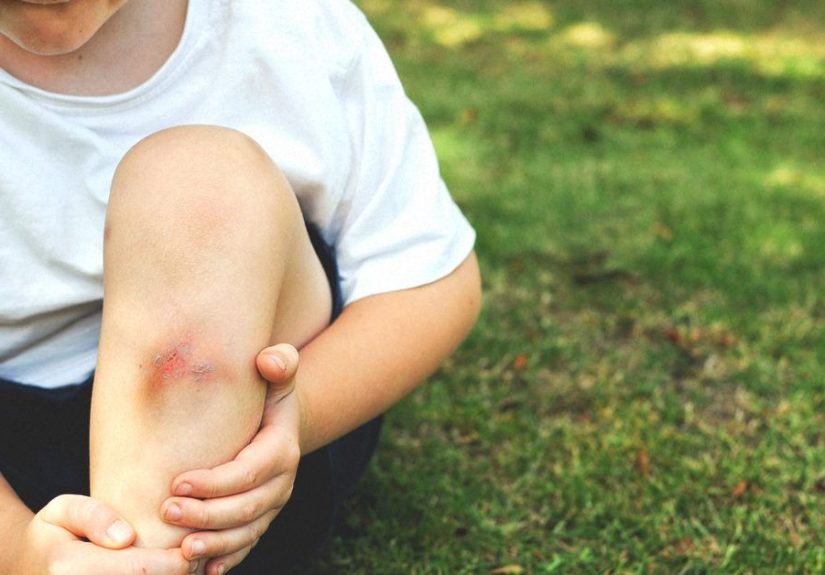
A bruised muscle, or muscle contusion, is an injury caused by blunt force trauma. Instead of tearing the skin, the impact damages muscle tissue and tiny blood vessels underneath. Blood and fluid may leak into the surrounding tissue, causing pain, swelling, tenderness, stiffness, and discoloration.
Muscle contusions are common in contact sports, falls, car accidents, gym mishaps, and everyday collisions with furniture that clearly moved on purpose. Athletes often get them in the thigh, hip, calf, shoulder, or upper arm, but anyone can bruise a muscle from a direct hit.
Common Causes of Muscle Contusions
The main cause of a muscle contusion is a direct blow. Unlike a muscle strain, which usually happens when a muscle is overstretched or torn, a contusion happens from impact.
Everyday causes include:
- Falling onto a hard surface
- Bumping into furniture, doors, or equipment
- Being hit by a ball, helmet, elbow, or knee during sports
- Car, bike, or scooter accidents
- Dropping something heavy against a muscle
- Workplace or exercise-related impact injuries
Large muscles can absorb a lot of force, which is useful when you are moving through life, but not so fun when they take a direct hit. The quadriceps muscle in the front of the thigh is one of the most common places for a deep muscle bruise, especially in football, soccer, hockey, basketball, and martial arts.
Bruised Muscle Symptoms
Symptoms can appear right away or become more noticeable over several hours. A mild muscle bruise may feel sore and tender, while a severe contusion can make normal movement difficult.
Common symptoms include:
- Pain at the injury site
- Tenderness when pressing the area
- Swelling or a firm lump under the skin
- Bruising or skin discoloration
- Stiffness or reduced range of motion
- Weakness in the affected muscle
- Pain when stretching or using the muscle
- Muscle spasms in some cases
The bruise may change color as it heals. It might begin red or purple, then turn blue, green, yellow, or brown before fading. That color show is not your body being dramatic; it is part of the normal breakdown and reabsorption of blood under the skin.
Bruised Muscle vs. Muscle Strain: What’s the Difference?
A bruised muscle and a muscle strain can feel similar, but they are not the same injury.
A muscle contusion happens after a direct hit. The muscle fibers and blood vessels are crushed, causing bleeding under the skin or deeper in the tissue.
A muscle strain happens when a muscle or tendon is overstretched or torn. This often occurs during sprinting, lifting, jumping, or sudden twisting.
Here is the quick way to remember it: if something hit you, think contusion. If you moved wrong and felt a pull, think strain. Of course, life enjoys being complicated, so both can happen together. A healthcare provider can help sort it out if symptoms are severe or confusing.
How Serious Is a Muscle Contusion?
Muscle contusions are often grouped as mild, moderate, or severe.
Mild contusion
A mild bruised muscle causes soreness, slight swelling, and minor stiffness. You can usually move the area, although it may complain loudly. Many mild contusions improve within several days to about a week.
Moderate contusion
A moderate contusion causes more pain, visible swelling, and noticeable loss of movement. Walking, bending, lifting, or stretching may be uncomfortable. Recovery may take several weeks.
Severe contusion
A severe muscle contusion can cause significant swelling, deep pain, weakness, and major limitation in movement. In some cases, a large collection of blood called a hematoma may form. Severe contusions need medical evaluation, especially if the injured area becomes very tight, numb, or increasingly painful.
First Aid for a Bruised Muscle
The first 24 to 48 hours matter. Your goal is to reduce swelling, protect the tissue, control pain, and avoid turning a manageable bruise into a longer-running drama series.
Use the PRICE method
Protection: Stop the activity that caused the injury. Protect the area from another hit. If walking hurts, reduce weight-bearing and consider medical advice.
Rest: Rest the injured muscle, but do not become a statue. Gentle movement is often helpful once pain allows, but hard training or heavy lifting too soon can delay healing.
Ice: Apply an ice pack wrapped in a towel for 15 to 20 minutes at a time. Repeat several times during the first day or two. Never place ice directly on bare skin unless you want a second problem.
Compression: Use an elastic bandage or compression wrap if swelling is present. It should feel supportive, not like a boa constrictor audition. Loosen it if you notice numbness, tingling, increased pain, or color changes.
Elevation: Raise the injured area above heart level when possible. Elevation helps reduce swelling by encouraging fluid to move away from the injured tissue.
What Not to Do After a Muscle Bruise
Some well-meaning recovery habits can backfire in the early phase of a contusion.
- Do not massage the injured area early. Deep rubbing may increase bleeding and irritation.
- Do not apply heat during the first 24 to 48 hours. Heat may increase blood flow and swelling too soon.
- Do not keep playing through sharp pain. Toughness is admirable; turning a bruise into a bigger injury is not.
- Do not wrap too tightly. Compression should support, not cut off circulation.
- Do not ignore numbness, severe swelling, or worsening pain. These symptoms need medical attention.
Pain Relief Options
For mild pain, acetaminophen may help. Some people use nonsteroidal anti-inflammatory drugs, such as ibuprofen or naproxen, but these are not right for everyone. People with stomach ulcers, kidney disease, bleeding disorders, certain heart conditions, or those taking blood thinners should ask a healthcare professional before using them.
Also, never give aspirin to children or teenagers unless a clinician specifically recommends it. When in doubt, ask a pharmacist, doctor, or qualified healthcare provider what is safest for your situation.
When to See a Doctor for a Bruised Muscle
Many bruised muscles heal at home, but some need a closer look. See a healthcare provider if you have:
- Severe pain or pain that keeps getting worse
- Rapid swelling or a tight, firm feeling in the muscle
- Numbness, tingling, or weakness
- Difficulty walking, bending, lifting, or using the injured area
- A large lump or suspected hematoma
- Bruising with no clear injury
- Frequent unexplained bruising
- Signs of infection, such as warmth, redness, fever, or drainage
- Pain that does not improve after a few days of home care
Seek urgent medical care if the injury follows a major accident, if you cannot bear weight, if the limb looks deformed, or if pain is extreme. These signs may point to a fracture, tendon injury, compartment syndrome, or another condition that needs prompt treatment.
How Doctors Diagnose a Muscle Contusion
A clinician will usually ask how the injury happened, when symptoms started, what movements hurt, and whether you have numbness, weakness, or trouble using the area. They may examine the bruised muscle, compare both sides of the body, and check range of motion and strength.
Imaging is not always needed for a simple bruise. However, an X-ray may be used if a fracture is possible. Ultrasound or MRI may be considered for deeper injuries, large hematomas, uncertain diagnoses, or athletes who need a more detailed return-to-play plan.
Bruised Muscle Treatment and Recovery
Treatment depends on the severity of the contusion. Mild injuries usually need home care, patience, and a temporary break from activities that trigger pain. Moderate or severe injuries may require medical supervision, physical therapy, crutches, bracing, or a structured rehabilitation plan.
Phase 1: Calm the injury
During the first couple of days, focus on protection, rest, ice, compression, and elevation. Avoid aggressive stretching, deep massage, and intense exercise.
Phase 2: Restore movement
As pain and swelling improve, gentle range-of-motion exercises can help prevent stiffness. For a bruised thigh, this may include carefully bending and straightening the knee. For a bruised shoulder or arm, gentle pendulum or mobility movements may be recommended.
Phase 3: Rebuild strength
Once movement is comfortable, strengthening exercises may be added gradually. The key word is gradually. Your muscle is repairing, not auditioning for a superhero reboot.
Phase 4: Return to activity
You can usually return to sports or exercise when you have full pain-free movement, normal strength, no significant swelling, and can perform sport-specific movements without limping, guarding, or wincing like you just stepped on a Lego.
How Long Does a Bruised Muscle Take to Heal?
Healing time depends on the location and severity of the injury. A mild muscle contusion may feel much better within five to seven days. A moderate contusion can take two to four weeks. A severe contusion may take four to six weeks or longer, especially if the muscle was deeply bruised or the person returned to activity too soon.
Bruising on the skin may fade before the muscle fully recovers. This is important: just because the color looks better does not always mean the muscle is ready for hard activity. Pain, strength, flexibility, and function matter more than the bruise’s paint job.
Possible Complications
Most muscle contusions heal without complications. Still, deeper or severe bruises can sometimes lead to problems.
Hematoma
A hematoma is a larger collection of blood within the tissue. It may feel like a firm lump and can take longer to resolve. Large or painful hematomas should be evaluated by a healthcare provider.
Myositis ossificans
Myositis ossificans is a rare complication where bone-like tissue forms inside the injured muscle after trauma. It is more likely after severe contusions, especially in the thigh or upper arm. Warning signs include pain, swelling, and stiffness that do not improve as expected.
Compartment syndrome
Compartment syndrome is rare but serious. It happens when pressure builds inside a muscle compartment and affects blood flow and nerves. Severe pain, tight swelling, numbness, tingling, or weakness after an injury should be treated as urgent.
Can You Prevent Muscle Contusions?
You cannot prevent every bruise unless you plan to live inside bubble wrap, which is not practical and probably not fashionable. But you can reduce risk.
- Wear proper protective gear for sports.
- Warm up before exercise or competition.
- Strengthen muscles around commonly injured areas.
- Use good technique during training and contact sports.
- Keep walkways clear to reduce falls.
- Increase workout intensity gradually.
- Rest when tired, because sloppy movement invites injury.
Real-Life Recovery Experiences and Practical Lessons
Muscle contusions are one of those injuries that teach patience in a very personal way. Many people underestimate them because the word “bruise” sounds minor. A small bruise on the shin may be no big deal, but a deep thigh contusion can make walking, sitting, climbing stairs, and getting into a car feel like advanced engineering.
One common experience is the delayed surprise. Right after the impact, the person may think, “That hurt, but I’m fine.” A few hours later, swelling arrives, stiffness settles in, and the muscle starts acting like it has filed a formal complaint. This is why early care matters. Stopping activity, icing the area, and using light compression can make the next day less miserable.
Another lesson is that bruised muscles dislike impatience. Someone may feel better after three or four days and jump straight back into running, soccer, heavy squats, or weekend basketball. Then the pain returns, sometimes louder than before. A smarter approach is to test the muscle step by step. Can you walk normally? Can you bend and straighten the nearby joint without pain? Can you lightly stretch? Can you do easy strengthening movements? If the answer is no, intense activity is not the next logical step.
People also learn that color is not the full story. A bruise may look dramatic but feel mild, or look small while the deeper muscle is very sore. The body’s surface does not always reveal what is happening underneath. Function is the better guide. If movement is improving and pain is decreasing, recovery is likely moving in the right direction. If swelling grows, pain worsens, or numbness appears, it is time to get medical advice.
For athletes, the hardest part is often sitting out. Nobody enjoys missing practice or games, especially when the injury seems “just a bruise.” But returning too early can prolong recovery and raise the risk of complications. Coaches, parents, and teammates should take deep contusions seriously. A player who is limping, guarding the area, or unable to sprint should not be pushed back into action.
At home, small habits help. Keep ice packs ready, use a towel barrier, elevate the injured area while watching TV or studying, and avoid poking the bruise every ten minutes to “check it.” Spoiler: it will still be sore. Sleep, hydration, and balanced meals also support tissue repair. Healing is not magic; it is biology doing construction work, and construction crews appreciate decent supplies.
The biggest takeaway from real-world muscle bruise recovery is simple: respect the injury without panicking. Most bruised muscles heal well, but they heal best when you protect them early, move gradually, and listen to warning signs. Your muscle does not need heroic speeches. It needs time, smart care, and maybe a temporary truce with stairs.
Frequently Asked Questions
Is a bruised muscle the same as a regular bruise?
Not exactly. A regular skin bruise affects small blood vessels near the surface. A bruised muscle involves deeper soft tissue and may cause more pain, stiffness, swelling, and movement problems.
Should I stretch a bruised muscle?
Avoid aggressive stretching right after the injury. Gentle range-of-motion movement may be helpful once pain and swelling begin to improve. If stretching increases pain, stop and wait.
Can I exercise with a muscle contusion?
Light activity may be okay if it does not increase pain, but avoid intense exercise, impact, heavy lifting, or sports until movement and strength return. When in doubt, get guidance from a healthcare provider or physical therapist.
Should I use heat or ice?
Use ice during the first 24 to 48 hours to help with pain and swelling. Heat may be useful later for stiffness, but avoid heat early when swelling is active.
Why is my bruise moving downward?
Bruising can spread or appear lower than the injury because gravity pulls leaked blood and fluid downward. This can be normal, but worsening pain, swelling, or numbness should be checked.
Conclusion
A bruised muscle, or muscle contusion, is usually caused by a direct blow that damages muscle fibers and small blood vessels beneath the skin. Symptoms often include pain, tenderness, swelling, stiffness, weakness, and discoloration. Most mild muscle contusions heal with protection, rest, ice, compression, elevation, and gradual movement. The key is not rushing recovery just because the bruise looks better.
Seek medical care if pain is severe, swelling increases quickly, movement is limited, numbness or tingling develops, or the bruise appears without a clear injury. With smart early care and a patient return to activity, most people recover fully and get back to daily life, sports, and stairs that no longer feel like a personal enemy.