Table of Contents >> Show >> Hide
- What Is Thyroid Gland Removal?
- Why Would Someone Need Thyroid Removal?
- How to Prepare for Thyroidectomy
- What Happens During Thyroid Gland Removal?
- Common Side Effects After Thyroid Removal
- Potential Risks and Complications
- Recovery Timeline After Thyroidectomy
- Life After Thyroid Removal
- When to Call a Doctor After Thyroid Surgery
- Practical Tips for a Smoother Recovery
- Patient-Style Experiences: What Thyroid Removal Can Feel Like in Real Life
- Conclusion
- SEO Tags
Medical note: This article is for general education only. Thyroid surgery is a major medical decision, and your surgeon, endocrinologist, and care team should always be your main source of guidance.
The thyroid may be small, but it behaves like the body’s thermostat, energy manager, and quiet backstage director all at once. This butterfly-shaped gland sits at the front of the neck and produces hormones that help regulate metabolism, heart rate, body temperature, digestion, and overall energy. So when a doctor recommends thyroid gland removal, also called thyroidectomy, it is normal to have questionsand possibly a few dramatic thoughts such as, “Wait, you want to remove the thing that helps run my whole body?”
The good news is that thyroidectomy is a common and well-established procedure. It may be performed to treat thyroid cancer, large goiters, suspicious thyroid nodules, Graves’ disease, overactive thyroid conditions, or growths that make swallowing or breathing difficult. Depending on the condition, a surgeon may remove part of the thyroid or the entire gland. Life after thyroid removal can be very manageable, especially with proper follow-up, thyroid hormone replacement when needed, and a realistic recovery plan.
This guide explains what thyroid gland removal involves, how to prepare, what happens during surgery, possible side effects, recovery timelines, warning signs, and practical patient-style experiences that can help make the process feel less mysterious.
What Is Thyroid Gland Removal?
Thyroid gland removal is surgery to remove all or part of the thyroid gland. The medical name is thyroidectomy. The exact type of surgery depends on the diagnosis, the size of the thyroid, whether nodules are present, and whether cancer or hyperthyroidism is involved.
Types of Thyroidectomy
The most common types include:
- Total thyroidectomy: The entire thyroid gland is removed. This is often recommended for some thyroid cancers, Graves’ disease, or large goiters. After total thyroidectomy, lifelong thyroid hormone replacement is usually required.
- Partial thyroidectomy: Only part of the thyroid is removed. This may be used for certain nodules or disease limited to one side.
- Lobectomy: One lobe of the thyroid is removed. The thyroid has two lobes, and removing one may be enough for selected nodules or small, low-risk cancers.
- Isthmusectomy: The narrow bridge of tissue between the two thyroid lobes, called the isthmus, is removed. This is less common and depends on the location of the problem.
In simple terms, thyroidectomy is not a “one-size-fits-all” operation. A good surgical plan is more like a tailored jacket than a grocery-store poncho: it should fit the person, the diagnosis, and the long-term treatment goals.
Why Would Someone Need Thyroid Removal?
Doctors may recommend thyroid surgery for several reasons. Some are urgent, while others involve careful discussion and shared decision-making.
Thyroid Cancer
Thyroidectomy is a common treatment for many thyroid cancers. Depending on the type, size, spread, and risk level, surgery may involve removing one lobe or the entire thyroid. Some people may also need lymph node removal, radioactive iodine therapy, or long-term monitoring after surgery.
Large Goiter
A goiter is an enlarged thyroid gland. Some goiters are harmless but annoying, like a roommate who keeps leaving shoes in the hallway. Others can press on the windpipe or esophagus, causing trouble breathing, swallowing, or speaking. If a goiter is large or symptomatic, surgery may be recommended.
Suspicious Thyroid Nodules
Thyroid nodules are lumps in the thyroid. Most are benign, but some look suspicious on ultrasound or biopsy. When testing cannot clearly rule out cancer, removing part or all of the thyroid may help provide a diagnosis and treatment.
Hyperthyroidism and Graves’ Disease
Hyperthyroidism means the thyroid produces too much hormone. Graves’ disease is an autoimmune cause of hyperthyroidism. When medication or radioactive iodine is not suitable, not tolerated, or not preferred, thyroidectomy may be an option.
How to Prepare for Thyroidectomy
Preparation starts before the operating room. Your care team may order blood tests, imaging, vocal cord evaluation, medication adjustments, and a review of your medical history. If you take blood thinners, aspirin, certain supplements, or anti-inflammatory medications, your surgeon may give specific instructions about when to stop them.
Questions to Ask Before Surgery
- Will I need a total thyroidectomy or partial thyroidectomy?
- How many thyroid surgeries does the surgeon perform each year?
- Will lymph nodes need to be removed?
- What are my risks of low calcium or voice changes?
- Will I need thyroid hormone medication afterward?
- How long should I take off work?
- What symptoms after surgery should prompt an urgent call?
It is also wise to prepare your home. Stock soft foods, arrange transportation, place frequently used items at waist height, and set up a comfortable sleeping area with extra pillows. Your future recovering self will appreciate this. Your future recovering self may also wonder why you did not buy more soup.
What Happens During Thyroid Gland Removal?
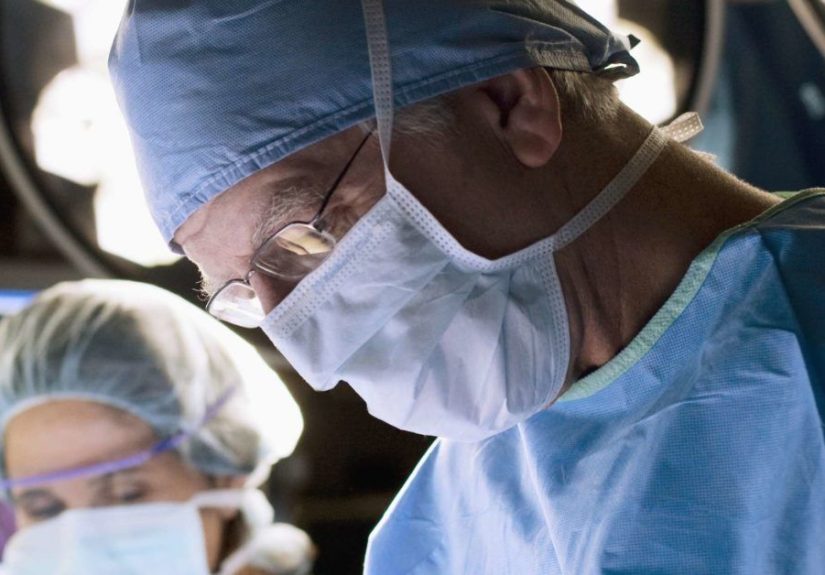
Thyroidectomy is usually performed under general anesthesia, meaning you are asleep during the operation. The surgeon commonly makes an incision in the lower front part of the neck, often along a natural skin crease so the scar can become less noticeable over time.
During the procedure, the surgeon carefully separates the thyroid from nearby structures. Two areas receive special attention: the recurrent laryngeal nerves, which help control the vocal cords, and the parathyroid glands, which help regulate calcium levels. These structures are small, important, and not interested in being disturbed.
The length of surgery varies depending on the type of thyroidectomy, gland size, scar tissue, lymph node involvement, and surgical complexity. Some patients go home the same day, while others stay overnight so the team can monitor breathing, bleeding, pain, and calcium levels.
Common Side Effects After Thyroid Removal
Most side effects after thyroid surgery are temporary and improve with time. Still, knowing what to expect can prevent panic-googling at 2 a.m., which is rarely a peaceful hobby.
Neck Pain and Tightness
Mild to moderate neck discomfort is common after surgery. The incision, positioning during surgery, and muscle irritation can cause stiffness. Pain usually improves over several days and is often managed with prescribed medication or over-the-counter pain relief approved by the surgeon.
Sore Throat and Trouble Swallowing
A sore throat may occur from the breathing tube used during anesthesia. Some people also feel tightness when swallowing. Soft foods, cool drinks, and slow eating can help during the first few days.
Hoarseness or Voice Changes
Temporary hoarseness is common after thyroidectomy. It may result from irritation, swelling, the breathing tube, or stress near the vocal cord nerves. Most voice changes improve, but persistent hoarseness should be evaluated. Professional voice users, such as singers, teachers, speakers, and podcasters, should discuss voice risks with the surgeon before the procedure.
Low Calcium Symptoms
The parathyroid glands sit behind or near the thyroid and regulate calcium. After surgery, they may become temporarily stunned. Low calcium can cause tingling around the lips, numbness in the fingers or toes, muscle cramps, or twitching. Some patients need calcium and vitamin D supplements after surgery, especially after total thyroidectomy.
Fatigue
Feeling tired after thyroid gland removal is normal. Anesthesia, healing, disrupted sleep, stress, and hormone adjustment can all contribute. Fatigue does not mean you are failing recovery. It means your body is doing construction work without asking your permission first.
Potential Risks and Complications
Thyroidectomy is generally safe when performed by an experienced surgeon, but all surgery has risks. These may include bleeding, infection, reaction to anesthesia, low calcium, scarring, and voice changes.
Bleeding or Neck Swelling
Bleeding after thyroid surgery is uncommon but can be serious because swelling in the neck may affect breathing. Sudden neck swelling, difficulty breathing, or a choking sensation requires urgent medical attention.
Infection
Infection is not common, but it can happen. Warning signs include worsening redness, warmth, pus, fever, or increasing pain around the incision.
Hypothyroidism
After total thyroidectomy, the body can no longer make thyroid hormone. This causes hypothyroidism unless thyroid hormone replacement is taken. Symptoms of low thyroid hormone may include fatigue, weight gain, constipation, dry skin, cold intolerance, brain fog, and low mood. Medication can replace the missing hormone and is usually monitored with blood tests.
Permanent Voice or Calcium Problems
Permanent vocal cord nerve injury or long-term hypoparathyroidism is less common than temporary symptoms, but it can occur. This is why choosing an experienced thyroid surgeon and attending follow-up visits are so important.
Recovery Timeline After Thyroidectomy
Recovery varies by person, but most people notice steady improvement over the first few weeks. The timeline below gives a general idea of what to expect.
First 24 Hours
You will wake up in a recovery area where nurses monitor your breathing, blood pressure, pain level, incision, and sometimes calcium. You may feel groggy, thirsty, sore, or mildly nauseated. Your voice may sound rough, as if you just delivered a dramatic monologue in a dusty theater.
First Week
The first week is usually about rest, gentle movement, wound care, and medication routines. Many people sleep with the head elevated to reduce swelling. Walking is encouraged, but heavy lifting, strenuous exercise, and sudden neck strain are usually restricted.
Weeks Two to Four
Energy often improves, though some fatigue may continue. Many people return to desk work within one to two weeks, depending on the extent of surgery and their job demands. Physically demanding jobs may require more time. Always follow your surgeon’s restrictions.
Long-Term Recovery
Long-term recovery focuses on scar healing, thyroid hormone balance, calcium stability, and follow-up testing. If the entire thyroid was removed, thyroid hormone medication becomes part of daily life. The dose may need adjustment until blood tests show the right balance.
Life After Thyroid Removal
Many people live full, active, normal lives after thyroidectomy. The key is consistency. Take thyroid medication exactly as directed, usually on an empty stomach with water, and separate it from calcium, iron, and certain other medications as instructed by your clinician. Small details matter because absorption affects hormone levels.
Follow-up care may include thyroid-stimulating hormone tests, calcium checks, incision evaluation, and cancer surveillance if surgery was done for thyroid cancer. Patients who had partial thyroid removal may or may not need thyroid hormone replacement, depending on how well the remaining thyroid tissue works.
When to Call a Doctor After Thyroid Surgery
Contact your healthcare team promptly if you notice:
- Difficulty breathing or sudden neck swelling
- Bleeding from the incision
- Fever or chills
- Increasing redness, warmth, drainage, or pain
- Severe tingling, numbness, cramps, or muscle spasms
- Persistent or worsening hoarseness
- Chest pain, fainting, or confusion
Do not try to “tough it out” with symptoms that may signal bleeding, airway problems, or low calcium. This is not the moment to audition for a superhero franchise.
Practical Tips for a Smoother Recovery
Choose Soft, Easy Foods
Soups, smoothies, yogurt, scrambled eggs, oatmeal, mashed potatoes, and soft pasta can be easier to swallow early on. Avoid very scratchy, spicy, or dry foods until your throat feels better.
Protect the Incision
Follow wound care instructions carefully. Do not scrub the incision. Once your surgeon allows it, protect the healing scar from sunlight with clothing or sunscreen. Sun exposure can darken scars.
Move, But Do Not Overdo It
Gentle walking supports circulation and reduces stiffness. Heavy lifting, vigorous workouts, and intense neck movements should wait until your surgeon clears them.
Track Medication and Symptoms
Use a pill organizer, phone reminder, or notebook. Record symptoms such as tingling, fatigue, mood changes, palpitations, constipation, or sleep changes. These details can help your doctor adjust medication.
Patient-Style Experiences: What Thyroid Removal Can Feel Like in Real Life
Although every thyroidectomy story is different, many people describe a similar emotional arc: worry before surgery, surprise at how tight the neck feels afterward, impatience during the tired phase, and relief once daily routines begin to feel normal again. The experience is not usually one dramatic movie scene. It is more like a series of small adjustments, each one teaching you how to listen to your body.
Before surgery, patients often worry about their voice. This makes sense. The thyroid sits close to nerves that help control the vocal cords, and nobody wants to wake up sounding like a broken door hinge. In many cases, early hoarseness is temporary. People may describe their voice as raspy, weak, breathy, or easily tired. A teacher may notice that speaking all day feels harder. A parent may find that reading bedtime stories requires more pauses. A singer may feel anxious about pitch or stamina. The practical lesson is simple: plan for vocal rest, hydrate well, and report voice changes that do not improve.
Another common experience is the strange tightness around the incision. Some people say it feels like wearing an invisible turtleneck that is one size too small. Turning the head, looking down at a phone, or sleeping flat may feel uncomfortable for a while. Gentle movement, good pillow support, and patience usually help. The scar may look raised or pink at first, then gradually soften and fade. Healing is not instant, but it is usually much more forgiving than people expect.
Low calcium symptoms can be memorable because they feel odd: tingling lips, buzzing fingertips, or muscle cramps that seem to arrive out of nowhere. Patients who are told to take calcium after surgery should follow instructions closely and ask how to space calcium away from thyroid hormone medication. This is one of those tiny details that can make a big difference.
Fatigue may be the most underestimated part of recovery. Some people expect to bounce back after a few days and feel frustrated when their body votes no. Even when the incision looks small, the body has still gone through anesthesia, surgery, tissue healing, and hormone changes. A realistic recovery plan includes naps, shorter errands, simple meals, and permission to ignore nonessential chores. Dust can wait. Laundry can form a small mountain. Healing gets priority.
For people who need lifelong thyroid hormone replacement, the daily pill can feel like a big change at first. Over time, it often becomes routine, like brushing teeth or making coffee. The important part is consistency: same medication routine, regular lab checks, and honest communication with the clinician if symptoms appear. Some people feel balanced quickly; others need dose adjustments. That does not mean something is wrong. It means the body and medication are finding the right rhythm.
Emotionally, thyroid gland removal can bring relief, fear, gratitude, irritation, and uncertaintysometimes all before lunch. Patients facing thyroid cancer may feel especially overwhelmed by follow-up scans, lab results, and treatment decisions. Those treated for hyperthyroidism may feel relieved to escape racing heartbeats, tremors, and anxiety, yet still need time to adjust to new hormone levels. Support from family, friends, patient communities, and medical professionals can make the process less lonely.
The biggest real-life takeaway is this: thyroidectomy recovery is not only about the neck. It is about energy, voice, calcium, medication habits, follow-up care, and confidence. Most people improve step by step. The first shower feels like a victory. The first comfortable meal feels like a celebration. The first normal conversation feels reassuring. Eventually, the surgery becomes part of the health storynot the whole story.
Conclusion
Thyroid gland removal can sound intimidating, but understanding the procedure makes it far less mysterious. Thyroidectomy may involve removing part or all of the thyroid to treat cancer, nodules, goiter, Graves’ disease, or other thyroid conditions. Recovery often includes temporary neck soreness, throat irritation, hoarseness, fatigue, and careful monitoring for calcium changes. After total thyroidectomy, lifelong thyroid hormone replacement is usually necessary, but many people return to normal routines with the right medication plan and follow-up care.
The best recovery strategy is practical: choose an experienced surgeon, ask questions before surgery, prepare your home, follow wound care instructions, take medication correctly, attend follow-up visits, and call your doctor if warning signs appear. Your thyroid may be tiny, but your recovery deserves big respect.