Table of Contents >> Show >> Hide
- What Is John Lobb's Shoe Cream, Exactly?
- Why Shoe Cream Matters for Luxury Leather Shoes
- John Lobb's Shoe Cream vs. Wax Polish
- How to Use John Lobb's Shoe Cream the Right Way
- How to Choose the Right Color
- Who Should Use John Lobb's Shoe Cream?
- Common Mistakes to Avoid
- Is John Lobb's Shoe Cream Worth It?
- Practical Experience and Real-World Impressions
- Conclusion
Note: This article is original editorial content written for web publication and based on real shoe-care information.
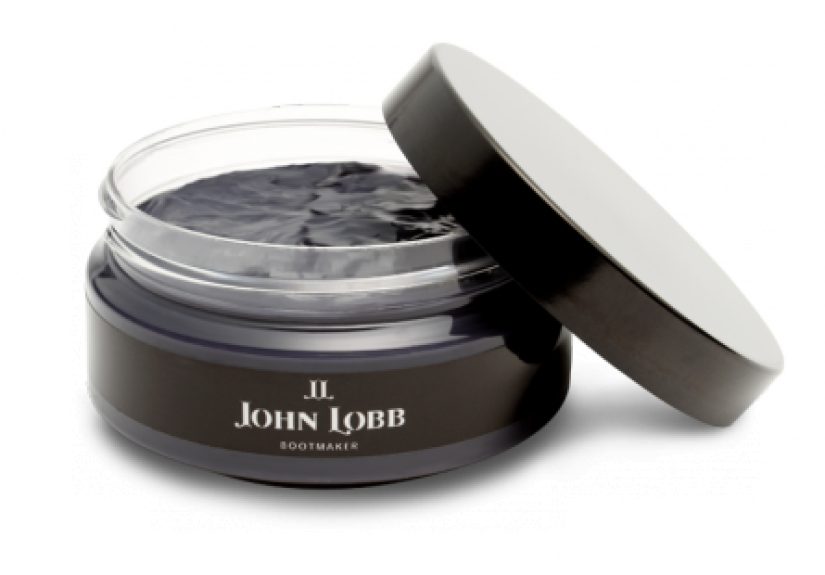
There are luxury shoes, and then there are shoes that make you stand up a little straighter when you put them on. John Lobb lives in that second category. So when people search for John Lobb’s Shoe Cream, they are not just hunting for another jar of goo to smear on their oxfords. They are looking for a product that respects fine leather, restores color without drama, and helps expensive shoes age like a movie star who drinks water and minds their business.
That is the appeal of John Lobb’s Shoe Cream. It sits in the world of premium leather shoe care, where details matter, shortcuts usually backfire, and one lazy polishing session can leave a lovely pair of shoes looking oddly tired. A good shoe cream is not magic, but it gets close. It hydrates leather, improves the appearance of scuffs, refreshes tone, and sets the stage for the sort of shine that whispers “taste” instead of shouting “I attacked these shoes with a sponge at 7:58 a.m.”
For owners of fine calfskin shoes, especially dress shoes and boots, the right cream can be one of the smartest small purchases in the wardrobe. And John Lobb’s version earns attention because it is connected to one of the most respected names in classic footwear. The product is meant to maintain the look, flexibility, and finish of quality leather, not bury it under a greasy costume.
What Is John Lobb’s Shoe Cream, Exactly?
At its core, John Lobb’s Shoe Cream is a shoe care cream for smooth leather. It is designed to feed the leather lightly, refresh the finish, and give the upper a more lively appearance after wear. In plain English, it helps leather look less thirsty and more expensive. That is useful because leather shoes lose some life every time they flex, rub, dry out, get dusty, or spend an afternoon being stepped on by the world.
Unlike a heavy wax polish, shoe cream is not mainly about creating a glassy mirror shine. It is more about maintenance. Think of it as skincare for leather rather than stage makeup. A wax polish can add sharper shine and some surface protection, but cream is what helps leather stay supple and colored in a natural-looking way. When people confuse the two, shoes often end up shiny but oddly dry underneath, which is a bit like putting lip gloss on a raisin and hoping nobody notices.
That difference matters when talking about high-end footwear. Fine leather responds better to careful nourishment than brute-force gloss. John Lobb’s Shoe Cream makes sense in that context because it complements the brand’s emphasis on longevity, refinement, and proper maintenance.
Why Shoe Cream Matters for Luxury Leather Shoes
Luxury shoes are not expensive because they enjoy emptying wallets for sport. The price usually reflects better leather, better construction, better finishing, and better repair potential. Those advantages only pay off if the shoes are cared for correctly. That is where a quality shoe cream for leather shoes becomes important.
Leather is skin. Once you remember that, shoe care gets much less mysterious. Skin dries out. Skin creases. Skin looks dull when neglected. Smooth leather uppers do the same. Over time, color can fade around the toe, vamp, heel, and edges. Tiny abrasions make the surface look flat. Flex points lose richness. A cream helps put some of that life back.
For John Lobb owners, the goal is rarely to make a shoe look fake-new. The better goal is to make it look beautifully maintained. The best luxury shoes develop character as they age. A good cream supports that process by reviving color and sheen without suffocating the leather or leaving a thick, plasticky residue.
Key Benefits of Using John Lobb’s Shoe Cream
- Helps keep smooth leather from looking dry and lifeless
- Refreshes color on areas that receive the most wear
- Adds a soft, elegant shine rather than a harsh gloss
- Supports regular maintenance between deeper polishing sessions
- Works especially well for classic dress shoes and refined leather boots
John Lobb’s Shoe Cream vs. Wax Polish
This is where a lot of people go wrong. They treat cream and wax like they are competitors in a reality show. They are not. They are teammates.
Shoe cream is primarily for nourishment, color refresh, and a softer shine. Wax polish is more about surface shine and added protection, especially on the toe and heel where people like a brighter finish. In a sensible routine, cream usually comes first. Wax comes later, and only if you want that extra gloss.
That sequence matters because applying wax to dry leather is a little like painting a fence with no wood underneath. It may look better for a while, but the result is shallow. John Lobb’s Shoe Cream is most useful when it is treated as the foundation layer in a proper care routine.
If you love the highly polished look on the toe cap of an oxford, great. Use cream first, let it settle, buff it out, and then add wax selectively. If you prefer a more understated finish, the cream alone may be enough for day-to-day elegance. Not every shoe needs to look like it is interviewing for a diplomatic post.
How to Use John Lobb’s Shoe Cream the Right Way
Using premium shoe cream is not difficult, but it does reward patience. The biggest mistake people make is using too much product. The second biggest mistake is not cleaning the shoe first. Leather care should be neat, light, and deliberate.
Step 1: Remove Dust and Surface Dirt
Before applying any cream, brush the shoe thoroughly with a soft horsehair brush or wipe it down with a soft cloth. Dust is the enemy of smooth application. If grit stays on the leather, you are basically exfoliating your shoes in the least glamorous way possible.
Step 2: Make Sure the Shoes Are Dry
If the shoes were recently wiped down or caught in damp weather, let them dry naturally. Do not rush them toward a heater. Direct heat can dry and stress leather, which defeats the entire point of using a cream in the first place.
Step 3: Apply a Small Amount
Use a soft cloth or a dauber brush and apply a light amount of cream in small circular motions. Light means light. You are trying to feed the leather, not frost a cupcake. Pay attention to the toe, heel, and flex points, where fading and wear usually show up first.
Step 4: Let the Cream Absorb
Allow the cream a few minutes to settle into the leather. This pause matters. It gives the product time to do its job instead of being instantly bullied off the surface by overenthusiastic buffing.
Step 5: Brush and Buff
Use a clean horsehair brush or soft cloth to buff the shoe. This brings up a refined, natural shine. If you want a brighter finish afterward, apply wax polish sparingly to the toe and heel. But even without wax, a good cream can leave the leather looking healthier, richer, and more expensive.
How to Choose the Right Color
One of the more important details in shoe polish color matching is knowing when to go pigmented and when to go neutral. John Lobb’s Shoe Cream is appealing in part because dedicated colors make more precise maintenance possible. That is a big advantage for fine shoes, where tonal depth matters.
If your shoes are a classic black, dark brown, chestnut, or burgundy-type shade, a matching cream usually gives the best refresh. It helps reduce the visibility of light scuffs and brings the upper back to a more even appearance. If you are nervous about altering the tone, a neutral cream is the safer option. It nourishes and softens the look without pushing extra pigment onto the leather.
Neutral is especially useful on antique-finished, museum-style, or hand-burnished leathers where the charm comes from color variation. A strongly pigmented cream on those shoes can flatten the character that made them attractive in the first place. In other words, do not use a paint roller when the shoe is trying to be watercolor.
Who Should Use John Lobb’s Shoe Cream?
The obvious answer is John Lobb owners. But the more practical answer is anyone with high-quality smooth leather shoes who values finish, longevity, and a polished look. If you own elegant oxfords, derbies, loafers, or leather boots, a premium cream fits nicely into your rotation.
That said, the product makes the most emotional sense for people who see shoe care as part of the experience of ownership. Fine shoes are not disposable. They are meant to be maintained, admired, repaired if needed, and worn for years. A good cream supports that mindset. It is not only about appearance. It is about stewardship.
If your footwear wardrobe consists of beat-up sneakers, mystery-material loafers, and one pair of formal shoes you wear twice a year under protest, you may not feel the full joy of a premium cream. But if you enjoy classic footwear and appreciate the ritual of care, John Lobb’s Shoe Cream is exactly the kind of product that feels satisfying to use.
Common Mistakes to Avoid
Using Too Much Product
More cream does not mean more beauty. Heavy layers can build up, look uneven, and make buffing harder. Thin coats win.
Skipping the Cleaning Step
Applying cream over dirt is a fast way to trap grime and create a muddy finish. Clean first, always.
Using the Wrong Color Blindly
A pigmented cream can gradually influence the tone of the leather. That can be helpful, but it can also go sideways if the shade is off. When in doubt, use a lighter matching tone or neutral.
Using Cream on the Wrong Material
Do not use shoe cream on suede or nubuck. Those materials require a different care system entirely. Smooth leather loves cream. Suede does not want your help in that form.
Expecting Instant Resurrection
Shoe cream is excellent for maintenance and modest restoration. It can improve scuffs, dryness, and dullness, but it will not erase deep gouges or reverse years of neglect in one heroic evening.
Is John Lobb’s Shoe Cream Worth It?
For the right buyer, yes. Very much so.
If you already invest in fine shoes, the cost of proper care is small compared with the cost of replacing leather that has been neglected into sadness. A premium cream helps preserve what made the shoe worth buying in the first place: richness of color, flexibility of leather, and a finish that looks sophisticated instead of overworked.
What makes John Lobb’s Shoe Cream interesting is not just the branding. It is the fit between product and purpose. High-end shoes benefit from careful, light, color-aware maintenance. A cream designed for that environment is more than a luxury add-on. It is part of the ecosystem of ownership.
In other words, buying beautiful shoes and refusing to care for them is like buying a grand piano and storing takeout menus on it. Technically possible, spiritually troubling.
Practical Experience and Real-World Impressions
In real-world shoe care, the appeal of John Lobb’s Shoe Cream becomes obvious after the first few uses. The effect is rarely dramatic in a cartoonish way. Instead, it is subtle and convincing. A shoe that looked a little dull begins to look awake again. Areas around the toe cap seem richer. Fine creases stop looking chalky. The leather picks up a healthier glow, the sort that makes you think, “Ah, there you are,” rather than “Wow, what happened to your face?”
A typical experience goes like this: a pair of well-made brown oxfords has been worn to the office, on a few dinners out, and through one regrettable day of city dust. They are not destroyed, but they look tired. After brushing them off, applying a modest amount of cream, waiting a few minutes, and buffing them properly, the shoes look noticeably more composed. Not brand new. Better. The color returns to the high points and low points in a more balanced way. Scuffs soften. The leather feels less brittle to the eye.
That visual difference matters because well-cared-for shoes change the way the whole outfit reads. Trousers can be simple. Shirt can be simple. Jacket can be simple. But polished leather shoes signal discipline and taste faster than almost any other menswear detail. People may not say, “What excellent use of cream polish.” Thankfully. But they do notice when shoes look sharp.
Another common experience is learning restraint. Many first-time users treat cream like they are buttering toast during a stressful breakfast. Then the buffing takes forever, the finish looks heavier than expected, and the lesson arrives. With premium cream, less product usually gives a better result. Thin, even, patient application is what creates elegance. The leather should still look like leather when you are done.
Color choice also becomes more intuitive over time. Owners of black shoes often find matching cream straightforward. Brown leather, however, likes to become a graduate-level subject. Is it dark brown? Chestnut? Walnut? Something poetic and mildly confusing? After a few polishing sessions, most people realize that a close match or neutral option is usually better than trying to force a dramatic color shift. Shoe care is maintenance, not identity theft.
There is also something unexpectedly enjoyable about the ritual itself. Good shoe care slows you down. Brush. Apply. Wait. Buff. Inspect. Repeat when needed. It is practical, yes, but it also feels restorative in a strange modern-life sort of way. Your phone is buzzing. Your inbox is plotting. Yet for ten quiet minutes, you are focused on one elegant, analog task. That alone almost makes the cream worth opening.
And perhaps that is the best way to understand John Lobb’s Shoe Cream. It is not only a product for shine. It is a product for people who believe fine things deserve proper maintenance. Used well, it helps good shoes stay handsome, dignified, and ready for another decade of service. Which is a lot to ask from a jar, but this one makes a very respectable attempt.
Conclusion
John Lobb’s Shoe Cream is best understood as a refined maintenance product for refined leather shoes. It nourishes smooth leather, revives color, and delivers a soft, polished finish that suits high-end footwear beautifully. It is not about shortcut shine or aggressive gloss. It is about helping quality shoes look well-kept, feel respected, and age with grace.
For anyone serious about luxury shoe care, a cream like this earns its spot on the shelf. Used correctly, it supports the leather rather than masking it, and that is exactly what good shoe care should do. Fine shoes do not need miracles. They need consistency, restraint, and the right cream at the right time.