Table of Contents >> Show >> Hide
- How This List Defines “Dangerous”
- The 16 Most Dangerous National Parks in the U.S.
- 1. Death Valley National Park
- 2. Grand Canyon National Park
- 3. Yellowstone National Park
- 4. Yosemite National Park
- 5. Denali National Park and Preserve
- 6. Zion National Park
- 7. Big Bend National Park
- 8. Glacier National Park
- 9. Grand Teton National Park
- 10. Olympic National Park
- 11. Mount Rainier National Park
- 12. Rocky Mountain National Park
- 13. Sequoia and Kings Canyon National Parks
- 14. Acadia National Park
- 15. Channel Islands National Park
- 16. Hawaiʻi Volcanoes National Park
- What These Dangerous National Parks Have in Common
- What Visiting These Parks Actually Feels Like
- Final Thoughts
- SEO Tags
America’s national parks are full of postcard views, bucket-list hikes, and enough jaw-dropping scenery to make your phone storage cry for mercy. They are also, in many cases, wildly unforgiving places. The danger is not always dramatic in a movie-trailer kind of way. More often, it shows up as heat that sneaks up on hikers, swift water that looks harmless until it is not, cliffs with no patience for sloppy footwork, and wildlife that did not sign up to be part of your selfie.
That is what makes this topic tricky and fascinating. The most dangerous national parks in the U.S. are not necessarily the ones with the most intimidating reputations. Sometimes the real troublemakers are the parks that feel approachable right up until a visitor underestimates the conditions. In other words, Mother Nature does not care that you packed trail mix and good intentions.
How This List Defines “Dangerous”
This list is not based on one single metric, because danger in national parks comes in different flavors. Some parks are dangerous because of extreme heat. Others are notorious for falls, icy rivers, rip currents, thermal features, steep cliffs, altitude, wildlife encounters, or sheer remoteness that turns a small mistake into a giant ordeal. So instead of pretending there is one neat scoreboard, this ranking looks at the combination of documented hazards, rescue difficulty, and how fast conditions can go from beautiful to brutally bad.
That also means one important thing: a park can be dangerous and still be an incredible place to visit. In fact, that is often exactly why people go. The goal is not to scare anyone away. The goal is to respect the landscape enough to enjoy it without becoming the reason a ranger has a very long day.
The 16 Most Dangerous National Parks in the U.S.
1. Death Valley National Park
If the phrase “Death Valley” sounds like subtle branding, it is not. This park is easily one of the most dangerous national parks in America because extreme heat is not just part of the experience, it is the main event. Summer conditions can be so severe that even routine outdoor activity becomes risky. Add remote roads, weak cell coverage, long distances between services, and the simple act of breaking down becomes a survival problem instead of an inconvenience. This is the kind of place where a bad plan turns into a terrible story with alarming speed.
2. Grand Canyon National Park
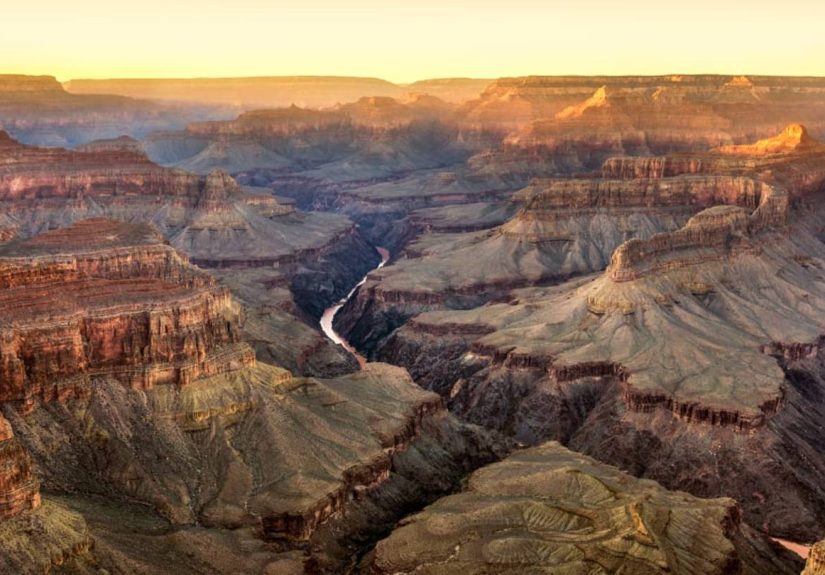
The Grand Canyon is a masterpiece, but it also has a talent for humbling people who mistake “downhill” for “easy.” The real danger is the canyon’s deceptive physics: hikers descend feeling strong, then have to climb back out in hotter temperatures and thinner margins for error. Conditions below the rim can become brutally hot, and rescue operations may be delayed by weather, staffing, or aircraft limitations. The canyon is spectacular, yes, but it also punishes optimism that is not backed up by water, timing, and basic common sense.
3. Yellowstone National Park
Yellowstone is basically a nature documentary with a hidden trapdoor. It is one of the most dangerous U.S. national parks because it combines unpredictable wildlife with boiling thermal features that can seriously injure or kill. Visitors sometimes focus so hard on bison, bears, wolves, and geysers that they forget the ground itself can be hazardous. In Yellowstone, danger comes from approaching animals, ignoring distance rules, or treating a geothermal basin like a quirky sidewalk. It is not a quirky sidewalk. It is a giant, steaming reminder to stay on the boardwalk.
4. Yosemite National Park
Yosemite has a way of making risky terrain look suspiciously photogenic. Granite cliffs, powerful waterfalls, slick rocks, and fast-moving water all contribute to its danger. Every year, visitors get too close to river edges, underestimate runoff, or wander near waterfalls where one slip can change everything. Even experienced hikers can get into trouble when conditions are wet, crowded, or hotter than expected. Yosemite’s danger is the kind that hides behind world-famous beauty and waits for people to believe the scenery is gentler than it really is.
5. Denali National Park and Preserve
Denali is not just wild. It is gloriously, unapologetically wild. Much of the park is trail-less, weather shifts fast, rivers can be brutally cold, and hypothermia is a real concern even in summer. Falls are a major risk, especially because so many routes involve loose ground, steep terrain, and self-navigation rather than neatly maintained trails. Denali is dangerous in the purest wilderness sense: if something goes wrong, help may not be quick, convenient, or even possible in the way visitors from more developed parks might expect.
6. Zion National Park
Zion is where narrow ledges, chain-assisted climbs, flash-flood potential, and desert heat all get together and decide to stress people out. Angels Landing gets most of the attention, and for good reason, because exposed sections and crowding can create real hazards. But Zion’s risk profile goes far beyond one famous trail. Flash floods in narrow canyons are especially dangerous, and summer heat can wear down hikers before they realize what is happening. Zion is thrilling, but it is not the place to freelance your own safety rules.
7. Big Bend National Park
Big Bend is one of the most overlooked dangerous national parks in the U.S., which is exactly what makes it so sneaky. The park’s heat can be intense, the terrain is rugged, and the remoteness is no joke. Visitors who arrive underprepared can quickly find themselves dealing with dehydration, exhaustion, or navigation problems far from immediate help. Big Bend has an enormous, beautiful emptiness to it, but emptiness is only romantic until you need shade, water, or a fast rescue and discover the landscape has other plans.
8. Glacier National Park
Glacier is beautiful in the crisp, cinematic way that makes people forget cold can be just as dangerous as heat. Swift glacial streams, slippery rocks, sudden weather shifts, and hypothermia all raise the stakes. Water-related accidents are a serious concern, and wildlife adds another layer of caution, especially in bear country. Glacier is the sort of park where a sunny morning can trick visitors into casual decisions that look foolish by the afternoon. It is gorgeous, yes, but it is also cold, fast, and not here to coddle anybody.
9. Grand Teton National Park
Grand Teton looks elegant from a distance and demanding up close. The hazards here include high elevation, steep alpine terrain, cold water, and regular bear activity. Altitude sickness can affect visitors who assumed feeling fine at breakfast meant they would feel fine on the trail all day. Meanwhile, wildlife encounters require space, awareness, and a complete lack of main-character behavior. Grand Teton is dangerous because it offers a polished postcard image while quietly operating like a serious mountain environment.
10. Olympic National Park
Olympic is one of the most varied parks in the country, which also makes it one of the most unpredictable. Its coastline is especially risky, with rip currents, rough surf, and giant driftwood logs that can move with terrifying force. Inland, changing weather, slick trails, river crossings, and wildlife add to the challenge. Olympic is a reminder that danger does not need desert heat or thousand-foot drop-offs to be real. Sometimes all it takes is cold water, a restless ocean, and visitors who think the beach is automatically the relaxing part.
11. Mount Rainier National Park
Mount Rainier is stunning, but it is also an active volcano wrapped in glaciers, snowfields, steep terrain, and fast-changing mountain weather. That is not a casual combo. The park’s hazards include river crossings, rockfall, snow travel, debris-flow zones, and high-elevation exposure. Even standard hikes can become risky when visitors underestimate snow, visibility, or terrain. Rainier has a way of looking majestic and stable while remaining geologically dramatic under the surface. It is the sort of mountain that deserves admiration and absolutely refuses overconfidence.
12. Rocky Mountain National Park
Rocky Mountain National Park can fool visitors because it is popular, accessible, and packed with memorable day hikes. But altitude, lightning, sudden storms, and swift water make it more dangerous than its popularity suggests. Lightning is a serious concern in the high country, especially during summer afternoons, and exposure above tree line leaves little room for bad timing. Add steep terrain and visitors who push too far too fast at elevation, and the danger becomes pretty obvious. Gorgeous? Absolutely. Forgiving? Not particularly.
13. Sequoia and Kings Canyon National Parks
These sister parks are famous for giant trees, but the real hazards are much less cuddly than a giant sequoia. Rivers can become swift, icy, and extremely hazardous, especially during snowmelt. High-elevation routes add risk from weather, steep ground, and physical strain, while bears are an important safety consideration wherever food is involved. The big lesson here is that awe can be distracting. Visitors come for the giant forests and granite scenery, then discover the rivers and mountain terrain are running the operation with very strict rules.
14. Acadia National Park
Acadia proves you do not need massive wilderness to be dangerous. The park’s steep cliffs, exposed coastal hikes, iron rungs and ladders, slick rock, and heavy surf can create trouble quickly. Storm waves along the shoreline are especially risky because they look dramatic, cinematic, and weirdly inviting right up until they knock someone down or sweep them into chaos. Acadia’s danger is compact but serious. It is the national park equivalent of a smaller athlete who still absolutely wrecks people in the ring.
15. Channel Islands National Park
Channel Islands does not get mentioned enough in conversations about national park danger, which is odd because the park openly warns that sea kayaking is a high-risk activity there. Changing weather, rough water, dangerous sea caves, cliffs, and the isolation of island terrain all raise the stakes. This is not a place for casual adventuring with a “we’ll figure it out” attitude. On land and sea, Channel Islands can feel remote in a way that is thrilling when things go right and nerve-rattling when they do not.
16. Hawaiʻi Volcanoes National Park
Hawaiʻi Volcanoes earns its place because volcanic landscapes are beautiful, unstable, and not especially interested in negotiation. Hazardous gases, cliff edges, earth cracks, sinkholes, unstable terrain, and eruption-related closures make this park uniquely risky. Visitors often arrive excited to see active geology up close, which is understandable, but active geology has a terrible record of staying politely behind the ropes. This is a place where following designated trails and closed-area notices is not bureaucratic fussiness. It is the difference between smart sightseeing and a terrible decision.
What These Dangerous National Parks Have in Common
The funny thing about the most dangerous national parks in the U.S. is that the hazards are often painfully ordinary. Heat. Water. Gravity. Weather. Wildlife. That is the real theme here. Most serious incidents do not happen because a person wandered into a Hollywood disaster scene. They happen because someone underestimated a canyon, got too close to moving water, ignored the sky, approached an animal, wore the wrong gear, skipped enough water, or assumed a crowded park must also be a safe one.
That is why national park safety is less about fear and more about humility. The parks on this list reward preparation in a big way. Start early, carry more water than seems necessary, turn around before conditions get sketchy, respect closures, keep your distance from wildlife, and remember that the prettiest places often have the sharpest elbows.
What Visiting These Parks Actually Feels Like
Visiting dangerous national parks is a strange and unforgettable mix of awe, adrenaline, and mild self-awareness. You can be standing at the rim of the Grand Canyon thinking, “This is the most beautiful thing I have ever seen,” while another part of your brain whispers, “Also, perhaps do not trip.” That emotional combination is part of the appeal. These places make you feel tiny, but in a good way, at least when you are being sensible.
In Death Valley, the danger feels invisible at first. The sky is huge, the colors are surreal, and the desert can seem still enough to nap inside. Then the heat starts pressing in like an actual physical force, and suddenly every ounce of shade looks valuable enough to inherit. It is not dramatic in a loud way. It is dramatic in a “wow, my body would really like me to stop being dumb right now” way.
Yellowstone creates a different kind of tension. You are surrounded by bubbling pools, steaming vents, and wildlife that ranges from adorable-looking to absolutely-not-go-near-that. It feels like the Earth is improvising beneath your feet. Even when you are perfectly safe on a boardwalk, the park gives off the energy of a place that was here long before people and would be perfectly fine continuing without our opinions.
Yosemite and Zion feel cinematic, which is both their gift and their trap. The views are so good that they can distract you from what your feet are doing, which is not ideal on slick granite, narrow trails, or near drop-offs. There is a reason experienced hikers keep repeating the boring stuff about traction, timing, hydration, and not getting too close to edges. The boring stuff is what lets you enjoy the exciting stuff.
Then there are parks like Denali, Glacier, and Mount Rainier, where the danger feels older and colder. These are places where weather changes the mood of the whole landscape in minutes. A pleasant hike can suddenly feel serious. A stream can look crossable until it absolutely is not. Even the silence feels different in these parks, heavier somehow, like the wilderness is gently suggesting that confidence should remain supervised at all times.
Acadia, Olympic, and Channel Islands prove that water may be the sneakiest hazard of all. Waves look playful right up until they are violent. Beaches look restful right up until a rip current or rolling log changes the script. Sea caves sound like the beginning of an adventure movie, and sometimes they are, but they can also become the part of the adventure movie where the soundtrack gets very intense.
What stays with most visitors is not just the danger, though. It is the sharpened attention these parks demand. You drink more water. You look at the forecast more carefully. You notice the trail, the sky, the tide, the temperature, the animal movement, the feeling in your legs. That kind of presence is rare in daily life. Maybe that is one reason people keep coming back. Dangerous national parks do not just offer scenery. They force you to be fully awake for it.
Final Thoughts
The 16 most dangerous national parks in the U.S. are also some of the most unforgettable. That is not a contradiction. It is the deal. The same features that make these places thrilling, iconic, and deeply worth visiting are the ones that demand respect. Heat, cliffs, cold water, wildlife, altitude, surf, volcanic landscapes, and remoteness are not flaws in the parks. They are part of what makes them real.
So yes, go chase the views. Hike the trail. Watch the geyser erupt. Stand on the coast. Stare into the canyon. Just do it with preparation, humility, and enough self-control to remember that the national park safety pamphlet is not trying to ruin your vacation. It is trying to make sure you actually get to finish it.