Table of Contents >> Show >> Hide
- What Is Testosterone, and Why Does It Matter?
- Low Testosterone Is a Medical Diagnosis, Not a Vibe
- How Testosterone Booster Supplements Claim to Work
- What Works: Ingredients With Some Evidence
- What Might Help Indirectly
- What Does Not Work Very Well
- Red Flags: When a Testosterone Booster Is Risky
- Testosterone Boosters vs. Testosterone Replacement Therapy
- The Lifestyle Factors That Beat Most Bottles
- How to Choose a Testosterone Support Supplement Safely
- Specific Examples: Who Might Benefit and Who Probably Won’t
- Experience-Based Section: What People Usually Learn After Trying Testosterone Boosters
- Conclusion: What Works, What Doesn’t, and What Actually Matters
Editorial note: This article is educational and is based on current medical, regulatory, and peer-reviewed information about testosterone, supplement safety, nutrient deficiencies, herbal ingredients, and low testosterone diagnosis. It is not a substitute for personal medical advice, blood testing, or treatment from a licensed healthcare professional.
Walk into any supplement aisle, gym locker room, or suspiciously enthusiastic corner of the internet and you will find the same promise printed in bold letters: boost testosterone naturally. The bottle usually looks intense. Black label. Lightning bolt. Maybe a wolf. Definitely a man with shoulders shaped like patio furniture.
But here is the real question: do testosterone booster supplements actually work, or are they just expensive capsules filled with hope, herbs, and marketing confetti?
The honest answer is: some ingredients may help certain people in certain situations, especially when a deficiency, stress, poor sleep, excess body fat, or low nutrient intake is part of the problem. But most over-the-counter testosterone boosters do not transform healthy men into superheroes. Many products rely on weak evidence, exaggerated claims, “proprietary blends,” or ingredients that sound more powerful than they are.
In this guide, we will separate the promising from the pointless, the useful from the overhyped, and the “maybe” from the “please do not buy that from a gas station.”
What Is Testosterone, and Why Does It Matter?
Testosterone is a hormone involved in libido, sperm production, muscle mass, bone density, red blood cell production, mood, energy, and fat distribution. Although it is often called the “male hormone,” both men and women produce testosterone. Men simply produce much more of it.
Testosterone levels naturally vary throughout the day and across a lifetime. They are usually highest in the morning and tend to decline with age. However, aging alone does not automatically mean a man needs testosterone therapy or a supplement. Low energy, poor sleep, stress, depression, weight gain, medication side effects, thyroid problems, and sleep apnea can all mimic symptoms of low testosterone.
Low Testosterone Is a Medical Diagnosis, Not a Vibe
Feeling tired after a bad week does not automatically mean your testosterone has packed a tiny suitcase and moved to Florida. Medical guidelines generally define testosterone deficiency using both symptoms and lab results. A common clinical cutoff is a total testosterone level below about 300 ng/dL, confirmed with two separate early-morning blood tests.
Symptoms that may prompt testing include low libido, erectile difficulties, reduced morning erections, loss of muscle mass, unexplained fatigue, depressed mood, anemia, reduced bone density, or infertility. Even then, the next step is not automatically a testosterone booster. The smarter move is to ask why testosterone is low.
Possible causes include obesity, type 2 diabetes, pituitary disorders, testicular injury, certain medications, chronic illness, heavy alcohol use, sleep disorders, or true hypogonadism. Supplements cannot fix every cause, and they should not delay proper evaluation.
How Testosterone Booster Supplements Claim to Work
Most testosterone booster supplements fall into one of five categories:
- Nutrient-based boosters: vitamin D, zinc, magnesium, boron, and B vitamins.
- Herbal boosters: ashwagandha, fenugreek, tongkat ali, tribulus terrestris, maca, and ginger.
- Hormone precursors: DHEA and related compounds.
- Performance blends: combinations of herbs, amino acids, minerals, and stimulants.
- Questionable products: supplements contaminated with hidden drugs, anabolic steroid-like substances, or SARMs.
The best-case scenario is a product that corrects a real deficiency or supports stress, sleep, exercise recovery, or metabolic health. The worst-case scenario is a product that contains undeclared ingredients, damages your liver, disrupts fertility, or gets an athlete banned from competition.
What Works: Ingredients With Some Evidence
Vitamin D: Helpful If You Are Deficient
Vitamin D is one of the more reasonable supplements to consider, but only when your levels are low or inadequate. Low vitamin D status has been associated with poorer overall health, and some studies have linked vitamin D deficiency with lower testosterone. However, taking vitamin D when you already have enough is unlikely to send testosterone soaring.
Think of vitamin D like filling a low tire. If the tire is flat, adding air helps. If the tire is already full, adding more does not make the car fly.
The practical approach is simple: get a 25-hydroxyvitamin D blood test, discuss results with a clinician, and supplement only as needed. Too much vitamin D can raise calcium levels and cause health problems, so “more” is not automatically better.
Zinc: Important for Deficiency, Not Magic for Everyone
Zinc plays a role in immune function, cell growth, fertility, and hormone production. Severe zinc deficiency can contribute to low testosterone and impaired reproductive health. In that situation, zinc supplementation may help restore normal function.
But for men who already consume enough zinc from foods like oysters, beef, poultry, beans, nuts, dairy, and fortified cereals, extra zinc is unlikely to create a dramatic testosterone boost. Long-term high-dose zinc can also interfere with copper absorption and may cause nausea, stomach pain, or other issues.
In plain English: zinc is essential, but it is not a cheat code.
Magnesium: Better for Sleep, Training, and Deficiency Support
Magnesium is involved in hundreds of biochemical processes, including muscle contraction, nerve function, and energy production. Some research suggests magnesium may support free testosterone levels, particularly in people who are deficient or physically active.
Magnesium may also indirectly support testosterone by improving sleep quality, exercise recovery, and stress regulation. That does not mean it is a dramatic testosterone booster. It means it can be part of a sensible foundation, especially if your diet is low in magnesium-rich foods such as leafy greens, pumpkin seeds, almonds, black beans, and whole grains.
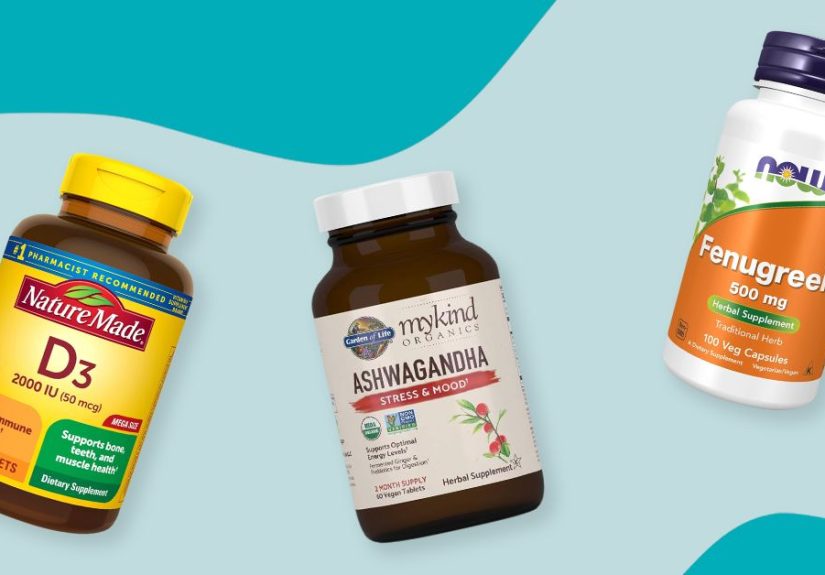
Ashwagandha: Promising, Especially for Stress
Ashwagandha is an adaptogenic herb often marketed for stress, sleep, strength, and testosterone. Some clinical trials suggest it may improve testosterone levels, sperm quality, stress scores, or strength outcomes in certain groups. The effect may be partly related to lowering stress and cortisol, since chronic stress can interfere with reproductive hormones.
This makes ashwagandha one of the more interesting natural testosterone support ingredients. Still, it is not risk-free. It may cause digestive upset, drowsiness, thyroid changes, and rare liver injury. People with liver disease, thyroid disorders, autoimmune conditions, prostate cancer concerns, or those taking certain medications should be especially cautious.
If your life currently resembles a browser with 87 tabs open, ashwagandha may help the stress side of the equation. But it is not a substitute for sleep, medical care, or learning to say “no” to one more meeting.
Fenugreek: Mixed but Interesting
Fenugreek seed extract appears in many testosterone booster formulas. Some trials and reviews suggest it may have modest benefits for libido, body composition, strength, or testosterone-related markers. Other studies show little or no change in testosterone itself.
Why the mixed results? Different studies use different extracts, doses, populations, and outcome measures. A standardized fenugreek extract may not behave the same way as a random powder in a bargain supplement blend.
Fenugreek may be worth discussing with a healthcare professional, especially for men interested in libido support rather than a guaranteed hormone increase. It can interact with blood sugar control and blood-thinning medications, and it may cause digestive symptoms or a maple-syrup-like body odor. Yes, that is real. No, it is not the worst side effect in the supplement universe.
Tongkat Ali: Possible Benefit, But Quality Matters
Tongkat ali, also called Eurycoma longifolia, is another popular herbal testosterone booster. Some studies suggest it may modestly improve total testosterone, stress, libido, or quality-of-life measures, especially in men with low or borderline levels. However, research is still limited, and product quality varies widely.
The concern with tongkat ali is not only whether it works, but whether the product contains what it says it contains. Herbal extracts can differ in potency, purity, and contamination risk. If someone chooses to use tongkat ali, third-party testing and conservative dosing are important.
What Might Help Indirectly
Protein, Creatine, and Strength Training Support
Protein and creatine do not directly “boost testosterone” in the way supplement ads imply. But they can support muscle gain, training performance, and recovery. More muscle and better training consistency can improve body composition, which may support healthier hormone levels over time.
Creatine is one of the most studied sports supplements and may help strength and power output. It is not a testosterone booster, but it can help you train harder. Sometimes the best “testosterone stack” is actually progressive overload, enough protein, and not skipping leg day like it owes you money.
Omega-3s and General Nutrition
Omega-3 fatty acids, fruits, vegetables, fiber, and adequate calories support overall health. They are not testosterone boosters in the dramatic sense, but poor nutrition can absolutely make hormone health worse. Extremely low-fat diets, crash dieting, heavy alcohol intake, and ultra-processed food patterns may all work against healthy testosterone levels.
What Does Not Work Very Well
Tribulus Terrestris: Famous, But Underwhelming
Tribulus terrestris is one of the most famous testosterone booster herbs. It has been marketed for libido, strength, masculinity, and gym performance for years. Unfortunately, human research has generally been disappointing when it comes to raising testosterone in healthy men.
Some people may notice libido-related effects, but that does not necessarily mean testosterone increased. Desire, erection quality, confidence, stress, sleep, relationship quality, and circulation all influence sexual function. Hormones are only one part of the orchestra.
Maca: Better for Libido Than Testosterone
Maca root is often sold as a male vitality supplement. It may help libido or subjective sexual well-being in some people, but it does not appear to reliably raise testosterone. That does not make it useless; it just means the label should not pretend it is a hormone elevator.
D-Aspartic Acid: Early Hype, Weak Follow-Through
D-aspartic acid became popular after early research suggested it might influence testosterone production. Later studies have been inconsistent, especially in trained men. Some show no meaningful benefit, and higher doses may not be better.
For most men, D-aspartic acid belongs in the “interesting but not dependable” category.
Proprietary Blends: The Fog Machine of Supplement Labels
When a label lists a “proprietary blend,” it may hide the amount of each ingredient. That makes it hard to know whether the formula contains a meaningful dose or just a fairy dust sprinkle of ten trendy compounds.
A quality supplement should clearly list ingredients, doses, serving size, warnings, and third-party testing. If the label reads like a treasure map written by a caffeinated raccoon, skip it.
Red Flags: When a Testosterone Booster Is Risky
Some bodybuilding and male enhancement products have been found to contain undeclared drugs, anabolic steroid-like substances, or SARMs. These can carry serious risks, including liver injury, hormone suppression, infertility, mood changes, acne, hair loss, heart problems, and failed drug tests.
Be especially cautious with products that promise:
- “Steroid-like gains”
- “Extreme testosterone explosion”
- “Works like TRT without a prescription”
- “No side effects”
- “Secret ancient formula doctors hate”
- “Research chemical” ingredients
- Unlisted amounts or hidden blends
Real physiology does not need that much shouting.
Testosterone Boosters vs. Testosterone Replacement Therapy
Over-the-counter testosterone boosters are not the same as testosterone replacement therapy, commonly called TRT. TRT uses prescribed testosterone under medical supervision for people with clinically confirmed testosterone deficiency. It requires monitoring because it can affect red blood cell counts, fertility, prostate-related markers, acne, sleep apnea, and cardiovascular risk factors.
TRT can reduce sperm production and may not be appropriate for men trying to conceive. That is a major point many “low T” ads conveniently whisper instead of announce. Men concerned about fertility should speak with a urologist or reproductive specialist before using hormone-related treatments.
The Lifestyle Factors That Beat Most Bottles
Sleep
Sleep is one of the most underrated testosterone support tools. Research has shown that restricting sleep to around five hours per night can reduce daytime testosterone levels in healthy young men. If you are sleeping like a haunted raccoon, no supplement stack can fully compensate.
Aim for consistent sleep, a dark room, less late-night alcohol, fewer screens before bed, and medical evaluation if you snore heavily or suspect sleep apnea.
Body Composition
Excess body fat, especially visceral fat around the abdomen, is strongly associated with lower testosterone. Weight loss in men with obesity can improve testosterone levels, sometimes significantly. This does not require a crash diet. In fact, crash dieting can backfire.
The practical formula is boring because it works: protein at each meal, fiber-rich carbohydrates, healthy fats, resistance training, daily movement, and a calorie intake you can sustain without becoming emotionally attached to the refrigerator at midnight.
Strength Training
Resistance training may temporarily increase testosterone after exercise and can improve muscle mass, insulin sensitivity, confidence, and body composition over time. Compound lifts like squats, deadlifts, rows, presses, pullups, and loaded carries are useful when matched to your ability level.
You do not need to train like a professional athlete. You need consistency, progressive overload, good form, and recovery. Your joints should not sound like bubble wrap every time you warm up.
Alcohol and Stress
Heavy alcohol use and chronic stress can work against healthy testosterone. Cutting back on alcohol, managing stress, and treating anxiety or depression can improve energy and libido even when testosterone is not the main issue.
How to Choose a Testosterone Support Supplement Safely
If you still want to try a testosterone booster supplement, use a careful checklist:
- Get blood work first: total testosterone, free testosterone if appropriate, vitamin D, CBC, metabolic markers, thyroid markers, and other tests your clinician recommends.
- Choose single-ingredient products when possible so you know what is working or causing side effects.
- Avoid mega-doses, especially with zinc, vitamin D, or hormone-like compounds.
- Look for third-party testing such as USP Verified, NSF Certified for Sport, Informed Sport, or similar quality programs.
- Avoid products with hidden blends, dramatic claims, or “research chemical” language.
- Stop immediately and seek care if you develop jaundice, severe abdominal pain, dark urine, chest pain, shortness of breath, severe mood changes, or allergic symptoms.
Specific Examples: Who Might Benefit and Who Probably Won’t
Example 1: The Deficient Desk Warrior
Mark is 38, works indoors, sleeps six hours, rarely exercises, and has low vitamin D on bloodwork. His testosterone is borderline low. For Mark, vitamin D supplementation, strength training, weight loss, and better sleep may improve his hormone profile. A basic supplement may help because there is a measurable gap to correct.
Example 2: The Healthy Gym Regular
Chris is 29, sleeps well, eats enough protein, has normal testosterone, and lifts four days per week. He buys a testosterone booster with tribulus, maca, and a mystery blend. He feels nothing except lighter in the wallet. For Chris, the best strategy is probably training progression, nutrition, and patience.
Example 3: The Stressed-Out Overachiever
David is 45, has high stress, poor sleep, low libido, and normal-but-not-great testosterone. Ashwagandha might help stress and sleep, but it should be used cautiously. If he snores, wakes exhausted, or has high blood pressure, checking for sleep apnea may be far more important than buying another bottle.
Experience-Based Section: What People Usually Learn After Trying Testosterone Boosters
After watching countless men experiment with testosterone booster supplements, a pattern becomes clear: the people who benefit most are usually not the ones chasing the loudest label. They are the ones who identify a real bottleneck. Maybe their vitamin D is low. Maybe they eat like a college freshman during finals week. Maybe they sleep five hours, drink too much, train inconsistently, and expect a capsule to repair the entire lifestyle circus.
The first common experience is disappointment with “all-in-one” formulas. Many men buy a booster because the label promises energy, libido, strength, fat loss, confidence, and possibly the ability to chop wood shirtless in slow motion. After four weeks, nothing dramatic happens. Why? Because most formulas contain small amounts of many ingredients instead of effective doses of a few. The label looks impressive, but the body is not impressed by graphic design.
The second common experience is that sleep changes everything. Men often report better morning energy, libido, workout performance, and mood after improving sleep. They may assume testosterone increased, and sometimes it may have. But even when testosterone does not dramatically change, better sleep improves the systems that make a person feel alive: nervous system recovery, appetite control, insulin sensitivity, motivation, and sexual function. A boring bedtime routine can outperform a flashy supplement ad. This is deeply unfair to marketing departments, but excellent for humans.
The third lesson is that blood tests remove guesswork. Without testing, people tend to blame testosterone for everything. Tired? Testosterone. Bad workout? Testosterone. Irritated by email? Testosterone. But lab work may reveal low vitamin D, thyroid issues, anemia, poor glucose control, elevated liver enzymes, or completely normal testosterone. That information changes the plan. Guessing is cheap at first, then expensive later.
The fourth experience is that libido is not the same as testosterone. Some ingredients may improve sexual desire without measurably increasing testosterone. Maca and fenugreek are good examples. A person may feel more interested in sex, but that does not mean their hormone level rose. Libido is influenced by stress, sleep, relationship quality, mental health, medications, alcohol, body image, and cardiovascular health. It is not a one-hormone light switch.
The fifth lesson is that side effects are real. “Natural” does not mean harmless. Ashwagandha can upset the stomach or affect thyroid activity. Zinc can cause nausea and copper problems if overused. Fenugreek can affect blood sugar. DHEA can cause acne, mood changes, hair loss, and hormone-related issues. Questionable bodybuilding products can be contaminated with serious undeclared substances. The body does not care whether a risky compound arrived in a prescription bottle or a supplement jar with flames on the label.
The sixth lesson is that consistency beats intensity. Men who improve body composition, train regularly, eat enough protein, manage stress, and reduce alcohol often feel better than men who constantly rotate supplements. The supplement search can become a distraction from the basics. It is easier to buy capsules than to meal prep, go to bed, and do squats correctly. Unfortunately, biology has a rude preference for the basics.
The best personal strategy is to treat testosterone boosters as possible tools, not miracles. Start with testing. Fix deficiencies. Train progressively. Sleep like it is your part-time job. Eat enough protein and micronutrients. Choose third-party-tested supplements only when there is a clear reason. Track symptoms honestly for eight to twelve weeks. If nothing changes, stop paying for the product. Your future self can spend that money on better food, coaching, lab work, or shoes that do not squeak on leg day.
Conclusion: What Works, What Doesn’t, and What Actually Matters
Testosterone booster supplements are not all nonsense, but they are definitely not all science. Vitamin D, zinc, and magnesium may help when intake or blood levels are low. Ashwagandha, fenugreek, and tongkat ali have some promising evidence, but results vary and safety matters. Tribulus, maca, D-aspartic acid, and many proprietary blends are often overhyped, especially for men with normal testosterone.
The most reliable testosterone support plan is not glamorous: diagnose correctly, correct deficiencies, sleep enough, lift weights, manage body fat, reduce heavy alcohol use, control stress, and choose supplements carefully. If symptoms are significant or testosterone is repeatedly low, see a qualified healthcare professional instead of trying to outsmart your endocrine system with a discount bundle.
In the end, the best testosterone booster is not always a bottle. Sometimes it is a blood test, a barbell, a bedtime, and the courage to ignore a label that says “EXTREME ALPHA VOLCANO MODE.”