Table of Contents >> Show >> Hide
- What Is a Fabric Hoop Ceiling Light Fixture?
- The High: Designer Fabric Hoop Pendants
- The Low: Affordable Fabric Drum and Hoop Alternatives
- High vs. Low: Which Fabric Hoop Ceiling Light Should You Choose?
- Best Rooms for a Fabric Hoop Ceiling Light Fixture
- How to Choose the Right Size
- Flush Mount, Semi-Flush, Pendant, or Chandelier?
- Materials: Linen, Cotton, Bamboo, Metal, and Diffusers
- Bulbs, Brightness, and Color Temperature
- Design Styles That Love This Fixture
- Where to Save and Where to Splurge
- Installation and Safety Notes
- High/Low Shopping Strategy
- Personal Experience: Living With a Fabric Hoop Ceiling Light
- Conclusion
A fabric hoop ceiling light fixture is the lighting version of a white button-down shirt: simple, useful, quietly elegant, and somehow able to make everything around it look more intentional. It does not shout, sparkle, or demand that your dining room become a hotel lobby. Instead, it floats overhead with a soft fabric skin, a rounded frame, and the kind of warm glow that makes weeknight leftovers look almost like a lifestyle choice.
The “high/low” appeal is obvious. On the high end, you have sculptural, handmade pendant lights inspired by natural materialsthink bamboo frames, cotton covers, linen wraps, and airy silhouettes that feel collected rather than mass-produced. On the low end, you can find affordable fabric drum lights, hooped linen chandeliers, and semi-flush fixtures that capture much of the same softness without making your wallet file a complaint.
The original design idea behind this look is beautifully straightforward: take a circular or cage-like frame, wrap or cover it with fabric, and let the material diffuse the bulb into a gentle, flattering wash of light. The result works especially well in bedrooms, dining rooms, nurseries, breakfast nooks, entryways, and living spaces where you want overhead lighting that feels warm instead of interrogation-room enthusiastic.
What Is a Fabric Hoop Ceiling Light Fixture?
A fabric hoop ceiling light fixture is usually a pendant, chandelier, flush mount, or semi-flush mount built around a circular frame. The frame may be metal, bamboo, wood, rattan, or another lightweight material. Fabricoften linen, cotton, silk, or a woven textileis stretched, wrapped, or draped around the structure. The fabric acts as a diffuser, softening direct glare and giving the fixture its relaxed, organic character.
Compared with glass globes or exposed-bulb chandeliers, fabric hoop lights create a calmer mood. They are not the best choice when you need surgical brightness over a workbench, but they are excellent for rooms where comfort matters. A linen hoop pendant above a dining table can make dinner feel cozy. A cotton drum flush mount in a bedroom can replace a harsh builder-grade ceiling light. A large bamboo-and-fabric pendant in a living room can add height, texture, and a little “I definitely have my life together” energy.
The High: Designer Fabric Hoop Pendants
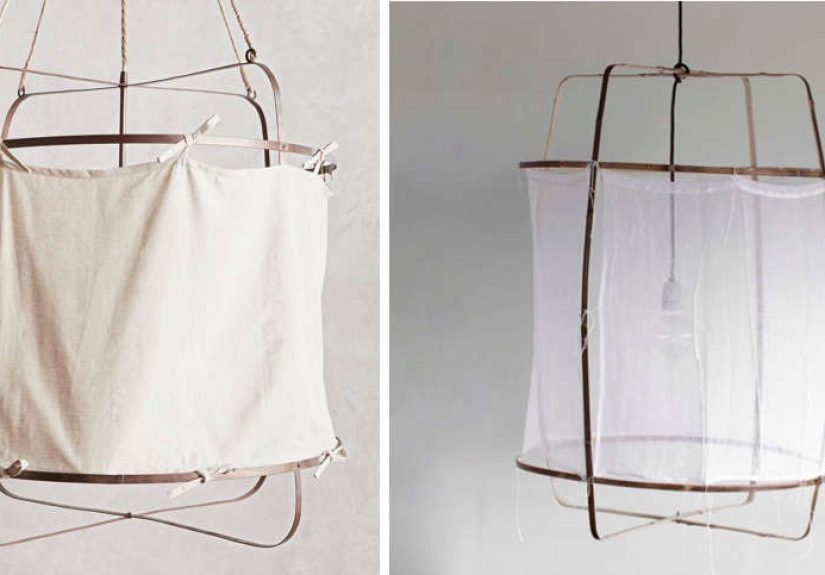
The high-end version of this look is all about craftsmanship and material personality. Designer fabric hoop pendants often feature handwoven cotton, bamboo ribs, silk covers, paper shades, or sculptural cage forms. Ay Illuminate’s Z-series style is a strong example of the category: a large, airy pendant with a bamboo frame and a textile cover that feels global, natural, and architectural at the same time.
These fixtures are usually not tiny. Many designer fabric hoop pendants are oversized enough to become the centerpiece of a room. That scale is part of the magic. When suspended in a room with generous ceiling height, the fixture feels like a floating lantern. It fills vertical space without looking heavy, because the fabric and open frame keep the silhouette breathable.
Why the High-End Version Works
The expensive version does not simply cost more because someone whispered “artisanal” near it. The best high-end fabric hoop ceiling lights usually offer a more refined shape, better materials, thoughtful proportions, and a softer diffusion of light. The frame may be handmade. The fabric may have visible texture. The scale may be more dramatic. The result is less “basic lampshade on a ceiling” and more “quiet sculpture that also prevents you from tripping over the coffee table.”
A designer fabric hoop pendant is especially successful in spaces with natural textures: white oak floors, limewash walls, woven rugs, linen curtains, cane chairs, plaster fireplaces, and neutral upholstery. It also plays nicely with modern farmhouse, coastal, Scandinavian, Japandi, bohemian, and minimalist interiors. Basically, if your room contains at least one basket you bought “for texture,” this fixture will understand the assignment.
The Low: Affordable Fabric Drum and Hoop Alternatives
The low-cost side of the trend has grown quickly. Retailers now offer fabric shade flush mounts, linen drum lights, semi-flush ceiling fixtures, and budget-friendly hooped chandeliers that echo the same soft, rounded look. These options may use metal frames instead of bamboo, standard linen shades instead of handwoven cotton, or smaller proportions that fit lower ceilings and tighter budgets.
Affordable fabric ceiling lights are easy to find in several categories. West Elm and Pottery Barn carry clean linen drum flush mounts that suit bedrooms and hallways. CB2 has modern low-profile drum fixtures with simple fabric shades. Wayfair, Target, Amazon, Walmart, Bed Bath & Beyond, Lamps Plus, and The Home Depot offer many budget and mid-range versions with fabric drum shades, metal hardware, diffusers, and multiple finish options. Anthropologie has also carried decorative hooped linen chandelier styles that lean more romantic and handmade in appearance.
The low version may not have the same handmade soul as a designer pendant, but it can still do the most important job: soften overhead light and add texture. In many homes, that is enough. Not every ceiling needs a museum piece. Some ceilings just need to stop looking like a sad plastic mushroom.
High vs. Low: Which Fabric Hoop Ceiling Light Should You Choose?
| Feature | High-End Fabric Hoop Fixture | Affordable Fabric Ceiling Light |
|---|---|---|
| Best for | Statement rooms, high ceilings, design-forward interiors | Bedrooms, hallways, rentals, budget makeovers, low ceilings |
| Materials | Bamboo, handwoven cotton, silk, paper, artisan textiles | Linen-look fabric, cotton blends, metal frames, acrylic diffusers |
| Visual impact | Sculptural and dramatic | Soft, simple, and versatile |
| Price range | Often premium to luxury | Usually budget to mid-range |
| Installation | Often hardwired and best installed by a licensed electrician | Hardwired, plug-in, or renter-friendly shade-cover options may be available |
Choose the high-end option when the ceiling light is meant to be the room’s main decorative feature. This makes sense in an open living room, dining room, stairwell, or primary bedroom where the fixture will be seen from multiple angles. Choose the low option when you want the softness and shape without spending heavily, especially in secondary bedrooms, apartments, small entries, laundry rooms, or hallways.
Best Rooms for a Fabric Hoop Ceiling Light Fixture
Bedroom
A fabric hoop ceiling light is a natural fit for the bedroom because it softens overhead brightness. Choose warm white bulbs, ideally around 2700K to 3000K, for a relaxed glow. A flush or semi-flush fabric drum fixture works well in rooms with eight-foot ceilings, while a hanging hoop pendant looks better where there is enough clearance.
Dining Room
Above a dining table, a fabric hoop pendant can feel intimate and elegant. The rounded form visually anchors the table, while the fabric shade makes faces look friendlier. That last part matters. Nobody wants to host dinner under lighting that says, “Please confess where you hid the good cheese.”
Living Room
In a living room, a larger fabric hoop fixture can add sculptural volume without the visual weight of a heavy chandelier. It pairs beautifully with floor lamps and sconces, creating layered lighting instead of relying on one lonely ceiling bulb to do the emotional labor of the entire room.
Entryway
A small fabric hoop or drum light in an entryway gives guests a warm first impression. It is welcoming without being flashy. If the entry is narrow, choose a flush mount or compact semi-flush fixture to preserve headroom.
Nursery or Kids’ Room
Fabric fixtures are popular in nurseries because they create soft ambient light. Look for secure construction, proper certification, a covered bulb, and a fixture that is safely mounted. Skip dangling cords or delicate handmade pieces in areas where curious little hands might eventually stage a climbing expedition.
How to Choose the Right Size
Size is where many lighting mistakes begin. A fabric hoop ceiling light that is too small can look like a hat someone tossed at the ceiling. One that is too large can make the room feel like it is wearing a lampshade as formalwear.
For general room sizing, a useful design rule is to add the room’s length and width in feet, then convert that number to inches for a rough fixture diameter. For example, a 10-by-12-foot bedroom equals 22, so a ceiling fixture around 22 inches wide may feel balanced. This is a guideline, not a law enforced by the lighting police, but it helps prevent awkward proportions.
For dining rooms, the fixture should usually be narrower than the table. A common approach is to choose a pendant or chandelier about one-half to two-thirds the width of the table. If the table is 42 inches wide, a fixture between 21 and 28 inches wide often feels right. Hang height matters too: pendants over dining tables are commonly placed around 30 to 36 inches above the tabletop, depending on ceiling height and fixture shape.
Flush Mount, Semi-Flush, Pendant, or Chandelier?
Flush Mount
A fabric flush mount sits close to the ceiling. It is the best choice for low ceilings, hallways, closets, bedrooms, and apartments where every inch of headroom matters. Many fabric drum flush mounts include a bottom diffuser, which helps hide the bulb and spread light evenly.
Semi-Flush Mount
A semi-flush mount drops slightly below the ceiling, giving the fixture more presence. It works well in bedrooms, breakfast nooks, entries, and living rooms with standard ceiling heights. It feels more decorative than a flush mount but less dramatic than a pendant.
Pendant
A fabric hoop pendant hangs from a cord, chain, or stem. It is best above dining tables, kitchen tables, reading corners, stairwells, or rooms with higher ceilings. Large bamboo-and-cotton pendants often need breathing room, so check dimensions carefully before falling in love. Love is blind; ceiling clearance is not.
Chandelier
A hooped linen chandelier usually has multiple bulbs and a wider decorative frame. It can be a beautiful choice for dining rooms and bedrooms where you want a softer alternative to crystal, metal arms, or exposed bulbs.
Materials: Linen, Cotton, Bamboo, Metal, and Diffusers
Linen gives a tailored, slightly textured look and works with both traditional and modern interiors. Cotton feels more casual and airy. Silk can look elegant but may require more care. Paper shades are delicate and atmospheric, often creating a lantern-like effect. Bamboo or rattan frames add warmth and a natural note, while metal frames make the fixture feel cleaner and more contemporary.
A bottom diffuser is worth considering. It hides the bulb from below and reduces glare, especially in bedrooms and living rooms. Acrylic diffusers are common in affordable fixtures, while fabric or specialty diffusers may appear in higher-end designs. If you dislike seeing bare bulbs from the sofa, do not skip this detail. Your future relaxed self will send a thank-you note.
Bulbs, Brightness, and Color Temperature
Fabric shades reduce glare, but they also absorb some light. That means you should pay attention to lumens, not just watts. For ambient bedroom lighting, a soft fabric ceiling fixture may only need moderate brightness. For a dining room or living room, you may need multiple bulbs or a layered lighting plan with lamps and sconces.
Warm white bulbs are usually the most flattering choice. Look for 2700K for a cozy glow or 3000K for a slightly cleaner warm light. Cooler bulbs can make fabric shades look stark, especially if the room already has white walls or minimal decor. Dimmable bulbs and a compatible dimmer switch are strongly recommended. A fabric hoop light on a dimmer goes from “find the missing earring” to “romantic pasta night” with one tiny slide.
Design Styles That Love This Fixture
Modern Organic
Pair a cotton or linen hoop light with warm woods, stone surfaces, boucle chairs, and soft neutral walls. The fixture reinforces texture without cluttering the space.
Coastal
A white linen or cotton pendant with a bamboo frame feels breezy and relaxed. Add pale oak, striped textiles, woven baskets, and blue-gray accents for a coastal look that does not require a decorative anchor in the corner.
Japandi
Choose a simple hoop pendant with natural materials and an understated shape. Keep the palette quiet: cream, black, wood, stone, and soft beige. The fabric shade adds warmth to clean lines.
Bohemian
A larger fabric hoop ceiling light can ground a bohemian room filled with rugs, plants, books, and collected objects. The key is balance. If the room already has many patterns, choose a plain fabric shade.
Traditional Updated
A hooped linen chandelier can soften traditional furniture without looking too modern. It is a smart bridge between classic shapes and relaxed contemporary living.
Where to Save and Where to Splurge
Save on the fixture if you are updating a secondary room, experimenting with a trend, or replacing an unattractive rental-style ceiling light. Many affordable fabric drum lights can transform a room for a modest cost. Spend more when the fixture is large, central, and highly visible. A dining room pendant or living room statement piece is worth a better silhouette and higher-quality materials.
Splurge on scale, construction, and fabric quality. Save on trendy finishes, overly specific colors, or rooms where the light is mostly functional. Also consider replacement parts. A beautiful shade that cannot be cleaned, repaired, or replaced may become less charming after a few years of dust, cooking residue, or enthusiastic indoor soccer.
Installation and Safety Notes
Many fabric hoop ceiling lights are hardwired. Unless you have proper electrical experience, hire a licensed electrician for installation. Check whether the fixture is UL listed or otherwise certified for your region, confirm the maximum bulb wattage, and make sure the fixture is appropriate for the room. A damp-rated fixture is important for bathrooms, laundry rooms, and covered areas where moisture may be present.
Fabric and heat are not best friends, so use bulbs within the manufacturer’s recommended limits. LED bulbs are typically a smart choice because they produce strong light with less energy and less heat than old incandescent bulbs. Always follow the product instructions and local electrical codes.
High/Low Shopping Strategy
Start by deciding what you really love about the inspiration fixture. Is it the oversized hoop shape? The linen texture? The bamboo frame? The warm glow? The handmade irregularity? Once you identify the key feature, finding a lower-cost alternative becomes much easier.
If you love the soft cylinder shape, search for linen drum flush mounts or fabric drum semi-flush lights. If you love the airy lantern effect, look for cotton, paper, bamboo, or rattan pendants. If you love the romantic frame, search for hooped linen chandeliers. If you simply want to hide an ugly overhead light, renter-friendly fabric shade covers may solve the problem without rewiring.
Read dimensions twice. Then read them again while holding a tape measure, because product photos are tiny little liars. A 26-inch pendant can look modest online and enormous in a small bedroom. Likewise, a 12-inch flush mount can look elegant in a product photo but disappear in a large living room.
Personal Experience: Living With a Fabric Hoop Ceiling Light
The first time I saw a fabric hoop ceiling light in a real homenot a styled photo with suspiciously perfect lemons on the counterit changed how I thought about overhead lighting. The room was not huge. It had a normal ceiling, a wooden dining table, white walls, and a collection of mismatched chairs that looked charming rather than accidental. Above the table hung a large fabric hoop pendant with a simple black frame and a pale cotton cover. It did not glitter. It did not perform acrobatics. It simply made the room feel finished.
What stood out most was the way the light softened everything. The table looked warmer. The walls looked less flat. Even the chairs seemed more deliberate, as if they had attended a small design meeting and agreed to cooperate. That is the quiet power of fabric lighting. It changes the mood without announcing the change.
In another home, I saw the budget version: a linen-look drum flush mount replacing an old frosted glass ceiling light in a small bedroom. The room had an eight-foot ceiling, so a dramatic pendant would have been a forehead hazard. The flush mount was not expensive, but the difference was enormous. The ceiling instantly looked cleaner. The light felt calmer. The bedroom went from “spare room where laundry goes to think about its future” to “guest room with actual dignity.”
The biggest lesson from both spaces is that fabric ceiling lights are forgiving. They work with imperfect rooms. They can soften basic furniture, builder-grade walls, and awkward layouts. They do not require a full renovation. In fact, they are one of the fastest ways to make a room look decorated without buying a new sofa, repainting, or pretending you suddenly enjoy sanding floors.
There are a few practical things I would never ignore. First, fabric shades collect dust. A quick pass with a microfiber duster or vacuum brush keeps them from looking tired. Second, bulb choice matters more than people think. A cool white bulb can make even a beautiful linen shade feel chilly. A warm dimmable LED is usually safer, softer, and more flattering. Third, scale is everything. A fabric hoop fixture should look intentional, not like it wandered in from a different house.
I also like how these lights behave at night. Glass fixtures can create reflections and sharp highlights, while exposed bulbs can feel too bright. Fabric shades spread the light more gently, especially when paired with lamps around the room. In a dining room, that means dinner feels more relaxed. In a bedroom, it means the overhead light is no longer the enemy. In an entryway, it means guests walk in under a glow that says, “Welcome,” not “Please remove your shoes under laboratory supervision.”
If I were choosing one today, I would splurge for a large handmade pendant in a dining room or vaulted living space, where the fixture has enough room to breathe. For bedrooms, hallways, and apartments, I would happily choose a lower-cost linen drum or semi-flush version. The secret is not spending the most money. The secret is choosing the right shape, the right scale, and the right warmth for the room.
Conclusion
A fabric hoop ceiling light fixture is one of those rare decor upgrades that looks stylish, feels practical, and does not require your home to become a showroom. The high-end versions bring sculpture, craft, and natural materials into the room. The low-cost versions offer softness, texture, and a major improvement over harsh overhead lighting. Whether you choose a dramatic bamboo-and-cotton pendant or a simple linen drum flush mount, the goal is the same: warm light, better atmosphere, and a ceiling that finally earns its keep.
The best choice depends on your ceiling height, room size, budget, and style. Go high when the fixture is the star. Go low when you want the mood without the major investment. Either way, fabric hoop lighting proves that a ceiling light does not have to sparkle to shine.
Note: Product prices, availability, dimensions, bulb requirements, and certifications can change. Always verify current specifications and use a licensed electrician for hardwired installation.