Table of Contents >> Show >> Hide
- What Is a Pyrex 1000ml Griffin Beaker?
- Key Features of the Pyrex 1000ml Griffin Beaker
- Typical Specifications
- Best Uses for a Pyrex 1000ml Griffin Beaker
- Pyrex 1000ml Griffin Beaker vs. Other Beakers
- How to Choose the Right Pyrex 1000ml Griffin Beaker
- Care and Safety Tips
- Common Mistakes to Avoid
- Who Should Buy a Pyrex 1000ml Griffin Beaker?
- Hands-On Experience: What It Feels Like to Use a Pyrex 1000ml Griffin Beaker
- Final Verdict
- SEO Metadata
The Pyrex 1000ml Griffen Beakermore accurately spelled “Griffin beaker” in most laboratory catalogsis one of those humble lab tools that quietly does a ridiculous amount of work. It does not beep, connect to Bluetooth, or ask for a firmware update. It simply stands there, clear and sturdy, ready to measure, mix, heat, rinse, swirl, pour, and survive another day of scientific chaos.
Whether you are setting up a school laboratory, restocking a research bench, shopping for reliable glassware, or building a serious home science workspace, the Pyrex 1000ml Griffin beaker is a practical, versatile piece of borosilicate glassware. It is large enough for meaningful liquid handling but still manageable enough to hold, wash, label, and store without needing a forklift or a dramatic soundtrack.
What Is a Pyrex 1000ml Griffin Beaker?
A Pyrex 1000ml Griffin beaker is a low-form laboratory beaker made for general-purpose liquid handling. “1000ml” means it holds up to one liter, while “Griffin” refers to the classic low, wide beaker shape commonly used in chemistry labs, biology classrooms, industrial testing spaces, and educational demonstrations.
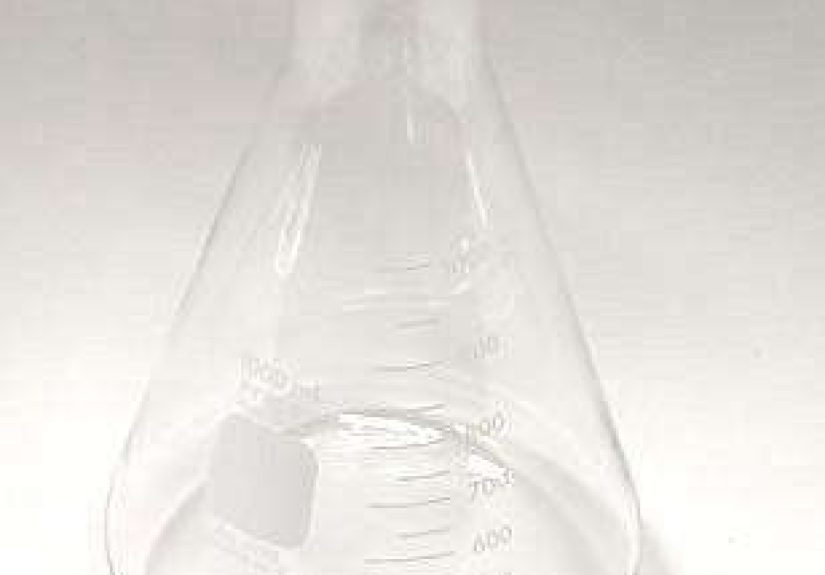
The Corning PYREX 1000-1L model is typically described as a 1 L low-form Griffin beaker with a pouring spout, approximate metric graduations, and an extra-large marking area. It is made from borosilicate glass, a material valued in laboratories because it handles heat changes and chemical exposure better than ordinary household glass.
In plain English: this is not a fancy drinking glass pretending to be scientific. It is actual labware designed for mixing, heating, transferring, and observing liquids under normal laboratory conditions.
Key Features of the Pyrex 1000ml Griffin Beaker
1. One-Liter Capacity
The most obvious feature is its 1000ml capacity. That gives you enough room to prepare solutions, dilute samples, mix ingredients, rinse equipment, or hold a decent amount of liquid without immediately reaching for a larger vessel. For many labs, a 1 L beaker is the “middle child” of glassware: not tiny, not huge, but useful almost every day.
2. Low-Form Griffin Shape
The Griffin design is shorter and wider than tall-form beakers such as Berzelius beakers. This lower profile improves stability on a bench or hot plate. It also makes the beaker easier to stir manually or with a magnetic stir bar. If you have ever watched a tall container wobble like it is auditioning for a disaster movie, you will appreciate the low-form design.
3. Borosilicate Glass Construction
PYREX laboratory beakers are known for borosilicate glass construction. Borosilicate glass has a low coefficient of thermal expansion, which means it expands and contracts less dramatically than ordinary glass when exposed to temperature changes. That helps reduce the risk of thermal breakage when the glassware is used properly.
This does not mean the beaker is magical or unbreakable. It is still glass. Drop it on concrete and physics will file a complaint. But compared with everyday soda-lime glass, borosilicate is much better suited for lab environments.
4. Pouring Spout
The molded spout helps guide liquid when transferring from the beaker into another container. Is it spill-proof? No. Nothing is spill-proof when a tired human is involved. But the spout gives you better control than a plain rim, especially when pouring into flasks, funnels, cylinders, or sample containers.
5. Graduated Scale
The Pyrex 1000ml Griffin beaker usually includes printed metric graduations from approximately 50ml to 1000ml in 50ml increments. These markings are excellent for quick reference and rough measurements.
However, it is important to remember that a beaker is not a precision measuring instrument. If you need exact volume measurement, use a graduated cylinder, volumetric flask, pipette, or burette. A beaker is for approximate measuring, mixing, and handlingnot for winning a volume accuracy beauty pageant.
6. Extra-Large Marking Spot
The large white marking area lets users label the beaker with a pencil, lab marker, or other appropriate labeling method. This is extremely useful in shared labs, classrooms, and workspaces where several beakers may contain similar-looking liquids. “Clear liquid in glass container” is not a good identification system. It is a suspense novel.
Typical Specifications
While specifications can vary slightly depending on the supplier listing and packaging format, the common Pyrex 1000ml Griffin low-form beaker specifications include:
- Capacity: 1000ml or 1 liter
- Style: Griffin low-form beaker
- Material: Borosilicate glass
- Graduation range: Approximately 50ml to 1000ml
- Graduation interval: 50ml
- Approximate height: 158mm
- Approximate outside diameter: 108mm
- Design features: Spout, graduated scale, large marking area
- Common catalog reference: PYREX 1000-1L
These specifications make the beaker suitable for general lab procedures, educational experiments, solution preparation, and everyday bench work.
Best Uses for a Pyrex 1000ml Griffin Beaker
Mixing Solutions
The wide mouth and stable base make this beaker excellent for dissolving powders, mixing liquids, and preparing non-precision solutions. You can stir with a glass rod, use a magnetic stirrer, or swirl gently by hand when appropriate.
Heating Liquids
Because it is made from borosilicate glass, a Pyrex Griffin beaker can be used for many standard heating applications when handled correctly. It works well with hot plates and other suitable lab heating setups. The key phrase is “handled correctly.” Sudden temperature changes, uneven heating, damaged glassware, or improper use can still cause breakage.
Classroom Demonstrations
The 1000ml size is large enough for students to clearly observe reactions, color changes, precipitation, density layers, and mixing behavior. The transparent glass also makes it easier to see what is happening from the side, which is helpful when the front row is pretending to take notes but is actually drawing frogs in the margin.
General Laboratory Storage During Procedures
A beaker can temporarily hold samples, rinse water, buffers, or intermediate mixtures during a workflow. It should not replace sealed storage bottles for long-term storage, especially if chemicals are volatile, reactive, light-sensitive, or contamination-sensitive.
Home Science and Hobby Applications
Outside formal labs, people may use a 1000ml Pyrex Griffin beaker for soap making, candle making, dye mixing, plant nutrient preparation, aquarium testing, and educational home experiments. For safety, it is best to keep labware separate from kitchenware. Once a beaker has been used for chemicals, it should not moonlight as a soup bowl.
Pyrex 1000ml Griffin Beaker vs. Other Beakers
Low Form vs. Tall Form
A low-form Griffin beaker is wider and shorter, making it stable and easy to stir. A tall-form beaker is narrower and taller, which can be useful when reducing evaporation or working with taller liquid columns. For everyday mixing and general lab work, the Griffin style is usually the more versatile choice.
Glass vs. Plastic Beakers
Plastic beakers are lightweight, inexpensive, and less likely to shatter. They are useful for many room-temperature tasks. However, glass beakers offer better heat resistance, better visibility, and stronger compatibility with many chemicals. If heating is involved, borosilicate glass usually wins.
Beaker vs. Graduated Cylinder
A beaker is convenient. A graduated cylinder is more accurate. Use the beaker when you need to mix, heat, or hold a liquid. Use the graduated cylinder when volume accuracy matters. A beaker saying “close enough” is fine for some tasks. It is not fine for analytical work that demands precision.
How to Choose the Right Pyrex 1000ml Griffin Beaker
When buying a Pyrex 1000ml Griffin beaker, look for the correct capacity, the PYREX laboratory glassware brand, borosilicate material, clear graduations, and a reliable supplier. If the listing mentions Corning 1000-1L, that is a strong sign you are looking at the standard 1 L low-form Griffin beaker.
Check whether the product is sold individually, in a pack, or by the case. Many professional suppliers sell glassware in packs of six or cases of twenty-four, while educational and hobby retailers may offer single units. Also inspect shipping details. Glassware is wonderfully useful but not exactly famous for enjoying careless delivery.
If you are buying for a school, lab, or business, it may be worth choosing a supplier that provides product documentation, replacement consistency, and customer support. Saving a few dollars is nice; receiving a mystery beaker wrapped in newspaper and hope is less nice.
Care and Safety Tips
Inspect Before Use
Before using any glass beaker, check for chips, cracks, scratches, cloudy stress marks, or rough edges. Damaged glassware should be removed from service. A tiny chip may look harmless until heat, pressure, or mechanical stress turns it into a dramatic problem.
Avoid Sudden Temperature Changes
Borosilicate glass handles heat well, but sudden thermal shock can still cause breakage. Do not take a hot beaker and place it on a cold wet surface. Do not pour cold liquid into very hot glassware unless the procedure specifically allows it and proper precautions are in place. Let hot glass cool gradually.
Use Proper Heating Methods
When heating liquids, use appropriate lab equipment and avoid uneven heating. Stirring can help distribute heat. Never heat a closed beaker, and never assume glassware is cool just because it looks cool. Hot glass has the emotional range of a poker player: it gives nothing away.
Clean Carefully
Wash the beaker with suitable lab detergent, rinse thoroughly, and allow it to dry in a safe position. Avoid abrasive tools that can scratch the surface. Scratches may weaken glass and make future breakage more likely.
Store Properly
Store beakers where they will not be knocked over or stacked carelessly. If stacking is necessary, do it gently and avoid jamming beakers together. The goal is storage, not a glassware wrestling match.
Common Mistakes to Avoid
- Using it for exact measurement: Beaker graduations are approximate.
- Ignoring chips and cracks: Damaged glassware should not be used.
- Heating too aggressively: Gradual heating is safer and more controlled.
- Mixing lab and kitchen use: Keep chemical glassware out of food preparation.
- Forgetting labels: Label containers clearly during experiments.
- Pouring too quickly: The spout helps, but it does not cancel gravity.
Who Should Buy a Pyrex 1000ml Griffin Beaker?
This beaker is a smart choice for chemistry teachers, biology labs, university students, research technicians, quality-control teams, makers, and serious hobbyists. It is especially useful for anyone who needs durable, transparent, heat-resistant glassware for general measuring, mixing, and heating tasks.
It may be more than you need if you only want a decorative container or a casual measuring cup. But if you need real laboratory-style performance, the Pyrex 1000ml Griffin beaker is a practical investment. It is simple, reliable, and wonderfully unfussythe lab equivalent of a good pair of work boots.
Hands-On Experience: What It Feels Like to Use a Pyrex 1000ml Griffin Beaker
Using a Pyrex 1000ml Griffin beaker feels refreshingly straightforward. The first thing you notice is the balance. A one-liter beaker has enough size to feel substantial, but the low-form design keeps it from feeling awkward. When placed on a bench, it sits with confidence. It does not feel tippy or delicate in the way taller glass containers sometimes can.
The wide mouth is one of its biggest practical advantages. Pouring powders into a narrow container can feel like trying to park a truck in a bicycle lane. With the Griffin beaker, adding solids, liquids, stir bars, thermometers, or glass rods is much easier. The opening gives you room to work, and the clear glass lets you monitor color, cloudiness, bubbles, sediment, and mixing progress from every angle.
During mixing, the 1000ml size is especially comfortable. A 250ml beaker can feel cramped, while a 2000ml beaker may feel excessive for routine tasks. The 1 L size sits in the sweet spot. It is roomy enough for 500ml to 800ml of liquid with some headspace, which helps reduce splashing during stirring. That extra space matters. Anyone who has overfilled a beaker and then watched a magnetic stir bar create a tiny indoor whirlpool understands this lesson deeply.
The graduations are also helpful for quick workflow decisions. If you need about 600ml of rinse water, buffer, dye solution, or test liquid, the printed scale saves time. You do not need to reach for a graduated cylinder unless accuracy is important. The markings are not meant for exact analytical measurement, but they are excellent for fast visual reference.
The pouring spout makes transfers smoother, especially when you pour slowly and keep the beaker steady. It is not perfect; liquid can still run down the side if you rush. But compared with pouring from a plain glass rim, the spout feels like a small luxury. It gives the liquid a preferred exit route, which is more than can be said for many containers.
Cleaning is usually simple because the beaker is wide enough to reach with a proper brush. The large marking spot is another underrated feature. In a busy workspace, labeling is not optional. It prevents confusion, saves time, and keeps “What is this clear liquid?” from becoming the most terrifying question in the room.
The best experience-related advice is to treat the beaker like durable glassware, not indestructible glassware. Let it heat gradually. Let it cool gradually. Do not knock it against the sink. Do not stack it carelessly. Do not use it if it looks damaged. When respected, the Pyrex 1000ml Griffin beaker becomes one of those tools you reach for constantly without thinking about it. And that is the real compliment: great labware does its job so well that it becomes part of the rhythm of the work.
Final Verdict
The Pyrex 1000ml Griffin beaker is a classic piece of laboratory glassware for good reason. It offers a practical 1 L capacity, stable low-form shape, borosilicate glass construction, readable graduations, a useful spout, and a convenient marking area. It is not a precision measuring device, and it should be handled with proper glassware safety habits, but for general mixing, heating, observing, and transferring, it is hard to beat.
For schools, labs, makers, and science-minded users, this beaker is the kind of tool that earns its shelf space quickly. It may not look exciting at first glance, but give it one busy afternoon on the bench and it will prove its worth. Sometimes the most dependable tools are the ones that do not try to be flashy. They just hold a liter of liquid and get on with the work.