Table of Contents >> Show >> Hide
- Why Leg of Lamb Is Perfect for a Feast
- Ingredients for a Mouthwatering Roast Leg of Lamb
- How to Prepare Leg of Lamb Before Cooking
- Best Oven Temperature for Roasting Leg of Lamb
- Step-by-Step: How to Cook Leg of Lamb
- How Long to Cook Leg of Lamb Per Pound
- Best Side Dishes for Roast Leg of Lamb
- How to Make a Simple Pan Sauce
- Common Mistakes When Cooking Leg of Lamb
- How to Store and Reheat Leftover Lamb
- Extra Experience: Real-World Tips for a Better Leg of Lamb Feast
- Conclusion
Note: This article is based on widely accepted U.S. food-safety guidance and tested roasting techniques from reputable American cooking resources, rewritten into original, web-ready content.
Few dishes walk into a dining room with the confidence of a roasted leg of lamb. Turkey has its holiday reputation, prime rib has its steakhouse swagger, and ham has its glossy glazebut leg of lamb? Leg of lamb arrives like it owns the table, wearing a coat of garlic, rosemary, olive oil, and golden-brown deliciousness.
The good news is that learning how to cook leg of lamb is much easier than it looks. You do not need a culinary school degree, a French accent, or a kitchen full of copper pans. What you need is a good cut of lamb, the right seasoning, a reliable meat thermometer, and enough patience not to carve into it the second it leaves the oven. Yes, the resting period is real. No, staring at it aggressively will not make it faster.
This guide covers everything you need to know to make a juicy roast leg of lamb, from choosing bone-in or boneless lamb to seasoning, roasting, checking internal temperature, carving, serving, and using leftovers. Whether you are planning Easter dinner, a holiday feast, a Sunday roast, or a “let’s pretend we’re fancy tonight” meal, this method will help you serve lamb that is tender, flavorful, and memorable.
Why Leg of Lamb Is Perfect for a Feast
Leg of lamb is a classic centerpiece because it delivers big flavor without requiring fussy technique. It has a rich, savory taste that pairs beautifully with herbs, citrus, garlic, mustard, potatoes, carrots, onions, mint sauce, yogurt sauce, and red wine gravy. In other words, lamb is not shy. It likes bold friends.
A whole leg of lamb can feed a crowd, especially when served with hearty sides. A bone-in leg usually offers dramatic presentation and deep flavor, while a boneless leg is easier to carve and season evenly. Both can be excellent. The best choice depends on your comfort level and the kind of meal you want to serve.
Bone-In Leg of Lamb vs. Boneless Leg of Lamb
A bone-in leg of lamb often looks more impressive on the platter and may have slightly richer flavor because the bone helps insulate the meat during roasting. It is a great choice for a traditional holiday roast. The only downside is carving around the bone, which can feel like solving a meaty puzzle if you have never done it before.
A boneless leg of lamb is usually butterflied, rolled, and tied with kitchen twine. It cooks more evenly, absorbs seasoning well, and is easier to slice. If you are nervous about roasting lamb for the first time, boneless is the friend who says, “Relax, I’ve got you.”
Ingredients for a Mouthwatering Roast Leg of Lamb
The best leg of lamb recipe does not need a mile-long ingredient list. Lamb has enough personality on its own, so the goal is to enhance it, not cover it up like a bad haircut.
Basic Ingredients
- 1 leg of lamb, 4 to 7 pounds, bone-in or boneless
- 4 to 6 garlic cloves, minced or sliced
- 2 tablespoons fresh rosemary, chopped
- 1 tablespoon fresh thyme leaves
- 2 tablespoons Dijon mustard
- 2 tablespoons olive oil
- 1 tablespoon lemon zest
- 2 tablespoons lemon juice
- 1 1/2 to 2 teaspoons kosher salt, depending on size
- 1 teaspoon black pepper
- 1 cup broth, wine, or water for the roasting pan
You can add extras such as oregano, mint, parsley, smoked paprika, cumin, anchovy paste, shallots, honey, or orange zest. Just remember: the classic combination of garlic rosemary leg of lamb exists for a reason. It works every time.
How to Prepare Leg of Lamb Before Cooking
Preparation is where flavor begins. You can simply season the outside and roast, but a little extra effort helps the seasoning move deeper into the meat.
Trim Excess Fat, But Do Not Remove It All
Lamb fat carries flavor, but too much exterior fat can taste heavy. Trim thick, waxy areas while leaving a thin layer to protect the meat during roasting. If using boneless lamb, open it up and check for large pockets of interior fat. Removing some of that fat can soften the stronger “lamby” taste that some people find intense.
Make Small Cuts for Garlic and Herbs
For a traditional roast, make small slits in the surface of the lamb and tuck in thin garlic slices and rosemary sprigs. This creates little flavor pockets that perfume the meat as it cooks. Do not go wild and stab the roast like it owes you money. Small, shallow cuts are enough.
Use a Marinade or Dry Rub
A marinade with olive oil, lemon juice, garlic, rosemary, thyme, and Dijon mustard gives lamb brightness and depth. For best results, marinate the lamb for at least 2 to 4 hours, or overnight in the refrigerator. If time is short, even 45 minutes with a bold rub can make a difference.
If marinating overnight, keep the lamb covered and refrigerated. Before roasting, remove it from the fridge about 45 to 60 minutes ahead of time. This helps the meat cook more evenly. Do not leave it out for hours; this is dinner, not a science experiment.
Best Oven Temperature for Roasting Leg of Lamb
There are two popular ways to roast leg of lamb: the classic high-heat start and the low-and-slow method.
Method 1: High-Heat Start, Moderate Finish
This is the classic approach. Start the lamb in a hot oven, around 425°F, for 15 to 20 minutes to encourage browning. Then reduce the temperature to 325°F or 350°F and continue roasting until the center reaches the desired internal temperature.
This method gives you a flavorful crust and a tender interior without taking all day. It is ideal for most home cooks and works beautifully for both bone-in and boneless leg of lamb.
Method 2: Low-and-Slow Roast
The low-and-slow method cooks lamb at a gentler temperature, often around 275°F to 300°F, until it is evenly cooked. Some cooks finish with a blast of high heat to brown the outside. This approach is especially helpful for boneless lamb because it reduces the risk of overcooking the outer layers before the center is done.
Low-and-slow roasting takes longer, but the reward is evenly pink, tender meat. It is the calm, meditative path. The classic method is the “guests are arriving in two hours” path.
Step-by-Step: How to Cook Leg of Lamb
Step 1: Season the Lamb
Pat the lamb dry with paper towels. Mix olive oil, garlic, rosemary, thyme, Dijon mustard, lemon zest, lemon juice, salt, and pepper into a paste. Rub it all over the lamb, including inside any butterflied sections if using boneless meat. If the lamb is boneless, roll it back up and tie it with kitchen twine so it holds an even shape.
Step 2: Prepare the Roasting Pan
Place the lamb on a rack in a roasting pan, fat side up. Add broth, wine, or water to the bottom of the pan to prevent drippings from burning. You can also scatter potatoes, carrots, onions, and garlic cloves around the roast. These vegetables soak up the lamb juices and become dangerously snackable.
Step 3: Roast at High Heat
Preheat the oven to 425°F. Roast the lamb for 15 to 20 minutes. This helps brown the surface and wake up the herbs and garlic. Your kitchen should begin smelling like you made very good life choices.
Step 4: Lower the Heat
Reduce the oven temperature to 325°F or 350°F. Continue roasting until the thickest part of the lamb reaches your target temperature. Insert the thermometer into the center of the meat, avoiding bone and large pockets of fat.
Step 5: Check Internal Temperature
For food safety, whole lamb roasts should reach a minimum internal temperature of 145°F followed by at least a 3-minute rest. Because meat continues to rise in temperature after leaving the oven, you can usually remove the roast when it is about 5°F below your final goal, depending on the size of the roast and how hot your oven was.
Here is a practical guide:
- Medium-rare finish: about 145°F after resting
- Medium: about 150°F to 155°F
- Medium-well: about 160°F
- Well done: about 165°F and above
If you want tender, juicy lamb, avoid pushing it too far past medium unless your guests specifically prefer it that way. Overcooked lamb can become dry and stronger-tasting, which is how some people develop lifelong trust issues with holiday roasts.
Step 6: Rest Before Carving
Transfer the lamb to a cutting board and tent it loosely with foil. Let it rest for 15 to 25 minutes, depending on size. Resting allows the juices to redistribute, making each slice more tender. Cutting too soon lets the juices run all over the board, which is tragic because gravy belongs in a boat, not escaping across your countertop.
Step 7: Carve and Serve
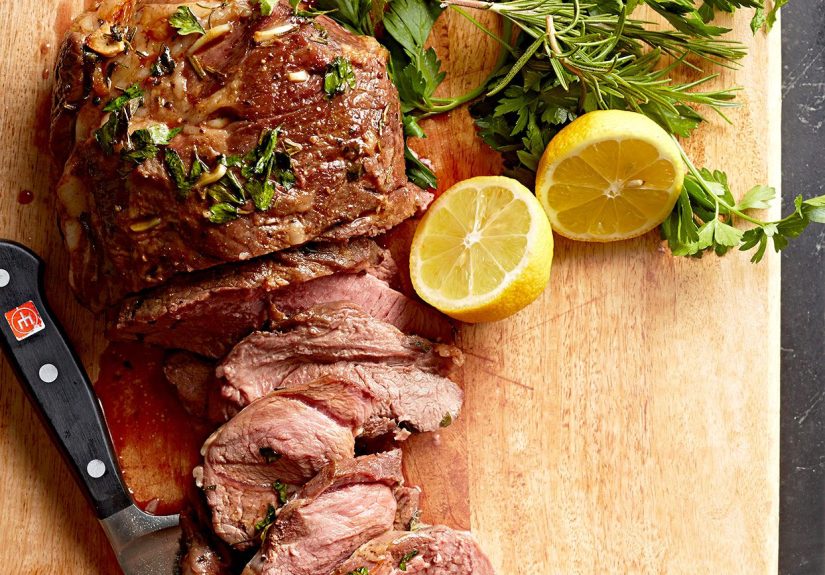
For boneless lamb, remove the twine and slice across the grain into thin pieces. For bone-in lamb, cut slices from the meaty side first, then rotate the leg and continue carving around the bone. Keep slices even, and serve with pan juices, gravy, mint sauce, or a lemony yogurt sauce.
How Long to Cook Leg of Lamb Per Pound
Cooking time depends on the size, shape, bone, starting temperature, and oven accuracy. A meat thermometer is always better than guessing. Still, these estimates can help you plan:
- Boneless leg of lamb at 325°F: about 20 to 25 minutes per pound
- Bone-in leg of lamb at 325°F: about 18 to 25 minutes per pound
- Low-and-slow at 275°F: often 30 minutes per pound or more
Start checking early. A roast can always cook longer, but once it is overdone, you cannot send it back in time. Unless your oven comes with a time machine, in which case please invite everyone.
Best Side Dishes for Roast Leg of Lamb
Leg of lamb is rich, so the best side dishes balance it with freshness, acidity, herbs, or comforting starches. Roasted potatoes are the obvious classic because they absorb lamb drippings like tiny golden flavor sponges.
Classic Pairings
- Roasted potatoes with garlic and rosemary
- Glazed carrots or roasted root vegetables
- Green beans with lemon and almonds
- Greek salad with cucumber, tomato, olives, and feta
- Mint sauce or mint chimichurri
- Yogurt sauce with lemon, garlic, and dill
- Red wine gravy made from pan drippings
For a Mediterranean-style feast, serve lamb with couscous, herbed rice, tzatziki, grilled vegetables, and warm pita. For a more traditional American holiday table, go with mashed potatoes, asparagus, dinner rolls, and a crisp green salad.
How to Make a Simple Pan Sauce
After roasting, do not waste the browned bits in the pan. They are tiny flavor diamonds. Skim off excess fat, then place the roasting pan over medium heat if it is stovetop-safe. Add a splash of wine, broth, or water and scrape up the browned bits. Simmer until slightly reduced. Whisk in a small knob of butter for shine and richness.
If you want a thicker gravy, mix 1 tablespoon of flour or cornstarch with a little cool liquid, then whisk it into the simmering pan juices. Taste before adding salt because the drippings may already be well seasoned.
Common Mistakes When Cooking Leg of Lamb
Skipping the Thermometer
Guessing doneness by time alone is risky. A thick bone-in roast and a flatter boneless roast can cook very differently. Use an instant-read thermometer or leave-in probe thermometer for accuracy.
Underseasoning the Meat
Lamb is a large cut, so it needs confident seasoning. Salt, herbs, garlic, citrus, and mustard help the flavor travel beyond the surface.
Carving Too Soon
Resting is not optional if you want juicy slices. Give the roast time to relax. It has been through a lot.
Cooking Straight from the Refrigerator
Letting the roast sit at room temperature for about 45 to 60 minutes before cooking helps it roast more evenly. Just keep food safety in mind and do not leave it out too long.
How to Store and Reheat Leftover Lamb
Store leftover lamb in an airtight container in the refrigerator for 3 to 4 days. For best texture, keep larger pieces intact and slice only what you need. Thin slices dry out faster.
To reheat, place lamb in a covered baking dish with a splash of broth and warm gently at 275°F to 300°F until heated through. You can also enjoy leftover lamb cold in sandwiches, wraps, salads, grain bowls, or pita pockets with yogurt sauce. Leftover lamb with roasted vegetables and a fried egg is also excellent, and yes, it counts as breakfast if you believe in yourself.
Extra Experience: Real-World Tips for a Better Leg of Lamb Feast
Cooking leg of lamb becomes much easier once you stop treating it like a mysterious luxury item and start treating it like what it is: a beautiful roast that rewards patience. One of the best experiences you can build into the process is planning backward from serving time. If dinner is at 6:30 p.m., do not put the lamb in the oven at 6:05 and hope confidence will season it. Give yourself time for marinating, roasting, resting, carving, and making sauce.
A useful habit is to prepare the herb paste the night before. Mix garlic, rosemary, thyme, lemon zest, Dijon mustard, olive oil, salt, and pepper, then rub it over the lamb and refrigerate it covered. The next day, the meat already smells incredible before it even sees the oven. This also reduces stress when guests arrive, because nothing says “calm host” like not frantically peeling garlic while wearing nice clothes.
Another experience-based tip: place vegetables under or around the lamb only if they can handle the cooking time. Potatoes, carrots, onions, parsnips, and whole garlic cloves are sturdy choices. More delicate vegetables, such as asparagus or green beans, should be cooked separately. Otherwise, they may turn into sad green strings while the lamb finishes roasting.
If you are cooking lamb for guests who say they “do not like lamb,” the problem is often overcooking or heavy fat, not the meat itself. Trim excess fat, use lemon or vinegar for brightness, and avoid roasting it into dryness. A medium finish with a fresh sauce can change minds. A mint chimichurri with parsley, mint, garlic, olive oil, lemon juice, and a pinch of red pepper flakes makes lamb taste lively rather than heavy.
Carving is also easier with a little strategy. For boneless lamb, remove the twine, find the direction of the grain, and slice across it. Thin slices feel more tender and elegant. For bone-in lamb, carve parallel slices from the large meaty section first, then cut around the bone to remove remaining pieces. Do not worry if every slice is not magazine-perfect. Once it is on a platter with herbs and pan sauce, everyone will be too busy eating to inspect your knife angles.
Presentation matters, but it does not need to be complicated. Arrange slices on a warm platter, spoon over a little pan juice, and scatter fresh herbs on top. Add lemon wedges, roasted garlic, or a small bowl of sauce on the side. If you roasted potatoes in the same pan, place them around the lamb like edible applause.
Finally, remember that a feast is not only about the roast. It is about timing, aroma, color, texture, and the moment when people take the first bite and go quiet for a second. That silence is the real review. When leg of lamb is juicy, well-seasoned, properly rested, and served with bright sides, it turns dinner into an occasion. And if there are leftovers, congratulations: tomorrow’s sandwich just got promoted.
Conclusion
Learning how to cook leg of lamb for a mouthwatering feast is mostly about respecting the cut. Season it generously, roast it with care, use a thermometer, let it rest, and carve it properly. The process may look impressive, but it is built on simple steps. Garlic, rosemary, lemon, olive oil, and the right internal temperature can turn a humble roast into the kind of meal people talk about later.
Whether you choose bone-in or boneless, classic roasting or low-and-slow, the goal is the same: tender lamb with a savory crust, juicy slices, and sides that make the whole table feel abundant. Cook it once, and you may discover that leg of lamb is not just for holidays. It is for any day you want dinner to feel like a celebration.