Table of Contents >> Show >> Hide
- Why Some Healthy Foods Don’t Fit the Keto Diet
- 10 Healthy Foods You Can’t Eat on the Keto Diet
- Why Keto Restricts Foods That Nutrition Experts Often Recommend
- How to Build a Healthier Keto Plate
- Are These Foods Completely Forbidden?
- Who Should Be Careful With Keto?
- Practical Experiences: What It Feels Like to Avoid Healthy Foods on Keto
- Conclusion
Let’s clear up one thing before the avocado fan club arrives with pitchforks: “healthy” and “keto-friendly” are not the same thing. A food can be packed with vitamins, fiber, minerals, antioxidants, and all the nutritional good vibes your grocery cart can handleyet still be too high in carbohydrates for a strict ketogenic diet.
The keto diet is a very low-carbohydrate, high-fat eating pattern designed to push the body into ketosis, a metabolic state where fat becomes the main fuel source instead of glucose. To get there, many people limit carbs to roughly 20 to 50 grams per day. That number is tiny. It is so tiny that a medium banana can walk in, sit down, and take up most of the carb budget like it owns the place.
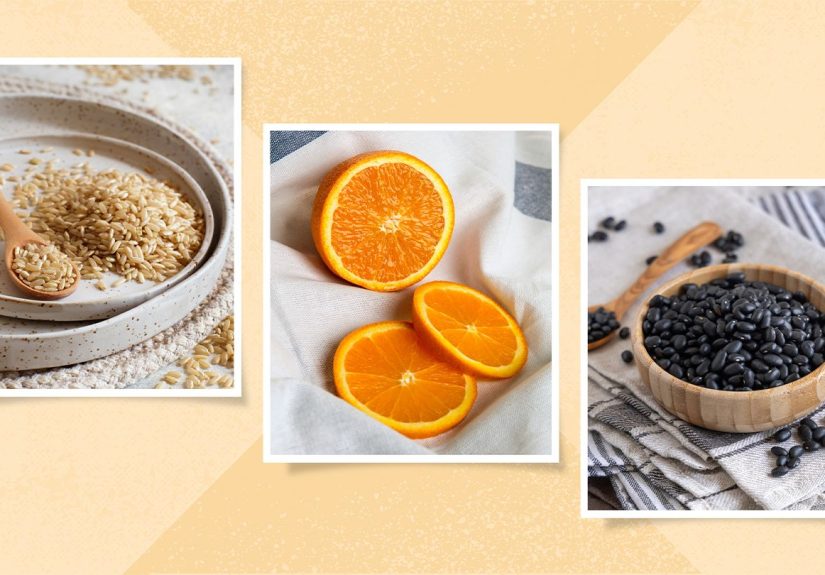
That is why many wholesome foodsfruit, beans, oats, sweet potatoes, quinoa, and even some dairyoften get pushed off the plate. This article breaks down 10 healthy foods you usually can’t eat on the keto diet, why they are restricted, and what you can eat instead without turning dinner into a sad lettuce convention.
Why Some Healthy Foods Don’t Fit the Keto Diet
The main issue is carbohydrates. Keto does not only restrict cookies, soda, and pastries. It also limits natural sources of carbs found in fruits, whole grains, legumes, milk, and starchy vegetables. These foods are commonly recommended in balanced eating patterns, but on keto, their carb content can interfere with ketosis.
That does not make these foods “bad.” In fact, many of them are excellent for people following a general healthy diet. The keto diet is simply more restrictive than many other eating styles. Think of it like packing for a budget airline: the food may be valuable, but if it exceeds the carb allowance, it is not getting through the gate.
10 Healthy Foods You Can’t Eat on the Keto Diet
1. Bananas
Bananas are famous for potassium, natural sweetness, and being the official fruit of “I forgot breakfast.” They are convenient, affordable, and gentle on the stomach. Unfortunately, they are also high in carbohydrates compared with keto limits.
A medium banana contains enough carbs to use up a large portion of a typical daily keto allowance. For someone trying to stay under 20 to 50 grams of carbs per day, that is a problem. Bananas also contain natural sugars, which can make it harder to maintain ketosis.
Keto-friendly swap: Try a small serving of raspberries, blackberries, or strawberries. Berries still contain carbs, but they are generally lower in sugar and can fit into some keto meal plans in controlled portions.
2. Apples
Apples have earned their healthy reputation. They contain fiber, vitamin C, and plant compounds that support overall wellness. They are also crisp, portable, and unlikely to leak mystery juice into your backpack, which is more than we can say for some fruits.
However, apples are not usually keto-friendly because their natural sugar and carbohydrate content can add up quickly. Eating a whole apple may not sound dramatic, but on keto, it can take a big bite out of your carb budget.
Keto-friendly swap: Choose a few slices of cucumber with cream cheese, celery with almond butter, or a small berry portion if you want something fresh and lightly sweet.
3. Grapes
Grapes are tiny, juicy, antioxidant-rich snacks. The trouble is that they are very easy to overeat. Nobody eats three grapes and says, “Perfect, my work here is done.” A serving can disappear faster than your phone battery at 2%.
Because grapes are relatively high in natural sugar, they are usually avoided on strict keto. Even a modest bowl can contribute enough carbs to disrupt a carefully planned day.
Keto-friendly swap: Try olives, cherry tomatoes in small amounts, or cheese cubes if you want a snack that feels bite-sized and satisfying.
4. Sweet Potatoes
Sweet potatoes are nutritional all-stars. They provide beta-carotene, potassium, fiber, and a naturally sweet flavor that makes regular potatoes look like they forgot to dress up for dinner.
Still, sweet potatoes are starchy vegetables, and starch is a carbohydrate. On keto, that makes them difficult to include except in very tiny portions. A normal serving can exceed what many keto eaters can manage while staying in ketosis.
Keto-friendly swap: Mashed cauliflower is the classic replacement. Roasted radishes, turnips, or rutabaga in small portions can also offer a hearty texture with fewer carbs than sweet potatoes.
5. Quinoa
Quinoa gets treated like a grain, although it is technically a seed. It contains plant-based protein, fiber, magnesium, and essential amino acids. It is popular in salads, bowls, and meal-prep containers that look suspiciously more organized than the rest of our lives.
But quinoa is still carb-dense. Even though it is more nutrient-rich than many refined grains, it usually does not fit strict keto macros. A standard serving can provide too many carbs for someone trying to stay very low-carb.
Keto-friendly swap: Use cauliflower rice, shredded cabbage, chopped zucchini, or hearts of palm rice as a lower-carb base for bowls and stir-fries.
6. Oats
Oats are a breakfast favorite for good reason. They contain soluble fiber, including beta-glucan, and can support fullness. Oatmeal is warm, comforting, and basically a blanket in a bowl.
Unfortunately, oats are high in carbohydrates. Even plain oats without sugar, syrup, or fruit can be too carb-heavy for keto. Instant flavored oatmeal is even more challenging because it often includes added sugars.
Keto-friendly swap: Try chia seed pudding made with unsweetened almond milk, hemp hearts, flaxseed meal, or a low-carb “noatmeal” made from seeds and nuts.
7. Lentils
Lentils are budget-friendly, protein-rich, and loaded with fiber. They are a staple in many healthy eating patterns and are especially useful for plant-based meals. Lentil soup has comfort-food energy without requiring a culinary degree.
On keto, though, lentils are usually restricted because they contain a significant amount of carbohydrates. Their fiber helps slow digestion, but total carbs still matter when the daily limit is extremely low.
Keto-friendly swap: For a hearty texture, use mushrooms, chopped walnuts, ground tofu in moderate portions, or low-carb vegetables cooked with spices. For protein, eggs, fish, poultry, tofu, tempeh in controlled portions, or cheese may fit better depending on the plan.
8. Black Beans
Black beans are another food that is healthy in most balanced diets but tricky on keto. They provide fiber, plant-based protein, iron, magnesium, and a satisfying texture that makes tacos, soups, and bowls much better.
The problem is that beans are legumes, and legumes contain carbohydrates. A normal serving of black beans can quickly exceed a strict keto target. That is why beans, lentils, chickpeas, and peas are commonly limited or avoided.
Keto-friendly swap: In Mexican-inspired meals, try seasoned ground meat, grilled vegetables, avocado, shredded lettuce, cheese, sour cream, and salsa in moderation. You will miss the beans less when the seasoning shows up ready to work.
9. Chickpeas
Chickpeas are the backbone of hummus, falafel, and many Mediterranean-style dishes. They contain fiber, protein, and minerals, and they are versatile enough to go from salad to dip to crispy snack without complaining.
Even so, chickpeas are not usually keto-friendly. Like other legumes, they contain too many carbs for strict ketogenic eating. Hummus may seem harmless, but the serving size matters, and the carbs can add up quickly when paired with pita, crackers, or vegetables.
Keto-friendly swap: Try dips made with avocado, roasted eggplant, Greek yogurt in small amounts, cream cheese, or cauliflower. Pair them with cucumber slices, celery sticks, bell pepper strips in moderation, or pork-free cheese crisps if they fit your preferences.
10. Low-Fat Milk and Sweetened Yogurt
Milk and yogurt can be nutritious sources of calcium, protein, and other important nutrients. But regular milk contains lactose, a natural milk sugar. Sweetened yogurt often adds even more sugar, making it one of the sneakiest carb sources in the dairy aisle.
Low-fat dairy can be especially tricky on keto because removing fat does not remove the carbs. In some products, sugar is added to improve flavor. That means a “healthy” yogurt cup can behave like dessert wearing a gym shirt.
Keto-friendly swap: Choose unsweetened Greek yogurt in small portions, full-fat plain yogurt if it fits your plan, unsweetened almond milk, or unsweetened coconut milk. Always check the nutrition label because dairy products vary widely.
Why Keto Restricts Foods That Nutrition Experts Often Recommend
Many foods on this list are encouraged in general healthy eating patterns. Fruits, legumes, whole grains, and starchy vegetables can provide fiber, vitamins, minerals, and beneficial plant compounds. For many people, these foods support heart health, digestion, and long-term wellness.
Keto is different because its main goal is carbohydrate restriction. It is not simply a “clean eating” plan. It is a metabolic strategy that depends on keeping carbs very low. That is why a candy bar and a bowl of lentils can both be “too high-carb,” even though they are clearly not equal from a nutrition standpoint.
This is where people get confused. Keto-friendly does not automatically mean healthier, and non-keto does not mean unhealthy. Bacon may fit keto macros more easily than a bowl of oatmeal, but that does not make bacon the universal champion of breakfast nutrition. Context matters.
How to Build a Healthier Keto Plate
If you are following keto, the quality of your food choices still matters. A healthier keto plate usually includes non-starchy vegetables, healthy fats, adequate protein, and enough fiber to keep digestion from staging a protest.
Focus on low-carb vegetables
Good options include spinach, kale, lettuce, broccoli, cauliflower, zucchini, cucumber, asparagus, mushrooms, and cabbage. These foods help add volume, micronutrients, and fiber without pushing carbs too high.
Choose fats carefully
Avocado, olive oil, nuts, seeds, and fatty fish can provide more beneficial fats than relying heavily on processed meats or large amounts of butter. Keto should not be an excuse to treat every meal like a cheese parade with a side of regret.
Watch hidden carbs
Sauces, dressings, flavored yogurts, protein bars, “keto” packaged snacks, and restaurant meals can contain more carbs than expected. Reading labels is not glamorous, but neither is accidentally eating your whole carb limit before lunch.
Think about sustainability
A diet only works if it fits your life, health needs, culture, budget, and preferences. Some people use keto short term under professional guidance. Others feel better with a moderate low-carb plan that includes fruit, beans, and whole grains in sensible portions.
Are These Foods Completely Forbidden?
Not always. Some people following a less strict low-carb diet may include small portions of fruit, legumes, oats, or sweet potatoes. Others following strict keto may avoid them almost entirely. The difference comes down to total daily carbs, personal goals, medical needs, activity level, and how closely someone is trying to maintain ketosis.
For example, a spoonful of black beans in a salad is very different from a full burrito bowl with rice, beans, corn, and sweet sauce. A few berries may fit. A large smoothie with banana, mango, oats, and honey probably will not. Portion size is the quiet little detail that changes everything.
Who Should Be Careful With Keto?
Keto is not ideal for everyone. People with certain medical conditions, those taking diabetes medications, pregnant or breastfeeding individuals, people with a history of disordered eating, and anyone with kidney, liver, gallbladder, or cholesterol concerns should speak with a qualified healthcare professional before making major diet changes.
Because keto can limit fiber-rich foods, some people experience constipation, low energy, headaches, or difficulty maintaining the plan. Nutrient gaps can also happen when fruits, whole grains, legumes, and some vegetables are removed without careful planning.
The safest approach is not to copy a random internet meal plan created by someone named “KetoBeast_47.” Work with a registered dietitian or healthcare provider if keto is being used for weight management, blood sugar control, epilepsy, or another medical reason.
Practical Experiences: What It Feels Like to Avoid Healthy Foods on Keto
One of the strangest experiences people report when starting keto is realizing that the foods they have always considered healthy are suddenly “off limits.” It can feel backward. You walk into the kitchen thinking, “I’ll make a responsible breakfast,” reach for oatmeal, and then remember that oats are not part of the plan. The oatmeal did nothing wrong. It simply brought too many carbs to the meeting.
Fruit is often the first emotional speed bump. Many people are used to grabbing bananas, apples, grapes, or smoothies as healthy snacks. On keto, those easy choices are suddenly replaced with eggs, cheese, avocado, nuts, or low-carb vegetables. That switch can be satisfying for some people, but for others, it feels like losing the bright, juicy part of the day. A bowl of berries can help, but it does not always replace the convenience of peeling a banana in five seconds and calling it breakfast.
Social meals can be another challenge. Beans, rice, potatoes, lentils, corn, and whole grains show up in many family recipes and cultural dishes. Avoiding them can make meals feel less familiar. A person may sit down to dinner and realize the “healthy” dish everyone else is eatinglentil soup, quinoa salad, roasted sweet potatoes, or black bean tacosdoes not fit their keto target. That can make keto feel less like a diet and more like a negotiation with every plate.
Meal prep also changes. Instead of cooking a big pot of oats, rice, beans, or quinoa for the week, keto meal prep often leans on proteins, leafy greens, cauliflower rice, zucchini noodles, eggs, and high-fat sauces. This can work well, but it requires a different shopping rhythm. The produce drawer becomes less about apples and sweet potatoes and more about spinach, mushrooms, cucumbers, broccoli, and cauliflower. Cauliflower, in particular, becomes the unpaid intern of keto cooking: rice, mash, crust, soup thickener, and sometimes emotional support.
Another real-life lesson is that “low carb” does not automatically mean “easy digestion.” Removing beans, oats, fruit, and whole grains may reduce fiber intake unless low-carb vegetables, chia seeds, flaxseeds, nuts, and leafy greens are included intentionally. Some people learn this the hard way after a few days of cheese-heavy meals. The body has opinions, and it sends memos.
People also discover that labels matter. A yogurt that looks healthy may contain added sugar. A protein bar with “keto” on the wrapper may still be highly processed. A salad can become high-carb if it includes dried fruit, candied nuts, beans, corn, croutons, and sweet dressing. Keto makes many people more aware of ingredients, which can be useful, but it can also become stressful if taken too far.
The biggest experience, though, is learning the difference between restriction and personalization. Some people feel better eating very low carb. Others miss the variety, fiber, and flexibility of a broader diet. A healthy relationship with food leaves room for adjustment. If strict keto makes nutritious foods feel like enemies, a moderate low-carb approach may be more realistic. After all, apples, lentils, oats, and sweet potatoes are not villains. They are just not usually invited to the strict keto party.
Conclusion
The keto diet can be effective for certain goals and medical uses, but it is also highly restrictive. Many foods you can’t eat on the keto diet are actually healthy foods in other eating patterns. Bananas, apples, grapes, sweet potatoes, quinoa, oats, lentils, black beans, chickpeas, and sweetened dairy products all offer nutrients, but their carb content makes them difficult to fit into strict keto.
The key takeaway is simple: keto-friendly is a carb category, not a moral ranking. If you follow keto, choose nutrient-dense low-carb foods, pay attention to fiber, and consider professional guidance. If you do not follow keto, many of the foods on this list can absolutely belong in a balanced diet. Nutrition is not a courtroom drama. The banana is not guiltyit just has carbs.