Table of Contents >> Show >> Hide
- What a Sunburn Really Is
- Best Home Remedies for Sunburn
- 1. Cool Water Is the First Hero
- 2. Aloe Vera Is Popular for a Reason
- 3. Use a Gentle Moisturizer Early and Often
- 4. Drink More Water Than Usual
- 5. Consider Over-the-Counter Pain Relief
- 6. Try a Colloidal Oatmeal or Baking Soda Bath for Itch and Irritation
- 7. Wear Loose, Soft Clothing
- 8. Leave Blisters and Peeling Skin Alone
- What Not to Put on a Sunburn
- When Home Care Is Not Enough
- How Long Does a Sunburn Last?
- How to Prevent the Next Sunburn
- Final Thoughts
- Experiences With Sunburn: What Real-Life Recovery Often Looks Like
- SEO Tags
Sunburn has a sneaky personality. It lets you enjoy the beach, the pool, the backyard barbecue, or that “just 20 minutes in the garden” plan before it taps you on the shoulder a few hours later and says, “Surprise. Everything hurts.” One minute you’re living your best sunny life, and the next you’re walking around like a crispy rotisserie chicken who made one bad decision at noon.
The good news is that many mild sunburns can be cared for at home. The better news is that effective relief usually doesn’t require a cabinet full of fancy products with names that sound like science fiction. In most cases, the basics work best: cool water, gentle moisture, aloe vera, rest, and a little patience while your skin forgives you.
This guide covers practical home remedies for sunburn, what actually helps, what can make things worse, and when a “home remedy” moment turns into a “call a doctor” situation. If your skin is red, hot, tender, and making your shirt feel like sandpaper, here’s how to calm things down.
What a Sunburn Really Is
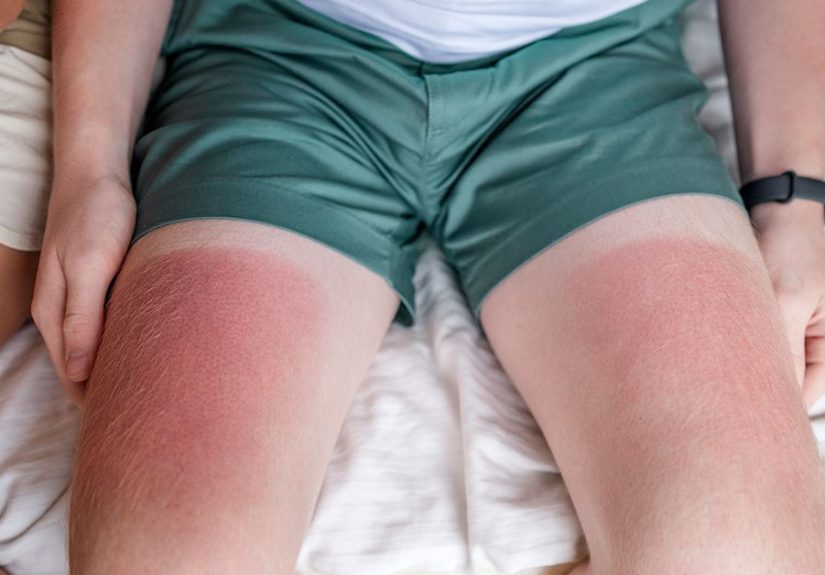
A sunburn is an inflammatory reaction caused by too much ultraviolet exposure. In plain English, your skin got overwhelmed by UV rays and is now throwing a loud, red protest. Mild sunburn usually affects the outer layer of the skin and can cause redness, warmth, tenderness, swelling, and later peeling. More severe sunburn can blister, trigger chills or nausea, and leave you feeling like you lost a fight with the sky.
Symptoms often show up a few hours after exposure and may get worse before they get better. That delay is why people sometimes think, “I’m fine,” right before they become dramatically not fine by dinner.
Best Home Remedies for Sunburn
1. Cool Water Is the First Hero
If you have a fresh sunburn, your first job is to cool the skin down. A cool shower, cool bath, or cool damp washcloth can help reduce heat and relieve pain. Notice the word cool, not icy. This is not the moment to attack your skin with freezing water or rub it with ice cubes like you’re tenderizing a steak.
Try one of these simple options:
- Take a cool bath or shower for several minutes.
- Use a soft washcloth soaked in cool water as a compress.
- Repeat throughout the day if your skin still feels hot or tight.
When you get out, pat your skin dry gently instead of rubbing. Better yet, leave a little water on the skin before applying moisturizer. That helps trap some moisture where it belongs.
2. Aloe Vera Is Popular for a Reason
Aloe vera is one of the most well-known home remedies for sunburn, and for good reason. It feels cooling, soothing, and hydrating when your skin feels like it has its own weather system. A plain aloe vera gel or a moisturizer containing aloe can take the edge off discomfort and help reduce that stretched, tight feeling.
For best results, look for a simple product without a lot of added fragrance or alcohol. You can also chill the aloe vera gel in the refrigerator before applying it. Cold aloe on a hot sunburn feels like your skin just received an apology.
Just keep expectations realistic. Aloe vera can soothe a burn, but it is not a magic eraser. It won’t instantly reverse skin damage or make a severe burn vanish overnight.
3. Use a Gentle Moisturizer Early and Often
Sunburned skin loses moisture fast. That is why it can feel dry, tight, itchy, and generally grumpy. Applying a gentle moisturizer can help calm the surface and reduce discomfort. Fragrance-free lotion, soothing gel, calamine lotion, or an aloe-based moisturizer are all common options.
The sweet spot is right after a cool bath or shower, while the skin is still slightly damp. That helps seal in moisture. Reapply whenever your skin feels dry or uncomfortable.
What should you skip? Butter belongs on toast, not on burns. Heavy oil-based products and petroleum-heavy balms can also feel too occlusive during the hot, inflamed stage of a sunburn. Products with alcohol may sting and dry the skin even more. If a product smells strongly like perfume or feels like it’s auditioning for a chemistry thriller, pass.
4. Drink More Water Than Usual
Sunburn can contribute to dehydration. When your skin is inflamed, fluid shifts toward the skin’s surface, and your body may need extra hydration. That does not mean you need to chug a gallon in one heroic sitting. It does mean you should make a point to drink extra water through the day, especially if you were outside in heat, sweating, swimming, or forgetting that iced coffee is not a personality and not a hydration strategy.
Good signs you’re keeping up: your mouth is not dry, you’re not unusually dizzy, and your urine stays pale yellow instead of drifting into “apple juice” territory.
5. Consider Over-the-Counter Pain Relief
If your sunburn hurts, an over-the-counter pain reliever may help reduce pain and swelling. Many people reach for ibuprofen or acetaminophen. Some mild to moderate burns may also feel better with a nonprescription 1% hydrocortisone cream on especially uncomfortable areas for a short period, as directed on the label.
This is a practical option when the burn is distracting enough to make sitting, sleeping, or wearing clothes annoying. But use common sense: if the skin is blistered over a large area, badly broken, or infected-looking, do not play home dermatologist. Get professional advice.
6. Try a Colloidal Oatmeal or Baking Soda Bath for Itch and Irritation
When sunburn starts shifting from hot pain to itchy irritation, a soothing bath can help. Colloidal oatmeal baths are a classic option for irritated skin. Some people also find a cool bath with a small amount of baking soda comforting. These aren’t glamorous remedies, but they can make your skin feel less dramatic.
Keep the bath cool rather than warm, and don’t soak forever. Long baths can dry the skin out. Once you’re done, gently pat dry and follow with moisturizer.
7. Wear Loose, Soft Clothing
Fitted jeans, scratchy fabrics, and tight straps are not your friends right now. Choose loose, breathable clothing while your skin heals. Soft cotton is usually a safer bet than anything rough or clingy. Your goal is to reduce friction and let the skin rest, not to test how much discomfort one T-shirt can create.
If you need to go outside, cover the area with lightweight clothing and stay in the shade. A healing sunburn plus more sun exposure is like pressing “repeat” on a very bad idea.
8. Leave Blisters and Peeling Skin Alone
This is the part where self-control matters. If blisters appear, do not pop them. They protect the skin underneath and lower the risk of infection. If your skin begins to peel a few days later, don’t scrub it, pick at it, or try to “help” the process along. Your skin already has a repair plan. It does not need your fingernails volunteering as interns.
Continue moisturizing during the peeling stage. The area may itch, feel tight, or look flaky, but gentle care beats aggressive exfoliation every time.
What Not to Put on a Sunburn
When people panic, they get creative. Unfortunately, some home remedies deserve a respectful retirement. Avoid these common mistakes:
- Ice directly on the skin: too harsh and can worsen irritation.
- Butter, cooking oils, or greasy DIY mixtures: these can trap heat and irritate the skin.
- Benzocaine or lidocaine products: these “-caine” ingredients can irritate skin or trigger allergic reactions in some people.
- Alcohol-based lotions or sprays: drying and often sting badly.
- Harsh exfoliants, scrubs, or scented products: your skin is injured, not in need of a spa challenge.
The simpler the routine, the better. Think calm, cool, and boring. Boring is underrated when your shoulders feel like toast.
When Home Care Is Not Enough
Most mild sunburns improve with home treatment, but some burns need medical attention. Call a healthcare professional or seek urgent care if you have:
- Large blisters or widespread blistering
- Blisters on the face, hands, genitals, or around the eyes
- Fever, chills, vomiting, or severe nausea
- Dizziness, fainting, weakness, confusion, or signs of dehydration
- Severe headache or worsening pain
- Eye pain or vision changes
- Signs of infection, such as swelling, pus, streaking, or increasing redness
If a sunburn is making you feel sick all over, it is no longer just a “skin problem.” It may be part of heat-related illness or a more serious burn reaction. That deserves proper care.
How Long Does a Sunburn Last?
A mild sunburn often starts to improve within a few days and may heal in about a week. More noticeable peeling can show up around days three to eight. A deeper or blistering burn may take longer, sometimes a couple of weeks. The exact timeline depends on how intense the exposure was, where the burn is, your skin type, and whether you keep irritating it by going back into the sun too soon.
If your skin is not improving, or if it seems to be getting more painful instead of less, that is your cue to stop guessing and get it checked.
How to Prevent the Next Sunburn
The best home remedy for sunburn is, admittedly, not getting one. Not thrilling advice, but extremely effective. Prevention matters because even when a sunburn heals, the skin damage does not simply disappear without consequences.
Smart sun habits that actually help
- Use a broad-spectrum sunscreen, ideally SPF 30 or higher for everyday outdoor use.
- Apply it before going outside and reapply every two hours, or sooner if you swim or sweat.
- Use enough. Most adults need about one ounce for the body.
- Cover easy-to-miss spots like ears, lips, tops of feet, scalp, and back of the neck.
- Wear a wide-brimmed hat, sunglasses, and tightly woven clothing.
- Seek shade, especially when the sun is strongest.
- Remember that water, sand, pavement, and even clouds can play tricks with UV exposure.
In other words, the sun is not just a summer problem, and it does not need a perfectly clear sky to make trouble.
Final Thoughts
When it comes to home remedies for sunburn, the winners are refreshingly simple: cool water, aloe vera, gentle moisturizer, extra fluids, soft clothing, and enough restraint to leave blisters and peeling skin alone. That combination won’t make you look instantly beach-ready again, but it can make the healing process much more comfortable.
If your burn is mild, time and gentle care usually do the heavy lifting. If your symptoms are severe, widespread, or paired with fever, dizziness, vomiting, or major blistering, skip the internet experiments and get medical help. Your skin has a remarkable ability to heal, but it appreciates a little respect, a little shade, and a lot less “I thought I’d be fine without sunscreen.”
Experiences With Sunburn: What Real-Life Recovery Often Looks Like
One reason sunburn advice matters so much is that the experience is incredibly common, and it tends to follow familiar patterns. Someone goes to the beach and swears they reapplied sunscreen. Later, they realize “reapplied” actually meant “thought about it once while holding a cold drink.” By evening, their shoulders are pink. By bedtime, the pink has turned into a full-body announcement that sleep will now require a very strategic pillow arrangement.
Another classic scenario happens during everyday activities that don’t feel dramatic enough to cause a burn. Gardening, mowing the lawn, walking a dog, driving with one arm in the sun, sitting at a kid’s soccer game, or having brunch on a restaurant patio can all lead to surprising sun exposure. People often say the burn “came out of nowhere,” but in reality, it built up quietly while the person was busy doing something else. That is part of what makes sunburn so annoying: it rarely arrives with a trumpet solo. It just shows up later and takes over the evening.
Many people also describe the progression in stages. First comes the heat. The skin feels warm, then hot, then strangely tight. After that comes tenderness, where even a towel or bedsheet feels rude. Then there is the awkward phase when the skin looks shiny and swollen, and any movement makes you aware that you own a back, shoulders, chest, or legs. A few days later, the pain often gives way to itching and peeling. That stage is less intense, but it tests patience because the temptation to scrub, peel, or “speed it up” can be strong.
People who manage the discomfort best usually do the boring things consistently. They cool the skin early, use moisturizer often, drink more water, stay indoors or in the shade, and avoid picking at the peeling skin. The people who feel worse are often the ones who stay in the sun too long after noticing the first signs, forget to hydrate, or pile on irritating products in a desperate attempt to fix it quickly.
There is also a lesson hidden in nearly every sunburn story: prevention feels optional right up until the moment it absolutely does not. After one memorable burn, many people become much more loyal to sunscreen, hats, rash guards, umbrellas, and shady seats. Pain is a convincing teacher. So is trying to sleep with a blistered back while wondering why your favorite T-shirt has suddenly become an enemy.
In that sense, sunburn recovery is not only about relief. It is also about pattern recognition. Once people connect the dots between “a little too much sun” and several miserable days, they tend to respect sun protection a lot more. And honestly, that is probably the most useful experience of all.