Table of Contents >> Show >> Hide
- What Is Swiss Chard?
- Swiss Chard Nutrition: What’s Inside This Leafy Green?
- Top Health Benefits of Swiss Chard
- Swiss Chard vs. Spinach vs. Kale
- How To Choose and Store Swiss Chard
- How To Wash and Prep Swiss Chard Safely
- How To Eat Swiss Chard
- Simple Swiss Chard Recipe Ideas
- Who Should Be Careful With Swiss Chard?
- How Much Swiss Chard Should You Eat?
- Practical Experiences: What People Learn When They Start Eating Swiss Chard
- Conclusion
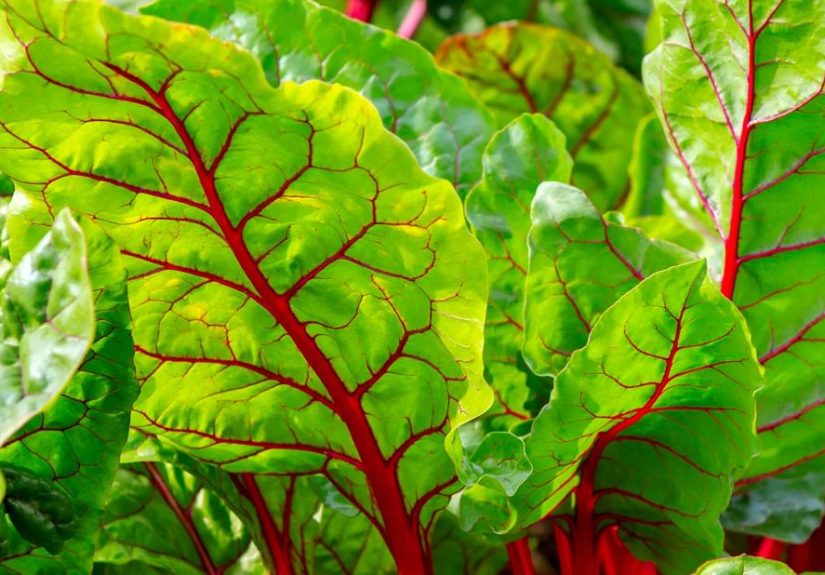
Swiss chard is the leafy green that looks like it got dressed for a parade. Its leaves are deep, glossy, and generous; its stems can show up in white, red, pink, orange, or yellow, depending on the variety. But behind the colorful outfit is a serious nutrition profile. Swiss chard is low in calories, rich in vitamins, packed with minerals, and surprisingly easy to cook once you stop treating it like “mysterious supermarket foliage.”
Whether you call it Swiss chard, chard, rainbow chard, silverbeet, or “that pretty leafy thing next to the kale,” this vegetable deserves more attention. It belongs to the same plant species as beets, but instead of being grown for a big root, it is prized for its tender leaves and crisp stalks. The result is a two-in-one vegetable: the leaves cook down like spinach or kale, while the stems add crunch and color.
This guide explains the benefits of Swiss chard, its key nutrients, who should eat it with caution, and the best ways to prepare it without turning dinner into a swampy green tragedy.
What Is Swiss Chard?
Swiss chard is a leafy green vegetable from the beet family. Unlike beets, which are usually grown for their root, Swiss chard is grown for its large edible leaves and sturdy stems. The leaves have an earthy, slightly bitter flavor when raw, but they become softer, sweeter, and milder when cooked. The stems taste a little like celery with a beet-like edge, which is more charming than it sounds.
There are several common types. Green chard usually has white stems. Rainbow chard is a mix of varieties with colorful stalks. Red chard has deep red stems and veins. All types are nutritious, and all can be used in similar ways. The biggest difference is appearance, flavor intensity, and how dramatic you want your dinner plate to look.
Swiss Chard Nutrition: What’s Inside This Leafy Green?
Swiss chard is nutrient-dense, meaning it delivers a lot of vitamins and minerals for very few calories. A cup of cooked Swiss chard contains about 35 calories, almost no fat, roughly 7 grams of carbohydrates, more than 3 grams of fiber, and around 3 grams of protein. That is not enough protein to replace your chicken breast, but for a leafy green, it is a respectable contribution.
Key Nutrients in Swiss Chard
The standout nutrient in Swiss chard is vitamin K. One cooked cup can provide several times the daily value, making it one of the most vitamin K-rich vegetables you can put on a fork. Vitamin K supports normal blood clotting and plays a role in bone health.
Swiss chard also provides vitamin A in the form of carotenoids, which help support vision, immune function, and healthy skin. Vitamin C contributes to immune health, collagen production, and antioxidant protection. Minerals such as magnesium, potassium, iron, copper, and manganese also show up in meaningful amounts.
In plain English: Swiss chard is not just “green stuff.” It is a compact delivery system for nutrients many people could use more of, especially fiber, potassium, magnesium, and iron.
Top Health Benefits of Swiss Chard
1. Supports Heart Health
Swiss chard contains potassium and magnesium, two minerals that help support normal muscle and nerve function, including the work your heart does all day without asking for applause. Potassium helps balance sodium in the body, while magnesium is involved in blood pressure regulation and many enzyme reactions.
Its fiber content also supports heart-friendly eating patterns. Dietary fiber can help with cholesterol management, digestion, and satiety. When Swiss chard replaces ultra-processed side dishes, it becomes even more valuable. A bowl of garlicky sautéed chard beside grilled fish or beans is a heart-smart upgrade from “whatever beige thing came in a box.”
2. Helps With Digestion and Fullness
Swiss chard provides both bulk and fiber, which can help support regular bowel movements and keep meals satisfying. It will not magically solve every digestive issue, but it can help make meals feel fuller without adding many calories.
This makes it useful for people trying to manage weight in a realistic way. Swiss chard adds volume to soups, omelets, grain bowls, and pasta without turning the meal into a calorie bomb. It is the kind of ingredient that lets you eat a generous portion and still feel like you made a responsible adult decision.
3. Supports Bone Health
Vitamin K is one of Swiss chard’s signature nutrients. It helps the body make proteins involved in normal blood clotting and bone metabolism. Swiss chard also contains magnesium and some calcium, both important in bone-supportive eating patterns.
However, Swiss chard is also high in oxalates, natural plant compounds that can bind calcium. This means Swiss chard should not be viewed as the best calcium source compared with lower-oxalate greens like kale, bok choy, or collards. Still, as part of a varied diet, it can absolutely contribute to a bone-friendly plate.
4. Good for Eye Health
Swiss chard contains carotenoids, including beta-carotene and other antioxidant compounds found in dark leafy greens. These nutrients are associated with eye-supportive diets, especially when eaten regularly with other colorful produce.
For better absorption of fat-soluble nutrients like carotenoids and vitamin K, pair Swiss chard with a little healthy fat. Olive oil, avocado, nuts, seeds, or a sprinkle of cheese can help turn those nutrients into something your body can use more efficiently. Translation: the olive oil is not just there for flavor, although flavor is a very good reason.
5. Helps Balance Blood Sugar-Friendly Meals
Swiss chard is naturally low in sugar and high in fiber compared with its calorie count. That combination makes it useful in meals designed to support steadier energy. Add it to lentil soup, scrambled eggs, salmon bowls, turkey meatballs, or whole-grain pasta to slow the “I’m hungry again” effect.
No single vegetable controls blood sugar by itself. But building meals with high-fiber vegetables, lean protein, healthy fats, and minimally processed carbohydrates can help support better overall balance. Swiss chard fits neatly into that pattern.
Swiss Chard vs. Spinach vs. Kale
Swiss chard, spinach, and kale are all nutritious leafy greens, but they behave differently in the kitchen. Spinach is soft and cooks down quickly. Kale is tougher, more fibrous, and often needs massaging or longer cooking. Swiss chard sits somewhere in the middle: tender leaves, sturdy stems, and a flavor that becomes pleasantly mild when cooked.
Compared with kale, Swiss chard is usually softer and faster to prepare. Compared with spinach, it has more structure and more colorful stems. If kale feels too chewy and spinach disappears the second it hits the pan, Swiss chard may be your perfect leafy compromise.
How To Choose and Store Swiss Chard
How To Pick Fresh Swiss Chard
Look for crisp leaves that are dark green and free from slimy spots. The stems should be firm, not floppy or cracked. A little wilting is not the end of the world, but avoid bunches that look like they have given up on life.
Smaller leaves tend to be more tender and better for salads. Larger leaves are excellent for sautéing, braising, stuffing, or adding to soups. If you are new to Swiss chard, start with rainbow chard. It is beautiful enough to make you feel like a farmers market genius, even if dinner is just eggs and toast.
How To Store Swiss Chard
Store Swiss chard in the refrigerator, ideally wrapped loosely in a paper towel and placed inside a breathable bag or container. Keep it dry until you are ready to use it. Moisture speeds spoilage, and nobody wants a bag of green slime where dinner used to be.
Use fresh chard within a few days for the best texture. If the leaves begin to wilt, they may still be fine for cooked dishes. Soups, stews, and sautés are very forgiving. Salads, not so much.
How To Wash and Prep Swiss Chard Safely
Swiss chard can hold dirt, especially around the stems and leaf folds. Rinse it well under running water before using. Do not wash it with soap, bleach, or kitchen experiments that sound like they came from a suspicious internet forum. Clean running water is the standard approach for fresh produce.
To prep Swiss chard, stack the leaves, slice along both sides of the stem, and separate the stems from the leafy parts. Chop the stems into small pieces and slice the leaves into ribbons. Because stems take longer to cook, start them first, then add the leaves near the end.
How To Eat Swiss Chard
1. Sauté It With Garlic and Olive Oil
This is the easiest gateway recipe. Heat olive oil in a skillet, add chopped stems, cook for a few minutes, then add garlic and the sliced leaves. Finish with lemon juice, black pepper, and a pinch of salt. The lemon brightens the earthy flavor and keeps the dish from tasting too heavy.
2. Add It to Soups and Stews
Swiss chard is excellent in vegetable soup, white bean soup, lentil stew, minestrone, and chicken soup. Add chopped stems earlier in the cooking process and leaves during the last few minutes. The leaves soften quickly and add color, nutrients, and body.
3. Fold It Into Eggs
Swiss chard works beautifully in omelets, frittatas, breakfast scrambles, and baked egg dishes. Sauté it first to remove excess moisture, then combine it with eggs, herbs, feta, mushrooms, onions, or roasted peppers. This is a great way to use a bunch that is starting to wilt.
4. Stir It Into Pasta
For a fast dinner, sauté Swiss chard with garlic, olive oil, crushed red pepper, and white beans, then toss it with pasta. Add lemon zest and Parmesan if you like. The result is quick, inexpensive, and far more impressive than the effort suggests.
5. Use Young Leaves Raw
Young, tender Swiss chard leaves can be eaten raw in salads. Because mature leaves can be bitter and tough, slice them thinly and pair them with bold ingredients such as apples, citrus, nuts, goat cheese, dried cranberries, or a mustard vinaigrette.
6. Braise It Low and Slow
Braising Swiss chard with onions, broth, tomatoes, or beans creates a silky side dish. This method is especially good for larger leaves and thicker stems. Add a splash of vinegar at the end to wake everything up. Acid is the secret handshake of cooked greens.
Simple Swiss Chard Recipe Ideas
Garlic-Lemon Swiss Chard
Cook chopped stems in olive oil for 3 to 4 minutes. Add garlic and sliced leaves. Cook until wilted. Finish with lemon juice, black pepper, and a tiny pinch of salt. Serve with grilled chicken, salmon, tofu, or beans.
Swiss Chard and White Bean Skillet
Sauté onion and chard stems, then add garlic, chopped chard leaves, canned white beans, diced tomatoes, and herbs. Simmer until warm and serve with crusty whole-grain bread.
Rainbow Chard Grain Bowl
Layer cooked quinoa or brown rice with sautéed Swiss chard, roasted sweet potatoes, chickpeas, avocado, and tahini-lemon dressing. It is colorful, filling, and lunchbox-friendly.
Who Should Be Careful With Swiss Chard?
Swiss chard is healthy for many people, but it is not perfect for everyone in unlimited amounts. People who take warfarin or other vitamin K-sensitive blood thinners should not suddenly increase or decrease their intake of vitamin K-rich foods without medical guidance. The key is consistency, not panic.
People with a history of calcium oxalate kidney stones may also need to moderate Swiss chard because it is high in oxalates. If you have been told to follow a low-oxalate diet, ask your doctor or kidney dietitian how Swiss chard fits into your plan. Cooking and draining high-oxalate greens may reduce some oxalates, but it does not turn Swiss chard into a low-oxalate food.
Finally, anyone with kidney disease who has been advised to limit potassium should speak with a clinician or dietitian before eating large amounts of potassium-rich greens. Nutrition is personal; vegetables are wonderful, but medical context matters.
How Much Swiss Chard Should You Eat?
For most healthy adults, Swiss chard can be enjoyed several times per week as part of a varied diet. A serving might be one cup cooked or about two cups raw leafy greens. The best approach is rotation: Swiss chard one day, kale another, romaine or arugula the next, then broccoli, cabbage, bok choy, or collards.
Variety helps you get a wider range of nutrients and avoids overdoing any one plant compound. In other words, do not make Swiss chard your entire personality. Let it be a regular guest star.
Practical Experiences: What People Learn When They Start Eating Swiss Chard
The first experience many home cooks have with Swiss chard is visual confusion. It looks delicate in the produce aisle, then suddenly becomes a mountain of leaves on the cutting board. The good news is that Swiss chard cooks down dramatically. A huge bunch can shrink into a manageable side dish in minutes, which feels like kitchen magic or a vegetable disappearing act.
Another common lesson is that the stems matter. Many beginners throw them away, assuming they are too tough. That is a missed opportunity. When chopped small and cooked before the leaves, the stems add texture, mild sweetness, and color. In a skillet with onion and garlic, the stems soften beautifully and make the dish feel more complete. Rainbow chard stems, especially, can turn a simple meal into something that looks restaurant-adjacent, even if you are eating in sweatpants.
People also learn quickly that Swiss chard likes acid. A squeeze of lemon, a splash of apple cider vinegar, or a spoonful of tomato can balance its earthy flavor. Without acid, cooked chard can taste a little flat or mineral-heavy. With acid, it becomes brighter and more inviting. This small step is often the difference between “I eat this because it is healthy” and “Wait, I actually want seconds.”
Texture is another part of the Swiss chard learning curve. Raw mature leaves can be chewy and bitter, so they work best when sliced thin or mixed with softer greens. Cooked leaves are more forgiving. They become silky in soups, tender in egg dishes, and satisfying in pasta. Many cooks discover that Swiss chard is especially useful at the end of the week, when the refrigerator contains random leftovers looking for a purpose. Add it to beans, rice, eggs, noodles, or broth, and suddenly dinner has structure.
For meal prep, Swiss chard teaches one important rule: do not wash it too early unless you dry it very well. Wet leaves spoil faster. A better habit is to store the bunch dry, then wash and chop it right before cooking. If you want to prep ahead, separate stems and leaves, dry them thoroughly, and keep them in an airtight container with a paper towel.
The most useful experience, though, is realizing that Swiss chard is not a “diet food.” It is an ingredient. It can be buttery, garlicky, spicy, lemony, brothy, cheesy, or hearty depending on how you cook it. Treat it like flavor, not punishment, and it becomes much easier to eat more greens without feeling like you joined a wellness boot camp run by a salad.
Conclusion
Swiss chard is a colorful, nutrient-rich leafy green that deserves a regular spot in the kitchen. It is low in calories, high in vitamin K, and a good source of fiber, magnesium, potassium, vitamin A, vitamin C, and several antioxidant compounds. It can support heart-friendly meals, digestive health, bone-supportive nutrition, and better overall vegetable variety.
The best way to enjoy Swiss chard is to cook it simply and season it well. Sauté it with garlic and olive oil, stir it into soups, fold it into eggs, toss it with pasta, or build it into grain bowls. Use the stems and leaves, add a little acid, and remember that healthy food is allowed to taste good. In fact, it should. Life is too short for gloomy greens.
Swiss chard is not ideal in unlimited amounts for everyone, especially people on warfarin, those with calcium oxalate kidney stone concerns, or people managing potassium intake because of kidney disease. But for many healthy adults, it is a flexible, affordable, and deeply nutritious vegetable that can make everyday meals brighter, greener, and a lot less boring.