Table of Contents >> Show >> Hide
- Why This Story Hit People Right in the Feelings
- The Plush Bunny Was More Than an Adorable Prop
- What Rehabilitators Actually Do Behind the Cute Photos
- Teaching a Wild Animal to Stay Wild
- The Bigger Truth About Foxes in Human Spaces
- Why People Keep Sharing the Story Years Later
- What This Little Fox Really Represents
- Extra Reflections: The Experiences Around a Story Like This
- Conclusion
Note: This feature article is written for web publication in standard American English and intentionally leaves out raw source links.
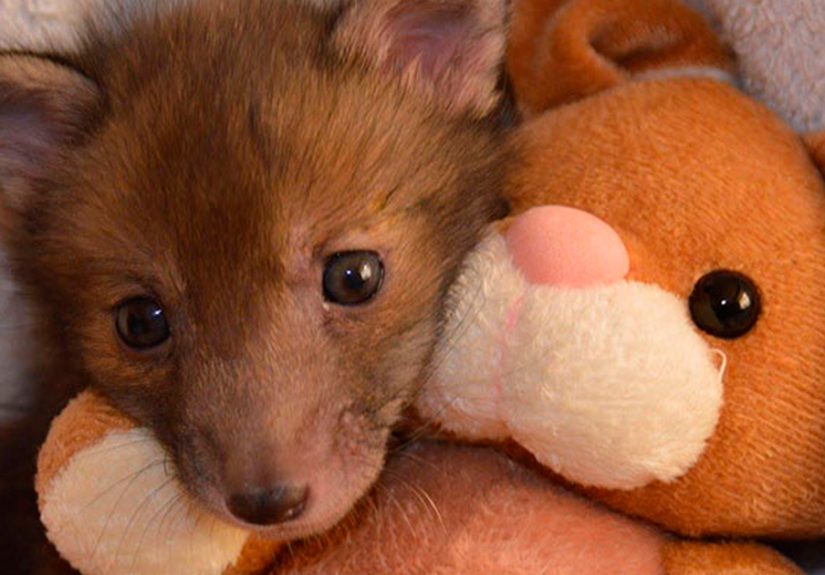
Some stories are engineered in a lab to melt the internet. This is not one of them. This one arrived with muddy paws, sleepy eyes, and the kind of tiny face that makes even the most emotionally unavailable person mutter, “Well, that’s ridiculous.” A rescued baby fox, too young to handle the world on his own, found comfort in a plush bunny toy. Suddenly, the wild looked tender. The fierce looked fragile. And a fox kit managed to remind people everywhere that survival sometimes begins with something as simple as warmth, quiet, and a stuffed rabbit that does not ask any questions.
The heart of the story is wonderfully simple. The little fox, widely known as Puggle, was found when he was only about two weeks old and taken in for care after being separated from his mother. While he was being fostered and monitored, he became attached to a plush bunny. When he was tired, he cuddled it like it was the best thing that had ever happened to naps. When he had more energy, he roughhoused with it like a tiny woodland wrestler with unfinished business. It was cute, yes, but it was also a glimpse into something deeper: even wild animals need security, especially when they are very young and recovering from stress.
Why This Story Hit People Right in the Feelings
There is a reason stories like this travel fast. They give people a rare, softer view of wildlife. Foxes tend to get cast in one of two roles: sneaky cartoon genius or backyard troublemaker. But a baby fox curled around a plush bunny disrupts both of those clichés. Suddenly, the animal is not a symbol or a nuisance. He is just a baby who needs comfort.
That emotional reaction is understandable. Humans are wired to respond to vulnerability. A tiny animal leaning on a stuffed toy feels familiar, almost childlike, and it creates an instant bridge between species. People do not need a wildlife biology degree to understand what comfort looks like. They know it when they see it. It is the same reason a blanket matters to a toddler, or why a favorite pillow becomes a sacred family heirloom after approximately three road trips and one crisis nap.
But the appeal of this story is not only the cuteness factor. It is the contrast. Foxes are wild. They are fast, alert, and built for life outdoors. Seeing one cling to a plush toy creates a moment of emotional whiplash. It makes the animal feel close, even while the entire point of rescue is eventually to return that animal to a life that is very much not on your sofa.
The Plush Bunny Was More Than an Adorable Prop
It would be easy to dismiss the bunny as a photo-friendly detail, the sort of thing that turns a rescue update into social-media gold. But in many rehabilitation settings, soft objects can serve a real purpose. They can provide warmth, a sense of contact, and a bit of stability for young animals that would normally be sleeping against a mother or siblings. In other words, the bunny was not just cute. It was useful.
Wildlife rehabilitators often work to reduce stress while also limiting the kind of human interaction that can make a wild animal too comfortable around people. That balancing act is tricky. The animal needs care, but not so much cozy human-centered care that it starts thinking people are part of normal fox life. A soft toy or surrogate object can help fill part of that gap. It offers comfort without turning the rescuer into the entire emotional universe.
That is why the bunny matters. It symbolized calm. It helped create a safer, quieter recovery space. And it likely gave the kit something steady to curl into when the world had become suddenly strange, cold, and loud. In rescue work, comfort is not the opposite of survival. Sometimes comfort is exactly what makes survival possible.
Comfort Is Not the Same Thing as Domestication
This is where people sometimes get the wrong idea. A baby fox snuggling a plush toy does not mean foxes secretly want to become pets and move into our guest rooms. It means a stressed infant animal responded to softness and security while in temporary care. That is a very different thing.
Wildlife professionals are clear about this point: foxes are wild animals with complex needs. They are not built for domestic life, and rehabilitation is supposed to preserve their wild instincts, not replace them with dependence on humans. So yes, the bunny is adorable. No, that does not mean the logical next step is giving a fox a name tag, a monogrammed blanket, and a spot on the sectional.
What Rehabilitators Actually Do Behind the Cute Photos
One of the most valuable parts of stories like this is the chance to understand what real wildlife rescue looks like. It is not just cuddles, bottle feeding, and viral updates. It is careful, regulated, often exhausting work built around one goal: giving the animal the best possible chance to return to the wild.
Professionals repeatedly stress that many baby wild animals people assume are abandoned are not actually orphaned. In some cases, the correct response is to leave the animal alone and monitor from a distance. Fox kits, like many young wild animals, may be temporarily alone while adults forage or move around the den area. That is why experienced rehabbers try to assess the situation carefully and often encourage reunification whenever possible.
When an animal truly does need intervention, the advice is remarkably consistent. Keep the animal warm, dark, and quiet. Use a secure container. Do not offer food or water unless you have been instructed to do so by a licensed professional. That last part surprises people, but improper feeding can do real harm. Good intentions are not a substitute for species-specific care, and wildlife medicine has very little patience for improvisation.
Foxes also come with public health considerations. Young foxes can be classified as rabies-vector species in some contexts, which means handling should be done carefully and by trained people using proper protection. Translation: the phrase “I just scooped him up because he looked lonely” is not a sentence wildlife experts enjoy hearing.
Then there is the big challenge: keeping the animal wild while saving its life. Rehabilitation standards emphasize minimizing human contact whenever possible. That is why some centers use visual barriers, reduce noise, limit handling, and avoid exposing young animals to unnecessary human attention. It is also why recent rescue stories out of the United States have shown caregivers wearing fox masks and using large stuffed foxes during feeding sessions. It may look like a woodland theater production with an extremely specific budget, but the reasoning is serious. The less a fox kit identifies with humans, the better its odds in the wild later.
Teaching a Wild Animal to Stay Wild
That idea may sound strange at first. How do you help an animal by acting less like a helper? But that is exactly the point. The best wildlife care often looks emotionally restrained. Rehabilitators cannot pour all their affection into an animal the way people do with pets. They have to think long-term.
A young fox that becomes too comfortable with people may lose the caution it needs to survive. It may approach homes, roads, dogs, or humans without fear. That is not a happy ending. That is a tragedy dressed up as friendliness. So rescue workers teach survival indirectly: by limiting imprinting, encouraging species-appropriate behavior, and, when possible, placing young animals with others of their own kind.
Some wildlife centers describe themselves as surrogate parents during this process. That does not mean turning into a Disney side character. It means teaching the basics necessary for release: normal feeding patterns, reduced dependence on humans, safe enclosure progression, and exposure to behaviors that support eventual independence. The goal is not to create a grateful animal. The goal is to create a competent one.
And that makes Puggle’s bunny even more meaningful. The toy represents a bridge. It helped the kit get through a vulnerable stage without turning human comfort into the center of his world. In rescue terms, that is not sentimentality. That is strategy with a fuzzy face.
The Bigger Truth About Foxes in Human Spaces
Stories like this also tend to remind people that foxes are not movie villains. Wildlife experts in the United States regularly point out that foxes are generally not dangerous to people and usually prefer to avoid us. They are smaller than many people think, often about the size of a house cat once all the fur-based exaggeration is mentally removed. Their natural diet is varied, and in normal circumstances they are not looking to pick fights with humans.
That said, being charmed by a rescue story should not lead to careless behavior. The right response to seeing a fox in your yard is not to sprint outside with lunch meat and a dream. Feeding foxes can cause them to associate people with food, which is bad for everyone involved. A respectful distance is healthier than a fake friendship.
That is one reason this story works so well as a feature article. It gives readers a warm emotional entry point, but it also opens the door to a useful truth: compassion for wildlife does not mean possession. It means protection, space, and, when necessary, professional help.
Why People Keep Sharing the Story Years Later
The internet never truly lets go of animal stories that land just right, and this one absolutely landed. It has all the ingredients: a vulnerable baby, a rescue, a plush companion, and a built-in emotional arc. But it also survives because it feels honest. It is not about turning a wild fox into a novelty. It is about helping a young animal through a dangerous chapter without forgetting what he is.
That combination is rare. Many viral wildlife moments blur the line between rescue and entertainment. This one, at its best, points in the other direction. It invites awe, then gently introduces responsibility. Yes, the fox is unbearably cute. Yes, the bunny deserves an award for emotional support services. But the real heroes are the people willing to care for a wild animal in a way that does not make him less wild.
That is what gives the story staying power. It is not just sweet. It is sweet with a backbone.
What This Little Fox Really Represents
Puggle’s story is about more than naps and plush ears. It is about how rescue should work. It is about thoughtful intervention instead of impulsive handling. It is about understanding that a young wild animal may need tenderness without taming, warmth without ownership, and help without a permanent audience.
In a noisy online world, that message is oddly refreshing. Not everything lovable needs to belong to us. Some of the best acts of care happen precisely because people remember where the boundary is. They pick up the animal only when necessary. They call experts. They create calm. They use the bunny, the crate, the gloves, the mask, the quiet room, the whole practical little toolkit of survival. And then, if all goes well, they let the fox grow back into himself.
Which may be the most moving part of the whole story. The plush bunny was never the ending. It was a temporary comfort during a difficult beginning. The real victory was always the same: helping a wild baby heal enough to return to a wild life.
Extra Reflections: The Experiences Around a Story Like This
Anyone who has followed wildlife rescue stories for a while knows that the public experience and the rehabilitator experience are not quite the same thing. For readers, a story like “Rescue Baby Fox Loves Snuggling With His Plush Bunny Toy” feels magical. It shows up as a burst of softness in the middle of an ordinary day. You see the tiny fox, the floppy toy, the sleepy paws, and for a moment the internet becomes a nicer place. That reaction matters. It is one of the reasons rescue stories inspire donations, volunteer interest, and a little more empathy for wild animals living close to human communities.
For the people doing the work, though, the experience is more layered. It includes the emotional pull of caring for a vulnerable animal, but also the constant discipline of not doing too much. That may be the hardest part for outsiders to understand. A rescuer can be deeply invested in a fox kit’s survival and still avoid extra cuddling, extra talking, or extra handling. In fact, that restraint is often part of good care. The work asks people to be compassionate without becoming possessive.
There is also the experience of uncertainty. Cute rescue photos rarely show the long hours behind them: monitoring weight, managing feedings, watching for signs of illness, adjusting the enclosure, reducing stress, coordinating transfers, and figuring out whether the animal can be placed with others of the same species. Real rehabilitation is full of practical decisions. It is equal parts tenderness and logistics, which is not glamorous, but is usually what keeps the animal alive.
Then there is the experience of the audience. People who see a fox kit with a plush bunny often feel something immediate and personal. It reminds them of childhood comfort objects, of tiny creatures needing reassurance, of the universal language of curling up next to something soft when life gets overwhelming. That emotional recognition is powerful because it makes wildlife feel less distant. It encourages a kind of protective affection. The challenge is to direct that feeling responsibly. Admiration should lead to better choices, not more interference.
That is why the best rescue stories do more than melt hearts. They teach. They show that calling a licensed wildlife rehabilitator is smarter than trying to raise a wild baby at home. They show that helping can mean backing away. They show that a plush toy is not a gimmick when used thoughtfully; it can be part of a calm recovery space for a young animal who has lost the normal comfort of a den and family contact.
In the end, the experience surrounding a story like this is a blend of wonder, discipline, and perspective. Wonder because a baby fox asleep with a plush bunny is objectively one of the most disarming images on earth. Discipline because rescue only works when trained people make careful choices. Perspective because the goal is never to freeze the fox in his cutest moment forever. The goal is to help him move past it, grow stronger, and eventually need that bunny less and the wild more.
That is what makes the story linger. It is not only adorable. It is meaningful. It captures a rare moment when human kindness helps without taking over, when comfort supports recovery, and when the right ending is not keeping something precious close, but preparing it to leave.
Conclusion
“Rescue Baby Fox Loves Snuggling With His Plush Bunny Toy” sounds like the setup for a feel-good internet post, and yes, it absolutely delivers on that front. But beneath the sweetness is a smarter story about wildlife rehabilitation done right. A tiny fox kit got safety, warmth, and a comforting companion during a vulnerable stretch. At the same time, the people caring for him stayed focused on the real mission: protecting his wild future.
That is why this story resonates. It gives readers the emotional payoff of a cuddly image, but it also offers something sturdier: a reminder that the kindest way to love wildlife is not to claim it, but to help it heal and return to where it belongs. The plush bunny may have stolen the spotlight, but the true lesson is bigger than one toy. Good rescue is gentle, careful, informed, and always aimed toward freedom.