Table of Contents >> Show >> Hide
- Why Do Your Eyes Get Swollen After Crying?
- Quick Ways To Get Rid of Swollen Eyes From Crying
- How Long Do Swollen Eyes From Crying Last?
- What Not To Do When Your Eyes Are Puffy From Crying
- How To Hide Puffy Eyes If You Need To Go Out
- When Swollen Eyes Might Not Be From Crying
- How To Prevent Puffy Eyes After Crying
- Personal Experiences and Practical Lessons About Swollen Eyes From Crying
- Conclusion
Crying is human. Puffy eyes afterward? Also human, just slightly more dramatic. One minute you are having an emotional release, watching a sad movie, arguing with someone, missing someone, or simply feeling overwhelmed. The next minute, your mirror is introducing you to a version of yourself who looks like they lost a boxing match with a pillow.
The good news is that swollen eyes from crying are usually temporary. The even better news is that you do not need a ten-step spa ritual, a diamond-infused eye wand, or a mysterious serum with a name that sounds like a spaceship. Most of the best remedies are simple: cool the area, reduce irritation, support drainage, hydrate, rest, and avoid making the delicate skin around your eyes angrier than it already is.
This guide explains why crying causes puffy eyes, how to calm swelling fast, what not to do, and when swollen eyes may be a sign of something more than tears. Let’s rescue your face gently, because your eyes have already been through enough.
Why Do Your Eyes Get Swollen After Crying?
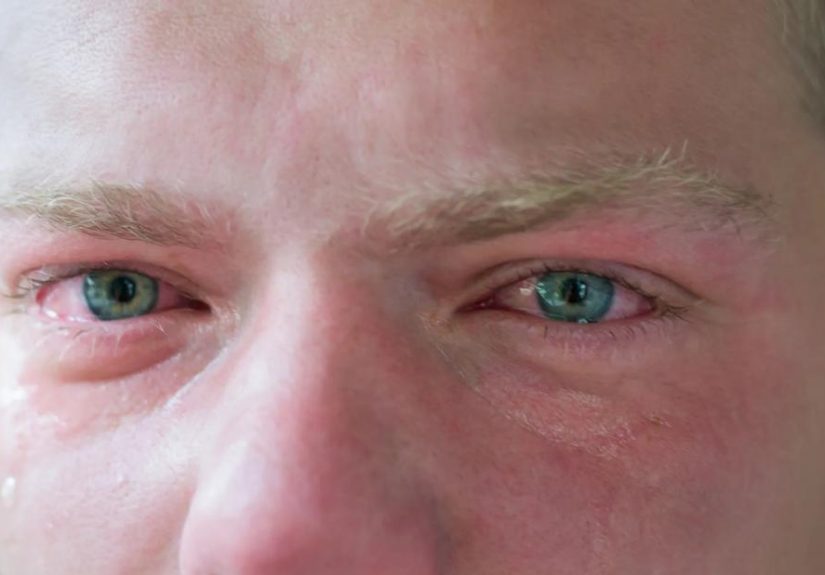
Swollen eyes after crying happen for a few reasons. First, tears increase fluid around the eye area. The skin under and around your eyes is thin, soft, and very good at showing every tiny change, including extra fluid. Second, crying can make blood vessels around the eyes expand, which may cause redness, warmth, and that “I have been emotionally negotiating with the universe” look.
Another factor is rubbing. When people cry, they often wipe, press, or rub their eyes without realizing it. That friction irritates the eyelids and surrounding skin, making puffiness worse. Add salty tears, congestion, poor sleep, or lying flat afterward, and swelling can stick around longer than expected.
In most cases, puffy eyes from crying improve within minutes to several hours. If you cry before bed, however, you may wake up with swelling the next morning because fluid can settle around the eyes while you sleep.
Quick Ways To Get Rid of Swollen Eyes From Crying
There is no magic “undo crying” button, which is rude of science, frankly. But these methods can reduce swelling, calm redness, and help your eyes look more awake.
1. Use a Cold Compress
A cold compress is one of the easiest and most effective ways to reduce swollen eyes from crying. Cool temperatures help narrow blood vessels and calm inflammation, which can reduce puffiness and redness.
Try one of these options:
- A clean washcloth soaked in cold water
- A gel eye mask chilled in the refrigerator
- Cold cucumber slices
- Chilled spoons
- A wrapped bag of frozen peas
Place the compress over closed eyes for about 5 to 10 minutes. Do not press hard. The goal is “gentle cooling,” not “face meets freezer.” If the compress feels painful or too cold, remove it and let your skin warm up.
2. Keep Your Head Elevated
If your eyes are swollen after crying, gravity can either help you or betray you. Lying flat may allow fluid to collect around your eyes, especially after a long crying session. Sitting upright or resting with your head slightly elevated can support natural fluid drainage.
If you are going to sleep, use an extra pillow or slightly raise the head of your bed. You do not need to sleep like a royal portrait from the 1700s. Just keep your head higher than your chest so fluid is less likely to pool around the eyelids.
3. Gently Rinse Your Face
Salty tears can dry on the skin and make the eye area feel tight or irritated. Washing your face with cool water can remove tear residue, calm the skin, and help you feel refreshed.
Use a mild cleanser if needed, but avoid harsh scrubs, exfoliating acids, strong fragrances, or anything that makes your skin sting. The eye area is delicate. Treat it like expensive tissue paper with feelings.
4. Do Not Rub Your Eyes
This may be the hardest rule because rubbing your eyes after crying feels strangely satisfying. Unfortunately, it can make swelling worse. Rubbing increases irritation, can break tiny blood vessels, and may transfer bacteria from your hands to your eyes.
Instead, blot tears with a soft tissue or clean cloth. Press lightly under the eyes or near the tear ducts. Think “tap-tap,” not “sandpaper windshield wiper.”
5. Try Gentle Lymphatic Massage
A light massage may help move fluid away from the under-eye area. Use clean hands and very gentle pressure. Start near the inner corners of the eyes and lightly sweep outward toward the temples. Then move down along the sides of your face toward the jawline.
Do this for 30 to 60 seconds. Stop if your skin feels sore, itchy, hot, or more irritated. Massage should feel soothing, not like you are trying to knead bread dough under your eyebrows.
6. Use Chilled Eye Cream Carefully
A chilled eye cream or gel can feel soothing and may temporarily reduce the look of puffiness. Ingredients such as caffeine, hyaluronic acid, and vitamin C are often used in eye products for puffiness, hydration, and brightness.
However, right after crying is not the best time to experiment with a new product. Your eye area may already be sensitive, and a new cream could cause stinging, redness, or irritation. If you already use an eye cream that your skin likes, chilling it in the refrigerator may make it more refreshing.
7. Drink Water
Hydration will not erase puffy eyes instantly, but it supports your body’s normal fluid balance. After crying, especially if you cried for a long time, drinking water can help you feel better overall.
A glass of water is a simple reset. Add a light snack if you have not eaten, especially something with protein or fruit. Your face is not the only thing recovering; your whole body just went through an emotional weather event.
8. Reduce Salt for the Rest of the Day
High-salt foods can encourage water retention, which may make puffy eyes look worse. If your eyes are already swollen, this may not be the ideal moment to console yourself with an entire bag of salty chips. No judgment, just biology being annoyingly specific.
Choose lighter meals with fruits, vegetables, whole grains, and lean protein. Cucumbers, oranges, berries, yogurt, eggs, oatmeal, and soup with moderate sodium can all be more eye-friendly options.
9. Use Artificial Tears for Dryness
Crying can leave eyes feeling dry, scratchy, or irritated. Over-the-counter lubricating eye drops, often called artificial tears, may help soothe dryness. Choose preservative-free drops if your eyes are sensitive or if you need to use them more often.
Avoid redness-relief drops unless a healthcare professional recommends them. Some products that promise to “get the red out” can cause rebound redness when overused. Your eyes do not need a dramatic sequel.
10. Give Your Eyes a Screen Break
After crying, your eyes may already feel tired. Staring at a phone, laptop, or television can make dryness and irritation worse because people blink less during screen time.
Try closing your eyes for a few minutes, dimming bright lights, or following the 20-20-20 rule: every 20 minutes, look at something about 20 feet away for 20 seconds. It is a small habit that can help tired eyes recover.
How Long Do Swollen Eyes From Crying Last?
Swollen eyes from crying can last anywhere from a few minutes to the next morning. The timing depends on several factors, including how long you cried, how much you rubbed your eyes, how sensitive your skin is, whether you have allergies, how hydrated you are, and whether you went to sleep soon after crying.
If you cried heavily at night and woke up puffy, do not panic. Morning swelling often improves as you get upright, move around, drink water, and use a cold compress. If swelling does not improve after a day or two, or if it comes with pain, discharge, fever, vision changes, or severe redness, it is time to check in with a healthcare provider.
What Not To Do When Your Eyes Are Puffy From Crying
Some “quick fixes” can backfire, especially around the eyes. The skin in this area is thinner than the skin on most of your face, so it reacts quickly to harsh ingredients and rough handling.
Do Not Put Ice Directly on Your Skin
Ice can be too harsh when applied directly to the eyelids or under-eye area. Always wrap ice or frozen items in a clean cloth. Direct ice may cause irritation or even damage the skin.
Do Not Use Strong Skincare Actives Near Your Eyes
Retinoids, exfoliating acids, acne treatments, and strong vitamin C formulas may irritate the eye area, especially after crying. Save the serious skincare chemistry for later.
Do Not Try Random Internet Remedies
Be careful with trends like hemorrhoid cream, toothpaste, lemon juice, essential oils, or witch hazel near the eyes. These can irritate skin or accidentally get into the eyes. Your eyelids are not a science fair project.
Do Not Wear Eye Makeup Too Soon
If your eyelids are swollen, red, or irritated, give them time to calm down before applying mascara, eyeliner, or eyeshadow. Makeup can worsen irritation, and removing it later may require rubbing, which can restart the puffiness cycle.
How To Hide Puffy Eyes If You Need To Go Out
Sometimes you have to face the world before your face has fully recovered. Here are a few gentle ways to look more refreshed without bullying your skin.
Start With Cooling
Use a cold compress for 5 to 10 minutes before applying anything. This can reduce swelling enough that you need less makeup or concealer.
Moisturize Lightly
Apply a gentle moisturizer around the eye area, avoiding the lash line. Hydrated skin reflects light better and may make puffiness look less intense.
Use Concealer Strategically
Apply a small amount of concealer only where discoloration is most visible, usually near the inner corners and under-eye shadows. Too much concealer can settle into lines and draw attention to texture.
Skip Heavy Eyeliner
Dark, heavy eyeliner can make swollen eyes look smaller. If you want makeup, try a light coat of mascara after swelling calms, or use a nude pencil on the lower waterline if your eyes are not irritated.
When Swollen Eyes Might Not Be From Crying
Crying is a common cause of temporary puffiness, but not all swollen eyes come from tears. Allergies, pink eye, styes, blepharitis, sinus congestion, skin reactions, injuries, and infections can also cause swelling around the eyes.
Seek medical care if you notice any of the following:
- Eye pain or pressure
- Vision changes
- Severe redness
- Swelling in only one eye that worsens
- Yellow or green discharge
- Fever
- Difficulty moving the eye
- Swelling after an injury
- Symptoms that last longer than 24 to 48 hours
If your eyes are itchy and watery, allergies may be involved. If there is crusting, discharge, or a gritty feeling, an infection or inflammation may be possible. If you have a painful bump on the eyelid, it may be a stye or chalazion. These conditions need different care, so do not assume every swollen eyelid is just emotional leftovers.
How To Prevent Puffy Eyes After Crying
You cannot always prevent crying, and honestly, you should not have to. Crying can be a normal release. But you can reduce the aftermath with a few small habits.
Blot Instead of Rub
Keep tissues nearby and gently blot tears. This reduces friction and helps protect the delicate skin around your eyes.
Wash Your Face Before Bed
If you cried at night, rinse your face before sleeping. Removing dried tears and salt may reduce irritation by morning.
Sleep Slightly Elevated
A little elevation can help reduce fluid buildup around the eyes. This is especially useful if you tend to wake up puffy after crying.
Manage Allergies
If you already have seasonal allergies, crying may make eye swelling more noticeable. Talk with a healthcare provider or pharmacist about safe allergy options if itchy, watery eyes are common for you.
Protect Your Sleep
Lack of sleep can make under-eye puffiness more visible. After an emotional day, rest matters. Your eyes, brain, and nervous system all appreciate a proper shutdown.
Personal Experiences and Practical Lessons About Swollen Eyes From Crying
Almost everyone has had a “cry face” moment. Maybe it happened after a breakup, a stressful school or work day, a family argument, a goodbye at the airport, or a movie scene that had absolutely no business being that emotionally aggressive. The common pattern is familiar: tears, tissues, mirror check, regret, and then the urgent search for how to get rid of swollen eyes from crying before someone asks, “Are you okay?” in a voice that immediately makes you cry again.
One helpful lesson is that timing matters. If you cry at night and go straight to bed, swelling often looks worse in the morning. That does not mean anything is wrong. It usually means fluid had hours to settle while you were lying flat. People who rinse their face, drink water, and sleep with their head slightly elevated often notice less puffiness the next day. It is not glamorous, but it works better than dramatically whispering “fix me” at the bathroom mirror.
Another real-world lesson: the cold compress is the dependable friend of eye recovery. Chilled spoons can work, but they warm up quickly. Cucumber slices feel spa-like, though they are not magical. A clean cold washcloth is usually the easiest option because everyone has one, and it covers the eye area comfortably. A chilled gel mask can be useful if you cry often from stress, allergies, or emotional movies with suspiciously sad piano music.
Many people also learn the hard way that rubbing is the enemy. In the moment, rubbing feels like comfort. Later, it often causes extra redness, swelling, and tenderness. The better habit is blotting. Soft tissue, light pressure, no scrubbing. Your eyes are not a kitchen counter.
There is also an emotional side to swollen eyes. People often feel embarrassed after crying, especially if they have to appear normal soon afterward. But puffy eyes are not a personal failure. They are simply evidence that your body responded to emotion. That is not weakness; that is biology wearing a tiny water-retention costume.
A useful routine after crying might look like this: rinse your face with cool water, apply a cold compress for 10 minutes, drink water, avoid salty snacks for a bit, sit upright, and take slow breaths. If you need to leave the house, give your skin a few minutes before applying makeup. If you do use concealer, use less than you think you need. Heavy layers can make puffiness more obvious.
Finally, experience teaches that swollen eyes fade, but the reason you cried may need attention too. If crying came from stress, grief, conflict, or exhaustion, treating your eyes is only part of the recovery. Text someone you trust, write down what happened, take a short walk, or rest. Your eyes may need a cold compress, but your heart may need softness, space, and a snack. Preferably not the super salty kind, at least until the puffiness clocks out.
Conclusion
Swollen eyes from crying are common, temporary, and usually easy to calm with gentle home care. A cold compress, clean skin, hydration, head elevation, and less rubbing can make a noticeable difference. The key is to treat the eye area gently. Do not attack puffiness with harsh products, rough massage, or weird internet remedies that belong in a “please don’t” museum.
If swelling is severe, painful, one-sided, linked with vision changes, or lasts more than a day or two, get medical advice. Otherwise, give your eyes time. They are not broken; they are just recovering from an emotional rainstorm.