Table of Contents >> Show >> Hide
- Before You Begin: Read the Label and Ask the Vet
- Way 1: Hide the Medicine in a Favorite Food
- Way 2: Use Pill Pockets or Soft Treats
- Way 3: Give the Pill Directly by Hand
- Way 4: Ask About Liquid, Compounded, or Alternate Medication Forms
- Common Mistakes to Avoid When Giving Dog Medicine
- How to Make Medication Time Less Stressful
- Real-Life Experience: What Actually Works With Stubborn Dogs
- Conclusion
Getting a dog to take medicine can feel like negotiating with a tiny, furry lawyer who has already read the fine print. One minute your pup is inhaling snacks like a vacuum cleaner with paws. The next minute, one innocent-looking pill appears, and suddenly your dog has the investigative skills of airport security.
Whether your dog needs antibiotics, pain relief, allergy medication, heartworm prevention, or a short course of treatment after a vet visit, the mission is the same: make sure the medicine gets into your dog safely, completely, and with as little drama as possible. The good news is that most dogs can be persuaded with the right method, a little patience, and maybe a snack that smells suspiciously better than your own lunch.
This guide explains 4 ways to get your dog to take its medicine, including hiding pills in food, using pill pockets, giving medicine by hand, and asking your veterinarian about alternate forms. You will also learn common mistakes to avoid, how to handle picky dogs, and what to do when your dog turns medication time into a Broadway performance.
Before You Begin: Read the Label and Ask the Vet
Before trying any clever trick, start with the basics. Read the prescription label carefully. Some medications should be given with food, while others work best on an empty stomach. Some tablets can be split, crushed, or mixed into food, but others should never be altered because doing so can change how the medicine works.
If you are unsure, call your veterinarian or pharmacist. This is especially important if your dog has a sensitive stomach, food allergies, kidney disease, liver problems, diabetes, or is taking multiple medications. Dogs are not tiny humans in fur coats, so never give over-the-counter human medicine unless your veterinarian specifically tells you to do so.
Way 1: Hide the Medicine in a Favorite Food
The classic method is classic for a reason: many dogs will happily take medicine when it is tucked inside something delicious. The trick is choosing a food that your dog loves and that is safe for dogs. Soft foods work best because they can wrap around the pill and disguise the texture.
Good Food Options for Hiding Dog Pills
Common choices include a small ball of canned dog food, plain cooked chicken, a tiny piece of cheese, dog-safe peanut butter, banana, or a soft commercial treat. The portion should be small enough that your dog swallows it quickly instead of chewing it like a suspicious food critic.
One useful trick is the “treat sandwich.” Give your dog one plain treat first. Then give the medicated treat. Immediately follow with another plain treat. Many dogs get so excited about the snack parade that they swallow the middle treat without conducting a full forensic investigation.
Safety Tip: Check the Ingredients
Always check ingredients before using human foods. Avoid chocolate, grapes, raisins, onions, garlic, alcohol, caffeine, and anything sweetened with xylitol, which is dangerous for dogs. Peanut butter can be helpful, but only if it is xylitol-free. When in doubt, use a dog-specific treat or ask your vet.
When This Method Works Best
Food hiding works well for dogs that swallow treats quickly, dogs that are motivated by food, and medications that can safely be given with meals. It is less successful with dogs that chew slowly, sniff everything, or somehow separate a pill from peanut butter like a magician removing a coin from behind your ear.
Way 2: Use Pill Pockets or Soft Treats
Pill pockets are soft treats designed with a space in the center for medication. They are convenient, tidy, and less messy than trying to sculpt cheese around a tablet at 7 a.m. while your dog watches like a suspicious detective.
To use one, place the pill inside the pocket, pinch it closed, and offer it like a normal treat. Keep your energy casual. Dogs are excellent at reading human behavior. If you approach like you are defusing a bomb, your dog may decide the treat is not to be trusted.
Make the Pill Pocket More Tempting
If your dog is hesitant, try warming the treat slightly in your hands so it smells stronger. You can also roll it in a small amount of crushed dog treat dust or offer it before a meal when your dog is hungrier. Just avoid overdoing rich foods, especially if your dog is prone to pancreatitis, vomiting, or diarrhea.
Use a Small Portion
The medicated treat should be small. A huge treat gives your dog time to chew, discover the pill, and spit it out with the offended expression of someone who found a raisin in a cookie. Smaller bites encourage swallowing.
Way 3: Give the Pill Directly by Hand
Sometimes food tricks fail. Some dogs can eat an entire meatball and leave the pill behind like a tiny white insult. In that case, you may need to give the pill directly. This should be done calmly, gently, and only if you can do it safely.
Step-by-Step Method
First, prepare the pill before calling your dog. Keep the mood relaxed. Have a reward ready for afterward. Hold your dog gently, or ask another adult to help if your dog wiggles. Place one hand over the top of your dog’s muzzle and gently tilt the head upward. With your other hand, open the lower jaw and place the pill as far back on the tongue as you comfortably can. Close the mouth, return the head to a normal position, and gently stroke the throat or blow lightly on the nose to encourage swallowing.
Watch for a nose lick, swallowing motion, or relaxed mouth afterward. Then offer a treat, praise, or a small sip of water if appropriate. This helps the pill move down and teaches your dog that medication time ends with something good.
Do Not Force or Frighten Your Dog
If your dog growls, snaps, panics, or becomes stiff and scared, stop and call your veterinarian for advice. Forcing a fearful dog can damage trust and may lead to injury. Medication should not turn into a wrestling match. You are trying to help your dog heal, not audition for a rodeo.
Consider a Pill Device
A pill dispenser, sometimes called a pill popper, can help place the pill toward the back of the tongue without putting your fingers deep into the mouth. Ask your vet to show you how to use one properly. Like any tool, it works best when used gently and with practice.
Way 4: Ask About Liquid, Compounded, or Alternate Medication Forms
If pills are a daily nightmare, ask your veterinarian whether the medication comes in another form. Some medicines are available as liquids, chewable tablets, flavored compounds, capsules, topical treatments, or injections given at the clinic. Not every medication has every option, but it is worth asking.
Liquid Medicine for Dogs
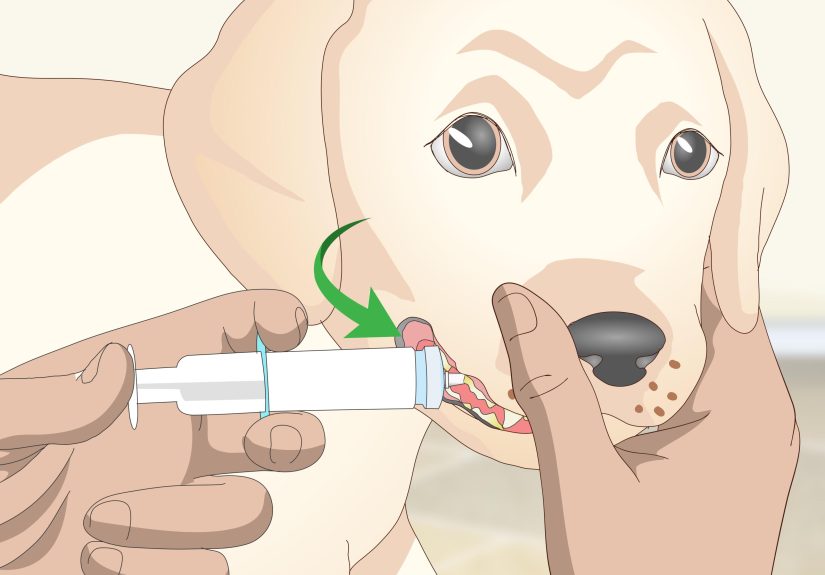
Liquid medication is often given with an oral syringe. Measure the dose carefully, place the syringe into the side of your dog’s mouth near the cheek, and slowly give the liquid so your dog has time to swallow. Do not squirt medicine straight down the throat, because that can cause coughing, choking, or aspiration.
If the medicine was refrigerated, ask whether it can be warmed slightly in your hand before giving it. Some liquids taste better closer to room temperature. Never microwave medication unless a veterinarian specifically instructs you to do so.
Compounded Medication
Compounding pharmacies can sometimes prepare medicine in flavors dogs may accept more easily, such as chicken, beef, or peanut butter flavor. This can be helpful for long-term medication routines. However, compounding should only be done through a legitimate pharmacy with your veterinarian’s approval.
When to Call the Vet
Call your veterinarian if your dog refuses several doses, vomits after taking medication, drools excessively, develops diarrhea, seems unusually tired, has swelling, breaks out in hives, or acts strangely. Also call if you accidentally give the wrong dose or your dog eats extra medication. Quick communication can prevent a small mistake from becoming a bigger problem.
Common Mistakes to Avoid When Giving Dog Medicine
Crushing Pills Without Permission
Some pills are coated to protect the stomach, hide a bitter taste, or control how the drug is released. Crushing them can make the medicine less effective or more irritating. Always ask first.
Mixing Medicine Into a Full Bowl of Food
If you mix medicine into a large meal and your dog eats only half, you will not know how much medication was swallowed. Use a small amount of food first, make sure your dog eats it, then offer the rest of the meal.
Acting Nervous
Dogs notice everything. If you suddenly whisper, move slowly, and stare at the treat like it contains state secrets, your dog may become suspicious. Stay cheerful and normal.
Skipping Doses Without Guidance
If your dog misses a dose, do not automatically double the next one. Call your veterinarian or follow the instructions provided with the medication. Different medicines have different rules.
How to Make Medication Time Less Stressful
Build a routine. Give medication at the same time each day, pair it with a calm cue, and reward your dog afterward. For example, you might say, “medicine time,” give the dose, then follow with a short walk, a favorite toy, or a safe treat. Over time, predictability can reduce stress.
For anxious dogs, practice “fake medicine” sessions with plain treats. Touch your dog’s muzzle gently, reward, and stop. Open the mouth slightly, reward, and stop. This kind of slow training can make real medication easier later.
Real-Life Experience: What Actually Works With Stubborn Dogs
Here is the honest truth from the trenches of dog parenting: the best method is usually the one your dog has not figured out yet. Dogs learn fast. One week, a pill wrapped in cheese is accepted like fine dining. The next week, your dog carefully eats the cheese and drops the pill on the floor with the confidence of a tiny food inspector.
For many owners, the treat sandwich works beautifully. The first treat builds excitement. The second treat contains the pill. The third treat creates urgency. Your dog thinks, “No time to chew, another snack is coming!” This method is especially useful for dogs that love training treats and already understand reward-based routines.
Another practical experience: texture matters. A crunchy treat may not hide a pill well because the dog expects to chew. Soft, sticky foods often work better because they cling to the medication. A small amount of canned dog food can form a neat little medicine meatball. Plain cooked chicken can work, too, especially when the pill is tucked inside a folded piece.
Timing also makes a difference. A hungry dog is often more cooperative than a dog who just finished dinner and now views your medicated snack as an unnecessary side quest. If the medicine can be given with food, offering it right before breakfast or dinner may improve your chances.
Some dogs do better when the owner stops making the medication the main event. Instead of calling the dog, closing doors, gathering supplies, and creating suspense, prepare everything quietly first. Then offer the medicated treat during a normal moment, such as after a sit command or before a walk. The less theatrical you are, the less theatrical your dog may be. No guarantees, of course. Dogs have range.
For dogs that spit out pills, check the floor afterward. Seriously. Some dogs pretend to swallow, accept praise, wag their tails, and then reveal the pill under the table like they have been running a secret pharmacy. Watch for swallowing, offer water or a follow-up treat, and stay nearby for a minute.
Liquid medication has its own learning curve. The biggest mistake is giving it too quickly. Slow and steady is better. Place the syringe along the side of the mouth and give small amounts at a time. If your dog backs away, pause. A calm reset is better than a sticky medicine splash across your shirt, the floor, and somehow the wall behind you.
For long-term medication, ask your vet about convenience. A flavored liquid, chewable tablet, or compounded version can save weeks of frustration. This is especially helpful for senior dogs, dogs with chronic conditions, and dogs who need several medications each day. A routine that works for both you and your dog is not a luxury; it is part of good care.
Most importantly, protect the relationship. Your dog should not feel ambushed every time you walk into the room. Use praise, patience, and rewards. If one method fails, try another. If nothing works, your veterinarian has seen this movie before and probably knows the sequel. You are not a bad pet parent because your dog refuses medicine. You are simply living with a professional snack auditor.
Conclusion
Getting your dog to take medicine does not have to be a daily battle. Start by following your veterinarian’s instructions, then choose the method that fits your dog’s personality. Food hiding works for snack-loving dogs. Pill pockets add convenience. Direct pilling can be effective when done gently. Liquid, compounded, or alternate forms may be the answer for dogs who refuse tablets.
The goal is not to “trick” your dog at any cost. The goal is to give the right medicine, in the right amount, in the safest and least stressful way possible. With patience, preparation, and a few clever techniques, medication time can become less of a showdown and more of a manageable routine. Your dog may never thank you for it, but a healthier tail wag is a pretty good review.