Table of Contents >> Show >> Hide
- What Is Yeast in Science?
- How Yeast Works: Fermentation Explained
- Common Types of Yeast Used in Baking
- Is Yeast Alive?
- Yeast in Bread: Why It Makes Dough Rise
- Yeast Beyond Bread
- What Is Nutritional Yeast?
- Yeast vs. Baking Powder vs. Baking Soda
- How to Store Yeast Properly
- Common Yeast Problems and How to Fix Them
- Practical Examples of Yeast at Work
- Health and Safety: Is Yeast Safe to Eat?
- Experience Section: What Baking With Yeast Teaches You
- Conclusion
Yeast is one of those tiny kitchen miracles that does a heroic amount of work while looking like beige dust. It can puff up bread, help brew beer, shape the flavor of wine, add cheesy depth to vegan popcorn, and quietly teach us that biology has a much better sense of drama than most reality TV shows. But what is yeast, exactly? In simple terms, yeast is a microscopic, single-celled fungus. In more delicious terms, it is the living engine behind fermentation, the reason bread dough rises, pizza crust develops flavor, and sourdough starters behave like needy pets with better culinary instincts.
Although people often talk about yeast as if it were just one ingredient, the yeast world is surprisingly broad. There are many yeast species, but the best-known kitchen superstar is Saccharomyces cerevisiae, commonly used in bread baking, brewing, and winemaking. This organism feeds on sugars and produces carbon dioxide, alcohol, and flavor compounds. That may sound like a science fair project, but it is also the foundation of some of humanity’s favorite foods.
What Is Yeast in Science?
Yeast is a type of fungus, but unlike mushrooms, it does not grow as a big visible structure with a stem and cap. Instead, yeast is usually single-celled and microscopic. Each cell is alive, and when conditions are right, it can grow, reproduce, and ferment sugars. Yeast cells are naturally found in soil, on plants, on fruit skins, in the air, and in many food environments. In other words, yeast has been hanging around long before humans decided to put it in sandwich bread and cinnamon rolls.
Most yeasts reproduce by budding. A small daughter cell grows from the parent cell, eventually separates, and becomes its own yeast cell. Under favorable conditionswarmth, moisture, food, and the right pHyeast can multiply quickly. Under less friendly conditions, commercial dry yeast can remain dormant for a long time, waiting for water and warmth to wake it up like a tiny baker from a nap.
How Yeast Works: Fermentation Explained
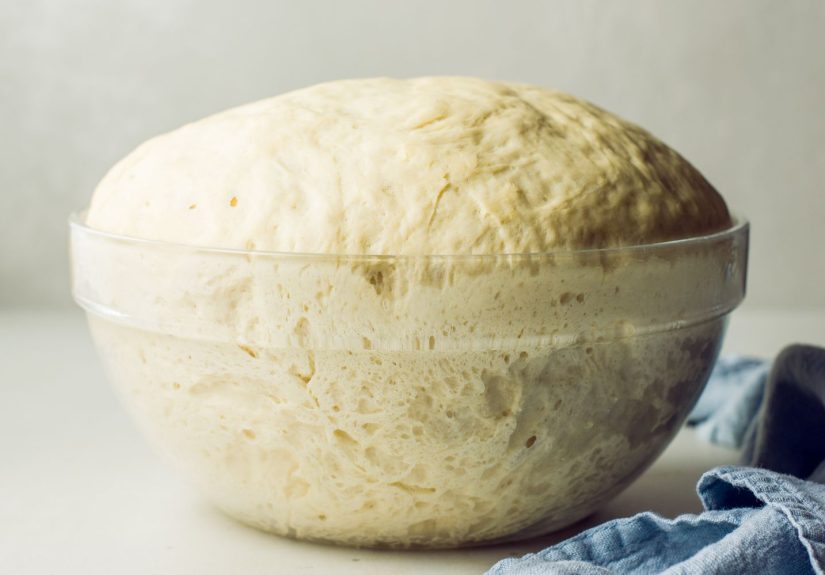
The magic word behind yeast is fermentation. During fermentation, yeast consumes sugars and converts them into carbon dioxide and alcohol. In bread dough, carbon dioxide is the prize. The gas gets trapped in the dough’s gluten network, causing the dough to expand and rise. The alcohol mostly evaporates during baking, while the fermentation process leaves behind subtle flavors and aromas.
Think of dough as a stretchy balloon factory. Flour and water form gluten, which acts like elastic walls. Yeast produces carbon dioxide, which inflates those walls. Salt controls the pace, temperature changes the speed, and time adds flavor. When everything goes well, you get bread with structure, aroma, and a tender crumb. When things go wrong, you get a dense loaf that could politely be described as “rustic” and less politely as “doorstop-adjacent.”
Why Sugar Matters
Yeast needs food, and sugar is its preferred snack. In bread dough, yeast can feed on simple sugars naturally present in flour or sugars created when enzymes break down starches. Recipes may also include table sugar, honey, molasses, or milk sugars to help fermentation and flavor. However, too much sugar can slow yeast down because high-sugar doughs pull water away from yeast cells. That is why sweet breads often need special handling, longer rise times, or osmotolerant yeast.
Why Temperature Matters
Yeast is alive, so temperature matters. Warm conditions make yeast more active, while cold conditions slow it down. This is why dough rises faster in a warm kitchen and more slowly in the refrigerator. Cold fermentation is not a mistake; it is a technique. Pizza dough, sourdough, and artisan breads often develop deeper flavor when yeast works slowly over many hours or days. But heat has limits. Water that is too hot can damage or kill yeast, turning your baking plan into a floury apology.
Common Types of Yeast Used in Baking
Walk into a grocery store baking aisle and yeast suddenly becomes more complicated than expected. Active dry, instant, rapid-rise, fresh yeastwhy does bread need so many personalities? Each type can work beautifully, but they are not always identical.
Active Dry Yeast
Active dry yeast is one of the most familiar forms for home bakers. It comes as small granules and is usually sold in packets or jars. Traditionally, active dry yeast is dissolved in warm water before being added to dough. This step is often called “proofing,” and it helps confirm that the yeast is alive. If the mixture becomes foamy after a few minutes, your yeast is awake and ready to report for carbohydrate duty.
Instant Yeast
Instant yeast has finer particles than active dry yeast and can usually be mixed directly into flour without being dissolved first. Many bakers love instant yeast because it is reliable, convenient, and fast. It is especially helpful for everyday sandwich bread, rolls, pizza dough, and no-knead recipes. In many modern recipes, active dry and instant yeast can be used interchangeably with small adjustments, though instant yeast may rise a little faster.
Rapid-Rise or Fast-Acting Yeast
Rapid-rise yeast is designed to move quickly. It is often used in recipes with shorter rise times and may include additives that help speed fermentation. It can be useful when you want dinner rolls today, not sometime next week. However, fast is not always better. Long fermentation builds flavor, so rapid-rise yeast may not be ideal for recipes where slow development is part of the charm.
Fresh Yeast
Fresh yeast, sometimes called cake yeast or compressed yeast, is soft, moist, and perishable. Professional bakeries often use it, but it is less common in American home kitchens. Fresh yeast has a short shelf life and must be refrigerated. It can produce excellent results, especially in enriched doughs, but dry yeast is usually more convenient for everyday baking.
Is Yeast Alive?
Yes, baking yeast is aliveat least before it is baked. Dry yeast may look like sleepy sand, but the cells are dormant rather than dead. Add moisture, warmth, and food, and yeast becomes active again. This is why old yeast can be a problem. If yeast has expired or has been stored poorly, fewer cells may survive, and your dough may rise slowly or not at all.
A quick yeast test can save a recipe. Stir yeast into warm water with a small pinch of sugar and wait about 5 to 10 minutes. If it foams, bubbles, and smells pleasantly yeasty, it is active. If nothing happens, the yeast may be dead or too weak to leaven bread properly. At that point, it is better to start over than to spend three hours waiting for dough that has emotionally checked out.
Yeast in Bread: Why It Makes Dough Rise
In bread baking, yeast has three major jobs: leavening, flavor development, and dough conditioning. Leavening is the most visible. Yeast produces carbon dioxide, and that gas expands inside the dough. The gluten structure traps the bubbles, creating volume and texture. Without yeast or another leavening agent, bread would be flat and dense.
Flavor development is more subtle but just as important. Fermentation creates organic acids, alcohols, and aromatic compounds that make bread taste like bread rather than plain cooked flour. This is why a slowly fermented loaf often tastes more complex than a rushed loaf. Time gives yeast and enzymes room to create depth.
Yeast also affects dough handling. During fermentation, dough becomes more extensible and easier to shape. This is especially noticeable in pizza dough, baguettes, and artisan loaves. A well-fermented dough feels alive in the hands: stretchy, airy, and responsive. A poorly fermented dough may feel tight, slack, sticky, or stubborn, depending on what went wrong.
Yeast Beyond Bread
Bread may be yeast’s most famous job, but it is far from the only one. Yeast plays a major role in beer, wine, cider, kombucha, and many fermented foods. In alcoholic beverages, yeast converts sugars into alcohol and carbon dioxide. Different yeast strains produce different flavors, which is why yeast selection matters so much in brewing and winemaking.
Yeast is also used in food manufacturing, biotechnology, nutritional supplements, and flavor production. Yeast extract, for example, is used to add savory umami flavor to soups, sauces, snacks, and prepared foods. Nutritional yeast is a deactivated yeast product sold as flakes or powder and loved for its nutty, cheesy flavor. It does not make dough rise because the yeast cells are no longer alive, but it does make popcorn taste like it went to culinary school.
What Is Nutritional Yeast?
Nutritional yeast is deactivated yeast, often made from Saccharomyces cerevisiae. Since it is inactive, it cannot ferment dough or produce carbon dioxide. Instead, it is used as a seasoning. It has a savory, nutty, cheesy taste and is especially popular in vegan and vegetarian cooking. People sprinkle it on pasta, roasted vegetables, tofu, soups, salads, and popcorn.
Many nutritional yeast products are fortified with B vitamins, including vitamin B12, though nutrition varies by brand. This makes label reading important. Nutritional yeast should not be confused with baker’s yeast or brewer’s yeast. Baker’s yeast is for leavening bread. Brewer’s yeast is associated with beer production and supplements. Nutritional yeast is for flavor and nutrition, not fermentation.
Yeast vs. Baking Powder vs. Baking Soda
Yeast, baking powder, and baking soda can all make baked goods rise, but they work differently. Yeast is biological. It is a living organism that ferments sugars over time. Baking powder and baking soda are chemical leaveners. They produce carbon dioxide through chemical reactions, usually much faster than yeast.
This is why muffins, pancakes, biscuits, and quick breads often use baking powder or baking soda. They do not need hours of fermentation. Yeast breads, on the other hand, rely on time. That time gives bread its chew, aroma, structure, and flavor. A biscuit wants speed. A sourdough loaf wants patience, attention, and possibly its own social media account.
How to Store Yeast Properly
Yeast lasts longest when protected from heat, moisture, and air. Unopened packets can usually be stored in a cool pantry until the expiration date. Once opened, yeast should be sealed tightly and kept in the refrigerator or freezer. Freezing dry yeast can extend its life, but it should be brought to room temperature before use to avoid condensation.
If you bake often, buying yeast in a jar or vacuum-sealed package can be economical. If you bake only occasionally, packets may be safer because they reduce the risk of keeping opened yeast for too long. Either way, the rule is simple: when in doubt, test it. A five-minute proofing test is much cheaper than sacrificing flour, butter, eggs, and your emotional stability.
Common Yeast Problems and How to Fix Them
The Dough Did Not Rise
The most common causes are dead yeast, cold dough, too much salt, too much sugar, or not enough time. Check the yeast’s expiration date, use warmnot hotliquid, and give the dough a cozy environment. A slightly warm oven that is turned off can help, but avoid overheating.
The Dough Rose Too Fast
Too much yeast or too much heat can cause dough to rise quickly. Fast rising may sound convenient, but it can reduce flavor and weaken structure. Use the amount of yeast listed in the recipe and consider cooler fermentation when flavor matters.
The Bread Tastes Too Yeasty
A strong yeasty flavor may come from using too much yeast or not allowing enough fermentation balance. Better bread often comes from using less yeast and giving the dough more time. Slow fermentation lets flavor develop without making the loaf taste like a yeast convention.
The Dough Collapsed
Overproofing is a likely cause. If dough rises too long, the gluten structure can stretch beyond its limit and collapse. Use visual cues instead of relying only on the clock. Dough should usually look puffy and expanded, but still have enough strength to spring back gently when poked.
Practical Examples of Yeast at Work
In a basic sandwich bread, yeast creates a soft, even crumb and mild flavor. In pizza dough, a long cold fermentation can create a chewy crust with blistered edges and better browning. In brioche, yeast works in a rich dough full of butter and eggs, producing a tender, luxurious bread. In sourdough, wild yeasts work alongside lactic acid bacteria, creating tangy flavor and a more complex fermentation system.
Even simple dinner rolls show yeast’s personality. A short rise produces mild, fluffy rolls. A slower rise gives more aroma and depth. Add too much flour, and the rolls become dry. Add too much heat, and fermentation rushes like it is late for a meeting. Baking with yeast teaches patience because yeast does not care about your schedule. It cares about temperature, food, hydration, and time.
Health and Safety: Is Yeast Safe to Eat?
For most people, yeast used in baked goods and food products is safe. Baker’s yeast is commonly used in bread and is killed during baking. Nutritional yeast is inactive and widely used as a seasoning. However, people with specific allergies, sensitivities, immune concerns, or medical dietary restrictions should follow professional medical advice. Food safety also matters: fermented foods should be prepared using trusted methods, clean equipment, and proper storage.
Raw active yeast is not meant to be eaten by the spoonful. Besides tasting unpleasant, active yeast can continue fermenting and may cause digestive discomfort. Yeast belongs in recipes, not as a dare. Your stomach is not a mixing bowl, no matter how committed you are to homemade bread.
Experience Section: What Baking With Yeast Teaches You
The first real lesson yeast teaches is humility. You can measure flour carefully, warm the water, knead with confidence, and still end up staring at a lump of dough that refuses to rise. At first, this feels personal. It is not. Yeast is not judging you; it is responding to conditions. Once you understand that, baking becomes less mysterious and more like learning to read signs.
One of the most useful experiences with yeast is learning that time on a recipe is only a guide. A recipe may say, “Let rise for one hour,” but your kitchen might be cold, your dough might be stiff, or your yeast might be slower than expected. The dough is ready when it looks and feels ready. It should expand, become airy, and show signs of fermentation. This is why experienced bakers watch the dough, not just the clock.
Another lesson is that small changes create big differences. A warmer kitchen can make dough rise quickly. A little extra salt can slow fermentation. A long rest in the refrigerator can transform ordinary pizza dough into something with real character. Yeast rewards patience. A rushed dough may still bake, but a slowly fermented dough often has better flavor, better texture, and a crust that makes you feel like you accidentally opened a tiny bakery.
Handling yeast dough also builds confidence. At first, sticky dough can seem like a disaster. Many beginners panic and add too much flour, which makes the final bread dense. Over time, you learn that sticky does not always mean wrong. Some doughs are supposed to be wet. Focaccia, ciabatta, and high-hydration pizza doughs can feel messy, but that moisture helps create an open, tender crumb. The trick is learning when to flour, when to oil your hands, and when to simply trust the process.
Proofing yeast is another practical habit worth developing. If a packet has been hiding in the pantry for a suspicious amount of time, test it before adding it to a full recipe. Watching yeast foam in warm water is oddly satisfying. It is like seeing a tiny engine start. If it bubbles, you can bake with confidence. If it does nothing, you have saved yourself from a loaf that would have risen with all the enthusiasm of a paperweight.
Finally, yeast teaches that food is alive before it becomes dinner. Bread is not just flour, water, salt, and yeast; it is a process. It changes as it rests. It smells different after fermentation. It feels different after folding. It springs in the oven. That transformation is what makes yeast so fascinating. It turns basic ingredients into something warm, fragrant, and deeply comforting. For such a small organism, yeast has an impressive talent for making a kitchen feel like home.
Conclusion
So, what is yeast? Yeast is a microscopic fungus, a living fermenter, a natural leavening agent, and one of the most important organisms in the food world. It feeds on sugars, produces carbon dioxide and alcohol, and helps create the rise, flavor, and texture we love in bread, pizza, beer, wine, and many fermented foods. Whether you are using active dry yeast, instant yeast, fresh yeast, or nutritional yeast, understanding how yeast works can make you a better baker and a smarter cook.
Yeast may be tiny, but its impact is enormous. It connects science with comfort food, patience with flavor, and biology with the smell of fresh bread. Treat it well, give it the right conditions, and yeast will reward you with dough that rises, crusts that crackle, and meals that taste like you know exactly what you are doingeven if your kitchen counter is covered in flour and your measuring spoon has vanished again.
Note: This article is written in original standard American English and is based on established food science, baking, fermentation, and yeast-handling information from reputable educational, culinary, and scientific sources.