Table of Contents >> Show >> Hide
- Why Officials Told People to Stop Taking Selfies Near Kīlauea
- What Happened During the Kīlauea Volcano Eruption in 2018?
- The Real Dangers Behind the “Perfect Volcano Selfie”
- How Social Media Made a Dangerous Situation Worse
- Why the Police Warning Actually Made Perfect Sense
- Lessons From Kīlauea: Awe Is Fine, Recklessness Is Not
- Kīlauea in 2018 Was a Reminder That Nature Sets the Rules
- Experiences and Human Reactions During the 2018 Kīlauea Eruption
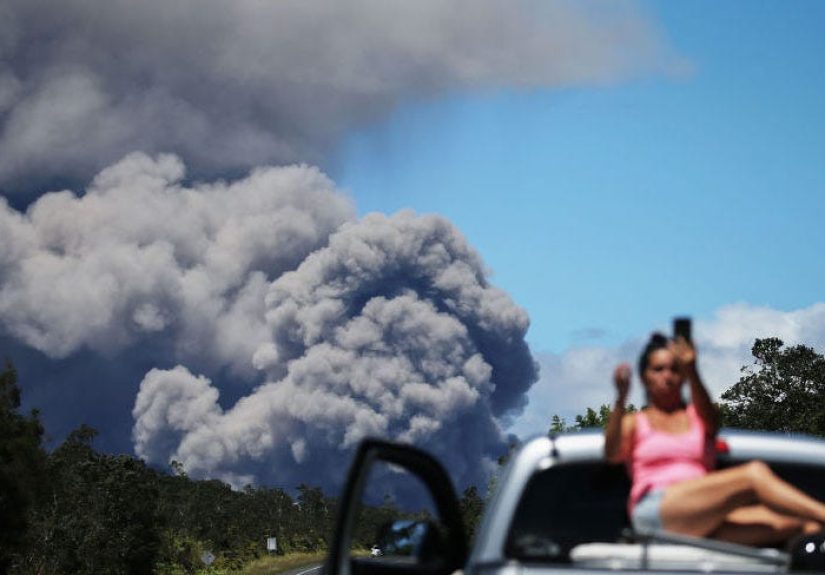
When Kīlauea erupted in 2018, the world did what the world does best: it stared in amazement, pulled out a phone, and tried to turn a geological emergency into a profile picture. That was exactly the problem. As lava tore through neighborhoods on Hawaii’s Big Island, police and state officials had to issue warnings that sounded absurd, obvious, and completely necessary at the same time: do not take selfies near the eruption.
Yes, the lava was visually spectacular. It glowed like the Earth had cracked open and switched to theater lighting. But the 2018 Kīlauea eruption was not a tourist prop or a social media backdrop. It was one of the most destructive volcanic events in modern Hawaii history, with lava flows, toxic gases, collapsing ground, ash plumes, road closures, evacuations, and communities permanently changed. The warning against “lava selfies” was really a warning against something bigger: mistaking beauty for safety.
This article looks at why officials were so alarmed, what made the Kīlauea eruption of 2018 so dangerous, how selfie culture collided with disaster reality, and what the event still teaches us about risk, tourism, and common sense with a camera in hand.
Why Officials Told People to Stop Taking Selfies Near Kīlauea
The warning was not just about bad judgment. It was about immediate physical danger. By June 2018, authorities were publicly frustrated that some tourists and even local residents were getting dangerously close to lava flows to snap pictures and film video. Reports at the time said arrests had already been made for loitering in restricted lava zones, and penalties were stiff enough to make even the most determined Instagram adventurer reconsider the shot.
The logic behind the warning was simple: an erupting volcano is not a scenic overlook. It is an active hazard zone. The heat is extreme, the terrain is unstable, and the conditions can change far faster than a person can react. You are not just posing near a glowing rock. You are standing near molten material, sharp volcanic glass, toxic gas, and surfaces that may collapse or crack without warning. That is not a selfie situation. That is a “put the phone away and leave” situation.
Officials also knew something human beings rarely admit on vacation: once a few dramatic photos hit social media, more people show up wanting the same angle. One person takes a risky picture. Ten more think, “Well, that doesn’t look too bad.” Suddenly, a disaster zone becomes a crowd management problem.
What Happened During the Kīlauea Volcano Eruption in 2018?
The 2018 eruption began on May 3, when lava broke through the ground in Leilani Estates, a residential subdivision on Kīlauea’s Lower East Rift Zone. That alone would have been serious. But this was not a brief burst followed by a polite geological apology. The eruption expanded into a long, destructive event that lasted for months and dramatically reshaped parts of the Big Island.
Large fissures opened in the ground. Lava surged through neighborhoods. Roads were buried. Thousands of earthquakes rattled the area. At the summit, the volcano’s structure changed as magma drained away and the caldera collapsed. Over time, lava covered broad stretches of land, destroyed hundreds of homes, displaced residents, and even created new coastline as molten rock poured into the ocean.
The eruption became historic not just because it was visually intense, but because it combined several hazards at once. There was the lower East Rift Zone eruption, summit collapse, intense seismic activity, ash emissions, and severe gas exposure. In other words, this was not one neat, tidy volcano event. It was a chain reaction with multiple danger zones and moving parts.
A Disaster That Changed More Than the Landscape
Natural disasters always leave two maps behind. One is physical. The other is emotional. The physical map of Kīlauea changed with astonishing speed in 2018. Entire residential areas were overtaken. Familiar roads vanished. Shoreline geography shifted. New land formed where ocean had been, which sounds almost poetic until you remember what had to burn for that new land to appear.
The emotional map changed too. Families were forced out. Daily routines disappeared. Park operations were disrupted. Businesses, farms, and tourism all took economic hits. The eruption did not merely make headlines; it interrupted lives.
The Real Dangers Behind the “Perfect Volcano Selfie”
The warning against selfies may have sounded funny to outsiders, but the hazards were deadly serious. In fact, the danger around Kīlauea in 2018 came from multiple sources, not just the lava itself.
Extreme Heat
Lava is mesmerizing in the same way a lit furnace is mesmerizing: it is beautiful right up until you remember what it can do to human skin, clothing, vehicles, and bone. Kīlauea’s lava was hot enough to ignite vegetation, destroy structures, and make nearby surfaces dangerously hot. Getting too close for a dramatic photo was never a harmless thrill.
Toxic Gas and Vog
One of the biggest hidden hazards was volcanic gas. Kīlauea emitted sulfur dioxide, which contributed to vog, or volcanic smog. Vog is not some tropical mist with a fancy rebrand. It is a real air-quality hazard made of gas and acidic particles that can irritate eyes, skin, and lungs. For people with asthma, respiratory conditions, or other sensitivities, it can be especially dangerous. You might think you are just walking toward a scenic plume, when in reality you are heading into a chemically hostile atmosphere.
Unstable Ground
Volcanic terrain is not a reliable floor. Fresh lava crust can be thin and unstable. Ground can crack. Edges can collapse. Areas that look solid in a photo may be fragile enough to fail underfoot. A person focused on framing a shot is exactly the kind of person likely to miss those warning signs.
Ocean Entry Hazards
When lava entered the Pacific, it created another set of dangers. Steam plumes near ocean entry points were not harmless beach fog. They could contain hydrochloric acid and tiny shards of volcanic glass. The U.S. Coast Guard maintained safety zones for a reason. Even tour boats learned the hard way that lava and seawater can interact violently, with explosions and flying debris that injure people in seconds.
Fast-Changing Conditions
A volcano does not care that you are almost done recording your video. Lava channels can shift. New fissures can open. Smoke can thicken. Wind can push gas in a different direction. Escape routes can narrow. This unpredictability is exactly why emergency managers hate the phrase “I’ll just be there for a minute.” Disasters adore that phrase.
How Social Media Made a Dangerous Situation Worse
The 2018 Kīlauea eruption happened in a culture that rewards dramatic imagery. That matters. Not every disaster in history had to compete with filters, hashtags, travel envy, and the deeply modern urge to prove, in real time, that you were there.
Volcanoes are especially vulnerable to this attention economy because they are visually stunning. Lava fountains, fiery fissures, black rock against orange glow, and giant steam plumes are all camera magnet material. In another context, they would be nature photography gold. In an active emergency, they can become bait.
The danger is not just that people want a photo. The danger is that people want a photo that looks closer, riskier, and more exclusive than everyone else’s. A safe picture from far away does not earn the same bragging rights as the one that looks like you personally interviewed the volcano. That pressure, however silly it sounds, is powerful enough to nudge people past barriers, warning signs, and plain common sense.
Officials were therefore fighting two emergencies at once: the eruption itself and the behavior it attracted.
Why the Police Warning Actually Made Perfect Sense
At first glance, “don’t take selfies with the volcano” sounds like the kind of sentence that should not need to exist. But emergency warnings are not written for ideal behavior. They are written for actual behavior. And actual behavior during high-profile disasters can be surprisingly chaotic.
Police, land managers, and emergency officials understood that public fascination can quickly turn into unsafe crowding. People ignore closures. They park in bad places. They wander into restricted areas. They slow response operations. They put themselves at risk, then require rescue. Every one of those actions pulls attention and resources away from residents, evacuees, and hazard monitoring.
So the warning was about more than selfies. It was about protecting life, preserving access routes, respecting evacuation zones, and preventing a spectacular event from becoming even more dangerous because people treated it like live entertainment.
Lessons From Kīlauea: Awe Is Fine, Recklessness Is Not
The biggest lesson from the Kīlauea eruption of 2018 is not that volcanoes are dangerous. Humanity knew that one already. The bigger lesson is that danger can still look beautiful, and beauty can trick people into relaxing exactly when they should not.
Kīlauea reminded the world that natural disasters can produce unforgettable images while still being deadly, disruptive, and traumatic for those living through them. A lava flow may look cinematic from a distance, but for nearby communities it can mean evacuation, property loss, toxic air, ruined roads, and months of uncertainty.
That is why respectful observation matters. Listen to emergency alerts. Stay behind closures. Follow park and county guidance. Do not chase a better angle. The volcano will not hand out extra points for bravery, and the internet is not going to pay your hospital bill because your sunset lava selfie had “great energy.”
Kīlauea in 2018 Was a Reminder That Nature Sets the Rules
There is something humbling about Kīlauea. In 2018, it reminded people that Earth is not static, calm, or especially interested in human schedules. Neighborhoods, roads, coastlines, and routines all changed because a volcanic system decided to move magma where magma wanted to go.
And yet, even in the middle of that reminder, some people still tried to step closer for a better photo. That is almost poetic in a weirdly human way. We stand next to raw planetary power and think, “This needs better lighting.”
The police warning cut through that nonsense. It translated geology into plain English: this is dangerous, stop acting like it is a theme park, and back away from the lava.
Frankly, that was excellent advice in 2018. It still is.
Experiences and Human Reactions During the 2018 Kīlauea Eruption
One reason the 2018 Kīlauea eruption captured so much attention is that it delivered a strange mix of wonder and dread. People watching from legal, safer distances often described the glow as hypnotic. At night, the lava looked unreal, almost too bright and too fluid to belong to the same planet as grocery stores, minivans, and neighborhood mailboxes. In daylight, the scene changed mood completely. The blackened ground, smoke columns, and hardened lava fields looked less like a postcard and more like a lesson in how quickly ordinary life can be overturned.
For residents, the experience was obviously more personal and far more painful than anything seen in a news clip. The eruption was not just “volcano activity.” It was uncertainty. It was checking updates constantly. It was worrying about roads, air quality, property, pets, family members, and whether home would still be there tomorrow. Even people outside the immediate danger zones felt the tension. Earthquakes rattled nerves. Ash and gas became part of daily conversation. The volcano was not a distant landmark anymore; it was the center of the day.
For visitors and observers, the experience often came with a moral split-screen. On one side was awe. On the other was the obvious reality that they were witnessing destruction. That tension matters. Kīlauea in 2018 was visually extraordinary, but it was not entertainment in the usual sense. The most thoughtful observers seemed to understand that the proper response was respect, not performance. You could be amazed and still stay careful. You could take a picture and still remember that people nearby were losing homes and routines, not auditioning for a disaster documentary.
There was also the sensory side of the eruption, which many reports emphasized. This was not just a thing you looked at. It was something you felt. The ground had a history of shaking. The air could change character depending on the wind. The sky could look clear one moment and hazy the next. Steam plumes from ocean entry were dramatic, but they also came with warnings. The volcano made people feel small, and not in a cute motivational-poster way. Small as in, “the island is reminding you who has the final say here.”
That is why the selfie issue struck such a nerve. In a setting like this, behavior becomes part of the story. Some people responded with caution, empathy, and respect for closures. Others chased proximity and spectacle. The difference between those two responses says a lot about modern disaster culture. One treats an eruption as a powerful natural event affecting real communities. The other treats it like content.
In the end, the most lasting experience connected to Kīlauea in 2018 may not have been the glow of lava alone. It was the collision between beauty and danger, curiosity and caution, memory and loss. People will remember the dramatic images for years, but the deeper memory is more useful: nature can be astonishing without being safe, and the smartest thing a person can do in front of overwhelming force is not to pose beside it, but to respect it.