Table of Contents >> Show >> Hide
- What Foodieaholic Really Means
- Why the Foodieaholic Mindset Connects with So Many People
- The Signature Traits of a Foodieaholic Kitchen
- How to Build a Foodieaholic Lifestyle at Home
- Real-World Examples of the Foodieaholic Approach
- Common Mistakes People Make When Chasing the Foodieaholic Dream
- Final Thoughts: Why Foodieaholic Works
- Foodieaholic Experiences: Extra from the Table
If you have ever stared into your refrigerator like it personally betrayed you, then congratulations: you are exactly the kind of person who needs a little more Foodieaholic energy in your life. The word sounds playful, slightly dramatic, and maybe a little hungry. That is part of the charm. But in practice, Foodieaholic is not about being fancy, snobby, or the kind of person who says “mouthfeel” at lunch. It is about loving food enough to make everyday meals feel easier, warmer, smarter, and a lot more memorable.
Foodieaholic is also the name of a real food-focused site built around easy, memorable food for families on a budget. That positioning matters because it captures what modern home cooks actually want: quick weeknight dinners, crowd-pleasing appetizers, fun desserts, seasonal ideas, entertaining shortcuts, and practical kitchen tips that do not require a culinary degree or a second mortgage. In other words, Foodieaholic speaks fluent real life.
And that is why the idea works so well as a topic. A true foodieaholic is not just someone who loves eating. It is someone who sees food as part comfort, part creativity, part connection, and part survival strategy for 6:17 p.m. on a Wednesday.
What Foodieaholic Really Means
At its heart, Foodieaholic represents a style of cooking and living that balances three things people usually assume cannot coexist: great flavor, reasonable effort, and sensible cost. That is a winning formula because most households are not looking for food that is merely impressive. They want food that works.
A Foodieaholic mindset says dinner should not feel like a punishment. It should feel like a useful ritual with decent odds of producing happiness. That might mean crispy tacos with a few punchy toppings, a cozy slow-cooker side dish, a playful holiday dessert, or a charcuterie board that makes guests think you have your life together. Even if you absolutely do not.
This approach also lines up with a lot of what respected U.S. food and health resources have emphasized for years: cooking at home gives people more control over ingredients, portions, spending, and routine. The biggest barrier is often time, not talent. So the best food content today does not just teach recipes. It reduces friction. It makes cooking feel possible again.
Why the Foodieaholic Mindset Connects with So Many People
1. It makes home cooking feel exciting again
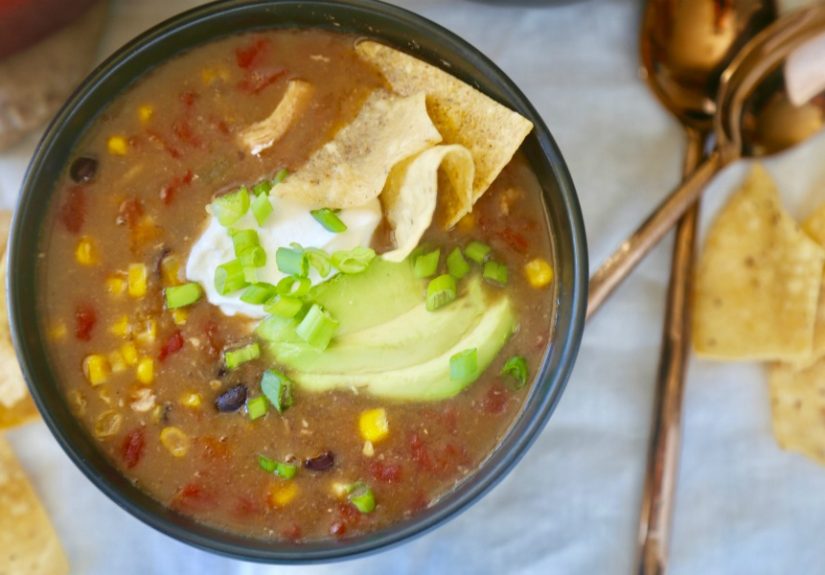
Many people do not need more recipes. They need momentum. Foodieaholic-style cooking restores that by keeping meals visually appealing, seasonal, and emotionally rewarding. A bowl of soup is fine. A clever soup with good toppings, fresh bread, and “I totally meant to make this” energy is better. Food becomes less of a chore and more of a small event.
2. It respects the budget
Good food does not have to arrive with a violin soundtrack and a suspiciously high service fee. One reason the Foodieaholic identity resonates is that it embraces affordable home cooking. Smart meal planning, pantry staples, flexible proteins, and intentional shopping can stretch dollars without creating sad meals. Budget cooking works best when it feels abundant rather than restrictive, and that is exactly the tone this style aims for.
3. It turns meals into memories
People remember food. They remember the holiday dip everyone hovered around. The breakfast casserole that disappeared before coffee number two. The dessert that looked too pretty to eat but got demolished anyway. Foodieaholic is powerful because it understands that memorable meals are not always elaborate. Sometimes they are just timed well, shared with the right people, and served with confidence.
The Signature Traits of a Foodieaholic Kitchen
Easy recipes with personality
A foodieaholic kitchen is not boring. It might lean on practical categories like breakfast, dinner, soups, desserts, beverages, and side dishes, but the tone is never bland. The best examples are simple recipes with a twist: stuffed French toast instead of plain toast, a holiday charcuterie wreath instead of a generic snack tray, cheesecake cups instead of a massive project dessert that ruins your afternoon.
Family-friendly without being flavor-free
This is important. Too often, “family-friendly” becomes code for beige. Foodieaholic works better because it keeps flavor in the room. Lemon pepper pasta, crispy chicken tacos, artichoke dip, roasted potatoes, fun seasonal treats, and make-ahead meal ideas all send the same message: yes, the food can be practical, but it should still taste like someone cared.
Planning that saves your sanity
Meal planning sounds boring until you realize it is basically pre-deciding to be less stressed. A Foodieaholic approach borrows from the smartest kitchen advice out there: keep staples stocked, prep ingredients ahead when possible, choose a manageable menu, and use themes to narrow your decisions. Taco night, soup night, breakfast-for-dinner night, or “we are pretending this cheese board is a full meal” night all count.
Entertaining that feels warm, not performative
One of the most appealing parts of the Foodieaholic vibe is that entertaining does not need to feel like opening a restaurant inside your house. A smart host chooses a theme, does prep in advance, serves a few things well, and lets guests relax. Dessert does not need to be a 14-step masterpiece. A beautiful simple option can be just as effective. Possibly more effective, because nobody enjoys panic frosting.
Basic food safety that never goes out of style
Every fun kitchen still needs grown-up habits. Wash hands and surfaces. Keep raw and ready-to-eat foods separate. Cook foods properly. Chill leftovers promptly. These are not glamorous rules, but they are the backbone of confident home cooking. A true foodieaholic wants memorable meals, not memorable stomach regret.
How to Build a Foodieaholic Lifestyle at Home
Start with a small weekly framework
You do not need a color-coded meal spreadsheet with seventeen tabs and emotional support formulas. Start with a loose plan. Pick three easy dinners, one comfort meal, one fun snack or dessert, and one backup meal made from pantry staples. That alone can transform your week.
Keep a “greatest hits” list
Every home cook needs repeatable winners. These are the dishes that buy peace: the roasted potatoes that always work, the soup you can make half-awake, the dip that disappears at gatherings, the fast pasta that tastes like more effort than it actually took. A foodieaholic does not chase novelty every single night. They build a reliable catalog and add fresh ideas around it.
Use shortcuts without guilt
Store-bought puff pastry? Fine. Rotisserie chicken? Heroic. Pre-cut vegetables on a brutal Tuesday? Absolutely. Cooking at home is not a purity contest. It is a way to make food work for your real schedule. Smart shortcuts are not cheating; they are strategy.
Balance everyday food with special moments
The smartest food lovers know not every meal has to sparkle. Some dinners are practical. Others are playful. The magic comes from balance. If Monday is a five-ingredient skillet meal, Saturday can be the fun breakfast bake or party board. This rhythm keeps cooking sustainable instead of exhausting.
Make your kitchen inviting
A foodieaholic kitchen does not need expensive gadgets. It needs a few dependable tools, an organized pantry, and ingredients you are actually excited to use. Good olive oil, spices that still smell alive, a solid sheet pan, a slow cooker, a mixing bowl, and a realistic sense of your patience level can take you surprisingly far.
Real-World Examples of the Foodieaholic Approach
The busy parent: Instead of ordering takeout four nights in a row, they keep one soup recipe, one taco recipe, one sheet-pan dinner, and one slow-cooker side in rotation. They save money, reduce stress, and still serve meals that feel intentional.
The casual host: They stop trying to impress everyone with restaurant-level ambition. They pick a theme, prep ahead, serve one signature appetizer, one easy main, one good side, and a dessert that looks festive but does not destroy the kitchen. Guests leave happy. Host remains emotionally intact.
The budget-minded couple: They plan meals around affordable staples, stock beans, pasta, potatoes, grains, canned tomatoes, and frozen vegetables, then layer in a few fresh ingredients and strong seasonings. Suddenly “budget food” looks like actual dinner instead of culinary surrender.
Common Mistakes People Make When Chasing the Foodieaholic Dream
Trying to cook like every meal is a holiday special
That is how enthusiasm turns into burnout. Save the showstoppers for when they matter. Let weeknight meals stay efficient.
Confusing expensive with better
Price is not flavor. Good seasoning, decent technique, and smart combinations beat random expensive ingredients every time.
Ignoring portions and planning
Even good home cooking benefits from some structure. Planning helps control waste, cost, and overbuying. Portion awareness also matters if you want meals to feel balanced instead of chaotic.
Skipping prep entirely
Future You deserves chopped onions, washed greens, or at least a rough dinner plan. A little prep removes a lot of resistance.
Forgetting that food is social
Great food content is not only about what is on the plate. It is about the moment around it. The best meals invite conversation, comfort, laughter, and seconds. Sometimes thirds. We are not here to judge.
Final Thoughts: Why Foodieaholic Works
Foodieaholic is a smart keyword because it feels fun, memorable, and emotionally rich. But it is also more than a catchy name. It captures the modern home-cooking sweet spot: food that is flavorful, affordable, practical, and worth sharing. It honors the reality that most people want meals that look good, taste better, and fit inside an actual life.
So no, being a foodieaholic does not mean obsessing over truffle foam or booking a three-month waitlist for dinner. It means caring enough about food to make it part of a better daily rhythm. It means keeping home cooking joyful, manageable, and just a little extra in the best possible way. It means making memories, one smart, delicious plate at a time.
Foodieaholic Experiences: Extra from the Table
A Foodieaholic experience rarely begins with perfect circumstances. It usually starts with something much less glamorous, like a half-full fridge, a long workday, and the creeping suspicion that cereal could technically count as dinner. Then something changes. You pull out a package of tortillas, some leftover chicken, a lime, maybe a handful of cheese and a tired-looking onion, and suddenly the kitchen feels less like a problem and more like a challenge you are weirdly excited to win. That is the first Foodieaholic moment: realizing good food does not always require ideal conditions, only a little imagination and the willingness to keep going.
There is also a distinct joy in the small transformation of ordinary nights. A simple pasta dish tastes different when you add fresh herbs at the end and serve it in real bowls instead of eating over the sink like a stressed raccoon. Roasted potatoes become memorable when they are crisp enough to make someone wander into the kitchen asking, “What is that smell?” A quick dip and a platter of cut vegetables can turn a random Friday into a tiny celebration. Foodieaholic is full of those upgrades. Not luxury. Not excess. Just thoughtful, cheerful effort.
Then there are the gathering moments, which might be the most Foodieaholic of all. Someone brings over a bottle of something chilled. Someone else steals a bite before the platter hits the table. The host announces that dinner is “super casual,” which is usually true right up until everybody starts hovering around the appetizer like it is a competitive sport. A board of cheeses, fruit, crackers, and something sweet disappears faster than the main course. A make-ahead dessert earns dramatic praise out of proportion to the labor involved. This is one of the great secrets of food-loving households: people remember how a meal made them feel even more than they remember every ingredient in it.
My favorite Foodieaholic-type experiences are often the least polished. A holiday breakfast where the coffee runs late but the baked dish comes out golden and perfect. A weeknight soup that was only supposed to use up pantry odds and ends but somehow becomes a repeat request. A potluck table full of practical, slightly mismatched dishes that still feels more welcoming than any curated restaurant menu. Food has a way of lowering the pressure and lifting the mood when it is made with generosity instead of performance.
That is why Foodieaholic, as a concept, lasts. It is not built on perfection. It is built on repeatable pleasure. It tells us that cooking can be creative without being chaotic, budget-friendly without feeling bleak, and special without requiring a culinary identity crisis. It gives people permission to enjoy food enthusiastically, plan meals intelligently, host casually, and still care deeply about flavor. In a world full of rushed eating and distracted cooking, that feels almost radical. And honestly, pretty delicious.