Table of Contents >> Show >> Hide
- Why Green, Pink, and Silver Work So Well Together
- Choosing the Right Tree as the Base
- Start With Lights: The Glow Comes First
- Layering Ribbon for Movement and Softness
- Choosing Ornaments: Mix Size, Finish, and Meaning
- Add Picks, Florals, and Sprays for a Designer Finish
- Garlands, Beads, and Tinsel: The Sparkle Layer
- The Tree Topper: Where the Whole Story Lands
- Tree Skirt, Collar, and Gift Wrap
- How to Style the Room Around the Tree
- Common Decorating Mistakes to Avoid
- Our Experience With a Green, Pink, and Silver Christmas Tree
- Conclusion
There are Christmas trees that whisper, “classic holiday elegance,” and then there are Christmas trees that walk into the room wearing sparkly shoes, a velvet bow, and just enough pink to make December feel like it has a sense of humor. Our green, pink, and silver Christmas tree falls happily into the second category.
This color palette is cheerful without being chaotic, modern without feeling cold, and nostalgic without looking like a storage bin exploded in the living room. Green keeps the tree grounded in tradition. Pink adds playfulness, softness, and a little wink. Silver brings the sparkle, reflecting lights and making the whole tree feel polished, frosty, and festive. Together, the three colors create a Christmas tree that feels fresh, cozy, and personal.
If you are looking for Christmas tree decorating ideas that move beyond the usual red-and-gold formula, a green, pink, and silver Christmas tree is a gorgeous place to start. It works on a natural evergreen, a flocked Christmas tree, a slim apartment tree, or even a tabletop tree for smaller spaces. Best of all, it can be styled in many directions: romantic, whimsical, vintage, glam, candy-inspired, or soft winter wonderland.
Why Green, Pink, and Silver Work So Well Together
At first, green, pink, and silver may sound like three guests who were invited to different parties. But once you see them together, the combination makes perfect sense.
Green is the anchor. It gives the tree its Christmas identity and brings in that natural evergreen feeling, even if your tree is artificial and came out of a box with more instructions than a spaceship. Pink softens the palette. It adds warmth and personality, making the tree feel less formal and more joyful. Silver acts like the finishing filter. It brightens the branches, catches the glow of the lights, and ties together the pink ornaments and green needles with a frosty shimmer.
The Color Personality of the Tree
A green, pink, and silver Christmas tree can be styled in several ways depending on the shades you choose:
- Blush pink, sage green, and champagne silver: soft, elegant, and romantic.
- Hot pink, emerald green, and bright silver: bold, playful, and maximalist.
- Dusty rose, forest green, and mercury glass silver: vintage-inspired and cozy.
- Pastel pink, mint green, and icy silver: sweet, whimsical, and candy-shop festive.
For our tree, the goal was balance. We wanted it to feel merry, not messy; stylish, not stiff; festive, not like a glitter factory had filed a formal complaint.
Choosing the Right Tree as the Base
The tree itself sets the mood before a single ornament goes on. A traditional green Christmas tree makes pink and silver pop beautifully because the green branches act like a rich, natural backdrop. A flocked tree gives the palette a snowy, dreamy effect, especially if you use blush ornaments and silver ribbon. A slim tree works well if you want the look in a small living room, bedroom, hallway, or apartment corner.
For a green, pink, and silver Christmas tree, a full green tree is the most flexible option. The green is already built into the design, so you can focus your decorating budget on pink ornaments, silver accents, lights, ribbon, picks, and meaningful keepsakes.
Fresh Tree or Artificial Tree?
A fresh tree brings fragrance, texture, and that classic holiday feeling. If you choose a real tree, place it in a sturdy water-holding stand and keep the water level above the base of the trunk. A hydrated tree looks better longer and drops fewer needles. An artificial tree is convenient, reusable, and easier to shape, especially if you like a highly styled look with ribbon and ornament clusters.
Either option can work beautifully. The real secret is not the price of the tree. It is the layering.
Start With Lights: The Glow Comes First
Lights are the foundation of the whole design. For this color palette, warm white lights are usually the safest choice. They make pink look soft, green look rich, and silver look expensive. Cool white lights can work too, especially if you want an icy winter wonderland effect, but they may make blush pink look slightly colder.
When decorating, start deep inside the branches and work outward. This creates depth, so the tree glows from within instead of looking like lights were tossed on at the last minute while someone yelled, “Guests are coming in ten minutes!”
Light Safety Matters
Before adding lights, check every strand for frayed wires, cracked sockets, or loose connections. Turn tree lights off before bed or when leaving the house. If you use a timer, make sure it is rated for your lights. Sparkle is wonderful; electrical drama is not part of the theme.
Layering Ribbon for Movement and Softness
Ribbon is where the tree starts to look designed rather than simply decorated. For a green, pink, and silver Christmas tree, consider using two ribbon styles: one soft pink ribbon and one silver or sheer metallic ribbon. Wired ribbon is easiest to shape because it holds loops, waves, and tucked sections.
Instead of wrapping ribbon around the tree like a belt, cut it into shorter strips and tuck each piece into the branches. This creates a cascading, natural look. Start near the top and work down in loose diagonal sections. Let the ribbon disappear into the tree and reappear lower down. The goal is movement, not a perfectly wrapped mummy tree.
Ribbon Combinations That Work
- Blush velvet ribbon + silver mesh ribbon: romantic and dimensional.
- Pink satin ribbon + mercury silver ribbon: polished and classic.
- Dusty rose ribbon + white-and-silver striped ribbon: vintage and playful.
- Hot pink ribbon + glitter silver ribbon: bold, bright, and party-ready.
If your tree already has a lot of shiny ornaments, use matte or velvet ribbon to add softness. If your ornaments are simple, metallic ribbon can bring the sparkle.
Choosing Ornaments: Mix Size, Finish, and Meaning
The biggest mistake people make with themed trees is buying ornaments that are all the same size and finish. A beautiful tree needs variety. Mix large, medium, and small ornaments. Use matte, glossy, glittered, mirrored, velvet, glass, and handmade textures. The eye loves contrast.
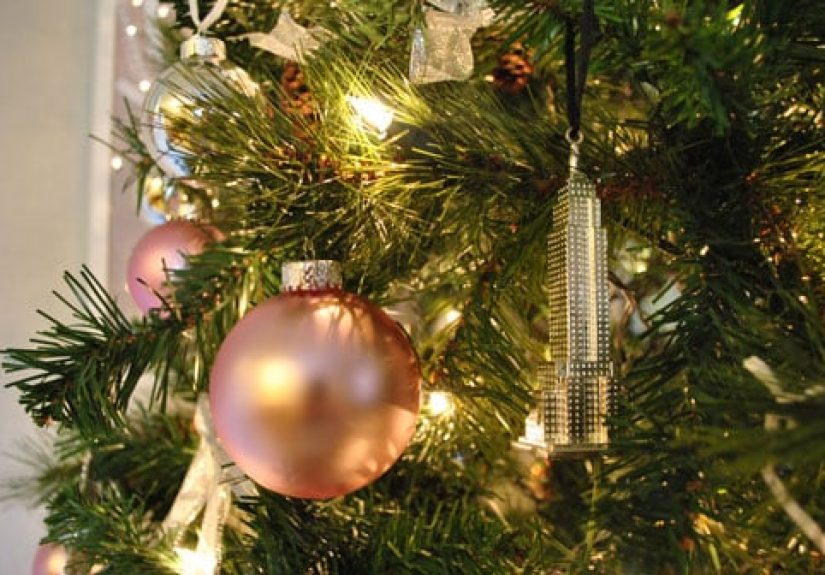
For our green, pink, and silver Christmas tree, we used large silver balls deep inside the branches to reflect light, medium pink ornaments on the outer branches for color, and smaller green ornaments to bridge the palette. The green-on-green detail may seem subtle, but it adds richness and makes the tree feel layered rather than flat.
Ornament Formula for a Balanced Look
A simple decorating formula is helpful:
- 40% silver ornaments for sparkle and reflection.
- 35% pink ornaments for personality and warmth.
- 15% green ornaments for depth and cohesion.
- 10% sentimental or statement ornaments for charm.
That last 10% matters more than people think. A tree should look pretty, yes, but it should also look like real people live there. Add the handmade ornament from a child, the tiny photo frame, the souvenir from a winter trip, or the slightly odd ornament that somehow became a family celebrity. Perfect trees are nice. Personal trees are unforgettable.
Add Picks, Florals, and Sprays for a Designer Finish
Floral picks and sprays are the secret sauce of a full-looking Christmas tree. They fill gaps, add height, and make an ordinary tree look lush. For this palette, pink poinsettias, blush roses, silver berry sprays, frosted eucalyptus, glittered leaves, and pearl picks all work beautifully.
Place larger florals in triangle patterns around the tree so the color feels balanced. For example, add one pink floral cluster near the upper left, one around the middle right, and one lower left. Then repeat the pattern with smaller silver sprays. This keeps the eye moving and prevents one side from becoming “the pink side,” which sounds like a holiday neighborhood dispute.
How to Keep It From Looking Overdone
Use restraint with large florals. Three to seven floral clusters are usually enough for an average tree. If every branch has a flower, the tree may start looking less like Christmas and more like it is attending a spring wedding. Beautiful, yes. Confusing, also yes.
Garlands, Beads, and Tinsel: The Sparkle Layer
Silver garland, pearl strands, or delicate tinsel can make this color scheme shine. The key is to choose one main sparkle layer. If you use silver bead garland, skip heavy tinsel. If you use lametta-style silver strands, keep the ribbon simpler. Too many shiny elements can compete with each other.
A thin silver garland woven loosely through the branches can echo the metallic ornaments without overpowering the pink. Pearl garland gives a softer, more romantic look. Silver tinsel adds vintage personality, especially when paired with pink glass ornaments and green branches.
The Tree Topper: Where the Whole Story Lands
The topper should feel connected to the rest of the tree. A silver star is classic and works beautifully. A large pink bow feels romantic and current. A cluster of silver sprays, blush ribbon, and frosted greenery creates a custom designer look.
For our tree, a bow topper made the most sense. Pink ribbon brought the softness upward, while silver sprays added height and shimmer. It looked festive, slightly dramatic, and just fancy enough to make the tree seem like it had somewhere important to be.
Tree Skirt, Collar, and Gift Wrap
Do not stop decorating at the lowest branch. The base matters. A silver tree collar gives the whole design a clean, polished finish. A faux fur tree skirt adds cozy winter texture. A blush pink velvet skirt makes the tree feel soft and romantic.
Gift wrap can also support the theme. Use a mix of matte green paper, pale pink ribbon, silver bows, kraft paper with silver tags, and white wrapping with pink accents. Even simple boxes look intentional when they repeat the colors on the tree.
Budget-Friendly Styling Tip
You do not have to buy all-new decorations. Spray-paint old ornaments silver, tie pink ribbon onto existing green ornaments, reuse white lights, and make paper snowflakes or gift tags from leftover craft supplies. A cohesive palette can make inexpensive pieces look surprisingly elevated.
How to Style the Room Around the Tree
A Christmas tree rarely stands alone. It shares space with furniture, mantels, shelves, windows, stockings, and the occasional pet who believes every ornament is a personal invitation. To make the whole room feel cohesive, repeat green, pink, and silver in small moments around the space.
Add a pink velvet pillow to the sofa, silver candlesticks to the mantel, greenery on the coffee table, or a bowl of pink and silver ornaments near the entryway. You do not need to redecorate the entire house. Three to five repeated accents are enough to make the room feel pulled together.
Best Supporting Decorations
- Silver bells tied with blush ribbon
- Green garland with pink velvet bows
- Mercury glass candle holders
- Pink bottlebrush trees
- White stockings with silver initials
- Fresh evergreen branches in a glass vase
Common Decorating Mistakes to Avoid
Even a beautiful color scheme can go sideways if the tree is not balanced. One common mistake is placing all the favorite ornaments at eye level. Spread them around. Another is decorating only the outer tips of the branches. Place some ornaments deeper inside to create depth.
Also, avoid using only shiny pieces. Silver is stunning, but too much shine can feel harsh. Balance it with velvet ribbon, matte ornaments, soft florals, paper accents, or natural greenery. Finally, step back often. Decorating a Christmas tree up close is like editing a photo at 500% zoom. You need distance to see the full picture.
Our Experience With a Green, Pink, and Silver Christmas Tree
The first time we tried a green, pink, and silver Christmas tree, we were not completely sure it would work. Green and silver felt safe. Pink felt like the wildcard cousin who shows up to dinner with glitter eyeliner and somehow becomes everyone’s favorite person. But once we started layering the colors, the palette came alive in the best way.
We began with warm white lights, and that decision made everything easier. The glow softened the pink ornaments and gave the silver pieces a cozy shine instead of a cold glare. Then we added ribbon. At first, we tried wrapping it around the tree in one long spiral, but it looked too stiff, almost like the tree was wearing a sash for winning “Miss Holiday Living Room.” Cutting the ribbon into shorter sections worked much better. Each piece could be tucked, curved, and adjusted until it looked natural.
The pink ornaments were the emotional turning point. Pale blush ornaments looked elegant, but the tree needed a little more energy, so we mixed in a few brighter pink pieces. That contrast made the design feel cheerful instead of overly delicate. The silver ornaments did a lot of heavy lifting. They reflected the lights, filled visual gaps, and made even the simpler decorations look more intentional.
One surprise was how important the green ornaments became. At first, adding green ornaments to a green tree seemed unnecessary. Why decorate green with more green? But darker emerald and lighter sage ornaments created subtle contrast against the branches. They made the tree look deeper and more expensive, even though some of those ornaments were from a very humble post-holiday clearance bin. We respect a bargain with range.
Another lesson was that sentimental ornaments still belonged. A themed tree can sometimes feel like it has security at the door, rejecting anything that does not match the dress code. We decided not to be that strict. A few family ornaments, handmade pieces, and tiny keepsakes went on the tree, even if they were not perfectly pink, green, or silver. Instead of ruining the theme, they made the tree feel warmer. The color palette gave the tree structure, while the personal ornaments gave it heart.
The biggest challenge was knowing when to stop. This palette makes it dangerously easy to keep adding more sparkle. A silver spray here, a pink bow there, one more glitter ornament because “it needs balance” suddenly the tree is wearing every accessory in the house. We learned to decorate in rounds. First lights, then ribbon, then large ornaments, then medium ornaments, then small accents. After that, we waited a little before adding picks and finishing touches. That pause saved the tree from becoming too crowded.
By the end, the tree felt exactly right for our home: festive, bright, slightly whimsical, and still cozy. During the day, the pink made the room feel cheerful. At night, the silver caught the lights and turned the whole corner into a soft holiday glow. Guests noticed the color combination right away, usually with some version of, “I never would have thought of pink with green and silver, but I love it.” That is the magic of this tree. It is familiar enough to feel like Christmas, but unexpected enough to feel memorable.
If we decorate the same tree again, we would keep the warm white lights, the blush ribbon, the silver sprays, and the mix of sentimental ornaments. We might add a few pale green velvet bows or more mercury glass pieces for texture. But the heart of the design would stay the same. Green, pink, and silver turned out to be one of those holiday combinations that feels joyful without trying too hard. And really, that is the goal: a tree that makes the room feel happier every time you walk by.
Conclusion
Our green, pink, and silver Christmas tree proves that holiday decorating can be traditional and playful at the same time. Green gives the tree its classic Christmas foundation, pink adds charm and personality, and silver brings the sparkle that makes everything feel magical. Whether you prefer blush and elegant, bright and whimsical, vintage and nostalgic, or soft and snowy, this color palette can be adapted to fit your home.
The best Christmas tree is not the one with the most expensive ornaments or the most perfect ribbon. It is the one that makes your home feel warm, joyful, and unmistakably yours. Add the sparkle, tuck in the ribbon, hang the meaningful ornaments, and let the tree tell your holiday story preferably with a little pink, a little silver, and a whole lot of cheer.