Table of Contents >> Show >> Hide
- What Is Ukraine Actually Offering Russian Pilots?
- Why Would Ukraine Pay So Much for a Russian Aircraft?
- The Maksim Kuzminov Case: The Reward Becomes Real
- How the “I Want to Live” Program Fits In
- Historical Precedent: This Is Not a New Trick
- Why Russian Pilots Are a Special Target
- Is the $1 Million Bounty Smart Strategy?
- What This Means for the War
- Experiences and Lessons from Following the Ukraine Pilot Bounty Story
- Conclusion
In a war where drones buzz like angry lawnmowers, tanks meet their end on livestream, and intelligence operations sometimes sound like movie pitches rejected for being too dramatic, Ukraine’s offer to Russian pilots stands out: bring a working combat aircraft, and the reward can reach $1 million. That is not pocket change. That is “new life, new passport, new problem set” money.
The headline is simple, but the story is layered. Ukraine’s reward program is not just a publicity stunt taped to the side of a hangar. It is part psychological warfare, part intelligence collection, part battlefield economics, and part survival campaign. Kyiv has spent years trying to convince Russian service members that surrender or defection is safer than becoming another anonymous casualty in a war many did not choose.
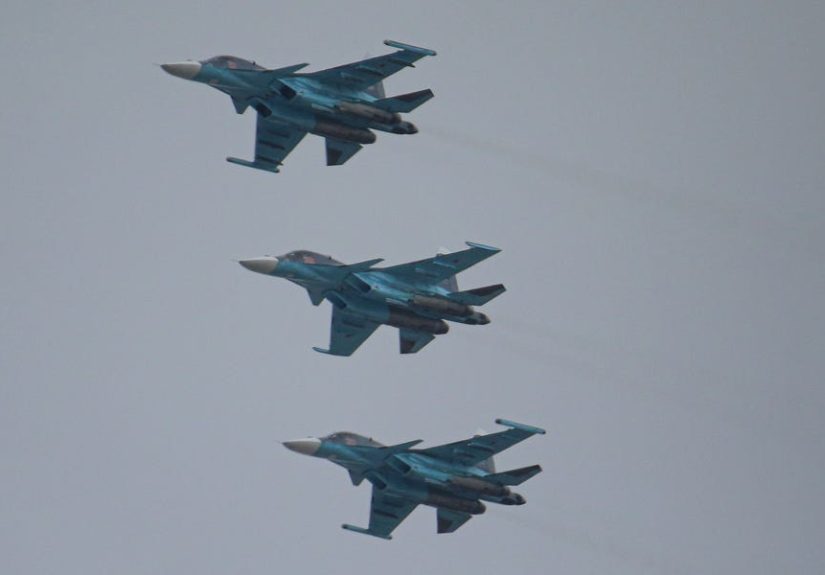
The core offer, first publicized in 2022, promised up to $1 million for a working Russian combat aircraft and $500,000 for a working military helicopter. Later, Ukraine’s parliament formalized payments for Russian personnel who voluntarily transfer usable military equipment to Ukrainian forces. In plain English: Ukraine is not merely asking pilots to walk away. It is asking them to fly away with something Moscow desperately wants to keep.
What Is Ukraine Actually Offering Russian Pilots?
The popular phrase “Ukraine will pay Russian pilots $1 million to defect” needs one important clarification. The $1 million bounty is tied to the transfer of a working combat aircraft, such as a fighter or attack jet. Helicopters are valued lower under the reward structure, at roughly $500,000. Warships, tanks, armored vehicles, artillery systems, and other equipment also have assigned reward levels.
That distinction matters because the most famous publicly known case involved a helicopter, not a fighter jet. In 2023, Russian pilot Maksim Kuzminov flew a Mi-8 helicopter into Ukraine after a secret operation coordinated with Ukrainian intelligence. Ukrainian officials later said he would receive the hryvnia equivalent of $500,000. The operation gave Kyiv a propaganda win, an intact helicopter, and a human story that could be broadcast back toward Russian lines.
Ukraine’s pitch has generally included more than money. Reports and official Ukrainian materials have also emphasized secrecy, safe stay in Ukraine, help with new documents, and possible relocation to a third country. That package is crucial. A pilot considering defection is not deciding between two job offers. He is weighing the risk of death, imprisonment, retaliation against family members, and the possibility of being hunted for the rest of his life.
Why Would Ukraine Pay So Much for a Russian Aircraft?
At first glance, $1 million sounds like an outrageous price tag. Then again, modern fighter jets cost tens of millions of dollars, and their weapons, sensors, avionics, software, maintenance records, and technical secrets can be worth far more than the airframe alone. If a Russian pilot delivered a serviceable aircraft, Ukraine would gain several advantages at once.
1. Immediate Military Value
A captured aircraft can provide spare parts, intelligence, and training opportunities. Even if Ukraine cannot easily operate a particular Russian jet in combat, its engineers and intelligence officers can study how it is built, how it communicates, what systems it carries, and where its weaknesses might be. A battlefield trophy is not just metal; it is a flying filing cabinet full of clues.
2. Psychological Pressure on Russian Forces
Reward programs create suspicion. If even one pilot defects, commanders must wonder how many others are considering it. Crews may face tighter monitoring. Trust inside units can erode. A military machine runs on fuel, ammunition, orders, and confidence. Ukraine’s bounty strategy aims at that last ingredient.
3. Propaganda and Morale
A successful defection sends a powerful message: even trained Russian military personnel may decide the war is not worth fighting. For Ukraine, that message supports domestic morale and international attention. For Russian forces, it says: there is an exit ramp. It may be narrow, dangerous, and guarded by bad luck, but it exists.
The Maksim Kuzminov Case: The Reward Becomes Real
The story of Maksim Kuzminov turned Ukraine’s bounty concept from theory into global news. Kuzminov, a Russian helicopter pilot, crossed into Ukraine in August 2023 with a Mi-8 helicopter. Ukrainian officials presented the operation as a major intelligence success. The defection reportedly took months to arrange and included steps to move Kuzminov’s family out of Russia.
For Ukraine, the case was a recruiting poster with rotors. Kuzminov appeared publicly and urged others not to participate in Russia’s war. Ukrainian officials said the number of inquiries from Russians considering surrender or defection increased after the operation became public. It was the kind of story that intelligence agencies love: one man, one machine, one symbolic blow against the enemy.
But the aftermath was darker. Kuzminov was later found dead in Spain in 2024. Spanish authorities investigated the killing, and Reuters later reported that a Spanish court provisionally closed the probe in 2025 because no perpetrators had been identified. His death added a chilling footnote to the bounty story. The money may be real, but so is the danger.
That is why any article about Ukraine’s $1 million pilot bounty should avoid treating defection like a game show with fighter jets. The stakes are life, death, loyalty, law, identity, and fear. There is no cheerful airport lounge waiting at the end of this kind of flight.
How the “I Want to Live” Program Fits In
Ukraine’s bounty offer exists alongside a broader surrender initiative known as “I Want to Live.” This project was created to give Russian service members a way to arrange voluntary surrender. Its official materials emphasize treatment under the Geneva Conventions, medical care, contact with relatives, and the possibility of future exchange or relocation.
The program shows how modern warfare has changed. Surrender is no longer only a white cloth waved from a trench. It can involve chatbots, encrypted messaging, drones, hotline operators, and carefully staged routes across dangerous terrain. Legal experts have noted that technology-enabled surrender raises complicated questions, because a soldier is not fully protected as surrendered until the act is clear, genuine, unconditional, and feasible for the opposing side to accept.
In other words, a phone call is not magic armor. The battlefield remains messy. But Ukraine’s message is clear: Russians who do not want to fight have options, and those who bring valuable equipment may receive money as well as protection.
Historical Precedent: This Is Not a New Trick
Offering money for enemy aircraft has a long history. During the Korean War, the United States launched Operation Moolah, offering $100,000 for a Soviet-built MiG-15 delivered intact. The goal was to obtain an advanced enemy fighter for study. Eventually, North Korean pilot No Kum-Sok flew a MiG-15 to South Korea in 1953, although he reportedly had not defected because of the reward itself. The aircraft was later tested by American pilots, including Chuck Yeager.
The lesson is useful: money can attract attention, but it does not always create the decision. Pilots defect for many reasons: ideology, fear, disillusionment, family safety, survival, resentment, opportunity, or a belief that their government has crossed a moral line. Cash may open the door, but it rarely pushes the person through alone.
Why Russian Pilots Are a Special Target
Russian pilots are valuable because they sit at the intersection of skill, access, and intelligence. A tank crew can surrender a tank. An infantry soldier can surrender himself and a rifle. But a pilot can potentially deliver an aircraft packed with sensitive systems. He may also know airbase routines, mission planning habits, radio procedures, maintenance weaknesses, and morale inside aviation units.
That makes Russian pilots both tempting targets and heavily watched assets. Moscow understands the danger of defection. A pilot who crosses the line with a military aircraft does more than steal hardware; he embarrasses the state. In authoritarian systems, embarrassment can be treated almost like treason with a press release.
Russia has also accused Ukraine and Western intelligence services of attempting to lure pilots into stealing aircraft. In 2025, Russian state media claimed the FSB had foiled a plot involving a MiG-31 carrying a Kinzhal missile, with an alleged $3 million offer. Reuters reported the claim but noted it could not independently verify the account. Whether true, exaggerated, or crafted for domestic messaging, the allegation shows how seriously Moscow views pilot recruitment.
Is the $1 Million Bounty Smart Strategy?
From Ukraine’s perspective, the bounty is relatively cheap if it works. One advanced aircraft can cost many times more than the reward. The intelligence value may be enormous. The propaganda value is harder to measure, but still significant. A single defection can travel farther online than a dozen official briefings.
There are risks. Public bounty offers can invite scams, traps, double agents, and counterintelligence games. A fake defector could try to lure Ukrainian handlers into danger. A real defector could be tracked later. Ukrainian officials must also manage the legal and ethical dimensions of encouraging enemy personnel to cross lines with equipment, especially when other crew members may be unaware of the plan.
Still, war is often a contest of incentives. Russia uses pay, coercion, propaganda, prison recruitment, and pressure to keep manpower flowing. Ukraine’s offer tries to reverse that logic: instead of dying for Moscow, bring the machine to Kyiv and live.
What This Means for the War
The bounty will not decide the war by itself. No serious analyst believes Russia’s air force will collapse because pilots suddenly start browsing real estate listings in Europe. But it can shape behavior at the margins, and margins matter in a long war.
If Russian commanders increase surveillance of pilots, that consumes time and trust. If pilots quietly discuss the offer, morale is affected. If one more aircraft arrives intact, Ukraine gains equipment and a headline. If no one defects, Ukraine still broadcasts a message into Russian ranks: your commanders may demand sacrifice, but Ukraine is offering a way out.
That is the real point. The $1 million bounty is not only about buying jets. It is about buying doubt.
Experiences and Lessons from Following the Ukraine Pilot Bounty Story
For readers watching the Russia-Ukraine war from a distance, the pilot bounty story can feel almost unreal. It has every ingredient of a thriller: secret contacts, aircraft, intelligence handlers, coded decisions, a dramatic border crossing, public reward announcements, and later, the grim reality of assassination fears. But the most useful experience for ordinary readers is not excitement. It is caution.
The first lesson is that wartime headlines need slow reading. “Ukraine pays Russian pilots $1 million to defect” is catchy, but the details matter. The highest reward applies to a combat aircraft, while helicopters have carried a lower reward. That difference may look small in a headline, but it is important for accuracy. War news often moves fast, and fast news can flatten nuance like a tank over a garden fence.
The second lesson is that incentives work differently under fear. In normal life, a million dollars might sound like the beginning of freedom. In wartime defection, it may also be the beginning of hiding. A pilot who defects must worry about former comrades, intelligence services, family exposure, identity documents, relocation, and whether any new country can truly feel safe. The Kuzminov case showed that the afterlife of defection can be just as dangerous as the flight itself.
The third lesson is that modern war is fought through communication as much as ammunition. Ukraine’s “I Want to Live” messaging, surrender hotlines, public bounty announcements, drone-guided surrender videos, and interviews with defectors all serve a strategic purpose. They turn phones, social media, and rumor into weapons of persuasion. The target is not only the soldier’s body on the battlefield, but also his confidence in the mission.
The fourth lesson is that public stories may hide private operations. A successful defection usually appears simple only after it is over. Behind one aircraft landing in Ukraine may be months of vetting, family movement, intelligence checks, route planning, and contingency plans. The public sees the dramatic ending; the dangerous middle is mostly invisible.
The fifth lesson is empathy without naivety. A Russian pilot considering defection may be motivated by conscience, fear, money, family, or all of the above. Ukraine may be motivated by survival, intelligence needs, and psychological warfare. Russia may respond with tighter control and threats. None of these actors are moving in a clean moral laboratory. They are operating in a brutal war where choices are constrained and consequences are severe.
For web readers, the best approach is to treat this story as more than a strange bounty headline. It is a window into how states try to fracture enemy morale, how soldiers calculate survival, and how one aircraft can become a symbol much larger than its wingspan. The offer is not just cash for a jet. It is a message aimed directly at the cockpit: you still have a choice, but the runway is short.
Conclusion
Ukraine’s $1 million bounty for Russian pilots who defect with combat aircraft is one of the most striking examples of psychological warfare in the Russia-Ukraine conflict. It combines military practicality with information strategy: reward the defector, capture valuable equipment, study the technology, and broadcast the message to others still serving under Moscow’s command.
The program’s most famous public example, Maksim Kuzminov’s Mi-8 helicopter defection, showed both the power and peril of such operations. Ukraine gained a helicopter and a major propaganda victory, while Kuzminov’s later death in Spain reminded the world that defection in wartime is not a clean escape scene. It is a dangerous break with a state that may not forgive.
Ultimately, the bounty is less about one million dollars than one million doubts. Every public offer, every successful surrender, and every story of a soldier choosing not to fight chips away at the certainty that armies need. In a long war, doubt can be a weapon too.