Table of Contents >> Show >> Hide
- Why Il Buco Vita Fits the Italian Easter Mood
- The Pastel Palette: Soft Color, Serious Style
- How to Build an Il Buco Vita-Inspired Easter Table
- What to Serve on a Pastel Italian Easter Table
- Styling Details That Make the Table Feel Personal
- Pastels Without the Sugar Rush: A Practical Formula
- A 500-Word Experience: Hosting Easter the Il Buco Vita Way
- Conclusion
- SEO Tags
There are Easter tables, and then there are Italian Easter tablesthe kind that make you suddenly believe you need a hand-thrown platter, a linen napkin with “main character energy,” and a cake shaped like a dove. Il Buco Vita: Pastels for the Italian Easter Table captures exactly that feeling: rustic, graceful, sun-warmed, and just polished enough to make the asparagus feel underdressed.
Il Buco Vita, the tabletop and home décor line connected to Donna Lennard’s beloved il Buco restaurants in New York, is known for handmade ceramics, glassware, linens, and objects inspired by Italian craft traditions. The brand’s world is not about showroom perfection. It is about texture, patina, soft color, and pieces that look as though they have hosted long lunches, excellent gossip, and at least one dramatic debate over who makes the better lamb.
For Easter, that philosophy becomes especially charming. Italian Easter is rich with symbolism: eggs for renewal, lamb for tradition, spring vegetables for freshness, colomba for celebration, and flowers because nature has finally decided to stop being so moody. Add pastelspowder blue, pale rose, butter yellow, sage green, lavender, and milky creamand the table becomes both festive and deeply relaxed.
Why Il Buco Vita Fits the Italian Easter Mood
Il Buco Vita’s appeal begins with its sense of place. The collection is rooted in Italian and Mediterranean traditions, especially the handmade character of ceramics, glass, wooden serving pieces, and natural textiles. Many of its objects feel like they belong in a countryside kitchen where lunch starts at noon and somehow becomes dinner without anyone admitting what happened.
This is exactly what makes the brand so suitable for an Italian Easter table. Easter in Italy is not usually a minimalist snack situation. It is a generous meal with layers: antipasti, breads, seasonal vegetables, lamb or fish, ricotta pies, sweets, chocolate eggs, espresso, and the kind of conversation that requires hand gestures for full accuracy. The table needs to feel abundant without becoming cluttered, elegant without looking stiff, and colorful without turning into a candy aisle.
Pastel Il Buco Vita-style pieces solve that puzzle beautifully. A hand-glazed pink plate can hold torta pasqualina. A soft blue glass can make sparkling water feel like a design decision. A creamy platter can carry roasted lamb with rosemary and potatoes. A pale green bowl can hold peas, asparagus, or fava beans. Nothing has to match perfectly; in fact, it is better when it does not.
The Pastel Palette: Soft Color, Serious Style
Pastels are often treated like Easter’s official uniform, but the Italian version is subtler than plastic eggs and neon jelly beans. Think colors borrowed from nature: almond blossoms, artichoke leaves, pale citrus peel, faded fresco walls, sea glass, and early morning light on stone. These shades feel festive, but they also have staying power beyond the holiday.
Powder Blue and Soft Green
Blue and green are the quiet heroes of a spring table. Powder blue glassware brings freshness without shouting, while soft green plates or bowls echo the season’s vegetables. Together, they create a clean visual base for Easter dishes like asparagus with lemon, spring peas, roasted artichokes, or a frittata filled with herbs.
Blush Pink and Butter Yellow
Blush pink adds warmth and romance, especially when paired with linen napkins or flowers. Butter yellow is ideal for Easter because it reflects eggs, sunlight, and sweet breads without looking overly themed. Use these shades in small doses: a pink dessert plate, a yellow taper candle, a pale floral centerpiece, or ribbon-tied place cards.
Cream, Clay, and Natural Linen
The secret to making pastels look sophisticated is grounding them. Cream ceramics, unbleached linen, rustic wood, terracotta, and handmade flatware keep the table from floating away into cupcake territory. Il Buco Vita’s rustic sensibility works because it balances softness with earthiness. The effect says “Italian countryside,” not “baby shower at noon.”
How to Build an Il Buco Vita-Inspired Easter Table
The most beautiful Easter tables rarely feel overdesigned. They feel collected. That is the key lesson from Il Buco Vita’s aesthetic: let objects have personality. A slightly irregular rim, a hand-painted detail, a linen crease, or a glass with subtle color variation adds soul to the table.
1. Start With Linen, Not Perfection
Begin with a linen tablecloth or runner in ivory, oatmeal, pale pink, or muted sage. Linen is ideal because it softens the whole scene and looks better when it relaxes. A perfectly pressed table can feel formal; a gently rumpled linen table says, “Come sit down, the wine is already open.”
2. Mix Handmade Ceramics
Instead of using one identical dinnerware set, mix plates in related tones. Try cream dinner plates with pastel salad plates, or alternate pale blue and blush settings around the table. Handmade ceramics bring depth because each piece catches light differently. This is especially helpful for food photography, but also for making guests say, “Where did you get this?” before they have even tasted the lamb.
3. Use Glassware as Color
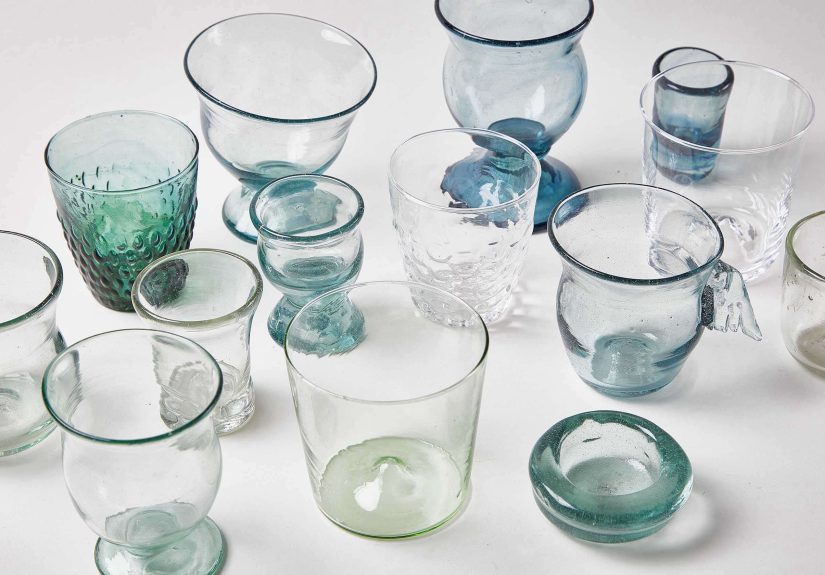
Soft-hued glassware is one of the easiest ways to introduce pastels without overwhelming the table. Pale blue, amber, rose, or smoky green tumblers look beautiful with sparkling water, white wine, or a citrus spritz. Keep the shapes simple and let the color do the flirting.
4. Add Natural Centerpieces
For an Italian Easter table, fresh flowers and edible elements work better than heavy decorations. Use tulips, ranunculus, daffodils, sweet peas, or flowering branches. Add bowls of eggs, artichokes, lemons, or almonds. A centerpiece should feel like spring walked in carrying groceries.
5. Keep the Easter Motifs Gentle
Bunnies and chicks can be charming, but use them with restraint. A small ceramic rabbit near the dessert table? Lovely. A bunny army marching between the wine glasses? Possibly a coup. Instead, focus on eggs, flowers, ribbons, and soft color. These references feel timeless and align better with Italian Easter traditions.
What to Serve on a Pastel Italian Easter Table
The table is only half the story. Italian Easter is built around food that feels symbolic, seasonal, and deeply satisfying. A pastel tablescape should support the meal, not distract from it. The best dishes bring color, aroma, and tradition to the setting.
Torta Pasqualina
This savory Easter pie, often associated with Liguria, is made with greens, ricotta, and eggs baked into the filling. When sliced, the eggs create sunny rounds inside the pie, making it both delicious and naturally decorative. Serve it on a cream or pale blue platter with a small herb garnish.
Roasted Lamb With Rosemary
Lamb is a classic Easter main course in many parts of Italy, often roasted with rosemary, garlic, potatoes, and olive oil. On a pastel table, the richness of lamb benefits from a rustic platter and fresh green sides. The dish brings weight and tradition to all that airy spring color.
Spring Vegetables
Artichokes, asparagus, peas, fava beans, radishes, and young lettuces are perfect for Easter. Serve them in handmade bowls rather than hiding them in the kitchen. Their green tones act like part of the décor, which is convenient because vegetables rarely get to be this stylish.
Colomba Pasquale
Colomba, the dove-shaped Italian Easter cake, is a joyful centerpiece for dessert. Similar in spirit to panettone but associated with spring, it is often topped with almonds and pearl sugar and may include candied citrus. Place it on a cake stand or footed platter and let it do what it does best: look festive while quietly stealing attention from every other dessert.
Chocolate Eggs and Small Sweets
Italian Easter often includes chocolate eggs, cookies, ricotta desserts, and regional sweets. Display them in pastel bowls or on small plates along the table. The trick is abundance, not chaos. Think “market stall in a charming village,” not “children found the sugar cabinet.”
Styling Details That Make the Table Feel Personal
The most memorable Easter tables include small gestures. A handwritten place card tucked into a napkin. A single flower laid across each plate. A ribbon tied around a chocolate egg. A tiny bowl of flaky salt near the bread. These details do not need to be expensive; they need to feel intentional.
For an Il Buco Vita-inspired look, choose materials that age well: linen, wood, ceramic, glass, beeswax, and metal. Avoid anything too shiny or disposable-looking. The goal is a table that feels like it could have existed yesterday, today, or twenty years from now in a sunlit room somewhere between New York and Umbria.
Pastels Without the Sugar Rush: A Practical Formula
If you want the look but do not want to overthink it, follow this simple formula: one neutral base, two pastel accents, one natural texture, one floral element, and one edible centerpiece. For example, use an ivory linen tablecloth, pale blue glasses, blush plates, wooden boards, tulips, and a colomba cake. That is enough. Tables, like people, do not always improve with more accessories.
Another strong combination is sage linen, cream ceramics, lavender napkins, amber glassware, and a centerpiece of lemons and white flowers. This palette feels slightly moodier and more Mediterranean, while still being unmistakably spring.
A 500-Word Experience: Hosting Easter the Il Buco Vita Way
The experience of setting an Il Buco Vita-inspired Italian Easter table begins before anyone arrives. It starts in the quiet hour when the table is still empty, the windows are cracked open, and the kitchen smells faintly of lemon zest, garlic, and something buttery that refuses to explain itself. You lay down the linen first. It is not perfectly smooth, and that is the point. The fabric falls with a relaxed confidence, like it knows it came from a good family but does not need to mention it.
Then come the plates. Not a matching stack, but a gentle conversation of shapes and colors: cream, pale blue, blush, maybe a green bowl with a glaze that looks slightly different at the rim. Each setting feels related, not identical. This is the kind of table that understands family dynamics. Everyone belongs, but nobody has to be the same.
The glassware changes the mood immediately. Soft-colored tumblers catch the light and make even plain water look like it has been vacationing on the Amalfi Coast. Napkins are folded simply, perhaps tied with thin ribbon or tucked under a painted egg. You add flowers last because flowers are dramatic and like an entrance. A loose arrangement of tulips and ranunculus in a low vessel keeps the view open across the table. Nobody wants to spend Easter speaking to a bouquet.
When guests arrive, the table begins to do what it was designed to do. It slows people down. Someone touches the edge of a plate and asks if it is handmade. Someone else notices the colomba on the sideboard and quietly calculates how soon dessert can politely begin. A child reaches for a chocolate egg. An adult pretends not to do the same. The meal unfolds in courses: a slice of torta pasqualina, a salad with spring herbs, lamb with potatoes, vegetables bright with olive oil and lemon. The pastel colors do not compete with the food; they frame it.
By late afternoon, the table is no longer perfect. There are crumbs near the breadboard, wine rings beside the glasses, napkins resting in laps or abandoned near plates, and the flowers have relaxed a little. This is when the table looks best. The handmade ceramics feel less like objects and more like participants. The linen has softened. The colors have warmed. The whole scene becomes less about decorating and more about memory.
That is the real charm of Il Buco Vita for an Italian Easter table. It does not create a display; it creates an atmosphere. It invites long meals, second servings, small imperfections, and the kind of beauty that improves when people actually use it. Pastels may bring the spring mood, but craft, food, and togetherness give the table its soul.
Conclusion
Il Buco Vita: Pastels for the Italian Easter Table is more than a decorating idea. It is a way of approaching Easter with warmth, craftsmanship, and seasonal generosity. Handmade ceramics, soft glassware, linen, flowers, eggs, lamb, spring vegetables, and colomba all work together to create a table that feels festive without being fussy.
The best version of this table does not chase perfection. It welcomes irregularity, texture, and personal touches. A pastel Italian Easter table should feel collected over time, touched by sunlight, and ready for a meal that lasts longer than planned. In other words, it should feel alive.
Note: This original article was developed from real public information about Il Buco Vita, Italian Easter food traditions, spring tablescaping practices, and reputable U.S.-based food, design, and lifestyle references. No source links or citation placeholders are included for clean web publication.