Table of Contents >> Show >> Hide
- What Are Airtight Blue-Colored Glass Canisters?
- Why Blue Glass Canisters Are So Popular
- How Airtight Canisters Help Keep Food Fresh
- Best Foods to Store in Airtight Blue-Colored Glass Canisters
- What Not to Store in Blue Glass Canisters
- How to Choose the Best Airtight Blue Glass Canisters
- Design Ideas for Using Blue Glass Canisters
- Cleaning and Maintenance Tips
- Are Airtight Blue-Colored Glass Canisters Worth It?
- Buying Checklist for Airtight Blue Glass Canisters
- Common Mistakes to Avoid
- Experience Notes: Living With Airtight Blue-Colored Glass Canisters
- Conclusion
- SEO Tags
Some kitchen items whisper, “I am useful.” Others walk into the pantry wearing a blue glass tuxedo and say, “I organize flour, protect coffee, and improve the entire mood of this shelf.” Airtight blue-colored glass canisters belong firmly in the second group. They are not just pretty jars with good lighting. They are practical food storage containers designed to keep air, moisture, pests, odors, and countertop chaos under control.
Whether you call them blue glass canisters, cobalt glass jars, airtight pantry containers, or “those gorgeous blue jars I bought because my kitchen needed a personality,” these containers offer a rare combination: storage performance, visual charm, reusable durability, and everyday convenience. They can hold dry goods like sugar, flour, pasta, rice, tea, coffee beans, cookies, nuts, candy, spices, bath salts, cotton rounds, craft supplies, and even the mysterious bag of lentils you bought during your ambitious soup era.
This guide explores what makes airtight blue-colored glass canisters worth considering, how to choose the right ones, what to store in them, what not to store in them, and how to keep them looking as crisp as the day they arrived. Spoiler: the lid matters almost as much as the glass. A beautiful jar with a weak seal is basically a decorative hat for stale crackers.
What Are Airtight Blue-Colored Glass Canisters?
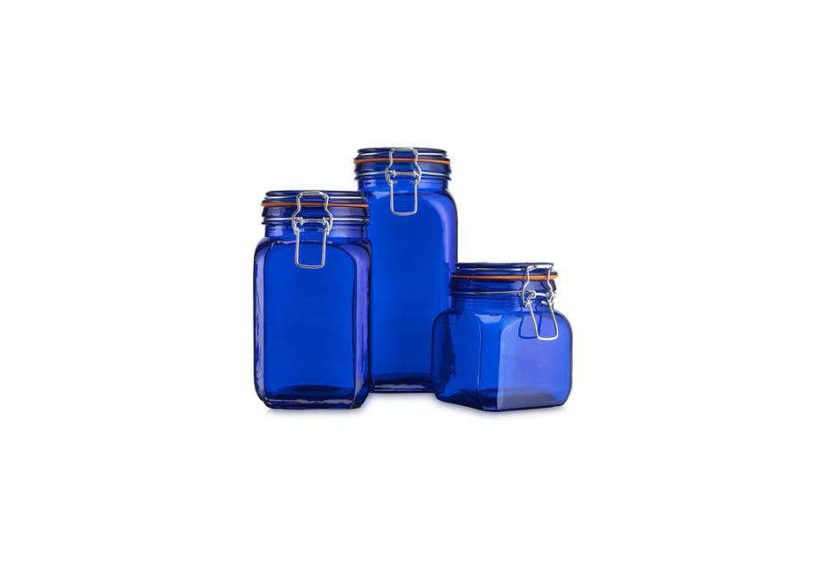
Airtight blue-colored glass canisters are storage jars made from tinted or colored glass, typically fitted with sealing lids that reduce air exchange. The blue color may range from soft sea-glass blue to deep cobalt. Some designs use fully colored glass, while others use clear or lightly tinted glass paired with blue lids. The purpose is usually the same: create an attractive, reusable container that helps preserve dry pantry goods while making shelves look intentional rather than “grocery bag avalanche, but make it domestic.”
Most canisters use one of several lid styles: clamp-top lids with rubber gaskets, screw-top lids, bamboo lids with silicone rings, stainless steel lids with silicone seals, or plastic snap lids. The best airtight glass canisters rely on a flexible gasket, usually silicone or rubber, that compresses against the jar opening. That small ring is the quiet hero. It helps block humidity and air, which are two of the biggest enemies of dry food texture and freshness.
Why Blue Glass Canisters Are So Popular
They Make Storage Look Designed, Not Accidental
Clear glass canisters are classic, but blue glass brings atmosphere. A row of cobalt blue pantry jars can make a basic kitchen shelf look curated. The color adds depth without screaming for attention. It works especially well in white kitchens, wood kitchens, coastal interiors, farmhouse kitchens, vintage-inspired spaces, and modern rooms that need one warm decorative detail.
Blue-colored glass canisters also help reduce the visual clutter of mixed packaging. Instead of seeing cereal boxes, crinkled bags, half-torn pasta wrappers, and three brands of brown sugar having a shelf argument, you see calm, repeated shapes. Organization is partly function and partly emotional theater. If your pantry looks peaceful, you are less likely to close the door and pretend snacks organize themselves.
Glass Resists Odors and Stains
One major advantage of glass pantry canisters is that glass is nonporous. Unlike some plastics, it does not easily absorb strong food smells or stain from colorful ingredients. This matters if you rotate between coffee, tea, spices, dried fruit, or cookies. A good glass jar should not make your vanilla wafers taste faintly like last month’s smoky paprika.
Glass also cleans well. Most glass jars can be washed with warm soapy water, and many are dishwasher safe if the manufacturer allows it. Lids are more complicated. Bamboo lids, wood lids, and lids with glued parts often need hand washing. Silicone gaskets may be removable, which makes deep cleaning easier. Before washing any airtight canister, check the care instructions so you do not turn a beautiful lid into a warped kitchen coaster.
The Blue Color Adds Light Protection
Deep blue or cobalt glass may provide some light filtering compared with clear glass. This is useful for ingredients that do better away from bright light, such as tea, coffee beans, dried herbs, and some spices. However, blue glass should not be treated as a magic force field. It is still best to store food in a cool, dry, dark place, away from direct sunlight, ovens, dishwashers, and sunny windowsills.
If your canister sits on a bright countertop all day, it may look stunning, but your coffee beans may quietly file a complaint. For best results, use blue glass canisters for style and modest light reduction, then pair them with smart placement.
How Airtight Canisters Help Keep Food Fresh
Air, moisture, heat, and pests are the four horsemen of pantry disappointment. Airtight blue-colored glass canisters help mainly with air and moisture. Once a package is opened, dry foods are more exposed to humidity and oxygen. Flour can clump, crackers can lose crispness, brown sugar can harden, coffee can lose aroma, cereal can go soft, and nuts can turn stale faster.
An airtight seal slows that process by reducing the movement of air and moisture into the container. It also helps prevent pantry pests from getting into dry goods. A sealed glass canister is not a substitute for good food rotation, but it is a strong first line of defense. The simple habit of moving open packages into clean, dry, airtight containers can make a pantry easier to manage and less likely to become a tiny wildlife preserve for flour-loving insects.
Best Foods to Store in Airtight Blue-Colored Glass Canisters
Coffee Beans and Tea
Coffee and tea are sensitive to air, moisture, heat, and light. Blue glass canisters with tight seals can be useful for short-term storage, especially if the jars are kept in a cabinet. For coffee, choose a canister that fits the amount you use within a reasonable time. A half-empty oversized jar leaves more air inside, which is not ideal for aroma. Smaller airtight glass canisters are often better for daily-use coffee beans.
Flour, Sugar, and Baking Staples
Flour and sugar are pantry basics that benefit from airtight storage. A wide-mouth canister is especially helpful because you can fit a measuring cup inside without performing a kitchen gymnastics routine. For a standard five-pound bag of flour, look for a large glass canister with enough capacity and a generous opening. Labeling is also smart because powdered sugar and flour enjoy looking suspiciously identical when you are tired.
Pasta, Rice, Oats, and Grains
Blue glass pantry jars are excellent for pasta, rice, oats, quinoa, barley, and other dry grains. Tall canisters work well for spaghetti or linguine, while medium jars are better for rice and oats. The main goals are to keep moisture out, make contents easy to see, and avoid opened bags spilling across the shelf like a carbohydrate confetti cannon.
Cookies, Crackers, and Snacks
Cookies and crackers need protection from humidity to stay crisp. A good airtight canister helps, but only if the snacks are fully cooled before storage. Warm baked goods release steam, and steam trapped in a jar turns crunch into sadness. Let homemade cookies cool completely before sealing them in a blue glass canister.
Spices, Herbs, and Specialty Ingredients
Small blue glass canisters or jars can work beautifully for spices, loose-leaf tea, dried herbs, cocoa powder, chia seeds, flaxseed, dried mushrooms, and specialty salts. For spices, smaller is usually better. Large jars expose more product to air each time you open them. If you buy spices in bulk, keep a small working jar near the stove and store the backup supply in a cool, dark cabinet.
What Not to Store in Blue Glass Canisters
Not everything belongs in a decorative airtight jar. Fresh produce that needs airflow may spoil faster in sealed containers. Warm foods should not be sealed until cooled properly. Highly perishable foods need refrigeration or freezing according to food safety guidance. Also, some items with high oil content, such as whole wheat flour, nut flours, and certain seeds, may stay fresher in the refrigerator or freezer because oils can become rancid at room temperature over time.
Another caution: do not use decorative glass canisters for food unless they are labeled or sold as food-safe. Some decorative glassware may contain finishes, paints, metallic trims, or coatings that are not intended for direct food contact. Beautiful does not automatically mean edible-adjacent. Look for food-contact labeling, manufacturer information, or packaging that clearly states the canister is suitable for food storage.
How to Choose the Best Airtight Blue Glass Canisters
Check the Seal First
The most important feature is the seal. A canister can be gorgeous enough to appear in a magazine spread, but if the lid wobbles, it is not a real storage solution. Look for silicone gaskets, rubber rings, clamp lids, locking lids, or snug screw tops. The lid should fit evenly and securely. When closed, it should not shift easily.
Choose the Right Glass Type
Most pantry canisters are made from soda-lime glass or borosilicate glass. Soda-lime glass is common, affordable, and suitable for everyday dry storage. Borosilicate glass is often valued for better resistance to thermal shock, although pantry canisters usually do not need extreme temperature performance unless they are also designed for hot liquids, microwaving, or oven use. Always follow the manufacturer’s use limits.
Pick Practical Sizes
A good set usually includes multiple sizes. Small jars are useful for tea, spices, seeds, and candy. Medium jars work for coffee, oats, granola, nuts, and dried fruit. Large canisters are best for flour, sugar, rice, pasta, cereal, and pet treats. Matching sets are attractive, but mixed sizes are more functional. Your pantry does not care about symmetry if the spaghetti has nowhere to go.
Look for Wide Openings
Wide-mouth canisters are easier to fill, scoop from, and clean. Narrow openings may look elegant, but they can become annoying when you are trying to pour flour from a paper bag without creating a winter scene on the counter. If you store baking staples, choose canisters with openings large enough for measuring cups.
Think About Weight
Glass is heavier than plastic. This is part of its sturdy appeal, but it matters for high shelves, children’s access, and frequent lifting. Large blue glass canisters filled with rice or flour can become surprisingly heavy. Store heavier jars on lower shelves and lighter items above. A beautiful pantry is nice; a safe pantry is better.
Design Ideas for Using Blue Glass Canisters
Blue glass canisters work in more rooms than the kitchen. In a bathroom, they can hold cotton balls, bath salts, hair ties, and small soaps. In a laundry room, they can store clothespins, scent beads, or powder detergents if the container is appropriate and clearly labeled. In a home office, small canisters can hold clips, rubber bands, stamps, and craft supplies. The color gives ordinary storage a decorative lift.
For a cohesive kitchen look, group canisters in odd numbers, such as three or five. Pair cobalt blue glass with white ceramic, brushed brass, stainless steel, warm wood, or marble. If you prefer a farmhouse style, choose clamp-top blue glass jars with natural labels. For a modern style, use smooth cylindrical canisters with simple lids. For coastal style, combine soft blue glass with woven trays and light wood.
Cleaning and Maintenance Tips
Before first use, wash the canister thoroughly with warm water and mild dish soap. Dry it completely before adding dry goods. This step matters because leftover moisture inside a sealed jar can cause clumping or spoilage. If the lid has a removable gasket, clean the gasket separately and let every part dry fully.
For regular maintenance, empty and clean canisters before refilling them with a new batch of food. Do not simply pour new flour over old flour forever. That is not pantry organization; that is archaeology. Wipe rims clean before sealing, especially when storing powders like cocoa, flour, or powdered sugar. Debris on the rim can interfere with the gasket and weaken the seal.
If a canister holds strong-smelling food, such as coffee or spices, wash and air it out before switching contents. Glass itself resists odors, but lids and gaskets can sometimes hold scents. A baking soda rinse or a little vinegar-water soak may help, depending on the lid material. Avoid harsh abrasives that could scratch decorative finishes.
Are Airtight Blue-Colored Glass Canisters Worth It?
For many homes, yes. Airtight blue-colored glass canisters are worth it when you want storage that is reusable, attractive, easy to clean, and effective for dry goods. They are especially useful for people who cook often, bake regularly, buy pantry staples in bulk, or dislike the visual clutter of commercial packaging. They are also a good choice for anyone trying to reduce reliance on disposable plastic bags and flimsy packaging.
They are not perfect for every situation. Glass can break. It is heavier than plastic. Some specialty blue glass canisters cost more than basic clear jars. And not every blue jar has a truly airtight lid. The smartest purchase is not always the prettiest one; it is the one with the right size, safe food-contact materials, a reliable seal, and care instructions that fit your real life.
Buying Checklist for Airtight Blue Glass Canisters
- Choose food-safe glass intended for direct food contact.
- Look for a silicone or rubber gasket for a better airtight seal.
- Match canister size to the food you actually buy and use.
- Pick wide-mouth jars for flour, sugar, oats, and baking staples.
- Use smaller jars for spices, tea, seeds, and coffee.
- Check whether the lid is dishwasher safe or hand wash only.
- Store heavy filled canisters on lower shelves.
- Keep light-sensitive foods away from direct sun, even in blue glass.
Common Mistakes to Avoid
The first mistake is assuming every blue glass jar is airtight. Some jars are decorative, not functional. If the lid simply rests on top, it may keep dust out, but it will not protect food as well as a sealed lid. The second mistake is storing food before the canister is completely dry. A few hidden drops of water can cause clumping or mold risk in dry goods.
The third mistake is skipping labels. Blue glass can be darker than clear glass, and some ingredients look similar. Labels prevent salt-sugar disasters, which are funny only after enough time has passed. The fourth mistake is buying a matching set without checking capacity. A tiny jar may look adorable, but if it holds only six cookies, it is not a cookie jar; it is a snack teaser.
Experience Notes: Living With Airtight Blue-Colored Glass Canisters
Using airtight blue-colored glass canisters changes the rhythm of a kitchen in small but surprisingly satisfying ways. The first thing you notice is visual calm. A pantry shelf that once looked like a committee meeting of bags, boxes, twist ties, and cardboard suddenly looks like someone made a plan. Even if the rest of the kitchen is experiencing normal lifemail on the counter, one spoon in the sink, a banana aging dramaticallythe canister shelf looks composed.
In daily use, the best part is convenience. When flour, oats, rice, or coffee are in wide-mouth airtight glass canisters, cooking feels smoother. You do not have to unfold a paper bag, dig through a plastic pouch, or wrestle with a clip that has somehow vanished. You open the lid, scoop, seal, and move on with your day. It is a small improvement, but kitchens run on small improvements. Nobody becomes a calmer cook because of one jar, but a few good systems do help.
Blue glass also has a decorative advantage that clear containers do not always offer. Clear jars are practical, but they show every detail inside. Blue glass softens the look of pantry goods while still giving enough visibility to recognize what is running low. This is helpful for open shelving. A row of blue canisters filled with pasta, coffee beans, sugar, and granola can look attractive without requiring every ingredient to be naturally photogenic. Lentils may be nutritious, but they do not always understand interior design.
The experience is not completely flawless. Larger glass canisters get heavy when filled, especially with rice, sugar, or flour. If you place them on high shelves, you may quickly regret your ambitious styling. Another lesson: lids deserve attention. A bamboo lid with a silicone ring may look beautiful, but it needs careful drying. A clamp-top lid may seal well, but the metal hardware should be wiped dry to avoid wear. A screw-top lid may be simple, but it must be aligned properly to close tightly.
Labeling becomes more important than expected. In bright light, ingredients are easy to identify. In a dim pantry, white flour, powdered sugar, cornstarch, and baking soda become members of the same suspicious family. Simple labels save time and prevent recipe drama. A small date label is also useful for coffee, nuts, whole grain flours, and other ingredients that lose quality faster.
The biggest practical lesson is this: airtight blue-colored glass canisters work best when they match your habits. If you bake every weekend, large flour and sugar canisters are worth it. If you drink loose-leaf tea, small blue jars can make tea storage feel special. If you buy bulk snacks, medium canisters keep shelves tidy and make snack time easier. But if you rarely cook, a giant matching set may simply become expensive decoration. Start with the foods you reach for most often, then expand only if the system proves useful.
Overall, these canisters bring together beauty and function in a way few pantry tools do. They keep dry foods better protected, reduce packaging clutter, and add color without overwhelming the room. They make an ordinary shelf feel cared for. And honestly, any kitchen item that can protect brown sugar, hold cookies, and look elegant while doing it deserves a little applause.
Conclusion
Airtight blue-colored glass canisters are more than decorative kitchen accessories. They are practical pantry tools that help protect dry foods from air, moisture, odors, and mess while adding a polished visual style to the home. The best blue glass canisters combine food-safe glass, a reliable gasket or sealing lid, practical sizing, and easy cleaning. Use them for coffee, tea, flour, sugar, pasta, grains, snacks, spices, and other dry goods that benefit from airtight storage.
The key is to buy with purpose. Choose sizes based on what you actually store, check the lid design carefully, keep canisters dry, label contents clearly, and store light-sensitive foods away from heat and direct sun. When chosen well, airtight blue glass canisters make the pantry easier to use and much more pleasant to look at. In other words, they are one of those rare home upgrades that can make you feel organized even before you have finished your coffee.