Table of Contents >> Show >> Hide
- Why Cover a Cork Bulletin Board With Fabric?
- Best Fabric for Covering a Cork Bulletin Board
- Supplies You Will Need
- How Much Fabric Do You Need?
- Step-by-Step: How to Cover a Cork Bulletin Board With Fabric
- Step 1: Clean and inspect the cork board
- Step 2: Iron the fabric
- Step 3: Lay out the fabric
- Step 4: Cut the fabric with enough overhang
- Step 5: Add spray adhesive if desired
- Step 6: Staple the first side
- Step 7: Staple the opposite sides
- Step 8: Fold the corners neatly
- Step 9: Trim the excess fabric
- Step 10: Reattach or update the frame
- Optional Upgrades for a Custom Fabric Bulletin Board
- Common Mistakes to Avoid
- Where to Use a Fabric Covered Cork Board
- Cleaning and Maintaining Your Fabric Cork Board
- Real-World Experience: What Actually Makes This Project Easier
- Conclusion
A cork bulletin board is wonderfully useful, but let’s be honest: plain brown cork is not exactly winning beauty pageants. It does its job, holds your reminders, and quietly accepts thumbtacks like a tiny office hero. Still, if your board looks more “forgotten classroom corner” than “stylish home command center,” fabric is the fastest glow-up in town.
Learning how to cover a cork bulletin board with fabric is one of those DIY projects that looks impressive but does not require a workshop, a design degree, or a dramatic renovation montage. With the right fabric, a staple gun, scissors, and a little patience, you can turn an ordinary cork board into a custom memo board for your home office, kitchen, dorm room, craft area, classroom, or family drop zone.
This guide walks you through the entire process: choosing fabric, preparing the board, wrapping corners neatly, avoiding wrinkles, adding optional trim, and hanging the finished piece securely. You will also find practical tips, troubleshooting advice, and real-world experience from doing this kind of project the way most people actually do it: on a dining table, with a cup of coffee nearby, and at least one staple that lands slightly crooked.
Why Cover a Cork Bulletin Board With Fabric?
A fabric covered cork board combines organization with decor. Instead of buying a new decorative bulletin board, you can refresh a board you already own and match it to your room’s color palette. This is especially helpful if you want a board that blends with curtains, bedding, wallpaper, office furniture, or classroom themes.
Fabric also softens the look of cork. A linen covered bulletin board feels calm and polished. A bold floral fabric adds personality. Canvas gives a clean, modern look. A cheerful cotton print can make a kids’ homework station feel less like a homework station, which is a small miracle.
Best of all, this project is forgiving. If you get tired of the fabric later, you can recover the board again. The cork still works underneath, push pins still slide in, and your wall suddenly looks more intentional.
Best Fabric for Covering a Cork Bulletin Board
The best fabric for a cork bulletin board is sturdy enough to stay smooth but not so thick that push pins struggle to go through it. Lightweight to medium-weight woven fabrics usually work beautifully.
Good fabric options
- Cotton: Easy to cut, easy to iron, available in endless patterns, and beginner-friendly.
- Linen or linen blend: Stylish, natural-looking, and great for home offices or neutral interiors.
- Canvas: Durable and structured, ideal for a modern or utility-style board.
- Light upholstery fabric: Great for a more polished, designer look.
- Burlap: Rustic and textured, though it can fray, so handle the edges carefully.
Fabrics to avoid
Avoid stretchy knits, slippery satin, thick velvet, or heavily textured fabrics if you are a beginner. Stretchy fabric can pull unevenly and look wavy. Very thick fabric may make corners bulky and reduce the grip of shorter push pins. If the fabric makes you feel like you need negotiations and legal paperwork before cutting it, choose something simpler.
Supplies You Will Need
Before you begin, gather everything in one place. Nothing ruins a creative mood quite like holding a half-wrapped cork board while searching for scissors in three different drawers.
- Cork bulletin board
- Fabric large enough to wrap around the board
- Staple gun and staples
- Fabric scissors or sharp household scissors
- Iron or steamer
- Measuring tape or ruler
- Pencil or fabric marker
- Optional spray adhesive
- Optional batting for a padded look
- Optional trim, ribbon, nailhead trim, or decorative pins
- Hanging hardware if your board needs an upgrade
If your cork board has a removable frame, decide whether you want to remove it first. Some boards look cleaner when the fabric is wrapped around the cork insert and placed back into the frame. Others are easiest to cover by wrapping fabric around the entire board and stapling it to the back.
How Much Fabric Do You Need?
Measure the height and width of your cork bulletin board. Add at least 2 to 3 inches of extra fabric on every side so you can pull it around the back and staple it securely. For example, if your board is 24 inches by 36 inches, cut your fabric at least 28 inches by 40 inches. If the board is thick or you are adding batting, add more overhang.
A good rule: more fabric is easier to trim than missing fabric is to invent. Fabric does not grow back, no matter how encouragingly you stare at it.
Step-by-Step: How to Cover a Cork Bulletin Board With Fabric
Step 1: Clean and inspect the cork board
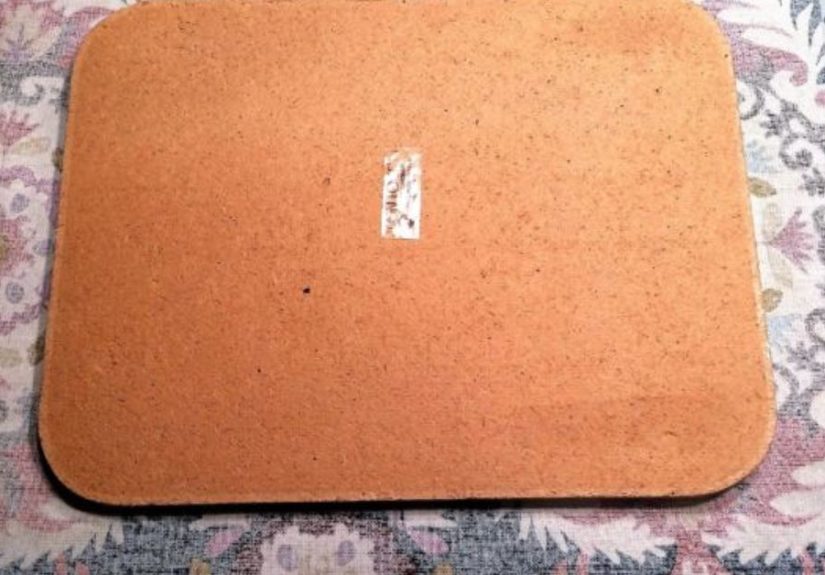
Remove old notes, staples, tape, push pins, and mystery paper scraps from the board. Wipe the frame and back with a dry cloth. If the cork has loose pieces, gently brush them away. Check the back of the board to see where you can safely staple. Many framed cork boards have a wood or fiberboard backing that accepts staples well.
If the board is very thin, use shorter staples. You want the staples to grip the back, not come through the front like tiny metal jump scares.
Step 2: Iron the fabric
Iron or steam the fabric before you cut and attach it. Wrinkles that look small on the table can become very noticeable once the fabric is stretched across a flat board. This step takes only a few minutes and makes the finished bulletin board look much more professional.
If the fabric is washable cotton and likely to shrink, consider washing and drying it first. That is especially smart if the board may be used in a kitchen, classroom, or craft room where it could collect dust and need future cleaning.
Step 3: Lay out the fabric
Place the fabric wrong side up on a clean floor or table. Lay the cork board face down on top of the fabric. Make sure the pattern is straight. This matters most with stripes, checks, plaids, geometric prints, and any design that will loudly announce, “I am crooked,” from across the room.
Center the board so you have equal fabric overhang on all sides. Smooth the fabric with your hands to remove air pockets and ripples.
Step 4: Cut the fabric with enough overhang
Cut around the board, leaving 2 to 3 inches beyond each edge. If your board has a thick frame, leave extra. If your fabric frays easily, cut slowly and keep the edges as clean as possible. Pinking shears can help reduce fraying, but regular sharp scissors work fine for most fabrics.
Step 5: Add spray adhesive if desired
Spray adhesive is optional, but it helps hold the fabric in place and creates a smoother front surface. Use it outdoors or in a well-ventilated area, protect surrounding surfaces, and follow the product label carefully. Apply a light, even coat to the cork surface, then place the fabric smoothly over it.
Start smoothing from the center and work outward toward the edges. This pushes air bubbles away instead of trapping them under the fabric. A clean credit card, ruler edge, or plastic squeegee can help, but your hands are usually enough.
If you do not want to use adhesive, no problem. Stapling alone can hold the fabric securely as long as you pull it evenly.
Step 6: Staple the first side
Flip the board over so the back is facing up and the fabric is wrapped around it. Begin on one long side. Pull the fabric snug, but not so tight that the pattern distorts. Place one staple in the center of that side.
Then move to the opposite long side, pull the fabric snug, and place another staple in the center. This center-first method helps keep tension balanced. It is similar to stretching a canvas or upholstering a chair seat, only much easier and less likely to make you question your life choices.
Step 7: Staple the opposite sides
Continue stapling from the center outward, alternating sides as you go. Add staples every 2 to 3 inches. Keep checking the front of the board to make sure the fabric stays smooth and straight.
Repeat the same process on the shorter sides. Pull firmly but gently. The fabric should be taut, not warped. If you see a wrinkle forming, remove the nearest staple with a staple remover or flathead screwdriver and try again.
Step 8: Fold the corners neatly
Corners are where a DIY fabric cork board either looks polished or like it had a small argument with itself. Treat each corner like wrapping a present. Fold one side flat, tuck the excess fabric into a clean triangle, then fold the other side over it. Staple securely on the back.
Trim bulky fabric if needed, but do not cut too close to the staples. Leave enough material so the corner stays secure. For thick fabric, removing a small square of excess fabric from the very corner can reduce bulk. Just cut carefully and conservatively.
Step 9: Trim the excess fabric
Once all sides and corners are stapled, trim away extra fabric from the back. Do not trim right up against the staples. Leave a small border so the fabric does not pull loose over time.
If you want the back to look extra neat, you can cover the raw edges with painter’s tape, fabric tape, or a piece of felt cut to size. This is not required, but it is a nice touch if the board will be handled often or given as a gift.
Step 10: Reattach or update the frame
If you removed the frame, place the covered cork insert back into it. If the frame looks tired, paint it before reassembling the board. White, black, brass, navy, sage green, or natural wood finishes all work well depending on your room.
You can also add trim directly to the front edges. Ribbon, wood trim, nailhead trim, or decorative upholstery tacks can make the bulletin board feel custom. Keep the trim slim enough that it does not cover too much usable pinning space.
Optional Upgrades for a Custom Fabric Bulletin Board
Add batting for a soft upholstered look
Batting gives the board a cushioned, high-end appearance. Cut the batting slightly larger than the board, staple it to the back, then wrap the fabric over it. Use thin batting if you still want push pins to work easily.
Add fabric pockets
Fabric pockets are perfect for mail, coupons, school forms, small notebooks, or receipts. Cut pocket pieces from coordinating fabric, fold and hem the top edge with fabric glue or stitching, then attach the sides and bottom to the board. Leave the top open. This turns your cork board into a mini command center.
Create a ribbon memo board
For a French memo board style, crisscross ribbon across the front before stapling the ribbon ends to the back. Add decorative pins where ribbons intersect. This lets you tuck photos, cards, and notes under the ribbon without using as many push pins.
Use decorative push pins
Decorative pins are the jewelry of bulletin boards. Wood, brass, pearl, ceramic, colorful plastic, or handmade clay pins can turn even a simple linen board into something charming.
Common Mistakes to Avoid
Choosing fabric that is too stretchy
Stretch fabric can shift, sag, or ripple. If you love the pattern, test a small piece first. In most cases, woven cotton or linen is easier and cleaner.
Skipping the ironing step
A wrinkled board looks unfinished. Ironing may feel like a boring chore, but it is the difference between “custom office decor” and “laundry basket accident.”
Pulling too tightly
Over-pulling can distort the print, bow the board, or make the corners bulky. Pull until smooth, then staple. Firm is good. Hulk mode is not necessary.
Using long staples on a thin board
Check your staple length before you start. If staples come through the front, switch to shorter staples or staple only into the frame.
Ignoring the hanging hardware
After covering the board, make sure the hanging system still works. Cut small slits around hooks or brackets if fabric covers them. If the original hardware is flimsy, upgrade it before hanging the board.
Where to Use a Fabric Covered Cork Board
A DIY fabric covered bulletin board can work almost anywhere. In a home office, use it for deadlines, calendars, design inspiration, and notes. In a kitchen, it can hold meal plans, grocery lists, school reminders, and invitations. In a dorm room, it adds personality without taking up desk space. In a classroom, it creates a softer background for announcements and student work.
For a family command center, choose durable fabric in a medium pattern that hides pinholes and everyday wear. For a craft room, go bold and colorful. For a professional office, try linen, canvas, tweed, or a subtle stripe. The board should match how you live, not how a catalog thinks you live.
Cleaning and Maintaining Your Fabric Cork Board
Dust the board regularly with a lint roller, soft brush, or vacuum brush attachment. For small spots, gently blot with a damp cloth. Avoid soaking the fabric because moisture can affect the cork, adhesive, or backing.
If the board gets heavy use, rotate where you place push pins so one area does not become worn out. Choose pins with sharp points so they glide through the fabric instead of snagging threads. If you used delicate fabric, be extra gentle when removing pins.
Real-World Experience: What Actually Makes This Project Easier
After making and helping with several fabric covered cork boards, one thing becomes clear: the project is simple, but the details decide whether it looks homemade in a good way or homemade in a “we tried our best” way. The biggest difference usually comes from fabric choice. A medium-weight cotton is the easiest starting point. It presses flat, wraps cleanly, and does not fight back. Linen looks beautiful, but it wrinkles quickly, so you need to iron it well and accept a slightly relaxed, natural texture. Upholstery fabric can look expensive, but if it is too thick, the corners can become bulky fast.
Another useful lesson is to test the placement before stapling everything down. Lay the board on the fabric, flip a corner slightly, and check the front. If the fabric has a large floral, stripe, plaid, or centered motif, take a minute to align it. A crooked pattern will bother you every time you walk past the board. It is the DIY version of a picture frame hanging slightly off-center: technically functional, emotionally suspicious.
For beginners, stapling without adhesive is often less stressful because you can adjust as you go. Spray adhesive creates a smooth surface, but it also gives you less room for second thoughts. If you use adhesive, do a light coat, not a glue storm. Too much adhesive can create damp spots, stiff patches, or wrinkles. Light and even is the goal.
The corner technique is another place where practice helps. The first corner may look a little chunky. By the fourth corner, you will suddenly feel like an upholstery apprentice. Fold the corner like gift wrap, pull the fabric flat, and use two or three staples if needed. If the fabric is bulky, trim a small amount from the corner, but do not trim so much that the edge can escape from under the staple.
One practical trick is to hang the board lower than you think if it is meant for daily use. A board that looks perfect in a photo may be annoying if you need to reach above your shoulder every time you pin a grocery list. For kids, hang it at their eye level so they can actually use it. For an office, place it near your desk but not directly behind your chair unless you enjoy spinning around like a detective in a crime drama.
Finally, do not wait for the “perfect” fabric forever. A cork bulletin board is easy to recover. Start with something you like now. If your room changes, your style changes, or your cat decides the fabric is personally offensive, you can update it later. That flexibility is one of the best parts of this DIY project.
Conclusion
Covering a cork bulletin board with fabric is an easy, affordable way to turn a plain organizer into a stylish piece of wall decor. The process is simple: choose the right fabric, iron it smooth, cut with enough overhang, wrap the board evenly, staple from the center outward, fold the corners neatly, and finish with trim or pockets if desired.
This project works because it is practical and personal. You get a useful place for reminders, photos, schedules, recipes, inspiration, and notes, while also adding color and texture to your space. Whether you prefer crisp linen, playful cotton, rustic burlap, or polished upholstery fabric, a DIY fabric covered cork board lets you organize your life without sacrificing style.
And really, anything that makes paperwork look cute deserves a small round of applause.