Table of Contents >> Show >> Hide
- What Does “OK Boomer” Actually Mean?
- Why The Girlfriend’s Explanation Hit So Hard
- How “OK Boomer” Became A Viral Meme
- The Generational Frustration Behind The Phrase
- Why The Phrase Made Some People So Angry
- Why “Boomer” Became A Mindset, Not Just An Age
- Was “OK Boomer” Fair?
- Specific Examples Of “OK Boomer” Energy
- What The Meme Reveals About Communication
- Why The Girlfriend Was Right
- 500-Word Experience Section: What This Topic Feels Like In Real Life
- Conclusion
Note: This original article is based on real public reporting, cultural analysis, and generational research from reputable U.S. sources, rewritten in a natural SEO-friendly style without source links.
Every generation has its favorite complaint about the generation after it. The Silent Generation thought boomers were too loud. Boomers thought Gen X was too cynical. Gen X thought millennials were too sensitive. Millennials looked at Gen Z and said, “Please stop filming everything vertically,” then immediately opened TikTok to see what was happening.
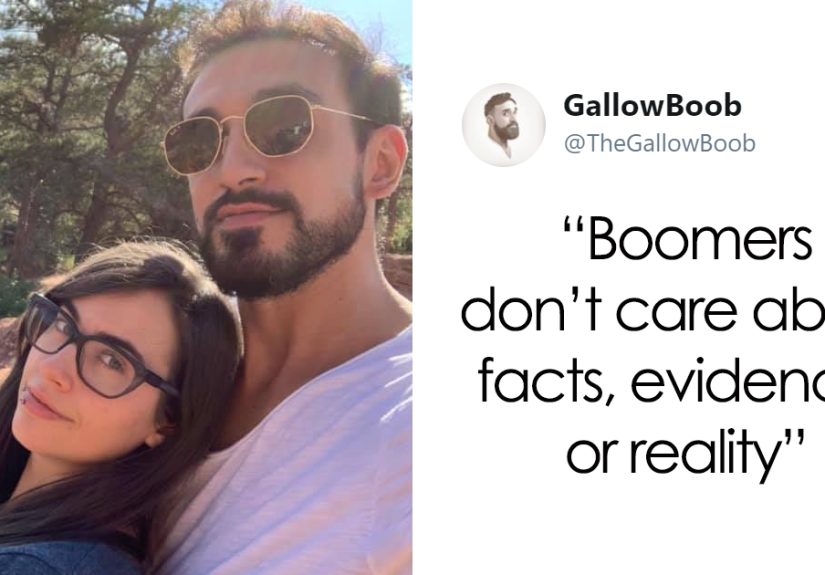
So when the phrase “OK Boomer” exploded across the internet, it did not appear out of nowhere like a suspiciously confident life coach on LinkedIn. It was the tiny, sarcastic tip of a very large iceberg. The viral moment behind the title “Girlfriend Explains Why ‘OK Boomer’ Became A Thing & She’s Spot On” captured something many younger people had been trying to say for years: sometimes the phrase was not about hating older people. It was about exhaustion.
That is why the explanation resonated. It framed “OK Boomer” not as a random insult, but as a verbal shrug after years of being lectured, blamed, mocked, or dismissed. In other words, it was not the beginning of the conversation. It was what came after the conversation had gone in circles so many times that everyone involved needed a snack and maybe a small nap.
What Does “OK Boomer” Actually Mean?
At its simplest, OK Boomer is a short, sarcastic reply used to dismiss a viewpoint seen as outdated, condescending, or disconnected from modern reality. It became especially popular among Gen Z and millennials, although the phrase quickly escaped strict age categories and became more about attitude than birth year.
That last part matters. Not everyone born during the baby boom acts like the stereotype. Plenty of boomers are thoughtful, open-minded, funny, generous, and very capable of using emojis without turning a text message into a crime scene. Meanwhile, a 28-year-old can absolutely have “boomer energy” if they start a sentence with, “Nobody wants to work anymore,” while ordering delivery from an app created by people who are, in fact, working.
The phrase usually appears when someone younger feels that a conversation has become pointless. It is the linguistic equivalent of closing 47 browser tabs at once. It says, “I hear you, but I do not believe this discussion is going anywhere productive.”
Why The Girlfriend’s Explanation Hit So Hard
The viral girlfriend explanation became popular because it did something clever: it separated the phrase from pure mockery and connected it to emotional fatigue. The point was not simply “young people are rude.” The point was that many young people felt they had spent years trying to explain their realities, only to be met with recycled lectures about laziness, entitlement, participation trophies, avocado toast, phone addiction, and other items from the official museum of modern scolding.
Her argument, in spirit, was this: younger generations tried explaining. They tried presenting facts. They tried pointing to student debt, housing costs, climate concerns, stagnant wages, unstable work, political gridlock, and the changing nature of adulthood. But when those concerns were brushed aside with “work harder” or “that’s just how life is,” the response eventually became shorter. Much shorter. Two words, to be exact.
That is why people recognized themselves in it. “OK Boomer” was funny, yes, but it was also efficient. It packed decades of generational tension into a phrase small enough to fit on a sticker, hoodie, mug, meme, or comment section battle that absolutely nobody’s therapist would recommend reading before bed.
How “OK Boomer” Became A Viral Meme
The phrase had existed online before its mainstream explosion, but it truly entered popular culture in 2019. It spread through TikTok, Twitter, Reddit, and meme pages, often attached to videos of older people criticizing younger generations. One widely discussed TikTok audio featured an older man complaining that millennials and Gen Z had “Peter Pan syndrome,” suggesting they refused to grow up. The internet heard that and collectively replied, “Please hold while we convert this into a meme.”
From there, “OK Boomer” became a catchphrase, a joke, a protest slogan, and a debate topic all at once. It appeared on merchandise. It showed up in political conversations. It was used by New Zealand politician Chlöe Swarbrick in Parliament while discussing climate change, which helped push the phrase from internet slang into international headlines.
Once mainstream media started covering it, the phrase became even bigger. That is how internet culture often works: a joke begins in the digital corners, adults discover it, think pieces arrive, outrage follows, and then the original users either move on or start using it ironically because the meme has become a meme about the meme. The internet is not a place; it is a washing machine full of language.
The Generational Frustration Behind The Phrase
To understand why OK Boomer became a thing, it helps to look beyond the joke. Younger generations did not invent generational conflict. Complaining about “kids these days” is practically humanity’s oldest hobby, right after discovering fire and immediately arguing about who should be allowed to sit closest to it.
But the modern version has sharper edges because younger Americans came of age during major social and economic changes. Millennials entered adulthood around the Great Recession. Many carried student loans into a job market that did not always reward their degrees. Gen Z grew up with social media, school safety fears, climate anxiety, political polarization, pandemic disruptions, and an economy where “starter home” often sounds like a mythical creature from a fantasy novel.
Meanwhile, younger people often heard older critics describe them as lazy, soft, addicted to phones, or unwilling to work. That disconnect created the perfect environment for a phrase like “OK Boomer.” It was short enough to be funny and sharp enough to communicate resentment.
It Was About Being Dismissed
One reason the phrase became so popular is that it reversed the usual direction of dismissal. Younger people had long felt dismissed by older voices who told them they were exaggerating their problems. “OK Boomer” flipped the script. It gave younger people a way to dismiss the dismissers.
Was it always fair? No. Was it always mature? Also no. But was it emotionally understandable? Absolutely. Sometimes a meme becomes popular because it says the quiet part loudly, then adds a punchline wearing sunglasses.
It Was About Economic Pressure
The phrase also gained power because it attached to real financial frustration. Research and reporting around the time of the meme’s rise highlighted a widening wealth gap between millennials and older generations. Younger adults were often more educated than previous generations, yet many faced higher debt, expensive housing, and less predictable career paths.
That does not mean every boomer had an easy life. Many did not. It also does not mean every young person is doomed. But generational averages shape perception. When young adults are told to “just buy a house” in cities where the down payment looks like a phone number, sarcasm becomes tempting.
It Was About Climate Anxiety
Climate change was another major reason “OK Boomer” carried emotional weight. Younger Americans, especially Gen Z and millennials, have shown high levels of concern and activism around climate issues. When older leaders appeared slow to act, younger people often saw that as more than a policy disagreement. They saw it as a decision that would affect their entire future.
That is why the phrase landed so strongly during climate debates. It suggested that younger people were tired of being told to be patient by those who would not live with the longest-term consequences. That is a heavy idea wrapped inside a meme small enough to fit in a group chat.
Why The Phrase Made Some People So Angry
Of course, not everyone found “OK Boomer” hilarious. Some baby boomers and older commentators saw it as ageist, disrespectful, and unfair. They argued that reducing millions of people to a stereotype was lazy and divisive. They had a point. Generational labels can be useful for analysis, but they become clumsy when used as personality tests.
There are wealthy boomers and struggling boomers. Progressive boomers and conservative boomers. Tech-savvy boomers and boomers who still print MapQuest directions with the confidence of a NASA launch engineer. A generation is not a character type. It is a huge group of people born across many years, shaped by different regions, races, classes, family histories, and life experiences.
Still, the backlash also proved why the meme worked. The more offended some critics became, the more younger users saw the reaction as evidence that the phrase had struck a nerve. In meme culture, outrage is gasoline. Once people began angrily explaining why “OK Boomer” was unacceptable, the internet heard, “Please say it more.”
Why “Boomer” Became A Mindset, Not Just An Age
One of the most interesting shifts in the phrase was how quickly “boomer” stopped meaning only baby boomer. Online, “boomer” became shorthand for a mindset: resistant to change, dismissive of younger people, nostalgic in a way that ignores present realities, or convinced that personal experience is universal truth.
That is why someone might jokingly call a Gen X boss, a millennial coworker, or even a teenager a “boomer” if they act out of touch. The phrase became less about a birth certificate and more about a vibe. A person could be 70 and not boomer-coded at all, while someone 24 could complain about “kids these days” with the spiritual energy of a lawn sign.
This flexibility helped the meme survive longer than many internet jokes. It was not just a punchline about one generation. It became a portable label for a familiar social behavior: refusing to listen while insisting you already understand everything.
Was “OK Boomer” Fair?
The honest answer is: sometimes yes, sometimes no. As a response to condescension, it made sense. As a replacement for every difficult conversation, it became lazy. A phrase can be both culturally meaningful and overused. In fact, most viral phrases eventually go through that cycle: funny, powerful, everywhere, annoying, ironic, nostalgic, then revived by someone too young to remember the first wave.
Used carefully, “OK Boomer” expressed frustration with outdated thinking. Used carelessly, it flattened people into stereotypes and avoided real discussion. The girlfriend’s explanation was spot on because it recognized the reason behind the phrase without pretending it should be used to shut down every older person who speaks.
That nuance is important. The best version of the argument is not “all boomers are bad.” It is “younger generations are tired of being ignored.” Those are very different statements. One starts a fight. The other explains why the fight was already happening.
Specific Examples Of “OK Boomer” Energy
Imagine a college student says tuition is too expensive, and someone replies, “I paid for school with a summer job.” That may have been true decades ago, but it does not automatically translate to today’s tuition, rent, and wage realities. The student may not need a lecture. They may need the person to understand that the math has changed.
Or imagine a young worker says they cannot afford a home, and someone answers, “Stop buying coffee.” Unless that coffee is served in a diamond mug by a certified financial wizard, it is probably not the reason housing is unaffordable. The issue is bigger than lattes, no matter how emotionally satisfying it may be to blame foam.
Another example: a young person expresses worry about climate change, and someone says, “You’ll understand when you’re older.” That response does not address the concern. It simply pulls rank. “OK Boomer” became popular because it mocked that exact kind of conversational dead end.
What The Meme Reveals About Communication
The popularity of “OK Boomer” reveals a broader truth: people do not just want advice. They want recognition. Younger generations are not asking older people to agree with every opinion, every trend, or every TikTok dance performed in a grocery aisle. They are asking not to be treated like children for noticing that the world is different now.
At the same time, younger people can learn something too. Older generations are not cartoon villains guarding a treasure chest labeled “Affordable Housing.” Many boomers faced wars, recessions, discrimination, layoffs, caregiving burdens, health problems, and personal struggles that do not fit neatly into meme format. Empathy should travel both ways, even when the Wi-Fi is weak.
The real lesson is that conversations fail when one side starts with superiority. “You’re too young to understand” and “you’re too old to matter” are equally bad starting points. Neither builds a bridge. Both just throw rocks across the river and then act surprised when everyone gets wet.
Why The Girlfriend Was Right
The girlfriend’s explanation was spot on because it identified the emotional source of the meme. “OK Boomer” became a thing because younger people felt unheard. It was not merely about age. It was about the frustration of being told their problems were imaginary by people who often had more power, more wealth, and more political influence.
That is why the phrase worked so well. It was not a policy paper. It was not a TED Talk. It was a pressure valve. In two words, it captured the feeling of trying to explain modern life to someone who keeps insisting the old instructions still apply.
And like all effective slang, it traveled because it felt instantly understandable. You did not need a 30-page cultural theory document to get it. You just needed to have been in one conversation where someone dismissed your lived experience with a confident little speech that belonged in a museum next to a fax machine.
500-Word Experience Section: What This Topic Feels Like In Real Life
The most relatable thing about the “OK Boomer” conversation is that almost everyone has experienced some version of it. Maybe not with a baby boomer specifically. Maybe it was with a parent, teacher, manager, older relative, neighbor, or that one family friend who still begins every technology complaint with “Back in my day.” But the feeling is familiar: you try to explain something real, and the other person answers a different question entirely.
For example, many young adults have had conversations about work that go nowhere. They explain that entry-level jobs now ask for years of experience, rent eats a huge part of income, health insurance is complicated, and side hustles are often survival strategies rather than cute hobbies. Then someone replies, “Just walk in and ask to speak to the manager.” That advice may have worked in another era, but today many applications disappear into online portals guarded by algorithms that seem to have been trained by a locked filing cabinet.
The same thing happens with technology. Younger people are often accused of being glued to their phones, but those phones are not just toys. They are maps, banks, work tools, school portals, calendars, cameras, job boards, emergency contacts, and social lifelines. Of course, phone addiction can be a real issue. But acting as if every screen equals laziness misses the point. Modern life has been moved onto devices, and then younger people get blamed for using the devices required to navigate it. That is not a conversation; that is a boomerang with notifications.
There is also the emotional experience of being told to stay optimistic while facing problems that feel enormous. Climate change, economic uncertainty, political anger, and online pressure are not abstract headlines to younger generations. They are background noise in daily life. When someone older shrugs and says, “Every generation has problems,” younger people may hear, “Stop bothering me with yours.” That gap between intention and interpretation is where resentment grows.
Still, real experience also shows that the best conversations happen when people stop defending their generation like it is a sports team. A boomer who says, “I did not realize it had changed that much,” can instantly lower the temperature. A Gen Z person who says, “I know your life was not easy either,” can do the same. The magic is not in winning. The magic is in listening long enough that nobody needs to reach for a meme as an emergency exit.
That is the deeper reason this topic stays relevant. “OK Boomer” may sound like a joke, but beneath it is a request: please take our reality seriously. And honestly, that request is not limited to one generation. Everyone wants to be heard. Everyone wants their struggles recognized. Everyone wants advice that actually fits the world they live in. The phrase became famous because it was funny, but it lasted because it pointed to something real.
Conclusion
“OK Boomer” became a thing because it captured a generational mood with brutal efficiency. It was funny, sarcastic, rude, useful, overused, misunderstood, and weirdly revealing all at once. The viral girlfriend explanation resonated because it understood the phrase as a symptom, not the disease. Younger people were not simply trying to insult older people. They were responding to years of feeling talked down to, especially on issues like money, work, climate, technology, and adulthood itself.
The healthiest takeaway is not that one generation is right and another is wrong. It is that listening matters. The moment people stop treating age as automatic wisdom or automatic ignorance, the conversation gets better. Until then, the internet will keep inventing tiny phrases that carry giant frustrations. And somewhere, someone will still be typing “OK Boomer” with the speed and precision of a person who has absolutely had enough.