Table of Contents >> Show >> Hide
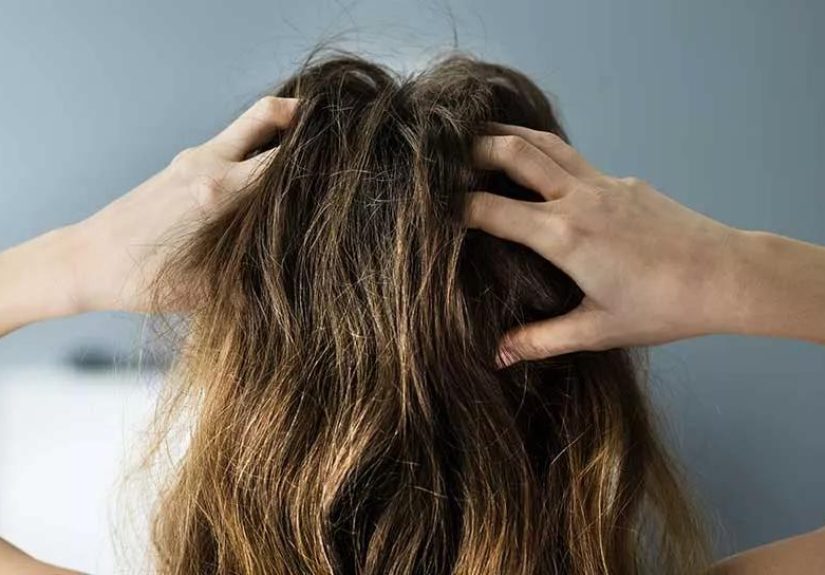
An itchy scalp can turn an ordinary Tuesday into a tiny personal drama. One minute you are answering emails like a responsible adult; the next, you are scratching your head like you are trying to solve a mystery on live television. The good news? Most scalp itching has a practical explanationand many causes are treatable with simple changes, over-the-counter products, or medical care when needed.
Still, an itchy scalp is not always “just dandruff.” It can come from dry skin, product irritation, seborrheic dermatitis, psoriasis, head lice, ringworm, folliculitis, eczema, or even stress-related scratching. The right cure depends on the right cause, which is why guessing can lead to a bathroom shelf full of half-used shampoos and one very annoyed scalp.
This guide breaks down eight common causes of itchy scalp, how to recognize them, what may help, and when it is time to see a dermatologist. Let’s give your scalp the calm, drama-free life it deserves.
What Is an Itchy Scalp?
An itchy scalp, medically called scalp pruritus, is an irritating sensation that makes you want to scratch the skin on your head. It may happen with flakes, redness, bumps, sores, hair shedding, burning, tenderness, or no visible symptoms at all. Sometimes the itch is mild and temporary. Other times, it is persistent enough to interrupt sleep, work, workouts, and your ability to sit through a movie without looking suspicious.
The scalp is skin, but it has special challenges: hair follicles, oil glands, sweat, styling products, hats, weather exposure, and sometimes a lively population of yeast, bacteria, or fungi. When the scalp barrier becomes irritated or inflamed, itch can follow quickly.
Itchy Scalp: 8 Common Causes and Cures
1. Dandruff and Seborrheic Dermatitis
Dandruff is one of the most common reasons for an itchy, flaky scalp. It usually shows up as white or yellowish flakes and may come with oiliness. Seborrheic dermatitis is a related inflammatory condition that can cause stubborn dandruff, greasy scales, redness, and itching. It often affects oily areas such as the scalp, eyebrows, sides of the nose, ears, and chest.
This condition is not caused by poor hygiene, so you can stop emotionally apologizing to your shampoo bottle. It is often linked to excess oil, inflammation, and a reaction to yeast that naturally lives on the skin.
What may help
Try an anti-dandruff shampoo with active ingredients such as ketoconazole, selenium sulfide, zinc pyrithione, salicylic acid, or coal tar. Let the shampoo sit on the scalp for several minutes before rinsing so the ingredient has time to work. If one ingredient does not help after a few weeks, try another. Mild dandruff may improve with more regular washing using a gentle shampoo.
See a healthcare professional if flakes are thick, painful, spreading beyond the scalp, or not improving with over-the-counter products.
2. Dry Scalp
Dry scalp happens when the skin on your head loses too much moisture. It may feel tight, itchy, or flaky, especially in cold weather, dry indoor air, after frequent washing, or after using harsh hair products. Unlike oily dandruff, dry scalp flakes are often smaller and lighter, and the scalp may feel parched rather than greasy.
Think of it as your scalp waving a tiny white flag and saying, “Could we maybe not use boiling-hot water today?”
What may help
Use lukewarm water instead of hot water, switch to a gentle fragrance-free shampoo, and avoid over-washing if your scalp becomes dry easily. A moisturizing conditioner can help hair feel softer, but apply heavy conditioners mainly to the hair lengths unless your scalp tolerates them well. In dry climates, a humidifier may also help.
If dryness continues despite a gentler routine, or if you notice redness, sores, thick scale, or hair loss, the issue may be more than simple dryness.
3. Allergic Contact Dermatitis From Hair Products
Hair dye, shampoo, conditioner, styling gel, fragrance, preservatives, and certain botanical ingredients can trigger contact dermatitis. This is a skin reaction that may cause itching, redness, burning, swelling, rash, or peeling. One well-known trigger is para-phenylenediamine, or PPD, an ingredient used in some darker hair dyes.
The tricky part is that contact dermatitis can appear after using a product you previously tolerated. Skin can be dramatic like that. One day it is fine; the next day it acts like your favorite leave-in spray personally betrayed it.
What may help
Stop using the suspected product. Wash the scalp gently to remove residue. Choose fragrance-free or hypoallergenic products while the skin calms down. For mild irritation, an over-the-counter anti-itch product may help, but avoid applying multiple treatments at once because that can make irritation worse.
If swelling, oozing, severe burning, or widespread rash develops, seek medical care. If reactions keep returning, patch testing by a dermatologist may help identify the specific allergen.
4. Scalp Psoriasis
Scalp psoriasis is a chronic immune-mediated condition that causes skin cells to build up too quickly. It can lead to thick, scaly plaques that may itch, crack, bleed, or extend beyond the hairline. Scales may look silvery, white, gray, or darker depending on skin tone. Some people also have psoriasis on the elbows, knees, nails, lower back, or other areas.
Scalp psoriasis is not contagious. You cannot catch it from a comb, a hat, or an awkward family photo. However, scratching can worsen irritation and may contribute to temporary hair shedding.
What may help
Medicated shampoos containing salicylic acid or coal tar may help loosen scale and reduce itching for some people. Dermatologists may prescribe topical corticosteroids, vitamin D analogs, medicated foams, oils, gels, or other treatments. The key is to remove scale gentlynever scrape aggressively.
If you have thick plaques, bleeding, pain, nail changes, or joint stiffness, schedule a medical evaluation. Psoriasis treatment is much more effective when the plan matches the severity and location of symptoms.
5. Head Lice
Head lice are tiny parasitic insects that live close to the scalp and feed on blood. The most common symptom is itching, although it may take weeks for itching to appear after the first infestation. Lice are most common among children, but adults can get them too, especially through close head-to-head contact.
Contrary to playground folklore, lice do not mean someone is dirty. Lice are equal-opportunity freeloaders. They are not impressed by your shampoo brand, your résumé, or your freshly washed pillowcase.
What may help
Look for live lice or nits attached near the scalp, especially behind the ears and at the nape of the neck. Over-the-counter lice treatments often contain permethrin or pyrethrins. Follow directions carefully, because some treatments require a second application if they do not kill eggs. Wet combing with a fine-toothed nit comb can help remove lice and nits.
Avoid using dangerous home remedies such as gasoline, kerosene, pesticides not made for humans, or anything flammable. If over-the-counter treatment fails, a clinician can recommend prescription options.
6. Ringworm of the Scalp
Ringworm of the scalp, also called tinea capitis, is a fungal infection. Despite the name, no worm is involved, which is a small mercy. It may cause itching, scaling, broken hairs, bald patches, tenderness, redness, or swollen lymph nodes. In some cases, it can form an inflamed, boggy area called a kerion.
Tinea capitis is more common in children, but it can affect adults. It can spread through close contact, shared combs, hats, brushes, towels, or contact with infected pets.
What may help
Scalp ringworm usually requires prescription oral antifungal medicine because shampoos alone often cannot reach the infection inside hair follicles. Antifungal shampoo may be recommended to reduce spread, but it is not usually enough by itself.
See a healthcare professional if you notice round scaly patches, broken hairs, bald spots, or painful swelling on the scalp. Early treatment can lower the risk of scarring and permanent hair loss.
7. Folliculitis or Scalp Acne
Folliculitis occurs when hair follicles become inflamed. It can look like small red bumps, whiteheads, pimples, tenderness, burning, or itching on the scalp. Causes may include bacteria, yeast, friction, sweat, oil buildup, heavy styling products, or shaving irritation.
Scalp acne and folliculitis can be especially annoying because every bump seems strategically placed exactly where your brush, hat, or pillow will find it.
What may help
Wash the scalp after heavy sweating, avoid heavy oils or pore-clogging products, and do not pick at bumps. A gentle shampoo may be enough for mild cases. Some people benefit from medicated washes, but the best choice depends on whether the problem is acne-like, bacterial, fungal, or inflammatory.
Seek medical care if bumps are painful, spreading, filled with pus, recurring, or associated with fever or hair loss. Prescription topical or oral treatment may be needed.
8. Eczema, Hives, Stress, and Nerve-Related Itch
Not every itchy scalp comes with flakes. Eczema can cause dryness, inflammation, and itching. Hives can create raised itchy welts that appear suddenly and may move around. Stress can intensify itch perception and lead to repeated scratching, which damages the skin barrier and creates a scratch-itch cycle. Less commonly, nerve irritation can cause scalp itching without much visible rash.
In other words, your scalp may be reacting to skin inflammation, immune signals, emotional stress, or irritated nerves. The scalp has range.
What may help
Use gentle hair care, avoid known triggers, and cool the scalp with a damp cloth when itching flares. For eczema-prone skin, fragrance-free products and a consistent moisturizing routine may reduce irritation. If hives are sudden, widespread, or linked to swelling of the lips, tongue, throat, or trouble breathing, seek emergency care.
If itching continues with no visible cause, a dermatologist can check for skin disease, medication reactions, nerve-related itch, or other medical conditions.
How to Choose the Right Itchy Scalp Treatment
The best treatment starts with the pattern. Greasy flakes may point toward dandruff or seborrheic dermatitis. Tightness and tiny dry flakes may suggest dry scalp. Thick plaques may indicate psoriasis. Bumps may suggest folliculitis. Nits or crawling insects suggest lice. Round scaly patches or broken hairs may suggest ringworm.
Before buying every scalp product on the internet, try to identify what changed recently. Did you dye your hair? Start a new shampoo? Wear hats more often? Sweat more at the gym? Move to a drier climate? Share a brush? Begin a new medication? Your scalp’s complaint often comes with a clue.
Simple Scalp Care Tips That Help Many Causes
Use Products More Strategically
Choose shampoos and styling products based on your scalp, not just your hair goals. A product that gives your curls red-carpet bounce may still irritate your scalp. If itching starts after a new product, pause it and simplify your routine for two weeks.
Wash Often Enough for Your Scalp Type
Some scalps need frequent cleansing to control oil, sweat, yeast, or buildup. Others become irritated from overwashing. There is no universal schedule. If your scalp feels oily and itchy, wash more regularly. If it feels tight and dry, use a gentler cleanser and reduce harsh washing habits.
Do Not Scratch Like You Are Digging for Treasure
Scratching can break the skin, increase inflammation, cause bleeding, and raise the risk of infection. Keep nails short, use cool compresses, and treat the cause rather than battling the itch with your fingernails.
Give Treatments Time
Medicated shampoos often need consistent use for several weeks. Apply them to the scalp, not just the hair, and let them sit before rinsing. If a product burns, worsens redness, or causes swelling, stop using it.
When to See a Dermatologist
Make an appointment if your itchy scalp lasts more than a few weeks, keeps returning, causes hair loss, includes painful sores, oozing, bleeding, thick scale, swollen lymph nodes, or does not improve with reasonable over-the-counter care. You should also seek professional help for suspected scalp ringworm, severe psoriasis, recurring folliculitis, or allergic reactions.
Scalp conditions can look similar, and the wrong treatment may delay healing. For example, moisturizing a fungal infection will not solve the fungus, and treating psoriasis like ordinary dandruff may leave you frustrated and flaky. A dermatologist can examine the scalp and recommend a targeted plan.
Real-Life Experiences: What Living With an Itchy Scalp Can Teach You
One of the most common experiences people have with an itchy scalp is the “I tried everything” phase. It usually begins innocently. A few flakes appear on a black shirt, the scalp starts itching after lunch, and suddenly the person is standing in a drugstore aisle staring at twelve shampoos with the seriousness of someone choosing a college major. Anti-dandruff shampoo? Tea tree oil? Clarifying wash? Sensitive scalp formula? The labels all sound confident, but the scalp remains unimpressed.
A practical lesson from this experience is that scalp care works best when it is organized. Instead of trying five products in one week, it helps to simplify the routine. Use one treatment consistently, follow the directions, and track changes. For example, if dandruff is likely, a medicated shampoo used two or three times a week may need several weeks before results are obvious. Switching too quickly can make it hard to know what helped and what irritated the skin.
Another common experience is discovering that “natural” does not always mean gentle. Essential oils, homemade scrubs, lemon juice, baking soda, and aggressive scalp exfoliation can irritate sensitive skin. Someone may begin with a mild itch and end up with burning, redness, and a scalp that feels personally offended. Natural ingredients can still cause allergic reactions, especially when applied directly or left on too long.
People with curly, coily, color-treated, or textured hair often face a different challenge. Washing more often may help an oily or flaky scalp, but frequent washing may dry the hair. In this case, scalp-focused care matters. Apply medicated shampoo to the scalp, let it work, and protect the hair lengths with conditioner as appropriate. A dermatologist or stylist familiar with textured hair can help balance scalp treatment with hair health.
Embarrassment is another real part of the itchy scalp story. Flakes, scratching, or visible redness can make people self-conscious at work, school, dates, or social events. But scalp problems are common, and they are not a character flaw. Dandruff is not a cleanliness report card. Psoriasis is not contagious. Lice can happen in clean hair. Ringworm is an infection that needs treatment, not shame.
The most useful mindset is curiosity, not panic. Notice patterns. Does itching worsen after hair dye? After workouts? In winter? When stressed? After using dry shampoo several days in a row? Does it come with flakes, bumps, plaques, or hair breakage? These details help narrow the cause.
Finally, many people learn that getting help early saves time. A persistent itchy scalp can be more than a cosmetic issue. It can affect sleep, confidence, concentration, and hair health. If basic care is not working, professional treatment can turn months of guessing into a clear plan. Your scalp may be small compared with the rest of your body, but when it itches, it demands the microphone. Listen to itand then give it the right kind of help.
Conclusion
An itchy scalp can come from many causes, including dandruff, dry skin, allergic reactions, psoriasis, lice, ringworm, folliculitis, eczema, hives, stress, or nerve-related irritation. The cure depends on the cause, so pay attention to flakes, oiliness, bumps, hair loss, product changes, and how long symptoms last.
For mild itching, gentle hair care and targeted over-the-counter shampoos may help. For severe, painful, recurring, or mysterious symptoms, a dermatologist can provide a diagnosis and treatment plan. Your scalp does not need a complicated routine. It needs the right routine.
Note: This article is for general educational purposes and should not replace professional medical advice. If symptoms are severe, persistent, or associated with hair loss, infection, or pain, consult a qualified healthcare professional.