Table of Contents >> Show >> Hide
- What Is the Difference Between Quiche and Frittata?
- Essential Ingredients for Great Quiche & Frittata Recipes
- Master Recipe: Easy Classic Quiche
- Master Recipe: Easy Frittata
- Best Quiche Recipe Ideas
- Best Frittata Recipe Ideas
- Common Mistakes to Avoid
- Serving Ideas for Quiche and Frittata
- Food Safety and Storage Tips
- Personal Kitchen Experiences with Quiche & Frittata Recipes
- Conclusion
Quiche and frittata recipes are the reliable best friends of the breakfast, brunch, lunch, dinner, and “I forgot to plan anything” universe. They look polished enough for a holiday table, yet they are forgiving enough to welcome the lonely half onion, the last handful of spinach, or that wedge of cheese sitting in the fridge like it pays rent.
At their core, both dishes celebrate eggs, dairy, vegetables, cheese, herbs, and optional meats. But they do it with different personalities. Quiche is the elegant one in a buttery crust, creamy and custardy, ready to appear at bridal showers and Sunday brunches. Frittata is the practical cousin: crustless, flexible, fast, and perfectly happy to become dinner with a salad on the side.
This guide walks through the differences, essential techniques, flavor combinations, mistakes to avoid, and reliable recipe ideas for homemade quiche and frittata. Whether you want a classic quiche Lorraine, a crustless vegetable quiche, a spinach feta frittata, or a clean-out-the-fridge egg bake, you are in the right kitchen.
What Is the Difference Between Quiche and Frittata?
The easiest way to understand the difference is this: quiche is usually a baked savory custard in a crust, while frittata is usually a crustless egg dish cooked in a skillet, oven, or a combination of both. They share ingredients, but their texture and cooking style are not identical.
Quiche: The Creamy Custard in a Crust
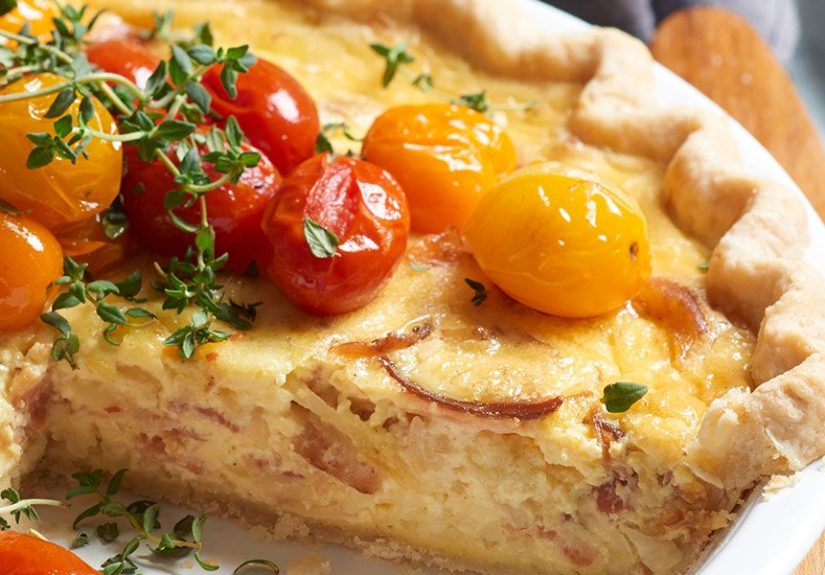
A quiche usually starts with a pie crust or tart shell. The filling is made from eggs and dairy, often cream, milk, half-and-half, or a combination. Because quiche uses more dairy than a frittata, the finished texture is softer, richer, and more custard-like. When done well, a slice should hold its shape but still feel tender and silky.
Classic quiche fillings include bacon, Gruyère, cheddar, onions, leeks, spinach, mushrooms, asparagus, ham, roasted peppers, and fresh herbs. The key is to cook watery vegetables before adding them to the custard. Nobody invited a puddle to brunch.
Frittata: The Crustless, Flexible Egg Dish
A frittata is often described as an Italian-style open-faced omelet, but that undersells its magic. It is thicker than an omelet, easier to share, and much less fussy. Fillings are mixed into the eggs rather than folded inside. A frittata can start on the stovetop and finish in the oven, or it can be baked entirely in a dish.
Frittatas use less dairy than quiche, which gives them a firmer structure. They are excellent for meal prep because slices reheat well, pack nicely, and can be eaten warm, room temperature, or cold. Translation: your future hungry self will send you a thank-you card.
Essential Ingredients for Great Quiche & Frittata Recipes
You do not need a culinary degree or a fridge full of rare cheeses. The best quiche and frittata recipes rely on balance: eggs for structure, dairy for tenderness, salt for flavor, fillings for personality, and careful cooking for texture.
Eggs
Eggs are the backbone of both dishes. Large eggs are the standard in most American recipes. For quiche, eggs bind a higher amount of dairy into a custard. For frittata, eggs take center stage and hold the fillings together more firmly.
Dairy
Heavy cream creates the richest quiche. Whole milk makes a lighter filling. Half-and-half sits comfortably in the middle. For frittatas, a splash of milk, cream, yogurt, or crème fraîche can soften the texture, but too much dairy can make the dish loose or watery.
Cheese
Cheese brings salt, creaminess, and character. Gruyère adds nutty depth. Cheddar is sharp and dependable. Feta brings tang. Goat cheese adds creamy pockets. Parmesan adds a savory finish. The trick is to use enough cheese to flavor the dish without turning it into an egg-flavored cheese brick.
Vegetables
Spinach, mushrooms, onions, leeks, peppers, broccoli, zucchini, asparagus, tomatoes, and potatoes all work beautifully. Cook vegetables first, especially watery ones like mushrooms, zucchini, and spinach. This removes excess moisture and concentrates flavor.
Meat and Seafood
Bacon, ham, sausage, smoked salmon, crab, and chicken can work in quiche or frittata. Cook raw meats before adding them. Drain excess fat if needed. A little goes a long way, especially with salty ingredients such as bacon or ham.
Master Recipe: Easy Classic Quiche
This basic quiche recipe can become dozens of variations. Once you understand the method, you can swap fillings based on the season, your mood, or whatever your fridge is dramatically trying to get rid of.
Ingredients
- 1 single pie crust, homemade or store-bought
- 4 large eggs
- 1 cup half-and-half or a mix of milk and cream
- 1 cup shredded cheese, such as Gruyère, cheddar, or Swiss
- 1 to 1 1/2 cups cooked fillings, such as spinach, mushrooms, bacon, onions, or broccoli
- 1/2 teaspoon kosher salt
- 1/4 teaspoon black pepper
- Optional: pinch of nutmeg, chopped herbs, or red pepper flakes
Method
- Heat the oven to 375°F. Place the pie crust in a 9-inch pie dish.
- Prick the bottom of the crust with a fork and partially bake it for 10 to 15 minutes, or until it looks lightly set. This helps prevent a soggy bottom, which is a kitchen tragedy but not a life sentence.
- Reduce the oven temperature to 350°F.
- Whisk eggs, half-and-half, salt, pepper, and optional seasonings until smooth.
- Spread cooked fillings and cheese in the crust.
- Pour the egg mixture over the fillings. Do not overfill.
- Bake for 35 to 45 minutes, until the edges are set and the center has a gentle wobble.
- Cool for at least 10 to 15 minutes before slicing.
Master Recipe: Easy Frittata
This easy frittata recipe is the weekday hero. It is fast, flexible, and ideal for using leftovers. It also makes you look like you planned ahead, which is a very useful illusion.
Ingredients
- 8 large eggs
- 1/4 cup milk, cream, or plain Greek yogurt
- 1 cup cooked vegetables
- 1/2 to 1 cup cheese
- 1 tablespoon olive oil or butter
- 1/2 teaspoon kosher salt
- 1/4 teaspoon black pepper
- Optional: fresh herbs, cooked bacon, sausage, ham, or roasted potatoes
Method
- Heat the oven to 350°F.
- Whisk eggs, dairy, salt, and pepper in a bowl.
- Warm oil or butter in an oven-safe skillet over medium heat.
- Add cooked fillings and spread them evenly.
- Pour the egg mixture over the fillings. Sprinkle cheese on top or stir it in.
- Cook on the stovetop for 2 to 4 minutes, just until the edges begin to set.
- Transfer the skillet to the oven and bake for 10 to 18 minutes, depending on thickness.
- Remove when the center is just set. Let it rest before slicing.
Best Quiche Recipe Ideas
1. Quiche Lorraine
Quiche Lorraine is the classic for a reason. Bacon, Gruyère, cream, and eggs create a rich, savory custard with smoky flavor. Add sautéed onions or leeks for sweetness. Serve with a crisp green salad to balance the richness.
2. Spinach and Feta Quiche
This is a bright, tangy option that works for brunch or dinner. Sauté spinach until wilted, squeeze out excess liquid, and pair it with crumbled feta, scallions, dill, and a little lemon zest. The result tastes fresh without requiring you to mow an herb garden.
3. Mushroom and Swiss Quiche
Mushrooms need patience. Cook them until their moisture evaporates and they brown. Then pair them with Swiss cheese, thyme, and a touch of garlic. This quiche tastes earthy, cozy, and slightly fancy in a sweater-weather kind of way.
4. Broccoli Cheddar Quiche
Broccoli and cheddar are a comfort-food power couple. Use small broccoli florets, blanch or sauté them first, and combine with sharp cheddar. This is a family-friendly quiche that works beautifully for make-ahead breakfasts.
5. Crustless Vegetable Quiche
Crustless quiche is perfect when you want the creamy custard without the pastry. Grease the baking dish well, add cooked vegetables, pour in the egg mixture, and bake until set. It is lighter, faster, and friendly to guests who prefer skipping crust.
Best Frittata Recipe Ideas
1. Spinach Feta Frittata
Spinach, feta, and eggs are a dependable trio. Add scallions, parsley, and black pepper for flavor. This frittata is excellent with toast, roasted potatoes, or a simple tomato salad.
2. Potato and Onion Frittata
Thinly sliced cooked potatoes make a frittata hearty enough for dinner. Add caramelized onions, cheddar, and thyme. This version feels like a cozy breakfast casserole that learned a little Italian.
3. Zucchini and Goat Cheese Frittata
Zucchini is delicious but watery, so grate it, salt it lightly, and squeeze out moisture before cooking. Pair with goat cheese, basil, and a little lemon zest. The result is creamy, fresh, and perfect for summer.
4. Roasted Pepper and Sausage Frittata
Cooked sausage, roasted peppers, onions, and mozzarella make a bold, savory frittata. Add fresh basil or parsley after baking to brighten the flavor. This is a great breakfast-for-dinner recipe.
5. Clean-Out-the-Fridge Frittata
This is less a recipe and more a delicious rescue mission. Use leftover roasted vegetables, cooked grains, herbs, cheese, or meat. Keep the total filling amount reasonable so the eggs can hold everything together. A frittata should not look like a garage sale with eggs poured over it.
Common Mistakes to Avoid
Overbaking
Overbaked eggs turn rubbery. Quiche should be set around the edges with a slight jiggle in the center. Frittata should be just set and tender. Remember that carryover heat continues cooking the eggs after they leave the oven.
Skipping the Pre-Cook Step
Raw vegetables release water. Pre-cooking vegetables keeps the final dish flavorful instead of soggy. Mushrooms, spinach, zucchini, onions, peppers, and broccoli all benefit from a quick sauté or roast.
Using Too Much Filling
More is not always better. Too many fillings can prevent the eggs from setting properly. Aim for balance: enough vegetables, cheese, or meat to make every bite interesting, but not so much that the custard loses control of the room.
Forgetting to Season
Eggs need salt. Season the egg mixture and taste the fillings before combining. Adjust carefully if using salty cheese, bacon, ham, or smoked salmon.
Serving Ideas for Quiche and Frittata
Quiche and frittata recipes pair well with simple sides. For brunch, serve them with fruit salad, roasted potatoes, toast, or mixed greens. For lunch or dinner, add a crisp salad with vinaigrette, tomato soup, roasted asparagus, or crusty bread.
For entertaining, quiche can be baked ahead and served warm or at room temperature. Frittata can be sliced into wedges, squares, or small appetizer bites. Mini quiches and frittata muffins are excellent for parties, meal prep, and lunchboxes.
Food Safety and Storage Tips
Because quiche and frittata are egg dishes, cook them until the center reaches 160°F on a food thermometer. Refrigerate leftovers within two hours. Store slices in an airtight container in the refrigerator for up to three to four days. Reheat gently in the microwave or a low oven until warmed through.
To freeze, wrap cooled slices tightly and place them in a freezer-safe container. Frittatas usually freeze better than custardy quiche, but both can work if properly wrapped. Thaw overnight in the refrigerator before reheating.
Personal Kitchen Experiences with Quiche & Frittata Recipes
After making many quiche and frittata recipes in real home-kitchen conditions, one lesson becomes obvious: these dishes reward calm cooking. They are not complicated, but they do not enjoy panic. Eggs are gentle ingredients. Treat them with moderate heat and a little patience, and they behave beautifully. Blast them with aggressive heat, and they respond by turning into something that resembles a yellow yoga mat.
One of the best experiences with quiche is learning how much difference a partially baked crust makes. The first time someone skips that step, the filling may still taste good, but the bottom crust often turns pale, soft, and slightly sad. Once the crust is pre-baked, the whole dish feels more professional. The slice lifts cleanly, the edges stay flaky, and the custard has a proper stage to stand on.
Another useful discovery is that quiche is surprisingly good for planning ahead. A spinach mushroom quiche baked the night before can become breakfast, lunch, or a light dinner the next day. It slices better after resting, and the flavors settle in nicely. The trick is to avoid overloading it with watery vegetables. Spinach should be squeezed. Mushrooms should be browned. Tomatoes should be used carefully. This is not being fussy; this is protecting brunch from becoming soup.
Frittatas, meanwhile, are the champions of kitchen improvisation. A few roasted potatoes, some leftover broccoli, half a bell pepper, and a small amount of cheese can turn into a meal in under 30 minutes. The best frittatas often come from ingredients that were not originally meant to be together but decided to cooperate once eggs got involved. Leftover roasted vegetables are especially useful because they already have concentrated flavor and less moisture.
One practical experience worth remembering: choose the right pan. An oven-safe nonstick skillet or well-seasoned cast-iron skillet makes frittata cooking easier. If the skillet is too large, the frittata turns thin and cooks too quickly. If it is too small, the center takes too long and the edges overcook. A 10-inch skillet is a reliable size for about 8 eggs. It gives enough thickness for a tender center without creating a breakfast skyscraper.
Seasoning also matters more than people expect. Eggs can taste flat if they are under-seasoned, especially when paired with mild vegetables. Salt the egg mixture, season the cooked fillings, and add fresh herbs at the end. Dill, parsley, chives, basil, and thyme can completely change the mood of the dish. A spinach feta frittata with dill feels bright and Mediterranean. A mushroom quiche with thyme feels cozy and woodsy. Same egg family, totally different personality.
For hosting, quiche usually feels more elegant, while frittata feels more relaxed. Quiche says, “Welcome, I planned this.” Frittata says, “Welcome, I am effortlessly capable.” Both are useful messages. Serve quiche when you want a centerpiece. Serve frittata when you want something fast, colorful, and easy to slice. Either way, add a salad, a little fruit, or crisp potatoes, and the meal looks complete without needing a parade.
The best final advice is simple: learn the ratios, then stop being afraid to experiment. Eggs, dairy, cheese, and cooked fillings are a flexible foundation. Once you understand how much moisture to avoid and when to pull the dish from the oven, quiche and frittata recipes become less like strict instructions and more like a reliable kitchen language. And honestly, any recipe that can turn leftovers into brunch deserves a standing ovation.
Conclusion
Quiche and frittata recipes prove that eggs can do far more than sit beside toast. Quiche offers a rich, creamy, custard-style filling in a crisp crust, making it ideal for brunches, holidays, showers, and elegant make-ahead meals. Frittata delivers speed, flexibility, and weeknight practicality, especially when your refrigerator contains a little bit of everything and no obvious plan.
The secret to both dishes is balance. Pre-cook watery vegetables, season every layer, avoid overbaking, use the right amount of dairy, and let the finished dish rest before slicing. Once you master those basics, you can create endless variations with seasonal produce, cheeses, herbs, meats, and leftovers. From quiche Lorraine to spinach feta frittata, these recipes are proof that simple ingredients can still feel special.