Table of Contents >> Show >> Hide
- What Is a Spider Bites Piercing?
- How the Spider Bites Piercing Procedure Usually Works
- What You Can Expect Right Afterward
- Common Side Effects of Spider Bites Piercings
- Risks and Complications You Should Know About
- Spider Bites Piercing Aftercare: What Actually Helps
- When to See a Professional
- Are Spider Bites Piercings Worth It?
- Experiences People Commonly Report With Spider Bites Piercings
- Final Thoughts
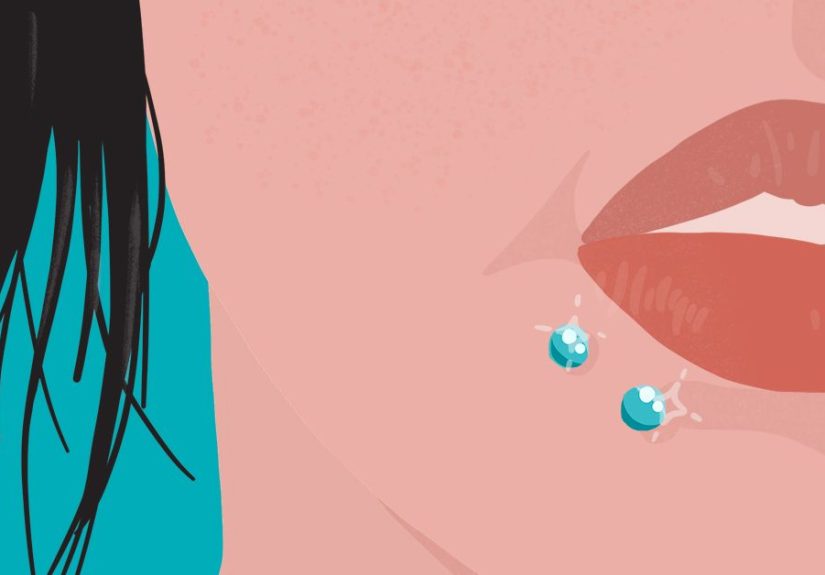
Spider bites piercings have a name that sounds dramatic, but the look is surprisingly sleek: two lip piercings placed close together, usually on one side of the lower lip. The result is edgy without looking like you lost a fight with a comic-book villain. That balance is exactly why this style stays popular. It is bold, photogenic, and customizable, but it also sits in one of the busiest real-estate zones on your body: your mouth.
That matters because lips do not get a day off. They move when you talk, eat, smile, sip iced coffee, argue about movie endings, and accidentally bite into tortilla chips with way too much confidence. So while spider bites piercings can look amazing, they demand smart placement, careful jewelry choices, and disciplined aftercare. A rushed job or sloppy healing routine can turn “cool new piercing” into “why is my lip mad at me?”
This guide breaks down what spider bites piercings are, how the procedure usually works, the side effects you may notice, the risks you should actually take seriously, and what aftercare helps the area heal with less drama. If you are thinking about getting spider bites or trying to understand what your healing lip is doing, start here.
What Is a Spider Bites Piercing?
A spider bites piercing is a pair of lip piercings placed side by side, most often near one outer corner of the lower lip. They are part of the broader family of lip piercings and are usually done with two separate punctures, each holding its own piece of jewelry. The jewelry is often a pair of labret-style studs during healing, though some people switch to hoops later once the tissue is stable.
The appeal is easy to understand. Spider bites piercings create more visual impact than a single lip piercing, but they still feel more refined than a full ring-heavy setup. They can look minimalist, punk, polished, or chaotic-good depending on the jewelry you choose. Tiny metallic ends keep the look subtle. Gem tops turn it into a statement. Matching hoops later on can make the whole style look intentionally dramatic in the best possible way.
But there is a catch: because the piercings sit so close to the mouth, the inside backing may rest against gums or teeth. That means placement is not just about aesthetics. It is also about anatomy, bite pattern, and minimizing long-term irritation.
How the Spider Bites Piercing Procedure Usually Works
1. Consultation and anatomy check
A professional piercer will usually start by looking at the shape of your lips, the thickness of the tissue, how your mouth rests naturally, and whether your teeth or gums are likely to rub against the jewelry. This step matters more than people think. A piercing that looks perfectly placed in a mirror can still be badly positioned for your anatomy.
You should also expect questions about allergies, medications, healing history, and whether you have had problems with scars or irritation before. A good piercer is not being nosy. They are trying to keep you from making an expensive mistake with your face.
2. Marking the placement
Next comes the dot stage, where your piercer marks both entry points. This is where symmetry, spacing, and angle are finalized. Since spider bites are meant to sit close together, tiny differences can change the whole look. Do not be shy about checking the marks from multiple angles. This is not the moment to pretend you are “easygoing.” It is your lip.
3. Cleaning and sterile setup
The area is then cleaned, and the procedure should be done with sterile, single-use needles and fresh disposable supplies. Your piercer should wash their hands, wear new gloves, and work in a clean, licensed studio. If the setup feels sloppy, cluttered, or suspiciously casual, that is your cue to leave. The coolest piercing in the world is not worth mystery germs.
4. The actual piercing
Each hole is made separately. The piercer inserts the needle, follows it with the jewelry, and secures the backing. Then they repeat the process for the second piercing. Because spider bites are two piercings, expect the sensation twice. Most people describe lip piercings as sharp and quick rather than unbearably painful. The second one can feel more intense simply because your body already knows what is happening and is not thrilled about it.
5. Starter jewelry and swelling room
Starter jewelry is usually slightly longer to make room for swelling. That extra length can feel awkward at first, but it is there for a reason. Jewelry that is too short during the initial healing period can pinch, embed, or increase pressure on the tissue. Once swelling goes down, many people return for a downsizing appointment so the jewelry fits more securely and moves less.
What You Can Expect Right Afterward
Right after the procedure, your lip may feel warm, tight, and tender. Mild bleeding is possible. Swelling is common, especially during the first few days. Talking may feel weird, smiling may feel tighter than usual, and eating can briefly become a strategy game.
You may also notice a pale or yellowish crust forming on the outside of the jewelry as the piercing heals. In many cases, that is dried lymph fluid, not instant doom. The tricky part is knowing the difference between normal healing and a problem, which is why it helps to understand expected side effects versus warning signs.
Common Side Effects of Spider Bites Piercings
Swelling
Swelling is one of the most common early side effects. Since the lips are soft tissue and move constantly, they tend to react. Some swelling is normal during the first several days. Cold compresses used carefully on the outside of the lip may help with comfort.
Tenderness and soreness
The area may feel bruised or stingy, especially when you eat, brush your teeth, or accidentally tap the jewelry. This usually improves gradually rather than all at once.
More saliva than usual
Because spider bites sit near the mouth, your body may briefly act like it has discovered a new and confusing object. Extra saliva is common early on and usually settles as you adjust.
Minor crusting
A little dried discharge around the outside of the piercing is common during healing. The key word is little. Gentle cleaning is fine. Aggressively scraping at it like you are restoring an ancient artifact is not.
Trouble eating certain foods
Spicy foods, crunchy foods, acidic foods, and oversized sandwiches may suddenly feel like personal enemies. This is usually temporary, but it is one of the least glamorous parts of lip piercing recovery.
Risks and Complications You Should Know About
Not every side effect is harmless. Spider bites piercings are generally manageable when performed correctly and cared for well, but they can come with real complications.
Infection
Infection is the risk people talk about most, and for good reason. Signs can include worsening redness, increasing pain, heat, significant swelling, foul-smelling drainage, or thick pus. Fever, chills, or feeling unwell are bigger red flags and deserve prompt medical attention.
Because the mouth naturally contains bacteria, oral and lip piercings need particularly consistent hygiene. Skipping aftercare, touching the jewelry with dirty hands, smoking heavily during healing, or changing jewelry too early can raise the odds of problems.
Tooth and gum damage
This is the underrated risk. Jewelry that knocks against teeth or presses into gums over time can chip enamel, irritate soft tissue, or contribute to gum recession. In other words, the piercing may stop hurting while quietly becoming rude to your dental health. Placement, jewelry fit, and downsizing after swelling matter a lot here.
Allergic reaction
Some people react to certain metals, especially nickel-containing jewelry. That can lead to itching, irritation, rash-like changes, or ongoing inflammation. Implant-grade materials are usually a safer starting point than mystery metal from the land of regret.
Scarring and bumps
Some people are more prone to hypertrophic scarring or keloids than others. Small irritation bumps can also form if the jewelry moves too much, the angle is off, or the piercing gets repeatedly bumped.
Nerve or blood vessel injury
This is less common, but poor placement can lead to more bleeding than expected or irritation involving nearby tissue structures. That is one more reason a trained piercer is not optional.
Embedding or pressure problems
If swelling becomes severe or jewelry is too short, the backing can press into the tissue. On the flip side, jewelry that is too long after the swelling drops can snag on teeth, catch on food, and keep the piercing irritated.
Spider Bites Piercing Aftercare: What Actually Helps
Clean the outside gently
Use a sterile saline wound wash on the outside of the piercing and rinse gently. Avoid homemade salt mixes unless a professional specifically tells you otherwise. Too-strong salt mixtures can be drying and irritating, which is not the healing shortcut people think it is.
Rinse your mouth smartly
For the inside, use an alcohol-free mouth rinse and rinse with water after eating, drinking, or smoking. Good oral hygiene matters. Brush your teeth carefully, floss, and keep the inside of your mouth as clean as possible without going overboard.
Wash your hands before touching anything
This sounds obvious, yet it is the advice people break first. Do not twist, spin, tap, or play with the jewelry. Fresh piercings are not fidget toys.
Eat like your lip has opinions
For the first part of healing, softer foods are often easier. Cool foods may feel soothing. Cut food into smaller bites, chew carefully, and slow down a little. This is not the week for speed-eating chips in the car.
Avoid the usual irritants
Try to limit smoking, vaping, alcohol-heavy mouth products, and spicy or acidic foods if they make the area sting. Also avoid oral contact that could introduce bacteria or cause friction while the piercings are fresh.
Do not change jewelry too soon
Even if the outside looks calm, the inside may still be healing. Premature jewelry changes can restart irritation or introduce bacteria. Wait until healing is well underway and ideally have downsizing or jewelry swaps done by a professional.
Keep an eye on dental contact
If the backings constantly hit your teeth or press into your gums, do not just “see how it goes” forever. That is worth discussing with your piercer promptly. A different fit or angle may save you trouble later.
When to See a Professional
Contact your piercer if the jewelry feels too tight, seems crooked, sinks into the tissue, or keeps getting snagged. Contact a medical professional if you have spreading redness, increasing swelling after the first few days, pus, fever, severe pain, or signs that the infection is getting worse instead of better.
You should also get help if the jewelry damages your teeth, starts wearing at your gums, or triggers a persistent rash or irritation that does not calm down. “Waiting it out” is not a personality trait your lip needs.
Are Spider Bites Piercings Worth It?
For many people, yes. The look is distinctive, expressive, and more versatile than it first appears. But spider bites are not low-maintenance. They ask for good studio selection, realistic expectations, consistent aftercare, and attention to dental health. If that sounds annoying, it may not be your piercing. If that sounds manageable, you may love the result.
The best spider bites piercings look effortless only after a lot of deliberate choices. Good placement. Good jewelry. Good habits. No panic. No bargain-bin shortcuts. That is the formula.
Experiences People Commonly Report With Spider Bites Piercings
One of the most interesting things about spider bites piercings is how often people say the experience is less about pain and more about adjustment. The actual piercing tends to be quick. The first few days afterward are where the real personality test begins. A lot of people describe the first morning as the moment they realize their lower lip has become a full-time employee with benefits, grievances, and a dramatic email style.
Eating is one of the first surprises. Many people say they expected soreness but did not expect to relearn how to bite into food without knocking the jewelry. Burgers become geometry. Apples become a terrible idea. Hot sauce suddenly feels like an emotional event. Softer foods, smaller bites, and slower chewing are common survival tactics until the area calms down.
Talking can also feel different at first. Some people report a slight lisp or an odd awareness of the jewelry, especially when the starter posts are longer to allow for swelling. That awkward feeling usually improves as swelling drops and the jewelry is downsized, but in the beginning a lot of wearers say they become hyperaware of every movement their mouth makes. It is not usually painful all day, just distracting in a “why can I suddenly feel my own lip existing?” kind of way.
Another common experience is underestimating how often hands wander to the face. Many people do not notice how often they touch, rub, or absentmindedly check their mouth area until they are told not to. The urge to fiddle with fresh jewelry is strong. People also describe a weirdly specific challenge: trying not to smile too wide, laugh too hard, sleep face-down, or yank a shirt over their head like a maniac. In other words, healing is a brief season of being very aware of your own chaos.
Some wearers say the biggest lesson was not pain but patience. A piercing can look much better before it is fully healed, which makes people think they are ready for a jewelry change way too early. Others say the most valuable step was returning to their piercer for downsizing once the swelling went down. That one follow-up visit often makes the jewelry feel more secure, less clunky, and less likely to tap the teeth or gums.
There are also plenty of people who love the final look enough to say the learning curve was worth it. They talk about spider bites feeling like the perfect middle ground between subtle and rebellious. Some start with studs, then later switch to hoops for a more dramatic style. Others keep simple flat-back pieces and like that the piercings add edge without overpowering their face. The common thread is that the best experiences usually come from realistic expectations. People who choose a skilled piercer, use quality jewelry, and take aftercare seriously tend to describe the healing period as annoying but manageable. People who treat it casually are far more likely to describe a mess.
Final Thoughts
Spider bites piercings can look fantastic, but they are not a “get it and forget it” accessory. They involve two healing punctures in an area that moves constantly and sits near teeth, gums, and a very bacteria-friendly mouth. Done well, they can heal beautifully and become one of the most striking lip piercing styles around. Done poorly, they can bring swelling, irritation, infection, and dental trouble you really did not budget for.
If you want the look, choose your piercer carefully, listen to aftercare instructions, watch for red flags, and give the piercings time to settle before making changes. Your future self, your gums, and your sandwich-eating confidence will appreciate it.