Table of Contents >> Show >> Hide
- Why Chemotherapy Can Cause Diarrhea
- Step 1: Tell Your Oncology Team Early
- Step 2: Track What Is Happening
- Step 3: Hydrate Like It Is Your Job
- Step 4: Choose Low-Fiber, Gentle Foods Temporarily
- Step 5: Avoid Foods and Drinks That Can Make Diarrhea Worse
- Step 6: Ask Before Taking Anti-Diarrhea Medicine
- Step 7: Protect Your Skin
- Step 8: Plan Your Chemo Week Around Your Gut
- Step 9: Know When Diarrhea Is Not “Normal Chemo Stuff”
- What to Eat During a Diarrhea Flare: A Gentle Sample Day
- How Caregivers Can Help
- of Real-Life Experience: What Managing Chemo Diarrhea Can Feel Like
- Conclusion
Chemotherapy already asks a lot from your body. Then diarrhea shows up like an uninvited guest who not only rings the doorbell, but also raids the fridge, blocks the hallway, and announces, “I live here now.” If you are dealing with loose stools, cramping, urgent bathroom trips, or the fear of leaving home during treatment, you are not being dramatic. Diarrhea around chemotherapy is common, uncomfortable, and important to manage early.
The good news: many people can reduce chemotherapy-related diarrhea with a smart plan that includes hydration, gentle foods, symptom tracking, skin care, and quick communication with the oncology team. The even better news: you do not have to figure it out while sprinting to the bathroom. This guide explains how to manage diarrhea around chemotherapy in a practical, patient-friendly way, with safety first and panic last.
Why Chemotherapy Can Cause Diarrhea
Chemotherapy targets fast-growing cancer cells, but some healthy cells also grow quickly, including the cells lining your digestive tract. When those cells become irritated or damaged, your intestines may absorb less water and move stool through too quickly. The result can be watery stools, urgency, cramps, bloating, or more frequent bowel movements.
Diarrhea can also happen because of infection, antibiotics, radiation to the belly or pelvis, immunotherapy, targeted therapy, surgery, stress, lactose intolerance, or changes in your usual diet. In other words, your gut is not being “fussy.” It may be reacting to a very real pileup of treatment-related triggers.
Some treatments need extra caution
Certain cancer medicines are more strongly linked with diarrhea than others. For example, irinotecan and capecitabine are well-known for causing diarrhea that can become serious if ignored. Immunotherapy-related diarrhea can sometimes signal inflammation of the colon, which needs a different approach than ordinary stomach upset. This is why the best first step is not guessing. It is telling your oncology team exactly what is happening.
Step 1: Tell Your Oncology Team Early
Many patients wait to report diarrhea because they feel embarrassed or assume it is “just part of chemo.” Please do not suffer in silence. Your care team has heard it all. Truly. Nothing about your bowels is going to shock an oncology nurse.
Early reporting helps your team figure out whether your diarrhea is mild and manageable at home or whether you need medication, lab tests, stool testing, IV fluids, or a treatment adjustment. It can also prevent dehydration, electrolyte problems, weight loss, weakness, and treatment delays.
Call right away if you notice red flags
Contact your cancer care team urgently if you have six or more loose stools in a day, diarrhea lasting more than 24 hours, blood or mucus in the stool, fever, severe belly pain, dizziness, faintness, dark urine, inability to drink enough fluids, repeated vomiting, or signs of dehydration. Also call if diarrhea starts while you are taking chemotherapy pills at home. Your provider may need to decide whether you should continue, pause, or adjust the medicine.
Step 2: Track What Is Happening
A diarrhea diary may not sound glamorous, but it is surprisingly powerful. Write down how many bowel movements you have each day, whether they are watery or loose, when they happen, what you ate, what you drank, any medicine you took, and whether you had cramps, fever, nausea, or blood in the stool.
This information helps your oncology team spot patterns. Maybe symptoms always flare two days after infusion. Maybe dairy makes things worse during treatment week. Maybe your anti-nausea medication is helping one problem but another medicine is upsetting your stomach. Your notes turn a messy situation into useful clues.
Simple tracking example
Try this format: “Tuesday: 5 loose stools, watery, mild cramps, no fever. Ate toast, rice, chicken soup, banana. Drank 6 cups fluid. Took loperamide only as instructed.” That gives your team far more useful information than “My stomach is acting weird,” although that statement is also valid and emotionally accurate.
Step 3: Hydrate Like It Is Your Job
Diarrhea removes water and electrolytes from the body. During chemotherapy, dehydration can hit harder because you may already be dealing with nausea, low appetite, fatigue, mouth sores, or taste changes. Sip fluids throughout the day instead of trying to chug a huge glass all at once. Your stomach may accept small, steady sips more politely.
Good choices often include water, oral rehydration drinks, broth, diluted juice, electrolyte beverages, ice chips, gelatin, popsicles, and weak decaffeinated tea. Room-temperature or cool drinks may be easier to tolerate than very hot drinks. After each loose stool, ask your care team whether you should aim for an extra cup of fluid.
Watch for dehydration signs
Warning signs include dark urine, urinating less often, dry mouth, dizziness, racing heartbeat, confusion, extreme weakness, or feeling lightheaded when standing. If you live alone, consider asking a friend or family member to check in during high-risk days after treatment. Dehydration can sneak up quietly, like a cat burglar with bad intentions.
Step 4: Choose Low-Fiber, Gentle Foods Temporarily
When diarrhea flares, your gut usually prefers simple foods that are easy to digest. Think low-fiber, low-fat, bland meals for a short period. This does not mean your food must taste like cardboard with a side of sadness. It just means you are giving your intestines a short vacation from heavy lifting.
Helpful options may include bananas, white rice, applesauce, toast, plain pasta, crackers, boiled or baked potatoes without the skin, oatmeal, clear broth, skinless chicken, turkey, eggs, canned peaches, and smooth peanut butter if tolerated. Small, frequent meals are often easier than three large meals.
Use the BRAT or BRATT diet wisely
The BRAT diet stands for bananas, rice, applesauce, and toast. Some cancer centers add tea and call it BRATT. These foods may help calm short-term diarrhea because they are bland and low in fiber. However, the BRAT diet is not nutritionally complete, so it should not become your long-term meal plan. Once stools improve, gradually add back protein, calories, and other nourishing foods with guidance from your care team or oncology dietitian.
Step 5: Avoid Foods and Drinks That Can Make Diarrhea Worse
During a diarrhea episode, some foods act like tiny chaos agents. Fried foods, greasy meals, spicy dishes, high-fiber cereals, raw vegetables, beans, seeds, nuts, popcorn, alcohol, and large amounts of caffeine can worsen symptoms for many people. Sugar alcohols such as sorbitol, xylitol, and mannitol, often found in sugar-free candy or gum, can also trigger diarrhea.
Milk and dairy products may temporarily become harder to tolerate, even if you normally love them. Yogurt may be okay for some people, but it depends on your body, immune status, and your provider’s advice. If dairy seems to worsen symptoms, pause it and ask your team when to try again.
Do not overcorrect with extreme restriction
It is tempting to stop eating when diarrhea is bad. But your body needs calories, protein, sodium, potassium, and fluids during chemotherapy. If eating feels impossible, call your team. They may recommend specific foods, nutrition shakes, oral rehydration solutions, medication, or a referral to a registered dietitian who works with cancer patients.
Step 6: Ask Before Taking Anti-Diarrhea Medicine
Many people know loperamide as an over-the-counter diarrhea medicine. It can be helpful for some chemotherapy-related diarrhea, but it is not automatically safe for every situation. If diarrhea is caused by infection, severe inflammation, certain treatments, or other medical issues, stopping bowel movement too aggressively may be risky.
Your oncology team may give you a specific diarrhea plan before treatment begins. Follow that plan exactly, even if the package directions say something different. Cancer-treatment diarrhea instructions can differ from ordinary drugstore instructions. If you were not given a plan, call before taking medication.
Be careful with supplements and herbal remedies
“Natural” does not always mean safe during chemotherapy. Some supplements can interact with cancer treatments, worsen diarrhea, affect bleeding risk, or stress the liver and kidneys. Avoid starting aloe, high-dose vitamins, herbal teas, probiotics, or digestive supplements unless your oncology team approves them.
Step 7: Protect Your Skin
Frequent diarrhea can irritate the skin around the anus, and that discomfort can make every bathroom trip feel like a dramatic sequel nobody asked for. Use soft toilet paper, unscented wipes, or a gentle rinse bottle if your team approves. Pat dry instead of rubbing.
A barrier ointment such as petroleum jelly or zinc oxide may help protect sore skin. Warm sitz baths can also soothe irritation. Tell your team if you develop open skin, bleeding, severe pain, or signs of infection. During chemotherapy, skin problems deserve extra attention because healing may be slower.
Step 8: Plan Your Chemo Week Around Your Gut
If your diarrhea follows a pattern, build your schedule around it. Keep gentle foods stocked before treatment. Put electrolyte drinks, crackers, bananas, rice, broth, wipes, barrier cream, and clean pajamas within easy reach. If possible, avoid long errands, heavy meals, and high-stress commitments during the days when diarrhea usually peaks.
Pack a small “just in case” bag when leaving home: wipes, spare underwear, a sealable plastic bag, hand sanitizer, medication if prescribed, and your oncology clinic’s phone number. This is not pessimism. It is logistics. Astronauts prepare for space; you can prepare for Target.
Ask about timing
Ask your team when diarrhea is most likely to occur with your specific chemotherapy regimen. Some symptoms appear soon after infusion; others may happen days later. Knowing the likely window can help you plan meals, travel, work, childcare, and rest.
Step 9: Know When Diarrhea Is Not “Normal Chemo Stuff”
Mild diarrhea can happen during cancer treatment, but severe or persistent diarrhea should never be brushed off. It can cause dehydration, electrolyte imbalance, kidney strain, malnutrition, weakness, falls, and hospitalization. It can also interfere with your ability to continue treatment on schedule.
If symptoms feel different from your usual pattern, call. If you feel weak, feverish, confused, or unable to keep fluids down, call. If you see blood, call. If your gut is shouting, do not respond with “I’ll mention it next month.” Respond with a phone call now.
What to Eat During a Diarrhea Flare: A Gentle Sample Day
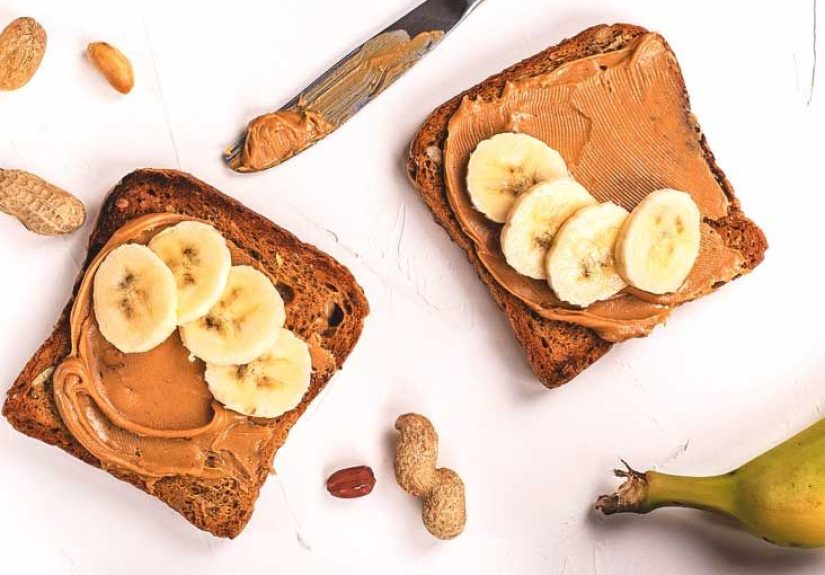
Here is a simple example you can discuss with your care team. For breakfast, try toast with a small amount of smooth peanut butter and a banana. Midmorning, sip an electrolyte drink or broth. For lunch, choose white rice with baked chicken and cooked carrots if tolerated. In the afternoon, try applesauce or crackers. For dinner, consider plain pasta, turkey, or potato without the skin. Keep sipping fluids between meals.
This is not a universal prescription. Your needs may differ if you have diabetes, kidney disease, bowel surgery, neutropenia, swallowing problems, food allergies, or a special diet. The goal is to calm the gut while still supporting your strength.
How Caregivers Can Help
Caregivers can make diarrhea management easier by tracking symptoms, preparing bland meals, encouraging fluids, watching for dehydration, and calling the care team when red flags appear. They can also help reduce embarrassment by treating diarrhea like any other medical side effect. Calm support matters.
A helpful caregiver phrase is: “Let’s write this down and call the nurse.” A less helpful phrase is: “Are you sure it’s that bad?” When someone is in chemotherapy and making repeated bathroom trips, trust the report. Nobody invents diarrhea for attention. There are better hobbies.
of Real-Life Experience: What Managing Chemo Diarrhea Can Feel Like
Many patients describe chemotherapy-related diarrhea as more than a physical symptom. It can affect confidence, sleep, appetite, mood, and the simple ability to leave the house without mapping every bathroom like a military operation. One person may say, “I can handle fatigue, but the unpredictability is what gets me.” Another may feel embarrassed mentioning it at appointments, even though the oncology team discusses bowel changes every day. The emotional side is real, and acknowledging it can make management easier.
A common experience is learning that “normal meals” are not always normal during treatment week. Someone may eat a salad because they are trying to be healthy, only to discover that raw vegetables are too rough on the gut right after chemo. That does not mean salads are bad forever. It means timing matters. Many patients do better by switching temporarily to cooked, soft, low-fiber foods, then gradually returning to a broader diet when symptoms settle.
Another frequent lesson is that hydration takes planning. When water tastes metallic or boring, patients may stop drinking without realizing it. Some find that chilled drinks, diluted juice, broth, popsicles, or electrolyte solutions are easier. Others keep a bottle nearby and take a sip every few minutes. The goal is not perfection; it is steady replacement. Diarrhea can drain the tank quickly, and refilling it little by little often works better than waiting until thirst becomes intense.
Patients also learn the value of calling early. At first, many people worry they are “bothering” the clinic. After one rough episode, they realize the nurse would rather hear about diarrhea on day one than dehydration on day three. A quick call can lead to clearer medication instructions, a safer food plan, or reassurance about what to monitor. It can also catch problems that need urgent care.
Practical comfort tools matter too. Soft wipes, barrier ointment, loose clothing, easy-to-wash bedding, and a bathroom kit can make a hard week less miserable. Some patients keep gentle foods in the pantry before every infusion, not because they expect trouble, but because being prepared reduces anxiety. It feels better to know the rice, broth, bananas, and electrolyte drinks are already there.
Finally, many people discover that diarrhea management is not about toughness. It is about teamwork. Your job is to notice symptoms, report them, drink fluids, eat gently, and follow instructions. Your oncology team’s job is to help you stay safe and keep treatment moving whenever possible. Chemo may be complicated, but you do not have to navigate every bathroom emergency alone.
Conclusion
Managing diarrhea around chemotherapy starts with early communication, careful hydration, gentle foods, symptom tracking, and medication only when your oncology team approves it. While mild diarrhea may be manageable at home, persistent or severe symptoms can become dangerous quickly. Listen to your body, call your care team early, and give your gut the calm, low-drama support it deserves.
Chemotherapy is already a big enough mountain to climb. Diarrhea should not be allowed to steal your strength, confidence, or treatment momentum. With a plan, the right foods, enough fluids, and medical guidance, you can reduce the chaos and feel more in controlbathroom map optional, but honestly, still useful.