Table of Contents >> Show >> Hide
- Why Natural Fall Porch Decor Works So Well
- Start With a Simple Porch Design Plan
- Grow Pumpkins, Gourds, and Squash for Porch Displays
- Use Mums, Asters, and Pansies for Living Color
- Add Ornamental Kale and Cabbage for Texture
- Gather Branches, Grasses, Seed Pods, and Leaves
- Decorate With Cornstalks, Broomcorn, and Straw Bales
- Create a Natural Fall Wreath
- Style Ideas for Different Porch Sizes
- Keep Natural Porch Decor Fresh Longer
- What to Do With Natural Decor After Fall
- Practical Experiences With Fall Front Porch Decor That Can Be Grown or Gathered
- Conclusion
Fall front porch decor does not have to begin with a shopping cart, a coupon code, and a mild panic attack in the seasonal aisle. Some of the most beautiful autumn displays can be grown in your garden, gathered from your yard, picked up at a local farm stand, or rescued from the back corner of the garage where last year’s basket has been quietly judging you.
The charm of natural fall porch decorating is that it feels alive. Pumpkins lean casually against steps. Mums puff up like floral pom-poms. Cornstalks add height, dried grasses add movement, and seed pods bring the kind of texture that makes people say, “Wow, where did you buy that?” The answer, of course, is: “Technically, I found it near the compost bin.” Very chic.
Whether you have a grand wraparound porch, a tiny stoop, an apartment balcony, or three square feet of hopeful concrete, you can create a warm, welcoming fall entryway using materials that are seasonal, affordable, and often compostable when the holidays are over. This guide explains how to design fall front porch decor that can be grown or gathered, with practical ideas, plant suggestions, styling tips, and real-life lessons from porch decorating adventures.
Why Natural Fall Porch Decor Works So Well
Natural fall porch decor has an advantage that plastic decorations often struggle to match: it belongs to the season. Pumpkins, gourds, mums, asters, pansies, ornamental kale, dried grasses, branches, acorns, pinecones, and colorful leaves all carry the texture, color, and mood of autumn without trying too hard.
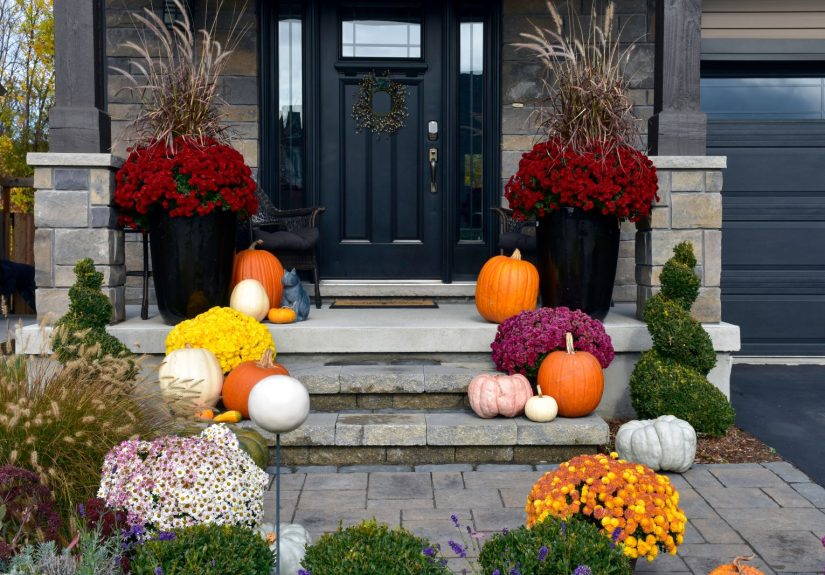
The best fall porch displays usually combine three things: color, height, and layers. Pumpkins and gourds bring weight and shape. Flowers add color. Cornstalks, broomcorn, branches, and grasses create vertical interest. Baskets, crates, crocks, and galvanized tubs help organize the whole scene so it looks styled instead of accidentally dropped by a very enthusiastic squirrel.
Natural Decor Is Flexible
A grown-or-gathered porch can shift from early fall to Halloween to Thanksgiving without a complete redesign. In September, the look might be soft and garden-inspired with mums, grasses, and pale pumpkins. In October, you can add carved pumpkins, darker foliage, or spooky accents. By November, remove the Halloween pieces and keep the harvest elements for a cozy Thanksgiving welcome.
It Is Budget-Friendly
If you grow even a few porch-friendly plants, save baskets, reuse containers, or gather branches and seed heads, your fall display can look abundant without becoming expensive. A single large pumpkin, two mums, a bundle of dried stems, and a thrifted basket can do more than a dozen tiny decorations scattered without a plan.
Start With a Simple Porch Design Plan
Before gathering every pumpkin in the county, pause and look at your entryway. The porch should welcome people, not force them to complete an obstacle course. Leave a clear walking path, keep stairs safe, and avoid placing round pumpkins where they can roll under someone’s foot like tiny orange troublemakers.
Choose one main style direction. You do not need to name it dramatically, but it helps to know the mood you want. Do you prefer rustic farmhouse, elegant neutrals, cozy cottage, woodland natural, classic orange harvest, or modern minimal? Once you choose the mood, selecting materials becomes much easier.
Use the “Big, Medium, Small” Rule
A balanced fall porch display usually includes large anchor pieces, medium fillers, and small accents. Large pieces include big pumpkins, straw bales, oversized planters, tall cornstalk bundles, or a bench. Medium pieces include mums, baskets, crocks, lanterns, and medium pumpkins. Small accents include mini gourds, pinecones, acorns, dried leaves, seed pods, and small branches.
Repeat Colors for a Polished Look
Repeating two or three colors makes natural decor look intentional. For a classic porch, combine orange pumpkins, bronze mums, and golden grasses. For a softer look, use white pumpkins, pale green gourds, cream mums, and dried wheat. For drama, try burgundy mums, purple ornamental kale, dark gourds, and black planters.
Grow Pumpkins, Gourds, and Squash for Porch Displays
Pumpkins are the celebrities of fall front porch decor, and honestly, they know it. They pose beautifully on steps, sit proudly beside doors, and somehow make even a plain porch look ready for cider and sweater weather.
If you have garden space, growing your own pumpkins, ornamental gourds, or winter squash can give you a deeply satisfying fall decorating supply. Even small varieties can make a big impact when stacked in baskets, tucked into planters, or arranged along porch steps.
Best Pumpkin Types for Decor
For decorating, mix shapes and colors rather than relying on one type. Classic orange pumpkins create warmth. White pumpkins add elegance. Blue-gray varieties bring a muted, designer look. Mini pumpkins are perfect for filling gaps, lining windowsills, or topping planters. Warty gourds and striped squash add humor and texture, because fall decor should not be afraid to have a little personality.
Large carving pumpkins are great for jack-o’-lanterns and bold porch statements, but smaller pie pumpkins and ornamental squash often last longer and look more refined in layered displays. If you grow them yourself, leave a few inches of stem attached when harvesting. A healthy stem is not just attractive; it also helps the pumpkin last longer.
How to Display Pumpkins Naturally
Group pumpkins in uneven numbers for a relaxed, organic look. Place larger pumpkins at the bottom of steps or beside planters. Use medium pumpkins to connect areas visually. Tuck mini gourds into baskets, under benches, or around flowerpots. A few pumpkins in different colors often look more interesting than a dozen identical ones lined up like they are waiting for a school photo.
Use Mums, Asters, and Pansies for Living Color
Flowers bring life to fall front porch decor. While pumpkins provide structure, plants provide softness and movement. The classic choice is the garden mum, but asters, pansies, violas, ornamental peppers, and flowering kale can all help create a porch that feels fresh instead of flat.
Chrysanthemums: The Fall Porch Workhorse
Chrysanthemums, commonly called mums, are popular because they offer bold color just when many summer flowers are fading. They come in shades of yellow, orange, red, bronze, pink, purple, and white. For porch decor, choose plants with many tight buds rather than only fully open flowers. They will last longer and give you more weeks of color.
Place mums in containers that match your style. A black pot looks modern. A woven basket feels cottage-like. A galvanized bucket says farmhouse without shouting. If the nursery pot is not attractive, simply drop it into a decorative container. This trick is fast, tidy, and ideal for anyone who wants the look of gardening without the immediate commitment to actual gardening.
Asters and Pansies Add Cool-Season Charm
Asters bring daisy-like blooms in purple, pink, lavender, and white, making them excellent companions for pumpkins and grasses. Pansies and violas are especially useful for small pots, window boxes, and pumpkin planters. They enjoy cool weather and can keep blooming when cared for properly.
For best results, use containers with drainage holes and quality potting mix. Water consistently, especially when plants are newly placed. Fall air may feel cool, but containers can still dry out quickly on sunny or windy porches.
Add Ornamental Kale and Cabbage for Texture
Ornamental kale and cabbage are the secret weapons of fall porch decorating. Their ruffled leaves, rounded shapes, and colors ranging from green to white, pink, purple, and burgundy make them look like flowers designed by a very dramatic vegetable artist.
These plants are especially useful because they do not rely on blooms for beauty. As temperatures cool, their colors often become more vivid. Use them in pots with mums, pansies, grasses, or trailing vines. They also look stunning when planted in symmetrical containers on each side of the front door.
Container Idea: The Harvest Bowl
Fill a wide, shallow planter with ornamental kale in the center, pansies around the edge, and mini gourds tucked between the plants. Add a few stems of dried grass for height. The result looks abundant but not chaotic, which is exactly what porch decor should aim for.
Gather Branches, Grasses, Seed Pods, and Leaves
The word “gathered” is where fall decorating becomes wonderfully creative. Look around your yard or garden for materials with interesting shape, color, or texture. Dried hydrangea blooms, ornamental grass plumes, seed pods, grapevines, curly willow branches, pinecones, acorns, dried leaves, and berry stems can all become porch decorations.
Before gathering, make sure you are allowed to collect materials from the location. Avoid picking from public parks, protected areas, or private property without permission. Also avoid using unknown berries where children or pets might reach them. Natural does not automatically mean snack-friendly.
Make a Gathered Porch Arrangement
Use a tall basket, crock, urn, or metal bucket as a base. Add a few rocks at the bottom for weight if the porch is windy. Insert branches first for height, then grasses, dried flowers, seed heads, and colorful leaves. If stems wobble, place chicken wire inside the container to help hold them upright.
This type of arrangement works beautifully beside the door, next to a bench, or behind a cluster of pumpkins. It adds height and movement, making the whole display feel more complete.
Decorate With Cornstalks, Broomcorn, and Straw Bales
Cornstalks and broomcorn are excellent for creating height. Tie them to porch posts, railings, or stakes with twine. Let them frame the doorway or stand behind planters. Their vertical lines help balance low pumpkins and round mums.
Straw bales can act as platforms for pumpkins and pots, especially on larger porches. They raise smaller items so the display has levels. After fall, clean straw can be reused as garden mulch, winter plant protection, or compost material. That is decor with an afterlife, and frankly, we respect the hustle.
Safety Tip for Straw and Dried Decor
Keep straw, dried stalks, and grasses away from open flames, hot bulbs, and electrical hazards. Use battery-operated lanterns or LED candles instead of real candles. Your porch should say “harvest welcome,” not “small-town fire department field trip.”
Create a Natural Fall Wreath
A wreath is the front door’s handshake. It sets the tone before guests even step inside. For a grown-or-gathered wreath, start with a grapevine base and add dried flowers, wheat, small pinecones, grasses, seed pods, preserved leaves, or mini faux pumpkins if needed for durability.
Keep the wreath proportional to your door. A tiny wreath on a large door can look shy, while an enormous wreath on a small door may appear to be attempting a takeover. If your porch is exposed to rain, use more durable materials such as grapevine, pinecones, dried grasses, and weather-resistant ribbon.
Style Ideas for Different Porch Sizes
Small Stoop
Use one tall container, one medium mum, and three pumpkins in different sizes. Add a simple wreath and a clean doormat. Keep the floor clear enough for safe entry. Small spaces look best when every piece has a job.
Medium Porch
Place matching planters on both sides of the door, then add pumpkins in staggered groups along the steps. Use a basket of dried stems for height and a seasonal wreath for color. This creates balance without requiring a truckload of supplies.
Large Porch
Create zones: one by the door, one around seating, and one near steps or railings. Use a bench with a plaid blanket, large planters, cornstalks, pumpkins, gourds, and lanterns. Repeat colors across the porch so the display feels connected.
Keep Natural Porch Decor Fresh Longer
Natural materials are beautiful, but they are not immortal. Rain, heat, squirrels, and time all have opinions. To keep your fall front porch decor looking good, place pumpkins where they are protected from heavy rain and direct hot sun when possible. Avoid carving pumpkins too early, because carved pumpkins break down much faster than whole ones.
Water potted plants at soil level and remove faded blooms or damaged leaves. Elevate pumpkins slightly on wood slices, trays, or straw so they are not sitting directly in puddles. Check displays weekly and remove anything soft, moldy, or suspiciously nibbled.
What to Do With Natural Decor After Fall
One of the best things about grown and gathered fall decor is that much of it can return to the garden. Unpainted pumpkins and gourds can often be composted if they are disease-free. Straw can become mulch. Dried leaves can feed a leaf mold pile. Plant material from healthy containers can go into compost, while reusable pots, baskets, and crates can be stored for next year.
Avoid composting painted, glittered, or chemically treated materials. Remove wire, ribbon, floral foam, and plastic decorations first. If wildlife is common in your area, be thoughtful about where you discard pumpkins so you do not invite animals too close to roads, doorways, or neighbors who did not sign up for a raccoon buffet.
Practical Experiences With Fall Front Porch Decor That Can Be Grown or Gathered
The most useful lesson from decorating with natural fall materials is that the best porch displays are built gradually. The first version rarely looks perfect, and that is fine. In fact, it is part of the fun. You may start with two mums and a pumpkin, then realize the porch needs height. So you add cornstalks. Then the steps look empty, so you tuck in mini gourds. Then the door feels plain, so a wreath appears. Suddenly your porch looks like autumn stopped by for coffee and decided to stay.
One experience many decorators share is that scale matters more than quantity. A single oversized pumpkin beside a full mum can look more impressive than twelve tiny pumpkins scattered everywhere. Small items work best when grouped in baskets or arranged around a larger focal point. Otherwise, they can look like fall confetti.
Another helpful discovery is that containers do not need to match perfectly. Old baskets, metal tubs, ceramic crocks, wooden crates, and weathered planters can work together if the color palette is consistent. For example, a porch with cream pumpkins, bronze mums, dried wheat, and brown baskets will feel cohesive even if every container came from a different decade of your life.
Wind is another teacher, and it does not grade gently. Tall dried arrangements can topple if they are too light. Adding stones or bricks inside the bottom of a basket or urn can save the whole display. Tying cornstalks securely to a post or railing is also important. A loose cornstalk bundle in a fall storm has the energy of a scarecrow trying to escape.
Watering is easy to forget in fall because the weather feels cooler, but potted mums, pansies, and kale still need moisture. A porch roof may block rain, which means plants can dry out even during wet weather. The quick finger test works well: if the top inch of soil feels dry, water thoroughly and let excess drain away.
It is also wise to decorate in layers that can be removed as the season changes. Use whole pumpkins and living plants early in the season. Add carved pumpkins close to Halloween. After Halloween, remove spooky pieces and keep the pumpkins, grasses, wreath, and planters for Thanksgiving. This approach saves money and keeps the porch from looking outdated on November 1.
Finally, gathered decor feels more personal than store-bought decor. A wreath made with seed pods from your garden or a basket filled with hydrangeas you dried yourself carries a story. Guests may not know that story immediately, but they will feel the difference. Natural fall porch decor is not about perfection. It is about warmth, welcome, and letting the season do most of the decorating for you.
Conclusion
Fall front porch decor that can be grown or gathered is beautiful because it is rooted in the season itself. Pumpkins, gourds, mums, pansies, ornamental kale, cornstalks, grasses, branches, seed pods, and leaves create a display that feels warm, personal, and connected to nature. With a simple design plan, a few repeated colors, and a smart mix of heights and textures, any porch can become a welcoming autumn entrance.
You do not need to buy everything new or chase complicated trends. Grow what you can, gather what is safe and available, reuse containers, and let natural materials bring the charm. The result is a porch that looks inviting from the sidewalk, feels cozy at the door, and quietly reminds everyone that fall has arrivedwith pumpkins, naturally, leading the parade.