Table of Contents >> Show >> Hide
- Why a $110 Grocery Budget Needs a Strategy
- The RD Grocery Formula: Protein + Produce + Smart Carbs + Flavor
- Before the Store: The 15-Minute Meal Map
- A Sample $110 RD-Style Grocery List
- Hack #1: Shop the Pantry First
- Hack #2: Build Meals Around Low-Cost Nutrition Heroes
- Hack #3: Use the Freezer Like a Money-Saving Machine
- Hack #4: Compare Unit Prices, Not Package Drama
- Hack #5: Let Sales Guide You, Not Control You
- Hack #6: Use Meat as an Ingredient, Not Always the Main Event
- Hack #7: Plan “Use-It-Up” Meals
- Hack #8: Stop Paying Extra for Chopping
- Hack #9: Create a Two-Minute Snack Plan
- Hack #10: Make a “Do Not Waste” Shelf
- A Simple 5-Day Meal Example From the $110 Cart
- What an RD Would Skip on a $110 Budget
- Experience Notes: What Shopping on a $110 Budget Really Feels Like
- Conclusion: The RD Secret Is Simple, Not Fancy
Walking into a grocery store with $110 and a nutrition goal can feel like entering a tiny financial obstacle course. The berries are glowing. The snack aisle is whispering. The “family size” cereal box is somehow the size of a carry-on suitcase. And somewhere between the yogurt wall and the checkout lane, your budget quietly puts on a tiny life jacket.
The good news: eating well on a budget is not about becoming a coupon wizard, surviving on plain rice, or pretending one lonely lettuce leaf is “dinner.” A registered dietitian’s approach is more practical: buy foods that work hard, waste less, cook once and eat more than once, and build meals around protein, fiber, flavor, and flexibility.
For this guide, the $110 grocery budget is treated as a realistic weekly food budget for one adult who cooks most meals at home, with a few pantry basics already available, such as oil, salt, pepper, spices, and condiments. Prices vary by region, store, season, and sales, but the strategy stays the same: shop with a plan, make ingredients overlap, and stop letting forgotten spinach turn into expensive refrigerator confetti.
Why a $110 Grocery Budget Needs a Strategy
Grocery costs have remained a major household pressure, and food-at-home prices are still expected to rise in 2026. That means the old “just grab a few things” shopping method can quickly become the “how did I spend $46 and still have no dinner?” method.
An RD does not shop by vibes alone. The cart has a job description. Every item should help create multiple meals, support balanced nutrition, or prevent a more expensive choice later, like takeout after a long day. The goal is not perfection. The goal is to leave the store with breakfast, lunch, dinner, snacks, and a backup plan that does not involve staring into the fridge like it owes you an apology.
The RD Grocery Formula: Protein + Produce + Smart Carbs + Flavor
A budget-friendly cart works best when it covers four core categories:
1. Affordable Protein
Protein helps meals feel satisfying, but it does not have to come from pricey cuts of meat. A registered dietitian often leans on eggs, canned tuna, beans, lentils, Greek yogurt, tofu, chicken thighs, ground turkey, cottage cheese, and peanut butter. These foods are usually cheaper per serving than many convenience meals and can be used across breakfast, lunch, and dinner.
2. Produce That Will Actually Get Eaten
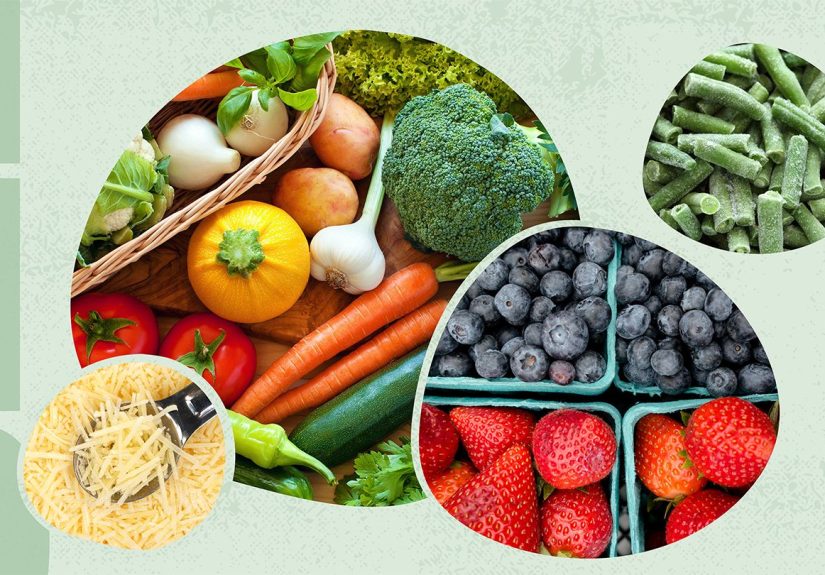
Fresh produce is wonderful, but only if it makes it into your mouth before it becomes a science experiment. Budget shoppers should mix sturdy fresh produce with frozen options. Think bananas, apples, carrots, cabbage, onions, potatoes, sweet potatoes, spinach, frozen broccoli, frozen berries, and frozen mixed vegetables.
3. Smart Carbohydrates
Carbs are not the enemy; overpriced impulse carbs are the sneaky little gremlins. Oats, brown rice, whole wheat pasta, tortillas, potatoes, and whole grain bread can stretch meals while adding fiber and energy. A bag of oats can become breakfast, snacks, or even a binder for homemade meatballs or veggie patties.
4. Flavor Builders
Flavor is what keeps budget meals from tasting like a spreadsheet. Salsa, garlic, lemon juice, vinegar, low-sodium broth, spices, mustard, hot sauce, and herbs can make simple ingredients feel completely different. Beans and rice with salsa taste nothing like beans and rice with curry spices, and both cost less than panic-ordering delivery.
Before the Store: The 15-Minute Meal Map
The best grocery saving hack happens before you touch a shopping cart. Spend 15 minutes making a loose meal map. Not a rigid, laminated meal plan. Just a practical guide.
Start by choosing three dinners that share ingredients. For example, buy chicken thighs, rice, frozen broccoli, tortillas, cabbage, and beans. That can become chicken rice bowls, tacos, soup, and a quick stir-fry. Next, choose two breakfasts you can repeat without emotional damage, such as oatmeal with peanut butter and bananas, or Greek yogurt with frozen berries. Then choose one lunch formula, like leftovers, tuna wraps, or grain bowls.
This “ingredient overlap” method is the RD’s secret weapon. Instead of buying cilantro for one recipe, sour cream for another, and a special sauce that will retire in the fridge door forever, you buy foods that can move around. Flexible groceries save money because they reduce waste and decision fatigue.
A Sample $110 RD-Style Grocery List
Here is a practical example of how an RD might structure a $110 cart. Exact prices vary, so treat this as a flexible model rather than a legally binding grocery prophecy.
Protein Picks
- Eggs
- Plain Greek yogurt
- Canned tuna or salmon
- Chicken thighs or sale-priced lean ground meat
- Dry or canned beans
- Peanut butter
Produce Picks
- Bananas
- Apples
- Carrots
- Cabbage or romaine
- Onions
- Potatoes or sweet potatoes
- Frozen broccoli
- Frozen berries or frozen mixed fruit
Carbohydrate Staples
- Old-fashioned oats
- Brown rice
- Whole wheat pasta
- Whole grain bread or tortillas
Flavor and Meal Helpers
- Salsa
- Low-sodium broth
- Tomato sauce or canned diced tomatoes
- Cheese, if budget allows
- Store-brand hummus or cottage cheese, if on sale
This list can create oatmeal bowls, yogurt parfaits, egg toast, tuna wraps, chicken rice bowls, bean tacos, vegetable pasta, loaded potatoes, soup, and leftovers. That is the difference between “I bought food” and “I bought meals.”
Hack #1: Shop the Pantry First
Before grocery shopping, check what is already in the kitchen. This sounds obvious, but so does “do not buy a fifth jar of cumin,” and yet here we are. Pantry shopping prevents duplicates and gives your grocery list a starting point.
If you already have rice, buy beans and salsa. If you have pasta, buy frozen vegetables and canned tomatoes. If you have oats, buy fruit and yogurt. The cheapest ingredient is the one you already paid for.
Hack #2: Build Meals Around Low-Cost Nutrition Heroes
Some foods are budget champions because they deliver nutrients, flexibility, and satiety for a low price. Beans, lentils, eggs, oats, potatoes, canned fish, frozen vegetables, and peanut butter are classic RD favorites.
Beans can become chili, tacos, bowls, soups, dips, and salads. Eggs can become breakfast, fried rice, sandwiches, or a quick dinner with vegetables. Oats can be sweet, savory, baked, or blended into smoothies. Frozen vegetables can rescue almost any meal from looking beige and emotionally tired.
Hack #3: Use the Freezer Like a Money-Saving Machine
The freezer is not just where good intentions go to hibernate. It is one of the best grocery saving tools you own. Frozen fruits and vegetables are often picked and processed at peak ripeness, last longer than fresh, and help reduce waste.
Use frozen berries for oatmeal or yogurt. Add frozen broccoli to pasta, rice bowls, or eggs. Freeze extra bread, cooked rice, cooked beans, and sale-priced meat in meal-size portions. When food is frozen in usable portions, future-you gets dinner without paying future-takeout prices.
Hack #4: Compare Unit Prices, Not Package Drama
Package size can be misleading. A giant box is not always cheaper, and a tiny “value” pack may be expensive per ounce. Check the unit price on the shelf tag when available. This tells you the cost per ounce, pound, or serving, which is far more useful than judging by package size alone.
Also read the Nutrition Facts label. Compare serving sizes, added sugars, sodium, saturated fat, fiber, and protein. A cereal that looks cheap may not be very filling. A plain yogurt tub may cost more upfront than a single cup, but it can provide several breakfasts and snacks.
Hack #5: Let Sales Guide You, Not Control You
Sales are helpful only when they match your real life. A sale on something you do not eat is not savings; it is clutter wearing a discount sticker. An RD uses sales to choose between similar items. Chicken thighs on sale? Great. Apples cheaper than berries? Wonderful. Store-brand oats half the price of fancy oats with a mountain climber on the label? Into the cart they go.
But avoid buying three snack foods just because they are “three for $10” unless you actually planned to buy them. The store is not giving you a gold medal for participating in its math game.
Hack #6: Use Meat as an Ingredient, Not Always the Main Event
Meat can be part of a healthy budget, but it is often one of the most expensive parts of the cart. Stretch it with beans, lentils, vegetables, rice, or pasta. For example, one pound of ground turkey can become taco bowls with black beans, pasta sauce with lentils, or stuffed potatoes with vegetables.
This does not mean giving up meat. It means making it work harder. A smaller amount of chicken can flavor soup, bowls, wraps, and fried rice. That is dietitian math: more meals, more plants, less cost.
Hack #7: Plan “Use-It-Up” Meals
Food waste is budget leakage. If lettuce, herbs, leftovers, or cooked grains keep dying in your fridge, plan a weekly use-it-up meal. Good options include soup, omelets, fried rice, quesadillas, pasta, grain bowls, and loaded potatoes.
The formula is simple: take one base, add one protein, add vegetables, add sauce. Rice plus egg plus frozen vegetables plus soy-style seasoning becomes fried rice. Tortilla plus beans plus cheese plus cabbage becomes tacos. Potato plus Greek yogurt plus broccoli plus leftover chicken becomes a filling dinner.
Hack #8: Stop Paying Extra for Chopping
Pre-cut produce, single-serve snack packs, and ready-made meals can be helpful during busy weeks, but they often cost more. When the budget is tight, choose whole carrots instead of baby carrots, a tub of yogurt instead of individual cups, and a block of cheese instead of shredded if the price difference is meaningful.
That said, an RD also considers reality. If pre-washed greens are the difference between eating vegetables and ordering fries, buy the greens. The smartest budget is the one you can actually live with.
Hack #9: Create a Two-Minute Snack Plan
Snacks can quietly eat a grocery budget faster than a teenager after soccer practice. Instead of buying random snack foods, plan simple combinations that include protein or fiber.
Try apples with peanut butter, Greek yogurt with frozen berries, hard-boiled eggs with toast, carrots with hummus, cottage cheese with fruit, popcorn with a sprinkle of seasoning, or tuna on whole grain crackers. Snacks should help you feel better between meals, not leave you hunting for another snack 12 minutes later.
Hack #10: Make a “Do Not Waste” Shelf
Place soon-to-expire foods in one visible section of the fridge. Call it the “eat me first” shelf, the “rescue zone,” or the “please do not become compost yet” area. This simple habit prevents forgotten leftovers and makes meal decisions easier.
Put opened yogurt, cooked rice, chopped vegetables, half-used sauces, and leftovers there. When making lunch or dinner, shop that shelf first. It is a tiny system with a big payoff.
A Simple 5-Day Meal Example From the $110 Cart
Breakfasts
Oatmeal with peanut butter and banana; Greek yogurt with frozen berries; egg toast with fruit.
Lunches
Tuna wraps with cabbage and carrots; leftover chicken rice bowls; bean and vegetable soup; loaded sweet potatoes.
Dinners
Chicken thighs with rice and broccoli; black bean tacos with cabbage slaw; whole wheat pasta with tomato sauce and vegetables; egg fried rice; potato bowls with yogurt sauce and leftover protein.
Notice that nothing here requires a culinary degree, a luxury blender, or a deep personal relationship with quinoa. The meals are simple, flexible, and realistic.
What an RD Would Skip on a $110 Budget
A registered dietitian is not anti-fun. Cookies are allowed to exist. Chips are allowed to crunch. But on a limited budget, some items should be occasional rather than automatic.
Skip or limit sugary drinks, oversized snack multipacks, pre-made smoothies, specialty bars, single-serve convenience foods, and trendy “health” products that cost more because the package is beige and has a leaf on it. Many of these foods are not bad in small amounts, but they can crowd out the ingredients that actually build meals.
Experience Notes: What Shopping on a $110 Budget Really Feels Like
Shopping on a $110 budget teaches you very quickly that food planning is less about discipline and more about design. When the week starts with a clear grocery list, meals feel easier. When the week starts with random groceries, every dinner becomes an episode of “What Can I Make With Mustard, Lettuce, and Regret?”
One of the most useful real-life habits is choosing a “theme” for the week. For example, a Tex-Mex week can use rice, beans, salsa, eggs, cabbage, tortillas, chicken, and yogurt. Those same ingredients can become breakfast tacos, rice bowls, burritos, soup, and loaded potatoes. An Italian-style week might use pasta, canned tomatoes, spinach, white beans, ground turkey, onions, and carrots. The theme keeps flavors connected, so fewer ingredients go unused.
Another experience that changes the budget game is learning which foods are worth buying fresh and which are better frozen. Fresh berries are lovely, but they can be expensive and fragile. Frozen berries are cheaper in many stores, last longer, and work beautifully in oatmeal, yogurt, and smoothies. Fresh spinach is great for salads, but frozen spinach may be better for soups, eggs, pasta, and casseroles. A budget shopper learns to stop judging frozen food like it failed a freshness exam.
The third lesson is that leftovers need a plan before they exist. If you cook chicken, decide immediately where the extra portion is going. Is it tomorrow’s wrap? A rice bowl? Soup? If you cook rice, portion some for fried rice or freeze it flat in a bag. If you open a can of beans, use half for tacos and half for lunch bowls. Leftovers without a plan become fridge decorations, and fridge decorations are expensive.
There is also a mindset shift around snacks. Many shoppers overspend because snacks are bought emotionally at the end of the trip, usually when hunger is driving the cart. A better method is to choose two snack formulas for the week. For example, fruit plus peanut butter and yogurt plus frozen berries. That gives enough variety without turning the pantry into a mini convenience store.
Finally, the best $110 grocery weeks include one “emergency meal.” This is a meal for the night when everything goes sideways. It might be eggs and toast, pasta with frozen vegetables, rice and beans, or a loaded potato. It does not need to be glamorous. It just needs to exist. Because the real grocery saving hack is not just spending less at the store; it is making sure the food you buy actually becomes meals when life gets loud.
Conclusion: The RD Secret Is Simple, Not Fancy
Grocery saving hacks work best when they are realistic. A $110 budget can go surprisingly far when you shop with a meal map, choose low-cost nutrition staples, compare unit prices, rely on frozen produce, stretch protein, and reduce waste. The goal is not to build the world’s most perfect cart. The goal is to buy food that becomes satisfying meals without draining your wallet or your will to cook.
Think like an RD: plan meals around protein, fiber, produce, and flavor. Think like a busy human: keep backup meals ready, repeat breakfasts, and stop buying ingredients that only work in one recipe. And think like your future self: freeze leftovers, use the “eat me first” shelf, and never underestimate the power of beans, eggs, oats, rice, and a good sauce.
With the right strategy, a $110 grocery budget is not a punishment. It is a puzzle. And once you learn how the pieces fit, you can eat well, waste less, and maybe even leave the store without needing a dramatic checkout-lane pep talk.