Table of Contents >> Show >> Hide
- What Are Red Linen Chambray Towels?
- Why Linen Makes Sense for Towels
- What Chambray Adds to the Towel
- The Beauty of Red in Home Textiles
- Common Uses for Red Linen Chambray Towels
- How to Choose Quality Red Linen Chambray Towels
- How to Wash Red Linen Chambray Towels
- Red Linen Chambray Towels vs. Cotton Terry Towels
- Where Red Linen Chambray Towels Fit in Home Decor
- Are Red Linen Chambray Towels Worth It?
- Buying Tips Before You Add to Cart
- Real-Life Experiences With Red Linen Chambray Towels
- Conclusion
Red linen chambray towels sound like something a stylish innkeeper would casually toss over a sunlit railing in a magazine spread. But behind the pretty name is a surprisingly practical textile: linen for strength and fast drying, chambray for that softly heathered, lived-in look, and red for warmth, color, and a little “yes, I have taste” energy. Whether used as bath towels, hand towels, kitchen towels, beach towels, or decorative guest linens, red linen chambray towels blend function with character in a way that fluffy white terry towels simply cannot always pull off.
At their best, these towels are lightweight, absorbent, quick to dry, easy to hang, and beautiful enough to leave in plain sight. They may not feel like a cloud swallowed a marshmallow the first time you touch them, but linen has a secret talent: it gets softer with use. Like a good cast-iron skillet or a favorite denim jacket, it improves when it becomes part of daily life.
What Are Red Linen Chambray Towels?
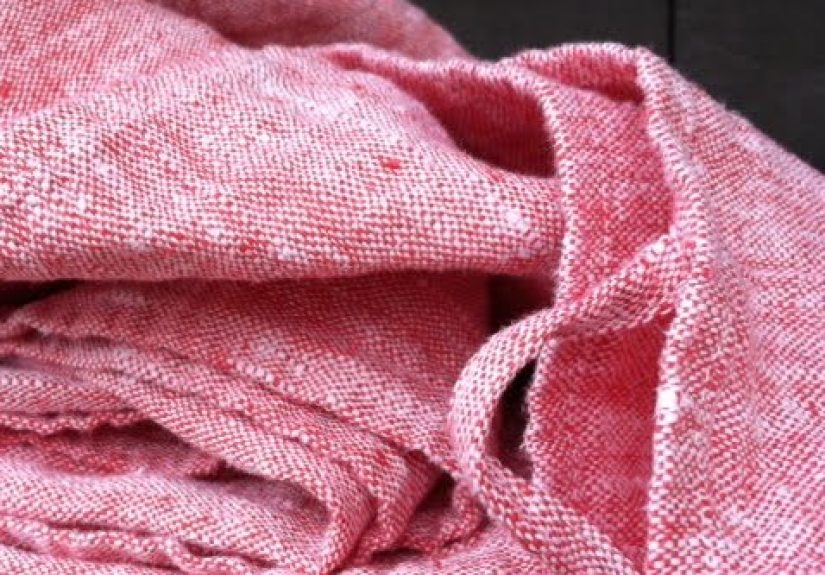
Red linen chambray towels are towels made from linen yarns woven in a chambray-style construction, typically with a colored yarn in one direction and a lighter yarn in the other. The result is a fabric that does not look flat or overly polished. Instead, it has depth, texture, and a subtle two-tone appearance. When red is used as the primary color, the towel can range from brick and cranberry to tomato, rust, coral, or muted clay.
Chambray is often associated with casual shirts, but the weave works beautifully in home textiles because it creates visual softness without needing a busy print. A red chambray towel may look solid from across the room, then reveal tiny variations up close. That is the magic trick. It gives the towel personality without shouting across the kitchen like a rooster-themed dishcloth from 1997.
Why Linen Makes Sense for Towels
Linen comes from flax, a plant fiber known for durability, breathability, and moisture management. Compared with many plush cotton towels, linen towels are often thinner, lighter, and faster to dry. That makes them especially useful in humid bathrooms, small kitchens, beach bags, guest rooms, and travel totes where bulky towels feel like they are training for a furniture-moving competition.
One of linen’s biggest strengths is that it absorbs moisture while drying relatively quickly. A towel that dries faster is less likely to develop that damp, musty smell that makes you question every life choice you made before laundry day. Linen also tends to become softer with repeated washing, which means a new towel may feel crisp at first but gradually relax into a smoother, more comfortable texture.
Linen Is Lightweight but Strong
A red linen chambray towel can be thin without being weak. Linen fibers are naturally strong, which is why linen has been used for household textiles for centuries. This strength matters in towels because they are washed often, pulled from hooks, folded, packed, shaken, and occasionally used to rescue a coffee spill that had no business being that dramatic.
Linen Dries Quickly
Quick drying is one of the main reasons people switch to linen towels. A thick terry towel can feel luxurious after a shower, but in a poorly ventilated bathroom, it may stay damp for hours. Linen’s lighter structure helps it dry faster, making it practical for everyday use, travel, beach days, and warm climates.
Linen Has Natural Texture
Linen is not perfectly smooth, and that is part of its appeal. The texture gives it grip, character, and a slightly rustic elegance. For bath towels, that texture can feel more exfoliating than plush. For kitchen towels, it helps with handling dishes, drying hands, covering bread dough, or lining a serving tray.
What Chambray Adds to the Towel
Chambray is usually a plain weave, meaning the yarns cross in a simple over-under pattern. The classic chambray look often comes from mixing colored yarns with white or natural yarns. This gives the fabric a soft, mottled finish rather than a single flat color. In towels, chambray adds charm without adding heaviness.
For red linen chambray towels, the chambray weave can make the red feel gentler and more versatile. Instead of a harsh fire-engine red, the fabric may look washed, softened, or sun-faded in the best possible way. That makes it easier to use in modern farmhouse kitchens, coastal bathrooms, rustic cabins, minimalist apartments, and even holiday settings where you want festive color without looking like a wrapping-paper aisle exploded.
The Beauty of Red in Home Textiles
Red is a powerful color in interior design. It brings warmth, appetite, energy, and contrast. In kitchens, red has long been associated with tomatoes, cherries, wine, peppers, and cozy family meals. In bathrooms, red can feel bold and boutique-like when balanced with neutrals. In outdoor settings, a red towel looks cheerful against sand, grass, stone, or pool water.
The best part about red linen chambray towels is that the chambray effect softens the intensity. A pure red towel can dominate a room. A red chambray towel usually behaves better. It says, “I am stylish,” not “I am the emergency exit sign.”
Colors That Pair Well With Red Linen Chambray Towels
- White: Crisp, clean, classic, and ideal for kitchens or bathrooms.
- Natural linen: Warm, relaxed, and earthy.
- Navy blue: Traditional, nautical, and handsome.
- Charcoal gray: Modern and grounding.
- Olive green: Rustic, garden-inspired, and cozy.
- Soft pink: Unexpected but elegant, especially with muted red tones.
Common Uses for Red Linen Chambray Towels
One reason these towels are so appealing is their flexibility. Depending on size and weight, they can move from bathroom to kitchen to beach bag with very little fuss. A large version can serve as a bath towel or travel towel. A medium version works well as a hand towel. A smaller one can become a kitchen towel, tea towel, napkin, bread wrap, or decorative layer on a tray.
In the Bathroom
As bath towels, red linen chambray towels are best for people who prefer a lighter, quicker-drying option over a thick spa towel. They are easy to hang, take up less shelf space, and bring color to neutral bathrooms. Because linen can feel textured, some people love the gentle scrubby feel, while others may prefer to use linen towels as hand towels rather than full-body bath towels.
In the Kitchen
In the kitchen, linen chambray towels truly shine. They are useful for drying hands, handling clean dishes, covering rising dough, wrapping herbs, lining baskets, or adding a pop of red to a countertop. A red linen towel next to a wooden cutting board, a bowl of lemons, or a cast-iron pan looks effortlessly styled. Nobody needs to know you also have three cereal bowls in the sink.
For the Beach or Pool
Large linen towels are popular for travel because they fold compactly and dry faster than many heavy towels. A red chambray towel can work as a beach towel, picnic layer, shoulder wrap, or lightweight blanket. It may not provide the plush cushion of a thick terry beach towel, but it wins big on portability.
For Guests
Guest towels are where red linen chambray towels can quietly steal the show. A small stack beside the sink makes a powder room feel thoughtful. A looped towel on a hook feels casual and inviting. The color adds warmth, while the linen texture signals quality without being fussy.
How to Choose Quality Red Linen Chambray Towels
Not all linen towels are created equal. Some are soft and beautifully woven; others feel like they were designed by someone who believes comfort builds character. When shopping for red linen chambray towels, pay attention to fiber content, weave, weight, stitching, size, and care instructions.
Look for 100% Linen or a Thoughtful Blend
A 100% linen towel gives you the classic linen experience: crisp at first, increasingly soft over time, breathable, strong, and quick-drying. Linen-cotton blends may feel softer from the beginning and wrinkle less, but they may not dry quite as quickly as pure linen. Neither option is wrong; it depends on how you want the towel to perform.
Check the Weave and Thickness
A chambray linen towel should feel tightly woven enough to last but not so stiff that it seems better suited for roofing. Kitchen towels can be thinner, while bath towels may benefit from a more substantial weave. Some linen towels are intentionally flat-woven, while others may use waffle textures for extra absorbency and surface area.
Consider the Size
- Kitchen towel: Often around 18 by 28 inches.
- Hand towel: Usually medium-sized and suitable for bathroom hooks.
- Bath towel: Often around 28 by 55 inches or larger.
- Beach or travel towel: Larger, lightweight, and easy to roll.
Inspect the Details
Small details matter. A hanging loop makes the towel easier to store and helps it dry properly. Strong hems prevent fraying. Even dye and consistent weaving suggest better quality. With red towels, colorfastness is especially important because nobody wants a load of laundry that turns into a pink sock convention.
How to Wash Red Linen Chambray Towels
Care is simple, but it matters. Wash new towels before the first use to remove finishing residues and improve absorbency. Use cold or lukewarm water, a mild detergent, and a gentle or normal cycle depending on the care label. Wash red towels with similar colors, especially during the first few cycles, because red dye can be enthusiastic.
Avoid chlorine bleach, which can weaken linen fibers and damage color. Skip heavy fabric softeners on towels because they can leave a coating that reduces absorbency. If towels become stiff, dull, or less absorbent over time, a vinegar rinse can help remove mineral or detergent buildup. Use it occasionally, not as a dramatic weekly ritual.
Drying Tips
Line drying is excellent for linen because it is gentle and helps preserve the fabric. If using a dryer, choose low heat or a cool setting. Some linen towels may shrink slightly in the dryer, but they often come out softer. Remove them while slightly damp if you want fewer wrinkles, then smooth and hang them to finish drying.
Should You Iron Linen Towels?
You can iron linen towels, but you do not have to. A perfectly pressed linen towel looks elegant, especially for entertaining. A naturally rumpled linen towel looks relaxed and authentic. Both are acceptable. Linen wrinkles; pretending otherwise is like pretending a cat will respect your keyboard.
Red Linen Chambray Towels vs. Cotton Terry Towels
Cotton terry towels are plush, familiar, and highly absorbent. They are wonderful after a bath, especially if you love a soft, cushioned feel. Red linen chambray towels are different. They are typically lighter, flatter, quicker to dry, and more compact. They may feel less fluffy, but they often look more refined and take up less room.
For a balanced home, many people use both. Cotton terry towels can handle daily showers, while linen chambray towels can serve as hand towels, guest towels, kitchen towels, gym towels, beach towels, or decorative accents. Think of cotton terry as the cozy bathrobe and linen chambray as the effortlessly cool linen shirt. Both deserve closet space.
Where Red Linen Chambray Towels Fit in Home Decor
These towels work especially well in homes that favor natural textures. Pair them with wood shelves, stone countertops, ceramic soap dishes, woven baskets, brass hooks, matte black fixtures, or white subway tile. In a kitchen, they can add color to a neutral palette. In a bathroom, they can warm up cool surfaces. In a guest room, a folded red linen towel can make a simple washstand or basket feel curated.
Farmhouse Style
Red chambray linen feels right at home with butcher block counters, enamelware, open shelving, and vintage-inspired accessories. Choose muted reds like brick, faded tomato, or cranberry for a more authentic look.
Modern Minimalist Style
In a minimalist room, one red towel can act as a purposeful accent. Keep the rest of the palette simple: white, gray, black, natural wood, or stone. The towel becomes the color story without turning the room into a parade float.
Coastal and Cottage Style
Red linen chambray towels pair beautifully with navy, white, sand, and pale blue. They can feel nautical without relying on anchors, ropes, or signs that say “Beach, Please.” A striped or heathered red towel adds a relaxed vacation mood.
Are Red Linen Chambray Towels Worth It?
Red linen chambray towels are worth it if you value quick drying, texture, color, durability, and versatility. They are especially practical for kitchens, guest bathrooms, travel, beach days, and small spaces. They may not be the best choice if you want maximum plushness or a towel that feels velvety from day one. Linen asks for a little patience, then rewards you with character.
Price can vary widely depending on brand, origin, size, weave, and finishing. A well-made linen towel may cost more upfront than a basic cotton towel, but it can justify the price if it lasts, dries efficiently, and earns a place in daily rotation. The key is to buy for how you actually live, not for the fantasy version of yourself who folds laundry immediately and stores everything by color gradient.
Buying Tips Before You Add to Cart
- Choose muted red tones for easier decorating.
- Check whether the towel is bath, hand, kitchen, or beach size.
- Read care instructions before buying.
- Look for a hanging loop if you plan to use it in the kitchen or bathroom.
- Wash before first use to improve absorbency.
- Avoid fabric softener if absorbency matters most.
- Expect linen to soften over time rather than feel plush immediately.
Real-Life Experiences With Red Linen Chambray Towels
The first time you use a red linen chambray towel, you may notice that it does not behave like the thick cotton towels stacked in most bathroom closets. It is lighter in the hand, flatter on the shelf, and a little more textured against the skin. That can be surprising. Some people expect every towel to feel like a hotel bath sheet, and linen politely refuses that job. Instead, it offers a cleaner, quicker-drying, more tactile experience.
In the kitchen, the benefits become obvious quickly. A red linen chambray towel hangs beautifully from an oven handle or wall hook, and because it is not overly bulky, it dries faster after repeated hand drying. It also looks good even when slightly wrinkled. That matters more than people admit. A wrinkled linen towel looks intentional; a wrinkled synthetic towel looks like it lost an argument with the laundry basket.
During cooking, red linen chambray towels are useful for drying rinsed herbs, covering a bowl of rising dough, wrapping a warm loaf of bread, or setting beneath glassware on the counter. The red tone hides minor stains better than white, especially around tomato sauce, berries, tea, or wine. However, oil stains can still show, so it is smart to keep one towel for display and hand drying, and another for heavier kitchen work.
In the bathroom, the experience depends on personal preference. As a hand towel, red linen chambray is excellent. It dries quickly between uses and adds a warm accent near the sink. As a bath towel, it feels more European and spa-minimal than plush American hotel. People who like texture may love it. People who want to be wrapped in a cotton cloud may need time to adjust or may prefer linen as a secondary towel.
For travel, linen chambray towels are outstanding. They roll small, pack easily, and dry faster than thick towels after a swim or shower. A red towel is also easy to spot in a beach bag, gym locker, or guest laundry pile. That may sound minor until you are trying to identify your towel among six nearly identical beige rectangles while pretending you are a relaxed person.
Over time, the biggest pleasure is how the towel changes. Linen softens with washing and use, and the red chambray color often develops an even more relaxed appearance. The towel starts to feel less like a new purchase and more like a household staple. It becomes the towel you reach for without thinking: the one for drying hands before dinner, wrapping bread for a picnic, laying over a basket, or hanging near the sink because it simply makes the room look better.
The most honest experience is this: red linen chambray towels are not for everyone, but they are deeply satisfying for people who appreciate natural fibers, useful beauty, and objects that age gracefully. They are practical without being boring and decorative without being useless. In a world full of home goods that promise luxury but demand delicate treatment, that combination feels refreshingly sensible.
Conclusion
Red linen chambray towels combine the best parts of natural linen and casual chambray style: strength, absorbency, quick drying, compact storage, and a beautifully textured look. They can serve as kitchen towels, guest towels, travel towels, bath accents, or beach companions. Their red color brings warmth and personality, while the chambray weave keeps the look soft and versatile.
If you want a towel that feels plush from the first touch, cotton terry may be your comfort zone. But if you want a towel that dries quickly, looks effortlessly stylish, and gets better with use, red linen chambray towels deserve a place in your home. They are the rare household item that can handle daily chores and still look charming on a hook. That is not just a towel. That is domestic multitasking with excellent wardrobe choices.
Note: This article synthesizes current textile, home-care, and design information from reputable U.S. references and retailer descriptions without embedded source links, as requested.