Table of Contents >> Show >> Hide
- Quick truth: Christmas cactus isn’t a desert cactus
- Step 1: Is it limp… or just naturally droopy?
- Step 2: Read the clues like a plant detective
- Step 3: The most common cause is water stress (both directions)
- Step 4: Fix the conditions that keep the plant limp
- Pests: not the usual culprit, but check anyway
- A 5-minute diagnosis checklist
- Prevention that actually works
- Conclusion: limp leaves are a clue, not a verdict
- Experiences From Real Homes: What Limp Christmas Cactus Leaves Often Mean
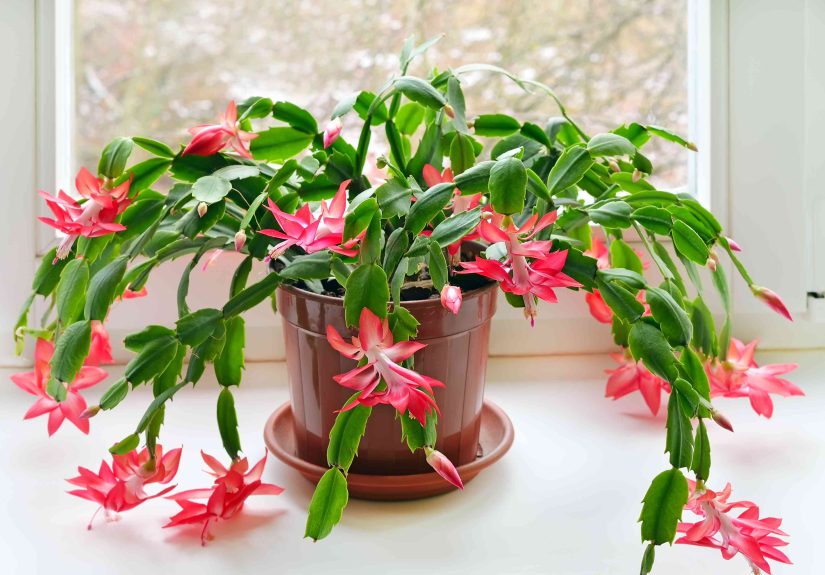
A healthy Christmas cactus should look like a cheerful green waterfallplump segments that drape, not flop. So if those “leaves” (they’re actually flattened stems) are limp, your plant is waving a tiny green flag that says: “Something’s off.”
The good news: limp segments are usually caused by a handful of fixable care issues. The goal is to figure out which onebecause “water more” and “water less” are both common advice, and only one of them will be right for your plant today.
Quick truth: Christmas cactus isn’t a desert cactus
Christmas cactus (Schlumbergera) is often called a “jungle cactus.” It evolved in humid, filtered light, growing in airy pockets of debris rather than dense garden soil. That’s why it prefers bright indirect light, an airy, well-draining mix, and watering that’s thorough but not constant.
Step 1: Is it limp… or just naturally droopy?
As stems grow longer, a Christmas cactus naturally arches and cascades. That can be normal. Worry when you see wilt + softness (squishy segments) or wilt + wrinkling (deflated, puckered segments), especially with color changes, a sour-smelling pot, or sudden segment drop.
Step 2: Read the clues like a plant detective
Here’s the fastest way to narrow it down:
- Soil is wet + plant is limp: roots may be stressed (overwatering, poor drainage, or early root rot).
- Soil is dry + plant is limp: dehydration (underwatering or soil that won’t absorb water evenly).
- Soil seems “okay” but limp persists: look at light, humidity, temperature swings, rootbound issues, or salt buildup.
Two quick tests: (1) Stick a finger 2 inches into the mixcool and damp means wait; dry means water. (2) Lift the potlight usually means dry, heavy usually means moist. These are surprisingly accurate and cost exactly $0.
Step 3: The most common cause is water stress (both directions)
Overwatering and poor drainage (the silent root-suffocator)
If the soil stays wet for days, the pot feels heavy, and segments feel soft or slightly translucent, overwatering is the prime suspect. Constant wetness can deprive roots of oxygen and encourage fungi. Then the plant wilts because damaged roots can’t absorb water properlyso it looks thirsty while sitting in wet soil. Plants are dramatic like that.
Signs of overwatering/root issues:
- Soil remains damp for a long time after watering
- Soft, limp segments (sometimes yellowing or browning)
- A sour smell, mold on the soil surface, or fungus gnats
- Limpness that doesn’t improve after normal watering
Fix it (step-by-step, no guesswork):
- Stop watering until the top portion of the mix dries.
- Remove standing water from saucers or cachepots. “Wet feet” is a root-rot invitation.
- Check the pot and mix. A drainage hole is non-negotiable, and the mix should drain freely (not stay soggy like a sponge left in a sink).
- If you suspect rot, inspect roots. Slide the plant out. Healthy roots are usually lighter colored and firm. Rotting roots tend to be dark, mushy, or stringy.
- Trim damage. Use clean scissors to remove rotten roots. If the base of the plant is mushy, trim back to firm tissue.
- Let it breathe. Allow the root ball to air-dry for several hours before repotting.
- Repot in fresh, airy mix (for example: quality potting mix + perlite/pumice + orchid bark). Use a pot only slightly larger than the root ball.
- Aftercare: wait 2–4 days before watering, then water thoroughly and let it drain completely.
Common overwatering trap: a decorative outer pot with no drainage. If you love the look, keep the cactus in a nursery pot with holes inside the decorative pot. Water at the sink, let it drain, then return itno swamp required.
Underwatering (or soil that won’t re-wet evenly)
If the soil is bone-dry, the pot feels feather-light, and segments look wrinkled or thinner, dehydration is likely. Winter heating can speed this up. Another twist: old potting mix can become hydrophobic, so water runs down the sides and out the bottom without actually soaking the root zone.
Fix it:
- Water deeply until water runs out the drainage hole, then drain completely.
- Bottom-water once if the soil resists water: set the pot in a bowl of water for 15–30 minutes, then drain well.
- Stabilize the routine. After rehydrating, water again only when the mix is partly dry (not bone-dry every time, and not wet all the time).
Pro tip: After a big dry spell, don’t “make up for it” with frequent watering. That’s how dehydrated plants accidentally get drowned. Rehydrate, then return to a moderate rhythm.
Step 4: Fix the conditions that keep the plant limp
Light: bright is good; harsh direct sun is not
Holiday cacti like bright light, but long stretches of hot direct sun can stress or scorch segments, leading to limpness and pale/yellow or reddish coloration. Aim for bright, indirect light. If you only have strong sun, use a sheer curtain or move the plant a few feet back from the window.
Humidity: think “tropical,” not “toaster oven”
Dry indoor air can contribute to limp, stressed growth, especially in winter. If your home humidity drops a lot, try a pebble tray, grouping plants, or a small humidifier nearby. (Light misting can help short-term, but don’t keep the plant constantly wet.)
Temperature swings and drafts
Cold drafts from windows/doors and hot blasts from vents can stress the plant and worsen drooping. Choose a spot with stable temperatures and keep it away from heaters, fireplaces, and drafty doors.
Rootbound: when the roots run out of space
Holiday cacti tolerate being slightly snug, but a severely rootbound plant can struggle to take up water efficientlyso it droops even when you’re watering “correctly.” If roots are circling tightly or poking out drainage holes and the mix dries out unusually fast, repot after bloom or in spring. Size up only 1–2 inches in diameter to avoid excess wet soil.
Soil compaction: the hidden “watering correctly, still limp” problem
Potting mix can break down over time, becoming dense and airless. That can cause both extremes: it may hold too much water near the roots (rot risk) or it may repel water and channel it down the sides. If your plant is older and the mix feels compacted, refreshing the soil in spring can make a big difference.
Salt buildup from fertilizer or hard water
White crust on the soil surface or pot rim can mean salts building up. Salts irritate roots and can contribute to limpness or stalled growth.
- Flush occasionally: run water through the pot for a minute, let it drain fully, then empty the saucer.
- Fertilize lightly: during active growth (spring/summer) use a diluted houseplant fertilizer; pause during rest.
- Consider filtered water if your tap water is very hard.
Pests: not the usual culprit, but check anyway
Spider mites, mealybugs, scale, and aphids can stress a Christmas cactus, especially in dry indoor air. Look for fine webbing, cottony clusters, sticky residue, or small bumps along stems. If you spot pests, isolate the plant and treat with insecticidal soap or horticultural oil according to label directions, repeating as needed.
A 5-minute diagnosis checklist
- Feel the segments: soft/mushy = likely too wet; wrinkled/thin = likely too dry.
- Test the soil: dry several inches down? water. Wet and cool? wait.
- Lift the pot: light = dry; heavy = still moist.
- Scan the environment: harsh sun, vents, drafts, or very dry air?
- If limp persists, check roots for rot, compaction, or severe rootbinding.
Prevention that actually works
Once your cactus rebounds, keep it that way with these habits:
- Water by need, not by date: let part of the mix dry, then water thoroughly and drain.
- Use an airy mix + drainage hole: soggy soil is the fastest path to limpness.
- Keep light bright but indirect, and avoid repeated relocations.
- Repot sparingly (often every few years), and only size up a little.
Seasonal note (why your watering needs change)
Many plants slump a bit after blooming and during winter rest. In that phase, growth slows and the soil dries more slowly, so overwatering becomes easier. In spring and summer, the plant usually grows more actively and may dry faster. Adjust to what the soil is doingyour cactus doesn’t own a calendar, so you shouldn’t either.
Conclusion: limp leaves are a clue, not a verdict
Most limp Christmas cactus segments trace back to watering stress, drainage problems, harsh sun, dry air, drafts, compacted/rootbound pots, or salt buildup. Diagnose with a quick touch-and-soil check, fix one major issue at a time, and give your plant a couple of weeks to respond. Christmas cactus is surprisingly resilientonce you stop accidentally turning its pot into either a swamp or a sand dune.
Experiences From Real Homes: What Limp Christmas Cactus Leaves Often Mean
Here are a few common “this really happens” scenarios you can compare to your own plant. They’re not rare at allholiday cacti are famous for looking dramatic before they bounce back.
1) The schedule-waterer who loved their plant a little too much
One owner watered every Saturday, no matter what. The soil never dried, and water sat in the saucer. The cactus turned floppy, then slightly soft at the base. The fix was simple but not fun: stop watering, empty the saucer every time, and repot into fresh, airy mix after trimming a few rotted roots. Within a couple weeks, new growth looked firmer. The takeaway: “consistent” is greatunless it’s consistently wet.
2) The “it’s a cactus, it wants neglect” myth
Another plant lived near a bright window and got watered only when someone remembered. Segments became wrinkled and thinner, and the pot felt light as a feather. A deep watering helped, but the real breakthrough was bottom-watering once to rehydrate water-repellent soil. After that, checking the mix every week or so (and watering when partly dry) kept segments plump again. The takeaway: Christmas cactus wants a rhythm, not abandonment.
3) The south-window sunburn surprise
A cactus was moved into hot direct sun for “more light.” It didn’t die, but it looked stressedpaler, a little reddish, and noticeably droopier. Moving it back to bright, indirect light (plus a sheer curtain) helped it stabilize. The takeaway: bright indirect light is the sweet spot; intense direct sun can cause limp regret.
4) The cozy winter house that was secretly too dry
In a heated home, the plant wasn’t clearly over- or underwatered, but it still looked less perky. Adding a pebble tray and running a small humidifier improved things over the next couple of weeksespecially when combined with watering based on soil feel rather than a calendar. The takeaway: if the air feels dry enough to bother your skin, your “jungle cactus” may want humidity help too.
If one of these sounds familiar, match the symptoms, make one major correction, and give the plant time to respond. Most Christmas cacti don’t need heroic measuresjust fewer surprises.