Table of Contents >> Show >> Hide
- What Is Ile Saint-Louis Linen Tape Trim, Exactly?
- The Design Story: Paris Mood, American Craft
- The Specs That Matter (Before You Commit)
- Where Ile Saint-Louis Linen Tape Trim Works Best
- 1) Leading Edge on Drapery Panels
- 2) Roman Shade Border
- 3) Pillow Banding (The Fastest “Designer Upgrade”)
- 4) Upholstery Skirts and Seat Edges
- 5) Bedding Details
- 6) Table Linens and Napkins (Yes, Really)
- 7) Lampshade and Sconce Trim
- 8) Cabinet Curtains and Café Curtains
- 9) Wall Panels and Soft Architectural Details
- How to Apply Linen Tape Trim Without Losing Your Mind
- Styling Playbook: What to Pair It With
- Care & Longevity: What to Expect From Linen Tape Trim
- Buying & Planning: Samples, Yardage, and Lead Time
- FAQ
- Conclusion: A Small Detail That Changes the Whole Room
- Real-World Experiences With Ile Saint-Louis Linen Tape Trim (The Extra )
Some home details whisper. Others shout. Ile Saint-Louis Linen Tape Trim does that rare, designer-approved third thing: it speaks clearlywithout being loud. Think of it as the crisp white button-down of trims: polished, relaxed, and somehow appropriate for both a Parisian entryway fantasy and the very real chaos of daily life (pets, kids, takeout, repeat).
In this guide, we’ll break down what Ile Saint-Louis linen tape trim actually is, why the materials matter, where it shines (and where it really shouldn’t), and how to apply it so your curtains don’t end up looking like they lost a fight with a glue gun.
What Is Ile Saint-Louis Linen Tape Trim, Exactly?
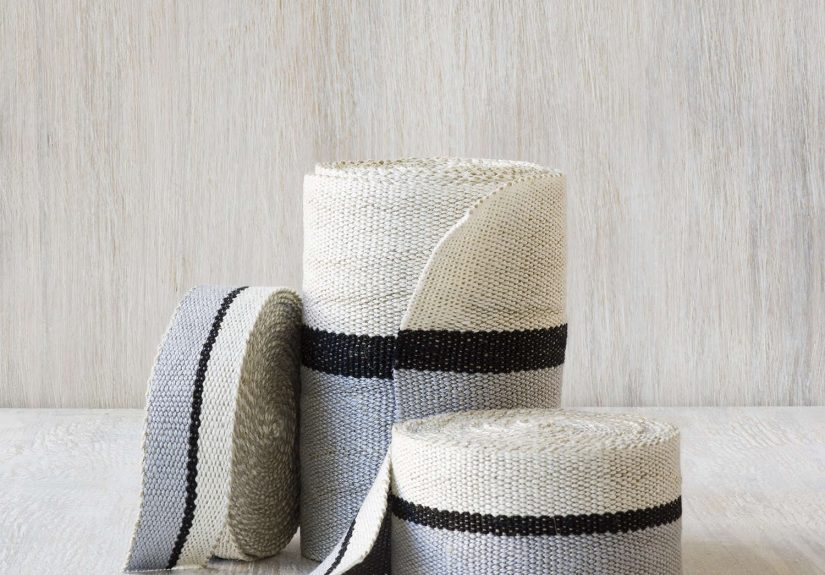
Ile Saint-Louis is a handwoven linen tape trim known for a calm, graphic paletteoften described as a balanced mix of white, black, and silvery blue. It’s a tape-style trim (flat, woven, and structured) rather than a fringe or rope cord, so it creates clean edges and modern lines. If fringe is the chandelier, this trim is the architectural lighting: intentional, precise, and quietly expensive-looking.
The core appeal is the linen weave itselfnatural texture, subtle irregularity, and a matte finish that plays well with other textiles. It’s refined without feeling fussy, which is a polite way of saying: it won’t make your sofa look like it’s auditioning for a historical drama.
The Design Story: Paris Mood, American Craft
The name nods to Île Saint-Louis, the small island neighborhood in Paris known for its intimate scale and old-world calm. That vibe shows up in the trim’s aesthetic: restrained contrast, soft-toned color, and a sense of order that feels like it has excellent posture.
What makes the story more interesting is the making. This trim is tied to a craft tradition: handweaving on Swedish looms, with production in the United States. In other words, it’s not a “print that looks woven.” It’s woventhread by threadwith the kinds of small variations and texture you only get from actual human hands doing actual human work.
The Specs That Matter (Before You Commit)
Material: 100% Linen
Linen is a workhorse fiber with a reputation for strength and longevity, and it brings a signature look: slightly crisp, naturally textured, and comfortably matte. Linen also wrinkles and relaxes over timeless “pristine showroom” and more “lived-in but intentional,” which is what most of us are going for anyway.
Widths: Pick the Scale That Matches the Job
Ile Saint-Louis is commonly offered in three widths, and the right choice depends on how close people will be to it and how bold you want the detail:
- Narrow (about 1″): Best for subtle edging, banding on pillows, and refined leading edges on drapery.
- Medium (about 1 7/8″): The sweet spot for Roman shades, drapery borders, and medium-scale upholstery details.
- Wide (about 4 5/8″): A statement border for curtains, big-scale shades, and places where you want the trim to be a design featurenot an afterthought.
Color & Pattern: High Contrast Without Harshness
Black-and-white trims can sometimes look stark, like a tuxedo in a room full of sweatpants. Ile Saint-Louis avoids that problem by softening the contrast with silvery blue tones and the natural texture of linen. The result: graphic, but not aggressive. Clean, but not clinical.
Where Ile Saint-Louis Linen Tape Trim Works Best
This is a trim that loves structure. Give it edges, seams, borders, and places where a clean line improves the architecture of a piece. Here are smart, high-impact uses:
1) Leading Edge on Drapery Panels
Add the trim along the inner edge of each curtain panel (the side that overlaps at center). When the drapes are open, you get a crisp vertical line that frames the window. When they’re closed, the trim reads like tailored pipingsharp, elegant, and very “yes, I meant to do that.”
2) Roman Shade Border
Roman shades are basically rectangles with ambitions. A linen tape trim border gives them a finished, designed lookespecially in kitchens, breakfast nooks, and bedrooms where you want pattern, but not a circus.
3) Pillow Banding (The Fastest “Designer Upgrade”)
Wrap the trim around a pillow face as a border, or add a horizontal band across the front. This pairs beautifully with solid linen, cotton, performance weaves, and even velvet if you like contrast (soft plush + crisp tape = a very satisfying combo).
4) Upholstery Skirts and Seat Edges
Use it to define a skirt hem, hide a seam, or add structure at the bottom edge of a bench cushion. It can visually “ground” a piece of furniture and make it feel custom, not mass-produced.
5) Bedding Details
On duvet covers, shams, or bed skirts, this trim can create that boutique-hotel lookespecially if you keep the base fabric calm (solid white, natural linen, pale gray, or soft blue).
6) Table Linens and Napkins (Yes, Really)
Linen tape trim on a runner or napkin edge is understated and elevated. It’s also a “How is your dining table always ready for a photoshoot?” kind of detail.
7) Lampshade and Sconce Trim
If you like small upgrades with big payoff, adding tape trim to a lampshade edge is an instant glow-up. Keep the trim width proportionalnarrow or medium tends to work best.
8) Cabinet Curtains and Café Curtains
In kitchens and pantries, a simple café curtain with a structured linen tape border can look intentional and freshespecially in spaces where you want softness without heavy drapery.
9) Wall Panels and Soft Architectural Details
Fabric wall panels, acoustic panels, and upholstered headboards all benefit from a clean border. This trim plays nicely with modern interiors where detail needs to look deliberate, not decorative-for-decorative’s-sake.
How to Apply Linen Tape Trim Without Losing Your Mind
There are two main routes: sew (most durable, cleanest finish) or no-sew (faster, still looks great if you do it right). The “right” method depends on where the trim lives and how much handling it will get.
Option A: Sewing (Best for Drapery, Upholstery, High-Traffic Pieces)
- Press first. Iron both the base fabric and the trim so you aren’t stitching wrinkles into your future.
- Pin or baste. A straight, even placement is the whole pointdon’t eyeball it unless you enjoy regret.
- Stitch close to both edges. A neat double-stitch line reads tailored and keeps the tape flat.
- Handle corners like a grown-up. Miter corners for a polished finish, or fold/overlap thoughtfully so the pattern stays aligned.
Option B: No-Sew / Low-Sew (Best for Quick Curtain Upgrades, Some Shades)
For DIY curtain trim tape projects, people often use fusible web or fabric glue. The key is restraint: too much adhesive can seep through edges and stiffen the trim. If you’re going this route, test on a scrap first. (Testing is boring, but so is peeling glue off linen at midnight.)
- Fusible web: Great for straight runs; apply heat carefully and evenly.
- Fabric glue: Works well if applied in thin, controlled lines; clamp or weight while drying.
- Hybrid approach: Fuse for placement, then add a few discreet hand stitches at stress points (top corners, ends, folds).
Pro Tip: Stop Fraying Before It Starts
Linen can fray, especially at cut ends. Use a tiny amount of fray check, fold ends under, or plan seams so raw edges are hidden. Your future self will thank youand your vacuum will stop collecting “mystery threads.”
Styling Playbook: What to Pair It With
Modern Minimal
Pair Ile Saint-Louis with solid white linen curtains, pale oak furniture, warm neutrals, and matte black hardware. The trim becomes your graphic element without introducing a busy pattern.
Coastal, But Not “Theme Restaurant” Coastal
Use the silvery blue tones as a bridge to soft blues, sea-glass greens, and sandy neutrals. Add texturewoven baskets, natural rugs, light woodsand let the trim provide structure.
Classic With a Sharp Edge
Put it on tailored Roman shades in a traditional space. The black-and-white detail reads classic; the linen texture keeps it from feeling overly formal.
Care & Longevity: What to Expect From Linen Tape Trim
Linen is durable and ages well, but it’s still a natural fiber. For installed trims (curtains, upholstery, shades), dry cleaning is often recommendedespecially when the trim is part of a larger piece that shouldn’t be tossed into a washing machine like gym socks.
Also: placement matters. Use this trim where it won’t be constantly abradedlike the front edge of a sofa seat that gets daily denim friction, or the arm of a chair that doubles as a snack shelf. Linen is strong, but it is not invincible.
Buying & Planning: Samples, Yardage, and Lead Time
Because this is a premium, craft-driven trim, planning helps. Designers often order samples first to confirm scale and color, then calculate yardage with extra for pattern alignment and corner turns. If you’re trimming drapery panels, don’t forget: you’ll need enough tape for both panels (and usually both leading edges).
If the trim is woven to order or offered through trade channels, expect lead timesespecially if you’re requesting customization. The upside is worth it: the finished detail looks intentional, not generic.
FAQ
Is Ile Saint-Louis linen tape trim “modern” or “traditional”?
Yes. (Annoying answer, but true.) Its clean geometry reads modern, while the linen texture and classic palette can lean traditional. It depends on what you pair it with.
Which width should I choose?
If you’re unsure, start with medium. Narrow is subtle and tailored; wide is a statement. Medium is the “looks designed but not costume-y” middle ground.
Can I use it for DIY projects?
Absolutelyespecially curtains, pillows, and simple borders. If you’re using adhesives, test first and keep glue minimal for a clean finish.
What’s the biggest mistake people make with tape trims?
Choosing a width that fights the scale of the item. Tiny trim on huge drapes can disappear; oversized trim on small café curtains can look heavy. Match trim scale to the “visual weight” of the object.
Conclusion: A Small Detail That Changes the Whole Room
Ile Saint-Louis Linen Tape Trim is the kind of finishing touch that makes a room look “done” without screaming for attention. It’s structured, textural, and versatileideal for drapery, Roman shades, upholstery accents, and polished DIY upgrades. If you want a clean, graphic edge softened by natural linen character, it’s hard to beat.
Real-World Experiences With Ile Saint-Louis Linen Tape Trim (The Extra )
People who use this trim tend to have the same first reaction: “Oh. This feels different.” Not in a mystical, crystal-charging waymore in a “my fingers can tell this wasn’t churned out like disposable ribbon” way. The texture has that linen honesty: slight variation, a matte surface, and enough body to lay cleanly along an edge without collapsing into a limp noodle. That structure is exactly why it’s so satisfying on curtains and shades. You press it, place it, and it behaves. (You know: like we all wish our to-do lists would.)
One of the most common “aha” moments shows up when people compare widths in person. Online, a 1-inch tape and a 1 7/8-inch tape can look pretty similar. In a room, they don’t. The narrow width reads like a tailored accentgreat for leading edges on drapery panels where you want just a crisp line. The medium width starts to feel like a design feature: it frames, it defines, it tells your fabric, “Stand up straight, we’re going somewhere.” The wide width is its own category: it doesn’t whisper; it delivers a confident, architectural border that can make simple linen curtains look custom and expensiveeven if the base panels were originally “budget-friendly and emotionally needy.”
Another consistent experience: the trim is surprisingly forgiving in styling. People expect black-and-white elements to feel stark, but the silvery blue tone and the linen weave soften the contrast. That means it plays well with warm whites, oatmeals, pale grays, and natural woodswithout looking like you’re trapped in a monochrome spreadsheet. In coastal rooms, it reads breezy and crisp. In modern spaces, it reads sharp and intentional. In classic rooms, it reads like a tailored update rather than a trend.
Installation stories are where the lessons get practical. Sewists tend to love it because it holds a line: pin it, stitch it, and the result looks professional. DIYers who prefer no-sew methods often learn the same rule: less adhesive is more. A thin, controlled application keeps the edges clean and avoids bleed-through. People who take the extra five minutes to press and measure usually end up with curtains that look boutique-level. People who skip that step… often end up with “charming handmade character,” which is a polite phrase that means “why is this line wiggling?”
Over time, the trim tends to age gracefullyespecially on curtains and pillows where it isn’t constantly scraped by daily friction. The linen texture continues to look natural and elevated, not shiny or plastic. And because the pattern is graphic but restrained, it doesn’t fatigue quickly. Months later, it still feels intentional, not trendy. The overall experience can be summed up like this: Ile Saint-Louis doesn’t try to be the whole outfit. It’s the perfectly fitted belt that makes the outfit look finishedand quietly convinces everyone you have your life together.