Table of Contents >> Show >> Hide
- What Is an Audoux-Minet Rope Table Lamp?
- What Makes an Audoux-Minet Lamp So Desirable?
- Original, Attributed, or “In the Style Of”?
- Typical Sizes, Materials, and Construction Details
- Audoux-Minet Rope Table Lamp Price Guide
- How to Style an Audoux-Minet Rope Table Lamp at Home
- Condition, Rewiring, and Care Tips
- Is an Audoux-Minet Rope Table Lamp Worth It?
- Experiences With an Audoux-Minet Rope Table Lamp in Real Interiors
- Conclusion
Some lamps brighten a room. An Audoux-Minet rope table lamp brightens a room and makes your guests ask, “Wait… is that lamp wrapped in rope on purpose?” (Yes. Very much on purpose.) These sculptural French lamps, associated with design duo Adrien Audoux and Frida Minet, have become favorites among collectors, interior designers, and anyone who loves the sweet spot between rustic texture and mid-century sophistication.
If you’re researching one to buy, style, or simply admire from a safe financial distance, this guide breaks down what makes these lamps special, how to read listings carefully, what affects value, and how to live with one without treating it like a museum relic. Think of this as your practical, design-savvy field guide to a lamp that somehow looks both beachy and couture.
What Is an Audoux-Minet Rope Table Lamp?
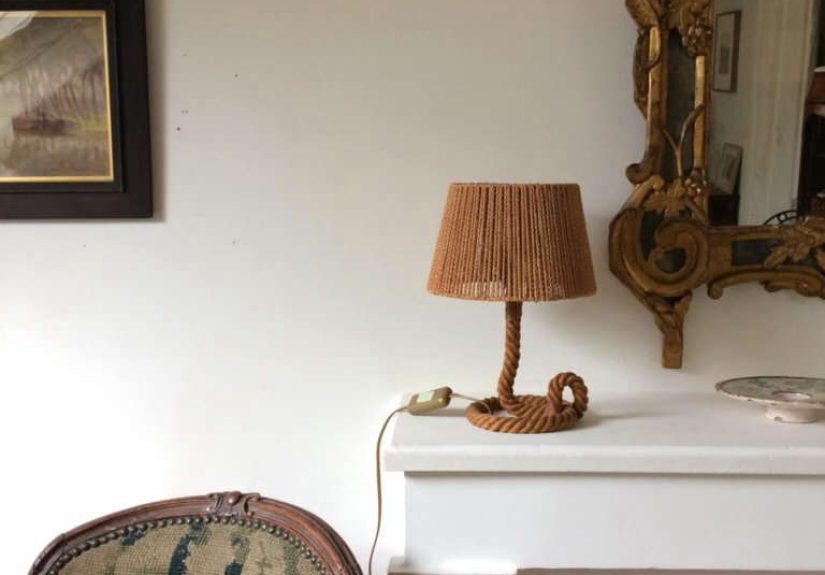
The term usually refers to a vintage French table lamp made in the spirit of (or attributed to) Adrien Audoux and Frida Minet, a mid-20th-century French design duo known for working with natural materials such as rope, wicker, and bamboo. Their work is admired for its tactile, handcrafted feel and for turning humble materials into elegant, sculptural furniture and lighting.
In the lamp category, “Audoux-Minet” pieces often feature rope as the main visual language: coiled bodies, wrapped stems, looped or twisted forms, braided details, and bases that look almost hand-drawn in three dimensions. Instead of hiding construction, these designs celebrate it. You see the material. You feel the craftsmanship. You immediately understand why people fall for them.
Why Rope Works So Well in Lighting
Rope is warm, textured, and visually forgiving. It softens hard interiors and adds depth to minimal rooms. Put one of these lamps on a sleek stone console and suddenly the space feels less “architect’s rendering” and more “someone actually lives here.”
It also plays beautifully with natural paletteslinen, oak, plaster, travertine, aged brass, and matte ceramics. That’s why the Audoux-Minet rope table lamp keeps showing up in interiors that lean organic modern, coastal European, French country, or collected eclectic.
What Makes an Audoux-Minet Lamp So Desirable?
1) The Sculptural Silhouette
These lamps are not just “rope-wrapped lamps.” The best examples have a confident, almost architectural form: spiral bases, arched or twisted stems, stacked coils, or looped rope compositions that read like small sculptures even when switched off.
2) Material Honesty
In a world full of faux finishes, an Audoux-Minet-style rope lamp feels refreshingly honest. Rope looks like rope. Wear looks like wear. Patina is not a marketing termit’s part of the charm. Minor age marks often enhance character, especially on older French pieces.
3) Design History Appeal
Collectors aren’t just buying a lamp; they’re buying into a larger design story: postwar European craft, natural-material modernism, and the enduring appeal of pieces that sit comfortably between folk craft and refined interior design. That blend is hard to fake well, and easy to love.
Original, Attributed, or “In the Style Of”?
Here’s where smart shopping matters. Listings for an Audoux-Minet rope table lamp often use different attribution labels: “by Audoux-Minet,” “attributed to Audoux-Minet,” or “in the style of Audoux-Minet.” Those phrases are not interchangeable, and your budget should know that.
How to Read the Listing Language
By Audoux-Minet usually implies the seller is identifying the piece as an original design by the duo.
Attributed to Audoux-Minet means the seller sees strong stylistic evidence, but documentation may be incomplete.
In the style of Audoux-Minet means the lamp echoes the look but may be later, unsigned, or by another maker.
None of these is automatically “bad.” An in-the-style lamp can be gorgeous and useful. But the attribution level affects collectibility, resale value, and how much confidence you should require from the seller.
Quick Buyer Checklist Before You Purchase
- Ask about provenance: Where was it sourced? Estate, dealer network, auction, or private collection?
- Confirm dimensions: Rope lamps can look bigger in photos than they are in real life (and vice versa).
- Check rewiring details: Vintage French lamps are often rewired for U.S. usethis is common and usually a plus.
- Ask what is included: Base only? Original shade? New custom shade for reference?
- Request close-ups: Look for rope fraying, separation, staining, repairs, or uneven rewinds.
- Verify stability: Sculptural bases are beautiful, but a wobbly lamp is a stress test no one asked for.
Typical Sizes, Materials, and Construction Details
One reason shopping this category is fun (and mildly chaotic) is that there’s no single “standard” Audoux-Minet rope table lamp. You’ll see petite examples that read like decorative accents, and larger statement pieces that can anchor a console or sideboard.
Common listing details include:
- Materials: rope, natural fiber, textile rope, fabric or linen shades, and sometimes glass elements
- Origin: frequently listed as France
- Period: often mid-century, especially 1950s–1960s
- Condition notes: patina, age-appropriate wear, rewired sockets, or replacement shades
In real-world listings, you’ll also see a lot of variation in height and footprint. Some petite rope lamps are under a foot tall, while larger examples can reach the mid-20-inch range or beyond depending on the form and shade. This is why measuring your surface and wall height first is essential. “It looked small online” is the vintage-lighting version of “I thought the sofa would fit.”
Audoux-Minet Rope Table Lamp Price Guide
Let’s talk moneygently. The Audoux-Minet rope lamp price can vary widely based on attribution, scale, condition, rarity, and whether you’re buying from a high-end design dealer, marketplace seller, or auction platform.
What Affects Price the Most?
- Attribution confidence (documented original vs. style piece)
- Form and scale (small/petite lamps vs. dramatic sculptural examples)
- Condition and wiring (professionally rewired pieces usually command more)
- Shade inclusion (especially if a custom or period-appropriate shade is included)
- Dealer positioning (curated design galleries often price higher than mixed marketplaces)
Based on current marketplace and dealer listings, you can find:
- Smaller or simpler examples in the lower four figures
- Mid-range sculptural pieces in the roughly $1,500–$3,000 zone
- Higher-end, strongly attributed, or standout forms priced above that range
You’ll also see pair pricing and “in the style of” listings that can make comparisons tricky. In other words, don’t compare one petite lamp with a small base to a tall, heavily sculpted example and assume one seller is overpricing. Sometimes they are. Sometimes you’re just comparing apples to artisan rope sculptures.
How to Style an Audoux-Minet Rope Table Lamp at Home
Best Rooms for the Look
These lamps are surprisingly versatile. They work beautifully in:
- Living rooms: on side tables, consoles, or built-ins where texture matters
- Bedrooms: especially when paired with linen bedding and wood case goods
- Entryways: as a warm first impression on a chest or narrow console
- Reading nooks: where soft light and tactile materials make the space feel inviting
Great Pairings
To make a rope lamp sing, pair it with materials that contrast without competing:
- Plaster walls or limewash finishes
- Dark wood for contrast and depth
- Travertine or marble for a high-low texture mix
- Ceramics with matte or sandy glazes
- Linen shades in warm white, flax, or oatmeal tones
If your room already has a lot of wicker, rattan, jute, and woven everything, a rope lamp can still workbut you’ll want cleaner shapes elsewhere so the space feels curated rather than like a charmingly upscale basket store.
Shade Tips
Many vintage rope lamps are sold with replacement shades or no shade at all. A new shade isn’t a flawit’s often practical. If you’re choosing one, look for:
- Simple tapered or drum silhouettes
- Linen, silk, or parchment-like textures
- Warm, not icy-white tones
- A scale that lets the rope form remain the star
The lamp should feel like a sculpture with a soft halo, not a costume piece wearing a hat three sizes too big.
Condition, Rewiring, and Care Tips
What to Check Before Buying
- Rope integrity: Look for loose wraps, unraveling ends, brittle fibers, or obvious glue repairs.
- Odor and storage wear: Vintage natural fibers can absorb smells from storage environments.
- Metal hardware/socket updates: Ask whether rewiring was recent and compatible with U.S. voltage.
- Switch placement and cord exit: Make sure it functions comfortably in your intended location.
- Base stability: Especially important for looped or asymmetrical silhouettes.
How to Care for a Rope Lamp
Rope and dust are close friends, so regular care matters. Use a soft, dry brush (or a vacuum with a brush attachment on low suction) to remove dust gently. Avoid soaking, aggressive cleaners, or anything that leaves residue. If the rope is fragile, treat it like a vintage textile, not patio furniture.
For electrical issues, skip the DIY hero moment and use a qualified lamp repair specialist. A properly rewired vintage lamp is a joy. A “sort of rewired” lamp is a suspense thriller.
Is an Audoux-Minet Rope Table Lamp Worth It?
If you love pieces with texture, history, and personality, yesan Audoux-Minet rope table lamp can absolutely be worth it. It offers something many mass-market lamps don’t: a distinct point of view. It feels collected, not generic. It adds warmth without being visually heavy. And it plays nicely with both refined and relaxed interiors.
The key is buying with clear expectations:
- If you want a collectible, prioritize attribution, provenance, and condition.
- If you want the look, focus on silhouette, craftsmanship, and scaleeven an “in the style of” piece may be perfect.
- If you want a daily-use lamp, confirm rewiring and functionality first.
In short: buy the best example your budget allows, but buy the one you genuinely love looking at. This category is as emotional as it is technical, and that’s part of its magic.
Experiences With an Audoux-Minet Rope Table Lamp in Real Interiors
One of the most interesting things about living with an Audoux-Minet-style rope table lamp is how quickly it changes the tone of a room. Even in a clean, modern apartment with sharp lines and minimal decor, the lamp introduces softness. Not softness in brightness only, but in attitude. The room starts to feel more human. Less staged. More like a place where someone reads actual books instead of arranging them by color and pretending they’re “design objects” (though, to be fair, both can happen).
Designers often love these lamps because they solve a common styling problem: how to add texture without adding clutter. A rope lamp can do that on its own. Put it on a console with a ceramic bowl and one framed piece of art, and you suddenly have a layered vignette that looks intentional. Put the same lamp next to polished stone or lacquer, and the contrast becomes the whole point. It’s one of those rare pieces that works hard while looking effortless.
Another common experience is realizing how much the shade choice affects the mood. A crisp white shade can make the lamp feel more tailored and contemporary. A warm flax linen shade leans softer and more rustic. A slightly tapered shade often flatters coiled or twisted rope bases because it echoes the handcrafted character without stealing the spotlight. People sometimes buy the lamp for the base and then spend more time than expected choosing a shadeand honestly, that’s time well spent.
Owners also notice that these lamps attract conversation from people who do not normally comment on furniture. Even guests who can’t tell Art Deco from mid-century modern will spot the rope and ask about it. That’s a good sign. The lamp reads as unusual, but not alienating. It has design credibility without feeling precious. It’s the visual equivalent of wearing something tailored with great texture: distinct, relaxed, and quietly confident.
There are practical lessons, too. Rope texture can collect dust faster than a smooth ceramic or metal base, so regular light cleaning becomes part of the routine. And if the lamp is vintage, rewiring matters more than romance. A beautiful French lamp with unreliable wiring is still a problem. Many collectors are perfectly happy with rewired examples because functionality improves while the visual character remains intact. In fact, a professionally serviced lamp usually feels easier to enjoy day to day.
Finally, there’s the long-term experience: these lamps tend to age gracefully in a home. They don’t usually feel trendy six months later. If anything, they blend in more naturally over time while continuing to add warmth and sculptural interest. People often move them from room to roombedside table, entry console, living room sideboardand the lamp keeps working in each setting. That kind of versatility is rare, especially in statement lighting. So yes, an Audoux-Minet rope table lamp may begin as a design crush, but for many buyers, it ends up being a forever favorite.
Conclusion
The Audoux-Minet rope table lamp stands out because it combines craft texture, sculptural form, and real decorating flexibility. Whether you’re hunting for a documented original, a well-attributed vintage piece, or a beautiful lamp in the same spirit, the smartest approach is simple: check attribution language carefully, verify condition and wiring, compare dimensions, and choose a form that genuinely fits your space.
Buy with your eyes and your checklist. That’s how you end up with a lamp that looks incredible, works safely, and still makes you smile every time you switch it on.