Table of Contents >> Show >> Hide
- What Is Konigsberger Klopse?
- Why This Recipe Works
- German Meatballs in Gravy (Konigsberger Klopse) Recipe
- How to Get the Best Flavor (Without Making It Complicated)
- Common Mistakes and How to Avoid Them
- What to Serve with Konigsberger Klopse
- Variations You Can Try
- Storage, Reheating, and Food Safety Tips
- Why This Dish Deserves a Spot in Your Rotation
- Experience Notes: What It’s Like to Make and Serve German Meatballs in Gravy at Home (500+ Words)
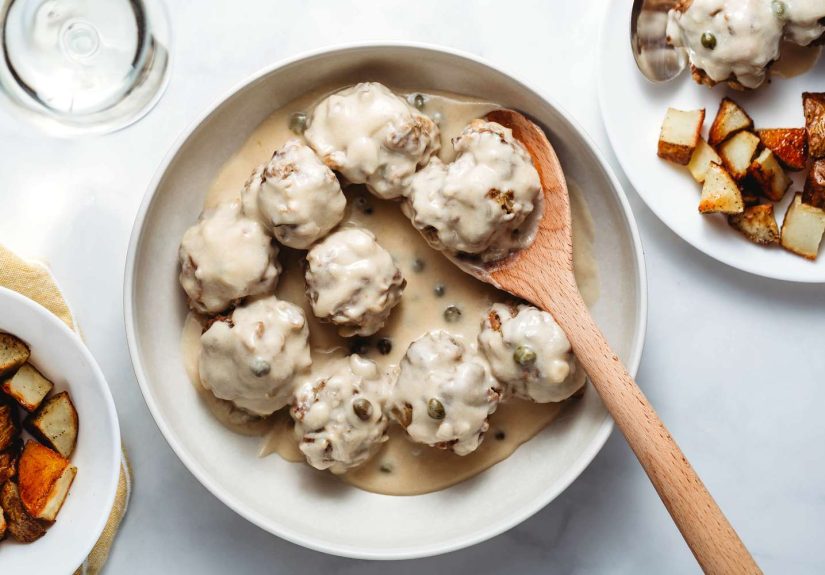
If your idea of comfort food is “something cozy, saucy, and impossible to eat politely,” welcome home. Konigsberger Klopse (also spelled Königsberger Klopse) are classic German meatballs gently poached and served in a creamy, lemony, caper-forward gravy. It’s the kind of dish that feels fancy on a weeknight and reassuring on a rainy Sunday. In other words: dinner with excellent manners and a little swagger.
This version keeps the traditional soul of the dishtender meatballs, a silky white gravy, capers for brightnesswhile using easy-to-find ingredients and clear steps for American home kitchens. I’ll walk you through what makes the dish special, how to avoid common mistakes, and exactly how to serve it so nobody leaves the table disappointed (or sauce-less).
What Is Konigsberger Klopse?
Konigsberger Klopse are German meatballs traditionally associated with the former city of Königsberg (historically in East Prussia, now Kaliningrad). The dish is known for a few unmistakable features:
- Poached meatballs (not browned first)
- A pale, creamy gravy made from the cooking liquid
- Capers and lemon for a briny, tangy finish
- Classic pairings like boiled potatoes, mashed potatoes, and beets
Older versions often used veal. Modern home cooks commonly use a beef-and-pork mix because it’s flavorful, tender, and much easier to find. Some traditional recipes also include anchovy or anchovy paste in the meat mixture. Before you panic: it doesn’t make the meatballs taste fishy. It just deepens the savory flavor like a tiny culinary secret agent.
Why This Recipe Works
1) A Beef-and-Pork Mix Gives Better Texture
Ground beef brings meaty flavor, while pork adds richness and tenderness. The combination makes meatballs that stay juicy after poaching. If you use only beef, avoid very lean meat or you may end up with “historic” meatballsinteresting, but dry.
2) Gentle Simmering Keeps the Meatballs Intact
A rolling boil can break delicate meatballs apart. A low, gentle simmer cooks them evenly and keeps the broth clear enough to become a beautiful gravy base.
3) The Gravy Uses the Poaching Liquid
This is where the magic happens. Instead of plain stock, the sauce gets flavor from the meatball cooking liquid, which carries onion, bay, meat juices, and seasoning. It tastes layered, not flat.
4) Capers + Lemon Balance the Cream
The sauce is creamy, but it should never feel heavy. Capers and lemon cut through the richness and give the dish its signature “bright comfort food” personality.
German Meatballs in Gravy (Konigsberger Klopse) Recipe
Recipe Snapshot
- Prep Time: 25 minutes
- Cook Time: 30 minutes
- Total Time: About 55 minutes
- Yield: 20–24 meatballs
- Servings: 4–6
Ingredients
For the Meatballs
- 1 pound ground beef (80/20 preferred)
- 1 pound ground pork
- 1 medium onion, divided (half grated, half left in chunks for broth)
- 1/2 cup plain breadcrumbs (or 2 slices day-old bread, soaked and squeezed)
- 1/4 cup heavy cream (or milk)
- 1 large egg
- 2 to 3 anchovy fillets, finely minced (optional but recommended)
- 1 1/2 teaspoons kosher salt
- 1/2 teaspoon black pepper
- Pinch of ground nutmeg (optional)
For the Poaching Broth
- 6 cups water or low-sodium beef broth (or a mix of both)
- 1/2 onion (the reserved half), chunked or quartered
- 1 bay leaf
- 6 whole black peppercorns
- 2 teaspoons kosher salt (adjust if using salted broth)
- 1–2 juniper berries, lightly crushed (optional)
For the Caper-Lemon Gravy
- 3 tablespoons unsalted butter
- 3 tablespoons all-purpose flour
- 2 cups strained poaching liquid
- 1/2 cup heavy cream (or sour cream for a tangier finish)
- 2 tablespoons capers, drained
- 1 tablespoon caper brine (optional, but great for extra zing)
- 1 to 2 tablespoons fresh lemon juice, to taste
- 1 teaspoon Dijon mustard (optional)
- Pinch of sugar (optional, helps round the acidity)
- Salt and pepper, to taste
- 1 egg yolk (optional, for extra richnessdo not boil after adding)
For Serving (Traditional-ish and Delicious)
- Boiled potatoes, mashed potatoes, or potato purée
- Pickled beets or beet salad
- Chopped parsley or chives
Step-by-Step Instructions
1) Build the Meatball Mixture
In a large bowl, combine the breadcrumbs and cream. Let it sit for 2–3 minutes so the crumbs soften. Add the ground beef, ground pork, grated half onion, egg, anchovy (if using), salt, pepper, and nutmeg. Mix gently with your hands just until combined.
Tip: Don’t overmix. You’re making meatballs, not stress balls.
2) Shape the Meatballs
Wet your hands slightly and form the mixture into golf-ball-sized meatballs (about 20–24). Place them on a tray or plate. If the mixture feels too sticky, chill it for 10 minutes before shaping.
3) Prepare the Poaching Liquid
In a wide pot or Dutch oven, add the water/broth, reserved onion half, bay leaf, peppercorns, and salt. Bring to a gentle simmer over medium heat. You want movement in the pot, not a full boil.
4) Poach the Meatballs
Lower the meatballs in one at a time. Simmer gently for 12–18 minutes, depending on size, until cooked through. Remove with a slotted spoon and keep warm.
Strain and reserve at least 2 cups of the poaching liquid for the gravy.
5) Make the Gravy
In a separate saucepan, melt the butter over medium heat. Whisk in the flour and cook for 1–2 minutes to make a pale roux (don’t brown it). Slowly whisk in the reserved poaching liquid until smooth.
Add the cream, capers, caper brine, lemon juice, and Dijon (if using). Simmer gently for 4–5 minutes until slightly thickened. Taste and adjust with salt, pepper, lemon, or a tiny pinch of sugar.
6) Optional: Finish with Egg Yolk (Traditional Touch)
If using egg yolk, whisk it in a small bowl with a spoonful of warm sauce first (to temper it), then stir it into the gravy off the heat or over very low heat. Do not let the sauce boil after this step, or it may curdle.
7) Combine and Serve
Return the meatballs to the gravy and warm gently for 2–3 minutes. Serve over potatoes and spoon extra sauce on top. Add parsley or chives and a side of beets.
How to Get the Best Flavor (Without Making It Complicated)
Use Capers, Even If You’re Unsure
Capers are not optional in spirit, even if they’re optional on paper. They’re the defining flavor that makes this dish taste like Konigsberger Klopse and not just “meatballs in white sauce.” Start with 2 tablespoons, then add more next time if you love the briny pop.
Anchovy Is a Flavor Booster, Not a Fish Announcement
Many classic versions include anchovy or anchovy paste. You won’t bite into a fishy surprise. Instead, you’ll get a richer, more savory meatball that tastes like somebody’s grandmother knows exactly what she’s doing.
Don’t Skip the Strained Broth
The sauce should be built from the poaching liquid whenever possible. It’s what gives the gravy depth and ties the whole dish together.
Common Mistakes and How to Avoid Them
1) Boiling the Meatballs Too Hard
Problem: Meatballs fall apart or get tough.
Fix: Keep the liquid at a gentle simmer. Think “quiet hot tub,” not “volcanic spa.”
2) Overmixing the Meat
Problem: Dense, springy texture.
Fix: Mix until just combined. Stop when the mixture holds together.
3) Lumpy Gravy
Problem: Flour clumps in the sauce.
Fix: Add broth gradually while whisking constantly. If needed, strain the gravy and keep going like nothing happened.
4) Curdled Sauce
Problem: Sauce separates after adding cream or egg yolk.
Fix: Use low heat and avoid boiling after adding dairy or egg yolk.
What to Serve with Konigsberger Klopse
Classic Pairings
- Boiled potatoes: Traditional and perfect for soaking up gravy
- Mashed potatoes: Cozy, fluffy, and crowd-friendly
- Pickled beets: A bright, sweet-sour contrast
Good Modern Pairings
- Buttered egg noodles (less traditional, very comforting)
- Rice (great if that’s what’s in your pantry)
- Green beans or carrots for a lighter plate
- Cucumber salad for a cool, fresh side
Variations You Can Try
More Traditional Version
Use part veal in place of some beef or pork. Add anchovy paste and finish the sauce with egg yolk for a more classic texture and flavor.
Tangier Sauce Version
Use sour cream instead of heavy cream and add a splash of white wine to the gravy. This creates a brighter, slightly more old-world flavor profile.
Weeknight Shortcut
Use all beef, skip the egg-yolk finish, and serve with mashed potatoes made ahead. Still delicious, just less ceremony.
Storage, Reheating, and Food Safety Tips
How Long It Lasts
Store cooled meatballs and gravy in an airtight container in the refrigerator for up to 3–4 days. For best texture, keep the sauce and potatoes separate if possible.
Freezing
You can freeze the meatballs and gravy for up to 2–3 months for best quality. Thaw overnight in the refrigerator before reheating. The sauce may loosen slightly after thawing, but a quick whisk over low heat usually brings it back together.
Reheating
Reheat gently on the stove over low heat, stirring often. Add a splash of broth, milk, or water if the gravy thickened too much in the fridge. Heat leftovers until steaming hot. For extra peace of mind, use a thermometer and reheat leftovers to 165°F.
Ground Meat Safety Note
When making fresh meatballs, cook ground meat thoroughly. A food thermometer is your friend here. For home cooking, ground meat should reach 160°F.
Why This Dish Deserves a Spot in Your Rotation
Konigsberger Klopse hits a rare sweet spot: it tastes old-fashioned in the best way, but the ingredients are simple and affordable. It feels special enough for guests, yet practical enough for a Tuesday. And unlike some “traditional” recipes that demand a shopping trip, a history lesson, and emotional resilience, this one is actually doable.
If you like Swedish meatballs, chicken piccata, or anything with a creamy sauce and a bright finish, this German classic is absolutely worth making. Just make extra gravy. Trust me on this. Silence at the table usually means success, but silence plus everyone scraping plates means you’ve really done it.
Experience Notes: What It’s Like to Make and Serve German Meatballs in Gravy at Home (500+ Words)
One of the most enjoyable things about making Konigsberger Klopse at home is how the dish changes your kitchen mood in stages. At first, it feels like a straightforward meatball recipe. You chop an onion, mix meats, and shape little rounds. Nothing dramatic. Then the poaching begins, and suddenly the whole kitchen smells like a calm, savory broth rather than a frying pan. That difference matters. It feels gentler, almost old-fashioned, and it gives the cooking process a slower rhythm that a lot of people find surprisingly relaxing.
There’s also a small moment of doubt that many home cooks experience the first time: “Wait, I’m not browning these?” If you’re used to Italian-style meatballs or skillet meatballs, poaching can seem suspiciously polite. But once the meatballs hold together and the broth starts picking up flavor, it clicks. The dish is building itself in layers. The meatballs cook, yes, but they also season the liquid that later becomes the gravy. It feels efficient in a deeply satisfying waylike the recipe is quietly smarter than it first appears.
Another common experience is the caper hesitation. People who have never cooked much with capers often open the jar, smell that briny aroma, and wonder if they’re about to ruin dinner. Then the capers go into the creamy sauce with lemon, and the entire dish comes into focus. That bright, salty tang cuts through the richness and makes the sauce feel lively instead of heavy. It’s usually the point where someone standing near the stove says, “Ohhh, okay, now I get it.”
Serving this dish creates a very specific kind of dinner-table reaction. The first look is usually curiosity because the gravy is pale and not what people expect from the word “gravy.” Then comes the first bite, and the reaction changes fastespecially when it’s served over mashed potatoes or boiled potatoes that soak up the sauce. People tend to describe it as comforting but different, familiar but new. It often reminds them of Swedish meatballs, but with a brighter, sharper flavor from the lemon and capers. That comparison helps nervous eaters take the leap.
It’s also a great recipe for cooks who enjoy “cozy hosting.” You can make the meatballs and sauce ahead, then gently reheat everything while guests arrive. It smells wonderful without requiring last-minute searing, splattering, or panic. Add potatoes and a beet salad, and suddenly dinner looks like you planned your life very well, even if you absolutely did not.
Families often end up personalizing the recipe after the first try. Some people add more lemon for a brighter sauce. Others use sour cream instead of heavy cream. Some go all-in on anchovy and capers; others make a milder version for kids and put extra capers on the table. That flexibility is part of the charm. Konigsberger Klopse feels traditional, but it doesn’t punish you for cooking like a real person with preferences, schedules, and whoever happened to finish the last onion yesterday.
And maybe that’s the best experience this dish offers: it teaches patience without being fussy. You simmer instead of rush. You taste and adjust instead of following a rigid formula. By the time you sit down, the meal feels both comforting and earnedlike something you cooked with intention, not just assembly. That’s a pretty good return for a pot of meatballs and gravy.