Table of Contents >> Show >> Hide
- Step 1: What kind of “dolor de oido” are we talking about?
- Red flags: when home remedies should take a back seat
- 9 remedios caseros for ear pain that are actually worth your time
- 1) Warm compress (the classic “grandma knew what she was doing” move)
- 2) Cold compress (because inflammation sometimes needs a chill pill)
- 3) OTC pain relief: acetaminophen or ibuprofen (the “let’s function like a human” option)
- 4) Sleep position: elevate your head (yes, gravity is a home remedy)
- 5) Steam or humidifier (turn your bathroom into a low-budget spa)
- 6) Saline nasal spray or gentle rinse (because the ear and nose are roommates)
- 7) “Pop your ears” safely: swallow, yawn, chew gum (the polite ways to equalize pressure)
- 8) Hydration + warm fluids (your mucus is mostly water, and it acts like it)
- 9) Jaw/neck relaxation (for when your earache is actually your jaw’s fault)
- What to avoid (aka: please don’t audition for an ER story)
- A quick “pick the right remedy” guide
- Neat conclusion (with a reality check)
- Experiences people commonly have with “dolor de oido” (and what they learn the hard way)
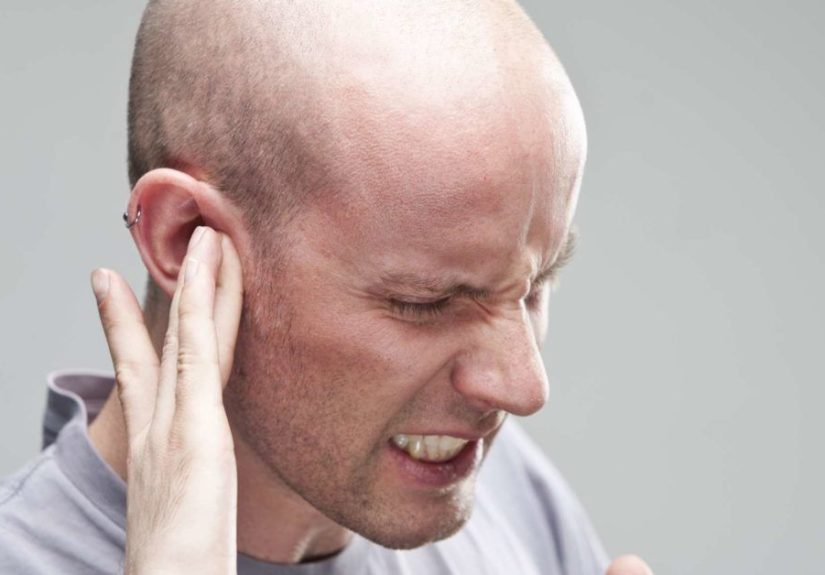
Ear pain (a.k.a. an earache, a.k.a. dolor de oido) has one job: to ruin your day with the enthusiasm of a toddler who just discovered tambourines.
The tricky part is that “ear pain” is a symptom, not a diagnosis. Sometimes it’s pressure. Sometimes it’s an infection. Sometimes it’s your jaw being dramatic.
The good news: there are several safe, evidence-based home moves that can help you feel better while your body does its thing (or while you wait to be seen).
Important: This article is for general education, not a substitute for medical care. If you’re unsure, in severe pain, or symptoms are escalating,
call a clinician. Ears are small, but they can hold big grudges.
Step 1: What kind of “dolor de oido” are we talking about?
Before you reach for a “remedio casero,” do a 30-second detective check. Different causes respond to different home strategies:
Pressure / “my ear won’t pop” (often after flying, allergies, or a cold)
- Feels full, muffled hearing, popping/crackling.
- Often tied to nasal congestion and Eustachian tube dysfunction.
Middle ear infection (more common after a cold, especially in kids)
- Throbbing pain, fever, irritability, trouble sleeping, reduced hearing.
- Sometimes improves in a couple of days without antibiotics, but not always.
Swimmer’s ear (outer ear canal irritation/infection)
- Pain when you tug the outer ear or press the little flap (tragus).
- Itchiness, drainage, tenderness after swimming or water exposure.
Earwax / irritation
- Fullness, muffled hearing, sometimes mild discomfort (not usually intense pain).
- Often worsened by cotton swabs (yes, even the “gentle” ones).
Referred pain (jaw/TMJ, teeth, throat)
- Ear feels sore, but the ear itself may be fine.
- Jaw clicking, tooth pain, sore throat, neck tension can “broadcast” pain to the ear.
Red flags: when home remedies should take a back seat
Skip the DIY phase and seek urgent medical advice if you have any of the following:
- Severe pain, or pain that’s getting worse over 24–48 hours
- Fever that’s high or persistent, especially with a child who looks very unwell
- Fluid/pus/blood draining from the ear
- Sudden hearing loss, significant dizziness/vertigo, or severe headache
- Swelling/redness behind the ear, ear sticking out more than usual, or neck stiffness
- A baby under 6 months with suspected ear infection symptoms
- Recent ear surgery, ear tubes, known or suspected ruptured eardrum
9 remedios caseros for ear pain that are actually worth your time
These are the “safe bets” that major medical organizations commonly recommend for symptom relief. They won’t magically delete an infection,
but they can dial down pain and pressure while you recover.
1) Warm compress (the classic “grandma knew what she was doing” move)
Gentle heat can soothe pain, relax surrounding muscles, and feel surprisingly comforting.
Use a warm (not hot) washcloth, heating pad on low (with a towel barrier), or a warm water bottle.
- Apply to the outer ear area for 10–20 minutes.
- Repeat a few times a day as needed.
- Safety: Don’t sleep on a heating pad; avoid high heat (burn risk).
2) Cold compress (because inflammation sometimes needs a chill pill)
If the ear feels inflamedespecially with swimmer’s ear or irritationa cool pack can reduce swelling and numb discomfort.
Wrap an ice pack (or a bag of frozen peas living their best life) in a cloth.
- Try 10 minutes on, 10 minutes off.
- Some people like alternating warm and cool compresses.
3) OTC pain relief: acetaminophen or ibuprofen (the “let’s function like a human” option)
Over-the-counter pain relievers are often the first-line recommendation for ear pain from infections or inflammation.
Follow label directions, and use the right product for your age and health conditions.
- Acetaminophen can help pain and fever.
- Ibuprofen helps pain, fever, and inflammation (often a win for earaches).
- Kid safety: Never give aspirin to children/teens recovering from viral illness due to the risk of Reye’s syndrome.
4) Sleep position: elevate your head (yes, gravity is a home remedy)
Lying flat can worsen pressure and make pain feel louder at night. Propping your head up may help drainage and reduce throbbing.
This is especially helpful with middle-ear pressure after a cold.
- Use an extra pillow, or raise the head of the bed slightly.
- If one ear hurts, many people feel better sleeping with the painful ear up (not pressed into the pillow).
5) Steam or humidifier (turn your bathroom into a low-budget spa)
If your ear pain is connected to congestion, moist air may help loosen mucus and reduce Eustachian tube blockage.
A humidifier in the bedroom or a steamy shower can be a surprisingly effective comfort tool.
- Try 5–10 minutes of warm shower steam.
- Or use a cool-mist humidifier at night (clean it regularly).
- Tip: Keep the steam comfortableno face-melting temperatures required.
6) Saline nasal spray or gentle rinse (because the ear and nose are roommates)
Your middle ear connects to the back of your throat via the Eustachian tube. When your nose is congested, your ear can feel like it’s wearing earmuffs made of glue.
Saline spray can help clear nasal passages and ease pressure-related dolor de oido.
- Use store-bought saline spray as directed.
- If you do nasal irrigation, use distilled or previously boiled water, and keep devices clean.
7) “Pop your ears” safely: swallow, yawn, chew gum (the polite ways to equalize pressure)
For pressure changes (flying, altitude, congestion), the simplest moves can help:
- Swallow frequently (sipping water helps).
- Yawneven a fake yawn can work.
- Chew gum or suck on lozenges (kids can sip or use age-appropriate options).
If you’re an adult and comfortable trying it, a gentle Valsalva maneuver (pinch nose, close mouth, blow softly) can help open the tube.
Key word: softly. You’re not trying to inflate a party balloon with your skull.
8) Hydration + warm fluids (your mucus is mostly water, and it acts like it)
When ear pain is tied to a cold or allergies, staying hydrated can help keep secretions thinner and easier to clear.
Warm tea or broth won’t “cure” an ear infection, but it can make you feel more comfortable and support recovery.
- Water first; warm tea/broth for comfort.
- If you have fever, fluids matter even more.
- Bonus: warm liquids can soothe a sore throat that’s contributing to referred ear pain.
9) Jaw/neck relaxation (for when your earache is actually your jaw’s fault)
TMJ dysfunction, teeth grinding, or tight neck muscles can refer pain to the ear. If your jaw clicks, feels sore,
or pain spikes with chewing, add these gentle strategies:
- Apply a warm compress to the jaw hinge area.
- Try soft foods for 24–48 hours (give the jaw a vacation).
- Do gentle neck stretches and posture resets (yes, your phone-neck can be a villain).
- Consider an OTC night guard if you grind your teeth (or ask your dentist).
What to avoid (aka: please don’t audition for an ER story)
Skip ear candling
Ear candling is not a “natural detox.” It’s a “how did wax get stuck in my ear canal?” situation.
It has been associated with burns, blockage, and even perforated eardrums. Hard pass.
Don’t put random liquids in your ear “just to see what happens”
If you might have a ruptured eardrum (severe pain, drainage, sudden relief after intense pain, recent trauma, ear tubes),
putting drops or solutions in the ear can be risky. When in doubt, keep the ear dry and get evaluated.
Stop using cotton swabs inside the ear canal
Cotton swabs are excellent at two things: pushing wax deeper and irritating delicate skin.
They can also injure the canal or eardrum. Clean the outside only.
Be cautious with hydrogen peroxide and “earwax hacks”
In some cases, 3% hydrogen peroxide is used to help soften wax, but it can irritate the ear canal and should be avoided if you suspect a perforation,
active infection, or significant pain. If wax might be the issue, consider calling a clinician for safe removal.
A quick “pick the right remedy” guide
If the pain started after flying or a mountain drive
- Chew gum/yawn/swallow (Remedy #7)
- Steam + saline spray if you’re congested (Remedies #5 and #6)
- OTC pain relief if needed (Remedy #3)
If you just had a cold and now your ear feels full and achy
- Warm compress + elevation at night (Remedies #1 and #4)
- Hydration + humidifier (Remedies #5 and #8)
- Saline nasal spray (Remedy #6)
If your ear hurts when you touch it and you’ve been swimming
- Cold or warm compress + OTC pain relief (Remedies #1/#2 and #3)
- Keep the ear dry; avoid earbuds and scratching
- Get medical advice if pain is significant or there’s drainage (swimmer’s ear often needs medicated drops)
If chewing makes it worse or your jaw clicks
- Jaw warmth, soft foods, gentle neck work (Remedy #9)
- OTC pain relief if appropriate (Remedy #3)
- Consider dental input if it keeps returning
Neat conclusion (with a reality check)
The best home remedies for dolor de oido aren’t exoticthey’re practical:
compresses, safe pain relief, better sleep positioning, hydration, and pressure-equalizing techniques when congestion is the culprit.
If symptoms are severe, persistent, or paired with red flags (drainage, high fever, sudden hearing loss, serious dizziness),
don’t “tough it out.” Your ear is not a place to gamble.
Experiences people commonly have with “dolor de oido” (and what they learn the hard way)
Ear pain has a funny way of showing up at the worst possible momentlike 11:47 p.m. the night before a big presentation,
or halfway through a road trip when the nearest “clinic” is a suspicious vending machine that only sells jerky and sunglasses.
If you’ve ever wondered why earaches feel so dramatic, you’re not imagining it: your ear is full of sensitive structures in a tight space,
and pressure or inflammation can feel intense fast.
One of the most common stories goes like this: someone catches a basic coldnothing heroic, just sniffles and a scratchy throat.
Two days later, they notice muffled hearing and that “underwater” sensation, like their head is a fishbowl.
At night, the ache gets louder. They try to sleep it off, but lying flat turns the volume up.
This is where the boring remedies win: elevating the head, using a humidifier, and saline spray often bring real relief.
Many people are surprised that helping the nose can help the ear, but the plumbing is connected.
Another classic experience is the “airplane betrayal.” You chew gum like a champ on takeoff, feeling smug.
Then descent hits, and one ear refuses to pop out of sheer stubbornness. Suddenly every swallow feels like a tiny drum solo behind your eardrum.
People often panic and blow too hard trying to equalize pressure. The lesson: gentle pressure-equalizing techniques are your friend,
and forcing it can make things worse. If you’re congested, steam and saline before a flight can help; during descent, slow swallows and yawns beat brute force.
Swimmer’s ear has its own personality: it’s the one that hurts when you touch your ear, put in earbuds, or even chew.
People often describe it as “the outside of my ear is mad at me.” It might start as mild itchiness after a pool day,
then graduate into full-on pain once the ear canal gets inflamed.
A common mistake is going back in with cotton swabs “to dry it out,” which basically gives bacteria a free renovation crew.
The most helpful early move is keeping the ear dry and using compresses for comfort, but if pain ramps up,
many discover that proper medicated drops are what finally turns things around.
Then there’s the sneaky one: jaw-related ear pain. People swear it’s an ear infectionuntil someone asks,
“Does it get worse when you chew?” Cue the realization that they’ve been stress-clenching their jaw like they’re trying to crush diamonds.
A few days of soft foods, warm compresses on the jaw hinge, posture fixes (hello, laptop hunch), and maybe a night guard can make a bigger difference than any ear drop.
It’s a humbling reminder that the ear is sometimes just the messenger, not the troublemaker.
Finally, many people learn a universal truth: if there’s drainage, high fever, sudden hearing loss, or severe dizziness,
home remedies are no longer the main event. The best “experience-based” advice is knowing when to stop experimenting and get evaluated.
The goal of these 9 remedios caseros isn’t to replace medical careit’s to make you comfortable, safely,
while your body heals or while you get the right treatment.