Table of Contents >> Show >> Hide
- How Spanish Terms of Endearment Work (So You Don’t Accidentally Invent a New Enemy)
- Quick Pronunciation Cheats (No PhD Required)
- The 90+ Spanish Terms of Endearment List (With Meanings + Best-Use Notes)
- A) The Classics (Sweet, Safe, and Always in Style)
- B) Compliment Nicknames (When You Want to Gas Them Up)
- C) Cute & Cozy Vibes (Cuddly Without Being Corny)
- D) Animal Nicknames (Because “My Little Bear” Is a Whole Mood)
- E) Sweet Treat Nicknames (Dessert, But Make It Spanish)
- F) Playful & Regional-Flavor Nicknames (Use With Consent and Context)
- How to Pick the Right Spanish Pet Name for Your Partner
- Examples You Can Copy-Paste (Without Sounding Like a Robot)
- Common Mistakes to Avoid (A.K.A. “Please Don’t Text This to Your Partner at 2 a.m.”)
- Real-Life Experiences With Spanish Terms of Endearment (500+ Words, Because Love Is in the Details)
- Conclusion
Want to level up your flirtingwithout sounding like you swallowed a romance novel whole? Spanish terms of endearment are
warm, melodic, and wildly flexible. One minute you’re saying mi amor (my love) like a classic,
the next you’re dropping mi media naranja (my other half) like you’re starring in a feel-good
streaming series.
This guide gives you 80+ Spanish pet names you can use for your partner, plus practical notes on
pronunciation, vibe, and when to use what. Because nothing kills the mood faster than confidently calling someone a
nickname that accidentally means… not what you thought it meant.
How Spanish Terms of Endearment Work (So You Don’t Accidentally Invent a New Enemy)
1) “Mi” makes it extra affectionate
Adding mi (“my”) turns many words into instant sweet-talk: cielo → mi cielo,
amor → mi amor. It’s not “ownership,” it’s closenesslike saying “my dear.”
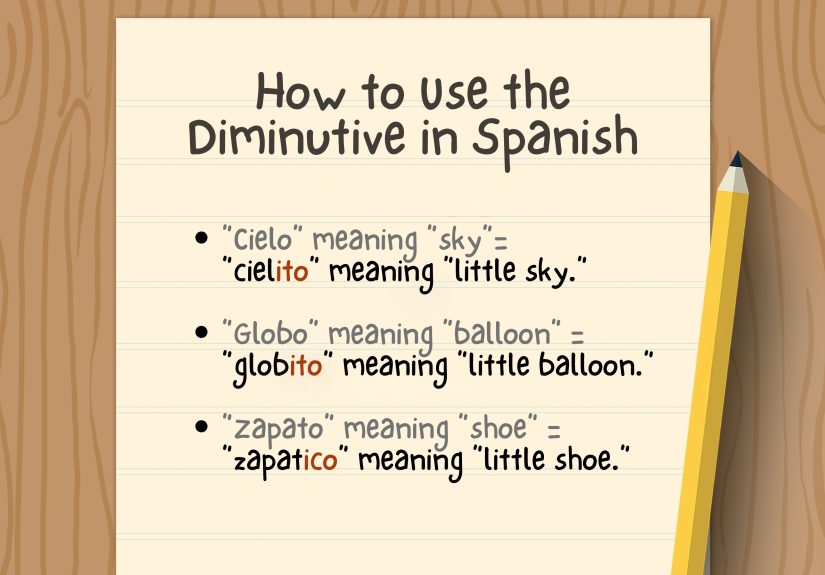
2) Diminutives make it cuter
Spanish loves tiny endings that mean “little” or “cute,” like -ito/-ita and -cito/-cita:
amor → amorcito, corazón → corazoncito.
Think of it as putting a sweater on the word.
3) Some words change with gender (and some don’t)
Many adjectives change: guapo / guapa, lindo / linda.
But lots of nouns used as nicknames stay the same regardless of who you’re addressing (for example, cariño is commonly used for anyone).
If you’re unsure, choose a “safe” classic like mi amor or cariño.
4) Context matters (a lot)
Some nicknames are romantic, some are family-style, and some are playful teasing that only works if your partner is into it.
The golden rule: use what makes your person smile. If they cringe, switch it upfast.
Quick Pronunciation Cheats (No PhD Required)
- ñ sounds like “ny” in “canyon”: cariño ≈ “kah-REE-nyoh.”
- ll can sound like “y” (or a soft “j” depending on region): mi bella ≈ “mee BEH-yah.”
- Stress often lands near the end unless there’s an accent mark: corazón (koh-rah-SON).
The 90+ Spanish Terms of Endearment List (With Meanings + Best-Use Notes)
Below are options you can actually use in real lifetexts, greetings, compliments, and those moments when you want to be sweet
without making it weird. Pick a few that fit your style and your relationship.
A) The Classics (Sweet, Safe, and Always in Style)
- Amor love (simple and romantic)
- Mi amor my love (the universal favorite)
- Amorcito little love / sweetie (extra cute)
- Amor mío my love (a touch dramaticin a good way)
- Cariño darling / dear (warm, everyday affection)
- Mi cariño my darling (sweet, slightly more intimate)
- Cariñito little darling (adorable in texts)
- Querido dear (classic; also used in letters)
- Querida dear (same vibe, feminine form)
- Mi vida my life (romantic, heartfelt)
- Vida mía my life (more poetic)
- Corazón heart / sweetheart (classic “sweetheart” energy)
- Mi corazón my heart (a little deeper)
- Corazoncito little heart (cute, affectionate)
- Mi cielo my sky / my heaven (very common, very sweet)
- Cielo heaven (short and tender)
- Cielito little heaven (soft, romantic)
- Tesoro treasure (like calling them precious)
- Mi tesoro my treasure (protect-at-all-costs vibes)
- Tesorito little treasure (cute and playful)
- Mi alma my soul (intimateuse when it feels right)
- Mi ángel my angel (sweet, supportive)
- Mi sol my sun (for your human sunshine)
- Mi luna my moon (soft, poetic)
- Mi media naranja my other half (the famous “half an orange” phrase)
- Mi mundo my world (big feelings, big payoff)
B) Compliment Nicknames (When You Want to Gas Them Up)
- Guapo handsome (confident and flirty)
- Guapa beautiful (easy, common, sweet)
- Hermoso gorgeous (a little more intense than guapo)
- Hermosa gorgeous (great for special moments)
- Lindo cute (gentle compliment)
- Linda cute / pretty (everyday sweetness)
- Precioso precious / stunning (romantic and admiring)
- Preciosa precious / stunning (same, feminine form)
- Bonito pretty (soft compliment)
- Bonita pretty (easy and friendly)
- Divino divine (dramaticin a fun way)
- Divina divine (high praise, low effort)
- Rey king (confident hype nickname)
- Mi rey my king (popular in many regions)
- Reina queen (supportive, empowering)
- Mi reina my queen (very common, very sweet)
- Reinita little queen (cute + playful)
C) Cute & Cozy Vibes (Cuddly Without Being Corny)
- Bebé baby (super common, casual)
- Nene baby boy (affectionate; sometimes playful)
- Nena baby girl (same vibe, feminine)
- Mi niño my boy (sweet; context matters)
- Mi niña my girl (sweet; use respectfully)
- Chiquito little one (cute and common)
- Chiquita little one (same, feminine)
- Chiquitín tiny one (extra adorable)
- Chiquitina tiny one (same, feminine)
- Peque short for “small one” (modern and casual)
- Pequeñín little one (cute; often affectionate)
- Pequeñina little one (same, feminine)
- Cosita little thing (affectionate; often paired)
- Cosita linda cute little thing (sweet + flirty)
- Mi preciosa my precious (romantic, admiring)
D) Animal Nicknames (Because “My Little Bear” Is a Whole Mood)
- Osito little bear (cuddly and popular)
- Osita little bear (same, feminine)
- Gatito kitten (cute, playful)
- Gatita kitten (same, feminine)
- Conejito little bunny (sweet and soft)
- Conejita little bunny (same, feminine)
- Pollito little chick (adorable; often playful)
- Pollita little chick (same, feminine)
- Patito duckling (silly-cute)
- Patita duckling (same, feminine)
- Bichito little bug (weirdly cute, surprisingly common)
E) Sweet Treat Nicknames (Dessert, But Make It Spanish)
- Dulce sweetie (short and easy)
- Dulzura sweetness (very affectionate)
- Bombón sweet / bonbon (flirty-cute)
- Bomboncito little sweet (extra sugaryin a good way)
- Caramelito little caramel (rare, but adorable)
- Bizcochito little biscuit / “babycakes” (playful; very nickname-y)
- Pastelito little pastry (cute for a sweet partner)
- Galletita little cookie (cozy and casual)
- Miel honey (simple and sweet)
- Mielito little honey (extra affectionate)
F) Playful & Regional-Flavor Nicknames (Use With Consent and Context)
These can be adorable in the right relationshipand a disaster in the wrong one. If your partner likes teasing humor,
you’re in luck. If not, stick to the classics.
- Flaco “slim” (often affectionate in many countries; ask first)
- Flaca “slim” (same, feminine)
- Gordo “chubby” (can be affectionate culturally, but only if welcomed)
- Gorda “chubby” (same, feminine; consent matters)
- Viejo “old man” (in some places it’s affectionate; don’t use randomly)
- Vieja “old lady” (same caution)
- Loco crazy (playful: “you’re my weirdo,” not an insult)
- Loca crazy (same, feminine)
- Chaparrito shorty (often affectionate in Mexico and beyond)
- Chaparrita shorty (same, feminine)
- Churri sweetie (common in Spain; casual-cute)
- Papi baby / babe (can be flirty; context is everything)
- Mami baby / babe (same caution, same vibe)
- Corazón de melón “melon heart” / sweetie pie (silly, affectionate, memorable)
How to Pick the Right Spanish Pet Name for Your Partner
Match the nickname to the moment
- Everyday affection: cariño, amor, mi vida, mi cielo
- Compliment mode: guapo/guapa, hermoso/hermosa, precioso/preciosa
- Playful texting: amorcito, corazoncito, osito/osita, galletita
- Big feelings: mi alma, mi mundo, amor mío, mi media naranja
Try the “three-text test”
Pick three nicknames that fit your vibe and use each one naturally (not all in one messagedon’t turn your text into a
nickname buffet). If your partner smiles, repeats it back, or uses it on you later, congratulations: you’ve found a keeper.
A note on teasing nicknames
Words like gordo/gorda or flaco/flaca can be affectionate in many Spanish-speaking cultures,
but they’re still body-related in English. If your partner doesn’t love it, don’t push it. Romance should feel like a hug,
not a comment section.
Examples You Can Copy-Paste (Without Sounding Like a Robot)
- Buenos días, cariño. Good morning, darling.
- ¿Cómo estás, mi cielo? How are you, sweetheart?
- Te extraño, mi amor. I miss you, my love.
- Eres mi sol. You’re my sunshine.
- Gracias por hoy, vida mía. Thanks for today, my love.
Common Mistakes to Avoid (A.K.A. “Please Don’t Text This to Your Partner at 2 a.m.”)
- Using intense nicknames too early: mi alma can feel like “we’re naming our future pets” energy.
- Mixing formal and casual vibes: “Estimado señor… amorcito” is hilarious, but maybe not the goal.
- Assuming one country = all Spanish: regional usage varies, and that’s part of the fun.
- Forgetting consent: if a nickname doesn’t land, switchno debate required.
Real-Life Experiences With Spanish Terms of Endearment (500+ Words, Because Love Is in the Details)
In real relationships, Spanish pet names rarely show up as perfectly scripted lines. They’re more like emotional shortcutstiny
phrases that carry a whole mood. People often start using them in the most ordinary situations: sending a good-morning text,
leaving a note on the counter, or calling their partner from the other room when they can’t find the TV remote (the true test of devotion).
One common “gateway nickname” is cariño. It’s warm, low-pressure, and doesn’t feel like you’re auditioning for a soap opera.
It also works beautifully in quick messages: “On my way, cariño,” or “Sleep well, cariño.” The nickname becomes a soft landingespecially after
stressful daysbecause it sounds like reassurance, not performance.
Another real-world pattern: couples build inside jokes around the cuter options. Someone tries osito (little bear) one time,
the other person laughs, and suddenly it’s a thingespecially if it matches their personality (cozy hoodie wearer, champion napper, snack enthusiast).
Food nicknames work the same way. A partner who loves sweets might get bombón or galletita. These nicknames can feel
oddly specific, which is exactly why they’re memorable.
Pronunciation mishaps are also part of the experiencesometimes in the best way. People often overthink accent marks or roll an “r” like they’re trying
to start a lawn mower. The funny part is that a slightly imperfect attempt is usually endearing on its own, because it signals effort. If you’re learning,
it helps to say the nickname out loud once or twice before you use it in the wild. Corazón (koh-rah-SON) is a common “practice word”
because it’s so popularand because it sounds naturally affectionate even when your accent is still loading.
Cultural nuance shows up most with playful nicknames like gordo/gorda or viejo/vieja. In some Spanish-speaking families and couples,
these can be genuinely affectionatemore like “babe” or “my person”and not meant as insults. But in English, they can hit differently. Real-life success comes
from checking the vibe: if your partner jokes that they love it, great. If they hesitate or don’t respond warmly, you pivot. The best pet names are the ones that
feel like a compliment, not a surprise critique.
Many couples also code-switchmixing English and Spanishespecially in texts. You’ll see combinations like “Goodnight, mi amor” or “Miss you, cielito.”
This works because the Spanish nickname adds warmth without requiring the whole conversation to be in Spanish. It’s also practical for couples where one person is
still learning. The nickname becomes a shared mini-language: small, meaningful, and easy to repeat.
If you want an “experienced” approach, treat nicknames like playlists: start with a few solid favorites, see what your partner replays, and skip what they always
skip. Try one classic (mi amor), one cozy (osito), and one compliment (guapo/guapa). If your partner lights up,
you’re not just speaking Spanishyou’re speaking their language.
Conclusion
Spanish terms of endearment are small words with big energy. Whether you pick a classic like mi amor, a cozy nickname like osito,
or a poetic option like mi media naranja, the real magic is how you use it: naturally, kindly, and with your partner’s comfort in mind.
Start simple, stay sincere, and let the best nickname become your relationship’s unofficial mascot.