Table of Contents >> Show >> Hide
- What Makes South Carolina Lawns So Tricky?
- How We Chose the 4 Best Grass Types
- 1. Bermudagrass: Best Overall for Full Sun and Heavy Use
- 2. Centipedegrass: Best Low-Maintenance Pick for Coastal and Lower Piedmont Lawns
- 3. Zoysiagrass: Best Premium Choice for Dense Turf and Partial Shade
- 4. Tall Fescue: Best Cool-Season Option for the Upstate and Upper Piedmont
- Quick Comparison: Which Grass Seed Should You Choose?
- Best Time to Plant Grass Seed in South Carolina
- Common Mistakes That Ruin South Carolina Lawns
- Final Verdict
- Field Notes: Real-World Experiences With South Carolina Lawn Choices
Shopping for the best grass seed for South Carolina can feel a little like online dating for your yard. Everything looks amazing in the listing, every bag promises a thick green carpet, and then July arrives with humidity, heat, and the kind of sunshine that could cook breakfast on a patio chair. Suddenly, the wrong grass choice starts looking very wrong.
The truth is that South Carolina is not a one-grass state. The coast, the Midlands, and the Upstate can behave like three different lawn personalities. Some yards bake in full sun all day. Others spend half their lives under pines, oaks, and that one neighbor’s tree that somehow owns part of your property line emotionally. Add sandy coastal soils, clay-heavy inland spots, traffic from kids and pets, and a few random drought stretches, and picking the right seed matters more than most homeowners expect.
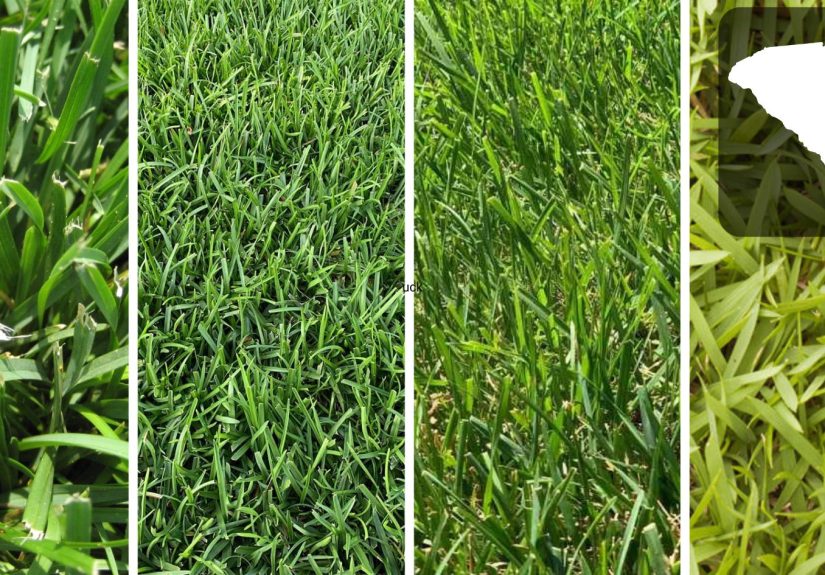
If the goal is a lush lawn that actually stands a chance in South Carolina, four grass types rise above the rest: Bermudagrass, Centipedegrass, Zoysiagrass, and Tall Fescue. Each has a different personality, maintenance level, and comfort zone. One is a sun-loving athlete. One is the laid-back minimalist. One is the polished overachiever. One is the cool-season exception that makes the most sense in the Upstate.
This guide breaks down the best grass seed for South Carolina by climate fit, sunlight needs, soil compatibility, maintenance demands, and real-world usefulness. No fluff, no lawn mythology, and no pretending that one bag of seed can solve every problem from Charleston to Greenville.
What Makes South Carolina Lawns So Tricky?
South Carolina sits in a zone where warm-season grasses dominate, but not every part of the state behaves the same way. In most of the state, warm-season turf is the safe bet because it thrives in hot, humid summers. In the upper Piedmont and mountain areas, though, tall fescue can work well and even stay green when warm-season lawns go winter-brown.
That means the best lawn seed in South Carolina depends on five practical questions:
- How much direct sun does the lawn get?
- Is the yard in the coast, Midlands, or Upstate?
- Is the soil sandy, acidic, compacted, or slow-draining?
- Do you want a low-maintenance lawn or a showpiece lawn?
- Will the grass need to survive kids, dogs, parties, and regular foot traffic?
One more thing matters for a “grass seed” roundup: not every South Carolina lawn grass is commonly established from seed. St. Augustinegrass can be a solid option for some shaded or coastal lawns, but it is usually installed by sod or plugs, not seed. That is why it does not make this particular list. This article focuses on grass types that make sense when the shopping cart starts with seed.
How We Chose the 4 Best Grass Types
These four picks earned their place by balancing climate adaptation, seed availability, durability, lawn appearance, and practicality for South Carolina homeowners.
The shortlist standards
- Climate fit: Can it handle South Carolina heat, humidity, and seasonal swings?
- Seed practicality: Is it realistically grown from seed for home lawns?
- Sun and shade tolerance: Does it match actual yard conditions, not fantasy yards?
- Maintenance demands: Will it require constant babysitting or sensible upkeep?
- Regional fit: Does it work statewide, or only in certain parts of South Carolina?
1. Bermudagrass: Best Overall for Full Sun and Heavy Use
If South Carolina lawns had a varsity captain, Bermudagrass would already be wearing the jacket. It is one of the best grass seed options for hot, sunny, high-traffic yards because it loves heat, handles drought well, and recovers fast from wear.
Why Bermudagrass works in South Carolina
Bermudagrass thrives in full sun and performs especially well in the state’s warm climate. It spreads aggressively through stolons and rhizomes, which means it can fill in damage faster than many other grasses. That makes it a favorite for lawns that see a lot of action, from backyard soccer to dog zoomies to weekend cookouts that somehow always end in somebody standing in the grass with a plate.
Best for
- Full-sun lawns
- Homes with kids and pets
- Coastal and inland sites with heat stress
- Homeowners who want fast coverage and strong wear tolerance
What to love
- Excellent heat tolerance
- Very good drought tolerance
- Strong wear recovery
- Good salt tolerance for some coastal situations
- Available as seed for home lawn establishment
What to watch out for
- Terrible shade tolerance
- Can become invasive around beds and borders
- Often needs more mowing than homeowners expect
- Turns brown in winter dormancy unless overseeded
If your yard gets six to eight or more hours of direct sun and you want a tough, athletic lawn, Bermudagrass is hard to beat. Just do not plant it under dense shade and then blame the seed. That is not a lawn problem. That is a sunlight problem wearing a lawn hat.
2. Centipedegrass: Best Low-Maintenance Pick for Coastal and Lower Piedmont Lawns
Centipedegrass is often called “lazy man’s grass,” which sounds mildly insulting until you realize it is actually a compliment. This grass is popular because it asks for less fertilizer, less mowing, and less drama than many other warm-season options.
Why Centipedegrass works in South Carolina
Centipedegrass is especially well suited to the coastal plain and lower Piedmont, where acidic soils are common. It has a naturally lighter green color, moderate shade tolerance, and a slower growth habit that keeps maintenance manageable. If your dream lawn is “looks good without becoming my part-time job,” Centipedegrass deserves a serious look.
Best for
- Coastal and lower inland South Carolina lawns
- Acidic, sandy, moderately well-drained soils
- Homeowners who prefer lower fertilizer needs
- People who do not want to mow every five minutes
What to love
- Low maintenance
- Good adaptation to acidic soils
- Can be established from seed
- Handles some light shade better than Bermudagrass
- Easygoing appearance that fits casual Southern landscapes
What to watch out for
- Poor traffic tolerance
- Does not like over-fertilization
- Can struggle in compacted soil or heavy shade
- Shallow roots mean irrigation habits matter
Centipedegrass is the friend who shows up on time, keeps expectations realistic, and never starts unnecessary arguments. It will not give you the hyper-manicured golf-course look of some premium lawns, but it can absolutely deliver a healthy, attractive South Carolina yard with less effort.
3. Zoysiagrass: Best Premium Choice for Dense Turf and Partial Shade
Zoysiagrass is what happens when a lawn wants to look fancy but still survive real life. Dense, attractive, and more shade tolerant than Bermudagrass, Zoysia is one of the best grass seed choices for homeowners who want a refined look and better adaptability in mixed sun conditions.
Why Zoysiagrass works in South Carolina
Zoysia handles heat well, tolerates drought once established, and performs in full sun to partial shade. It also creates a dense turf that helps resist weeds and withstands moderate to heavy traffic better than Centipedegrass. In South Carolina, it is a strong option for homeowners who want a lush lawn without going full lawn-obsessed wizard.
Best for
- Lawns with full sun to light shade
- Homeowners wanting a dense, upscale appearance
- Yards that need better traffic tolerance than Centipedegrass
- Sites where drought tolerance matters
What to love
- Dense, beautiful turf
- Better shade tolerance than Bermudagrass
- Good wear and drought tolerance
- Slower growth can mean less mowing than Bermuda
- Seeded cultivars are available for homeowners
What to watch out for
- Seed establishment is slower and trickier than Bermuda
- Many of the best Zoysia lawns establish faster by sod or plugs
- Can build thatch if overfed
- Still goes dormant and brown in winter
For seed shoppers, Zoysiagrass requires more patience than Bermudagrass. This is not the “throw it down and forget it” option. It is the “do it right, water consistently, and trust the process” option. But when it fills in well, it can be one of the most attractive lawns in the neighborhood.
4. Tall Fescue: Best Cool-Season Option for the Upstate and Upper Piedmont
Now for the South Carolina plot twist: not every great lawn in the state needs to be warm-season turf. Tall Fescue is the standout cool-season option, especially in the mountains and upper Piedmont, stretching east toward Columbia. If your lawn is in the Upstate, gets some afternoon shade, and you want year-round green color, Tall Fescue is the strongest contender on the board.
Why Tall Fescue works in South Carolina
Tall Fescue grows best during cooler months, establishes easily from seed, and keeps color when Bermuda, Centipede, and Zoysia are taking their winter nap. Turf-type Tall Fescue varieties also offer improved density and better appearance than older types like Kentucky 31.
Best for
- Upstate and upper Piedmont lawns
- Partly shaded yards
- Homeowners who want winter color
- Sites where warm-season grasses struggle with light exposure or cooler conditions
What to love
- Easy seed establishment
- Good shade tolerance
- Green color through cooler months
- Solid heat and drought tolerance for a cool-season grass
- Strong fit for the transition edge of South Carolina
What to watch out for
- Not a good permanent lawn choice on the coast
- Summer stress can be brutal in hot, exposed locations
- May need fall reseeding to stay thick
- Usually needs more summer irrigation than warm-season turf
Tall Fescue is the grass for people who love the idea of green in January and are willing to respect the fact that July may ask a little more in return. In the right region, though, it can be excellent.
Quick Comparison: Which Grass Seed Should You Choose?
Choose Bermudagrass if:
- Your lawn gets all-day sun
- You need durability and quick recovery
- You do not mind frequent mowing
Choose Centipedegrass if:
- You want a lower-maintenance lawn
- Your soil is sandy and acidic
- You are in the coastal plain or lower Piedmont
Choose Zoysiagrass if:
- You want a denser, more premium-looking lawn
- Your yard has some light shade
- You can be patient during establishment
Choose Tall Fescue if:
- You live in the Upstate or upper Piedmont
- You want winter color
- Your lawn gets partial shade and you can irrigate in summer
Best Time to Plant Grass Seed in South Carolina
Timing is half the battle. Even the best grass seed for South Carolina will fail if planted in the wrong window.
Warm-season grasses
Bermudagrass, Centipedegrass, and seeded Zoysiagrass are best planted in late spring to early summer. In practical terms, early to mid-May is often the sweet spot for getting warm soils without pushing too far into summer stress.
Cool-season grass
Tall Fescue is best established in mid- to late September. Fall seeding gives roots time to develop before the next summer heat test arrives.
Before planting, get a soil test. That step is not glamorous, but it is cheaper than buying the wrong amendments, watering faithfully, and then discovering your soil chemistry was sabotaging the plan the whole time.
Common Mistakes That Ruin South Carolina Lawns
- Planting Bermuda in shade: It wants sun, not filtered optimism.
- Overfeeding Centipedegrass: Dark green is not always healthy with this grass.
- Planting Tall Fescue on the coast: Summer will not be kind.
- Choosing Zoysia without patience: Seeded Zoysia can take time to impress.
- Skipping a soil test: Guesswork is expensive.
- Using the same lawn strategy statewide: Charleston is not Greenville, and your seed choice should know that.
Final Verdict
The best grass seed for South Carolina is not a one-size-fits-all answer, but a region-and-yard-specific decision.
Bermudagrass is the best overall pick for full sun, durability, and classic Southern toughness. Centipedegrass is the smartest low-maintenance choice for acidic soils and easygoing homeowners. Zoysiagrass is the premium pick when you want dense turf and better performance in partial shade. Tall Fescue is the clear winner for the Upstate and upper Piedmont when cool-season color and easier seeding matter most.
If there is one smart move that beats every marketing label on a seed bag, it is matching the grass to your site instead of trying to force your site to match the grass. Do that, and your lawn has a real chance to become lush, durable, and good-looking instead of becoming an annual lesson in regret.
Field Notes: Real-World Experiences With South Carolina Lawn Choices
In real yards, the difference between a good grass choice and a bad one usually shows up fast. A homeowner in a sunny Columbia subdivision may fall in love with the idea of Tall Fescue because it looks green longer, only to discover by late July that the lawn is thirsty, stressed, and patchier than a bargain haircut. Meanwhile, a neighbor a few streets over plants Bermudagrass in the same blazing sun, mows often, and ends up with a lawn that shrugs off heat like it was built for it. Because it was.
Along the coast, the experiences shift again. In sandy soils near Charleston or Myrtle Beach, Centipedegrass often wins people over because it fits the environment naturally. It does not demand constant feeding, and it looks perfectly at home in a relaxed Southern landscape. The mistake many homeowners make is trying to push it into becoming something it is not. They fertilize too much, chase an unnaturally dark green color, and end up with thatch, weakness, or yellowing that looks like the lawn is protesting. In a way, it is. Centipedegrass rewards restraint, not overachievement.
Zoysiagrass experiences are often the most dramatic. People love how dense and polished it looks once established, but they are sometimes surprised by how slowly that payoff arrives from seed. The first few weeks can feel underwhelming, especially if someone is used to fast Bermudagrass germination. Then, over time, Zoysia starts to thicken, smooth out, and create that impressive carpet-like surface that makes people stop and ask what grass it is. The lesson from most Zoysia lawns is simple: impatience is the enemy.
Upstate homeowners tend to have a different story. For them, Tall Fescue often feels like the practical compromise that actually works. In Greenville, Spartanburg, and nearby areas, partly shaded lots and somewhat cooler seasonal patterns give Tall Fescue a fighting chance. Homeowners like the year-round color and the easier seeding process, especially for renovations. But even there, the experiences usually include one important caveat: sunny slopes and brutal summer weeks can still punish Fescue. The lawns that hold up best are the ones that get fall overseeding, proper mowing height, and realistic summer watering.
Another common experience across South Carolina is the sunlight surprise. Many people describe their yard as “part sun,” when it is actually “mostly shade with a few optimistic minutes of brightness.” That misread sends them toward Bermudagrass when they should have looked at Zoysia, Tall Fescue, or even a non-turf groundcover in the darkest zones. Lawns fail there not because the seed was bad, but because the site was never a real fit.
The biggest takeaway from real South Carolina lawn experiences is that success usually looks boring at the beginning. The winning lawns are rarely created by one dramatic weekend of spreading seed and hoping for a miracle. They come from matching the grass to the region, testing the soil, planting in the correct season, mowing at the right height, and resisting the urge to “fix” everything with extra fertilizer. In other words, the best-looking lawns in South Carolina are usually built by homeowners who made a smart decision early and then did not panic halfway through the process.