Table of Contents >> Show >> Hide
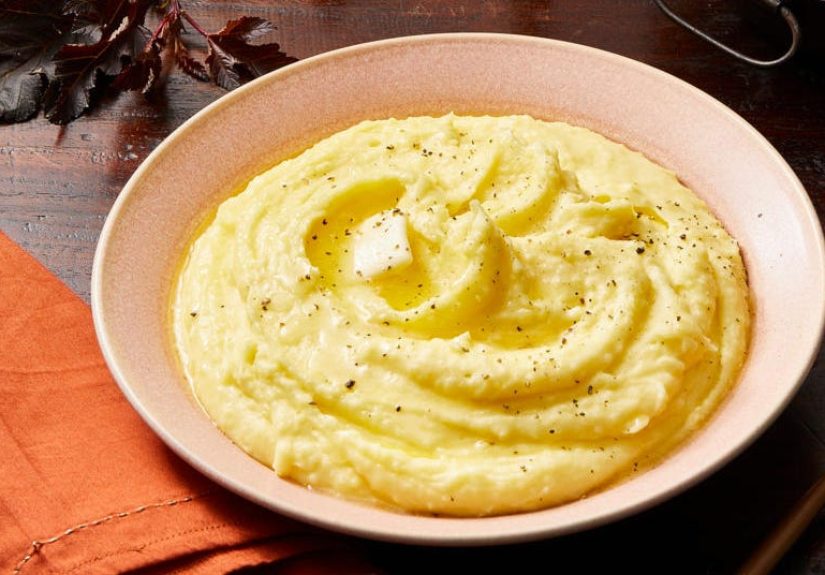
Mashed potatoes look simple. Boil potatoes, add butter, mash, done. In reality, this cozy side dish has a sneaky ability to go from dreamy and cloud-like to gluey wallpaper paste in about two careless minutes. The good news? Once you know which potatoes to buy and how to treat them, perfect mashed potatoes become wonderfully repeatable.
If you have ever stared at a pile of spuds in the grocery store and wondered whether to grab russets, Yukon Golds, red potatoes, or whatever looked least judgmental, this guide is for you. Below, we break down the best potatoes for mashing, the texture differences between the main varieties, and the kitchen habits that turn good mashed potatoes into the kind people keep “accidentally” going back for.
The Best Potatoes for Mashing
The short answer is this: russet potatoes are the best choice for fluffy mashed potatoes, while Yukon Gold potatoes are the best choice for creamy mashed potatoes. If you want balance, a mix of the two is hard to beat.
Russet Potatoes: Best for Light, Fluffy Mash
Russets are the classic mashing potato for people who want that lofty, restaurant-style pile of potatoes that looks like it belongs next to roast turkey and a dramatic pour of gravy. They are high in starch and lower in moisture than waxier varieties, which means they break down easily and whip up into a soft, airy mash.
This is why russets are such a favorite for holiday tables. They absorb butter and cream beautifully, and they do not need much effort to become smooth. That matters, because the more you work potatoes, the more starch you release, and the faster your side dish starts heading toward “school paste with chives.” Russets help you avoid that fate.
The trade-off is flavor. Russets are wonderful texture builders, but they are not exactly the loudest singers in the flavor choir. They are mild, which is great if you want butter, roasted garlic, sour cream, or gravy to shine. But if you want your potatoes to taste deeply buttery even before the butter shows up, russets may need a little help from their golden friends.
Yukon Gold Potatoes: Best for Rich, Creamy Mash
Yukon Golds are the mashed potato equivalent of a friend who shows up already well-dressed. They have a naturally buttery flavor, a golden color, and a creamier texture than russets. If you love mashed potatoes that feel luxurious and velvety rather than ultra-fluffy, Yukon Golds are an excellent pick.
Because they are a bit denser and less dry than russets, Yukon Golds tend to produce a mash with more body. They also absorb less water during cooking, which can help keep the final dish from becoming watery. The result is a richer, smoother spoonful with less need for extra flavor boosting.
They are especially good for make-ahead mashed potatoes, mashed potatoes with roasted garlic, or extra-creamy versions finished with cream cheese, crème fraîche, or sour cream. In other words, Yukon Golds are not here to play. They are here to be silky.
A 50/50 Mix: Best for the Best of Both Worlds
If choosing between fluffy and creamy feels emotionally exhausting, there is a delicious compromise: use half russets and half Yukon Golds. This combo gives you the lightness of russets with the buttery flavor and creamier finish of Yukon Golds.
For many home cooks, this is the sweet spot. The russets keep the potatoes from feeling too dense, while the Yukon Golds make sure the mash does not taste flat. If you are cooking for a crowd with mixed mashed-potato opinions, this blend is a safe bet.
What About Red, White, or Fingerling Potatoes?
Can you mash them? Yes. Should they be your first choice? Usually no.
Red potatoes, fingerlings, and other waxy varieties hold their shape well when cooked, which is why they are great for roasting, soups, and potato salad. But for mashed potatoes, that same firmness can make them harder to break down smoothly. You often have to work them more, and more work means more released starch and a higher risk of gumminess.
That said, they are not useless in the mash world. If you like a rustic, chunky, skin-on bowl of potatoes with lots of texture, waxier potatoes can work. Just do not expect the same fluffy, spoon-swirled drama you get from russets or Yukon Golds.
How to Choose the Right Potato for Your Texture Goal
Pick Russets If You Want:
- Light, fluffy mashed potatoes
- A classic holiday-style side dish
- Potatoes that soak up butter, cream, and gravy
- A smoother mash with less effort
Pick Yukon Golds If You Want:
- Dense, creamy, buttery mashed potatoes
- More potato flavor with less doctoring
- A richer golden color
- A mash that feels naturally luxurious
Pick a Mix If You Want:
- A balance of fluffy and creamy
- More flavor than all-russet mash
- Less heaviness than all-Yukon Gold mash
- A crowd-pleasing, all-purpose bowl of mashed potatoes
Tips for Making Perfect Mashed Potatoes
Choosing the right potato is only half the game. Technique is where mashed potatoes win or lose their reputation.
1. Start the Potatoes in Cold Water
This step is boring, but it is also crucial. Starting potatoes in cold water helps them cook evenly from the outside in. Tossing them into already boiling water cooks the outside too fast while the center races to catch up. Uneven cooking means uneven texture, and uneven texture is the first stop on the train to lumpy disappointment.
2. Salt the Water Like You Mean It
Potatoes need seasoning early, not just at the finish line. Salted boiling water gives the potatoes flavor from within, instead of forcing you to fix blandness later with an avalanche of table salt. If mashed potatoes taste flat, this is often the culprit.
3. Cut the Potatoes Evenly
If you peel and cut your potatoes before boiling, keep the chunks roughly the same size. Tiny pieces overcook while giant chunks stay stubbornly firm in the center. Consistent size means consistent cooking, which means fewer surprises when you mash.
Some cooks prefer to boil Yukon Golds with their skins on to limit water absorption, then peel them after cooking. That can work beautifully if you do not mind a slightly more hands-on process.
4. Do Not Overboil, but Do Cook Until Truly Tender
Undercooked potatoes are the enemy of smooth mashed potatoes. If a knife does not slide in easily, keep cooking. A fork should meet almost no resistance. That said, a furious rolling boil is not ideal either. Gentle simmering helps prevent the potatoes from getting beaten up and waterlogged.
5. Drain Well, Then Dry the Potatoes
This is the trick many home cooks skip. After draining, return the potatoes to the warm pot for a minute or two over low heat. Shake them gently to let excess moisture evaporate. Wet potatoes lead to loose, soggy mash, and soggy mash usually inspires frantic overmixing. Now you have two problems instead of one.
6. Use the Right Tool
A hand masher works well for a more rustic texture. A potato ricer or food mill gives you the smoothest results with less risk of overworking the starch. What you should avoid is the food processor or blender. Those machines are too aggressive for mashed potatoes and can turn them gluey at shocking speed. One second you are making dinner, the next you are manufacturing paste.
7. Add Butter First
This tip deserves more love. Adding butter before milk or cream helps coat the starches and protects the texture. Then add your warm liquid gradually until the potatoes reach the consistency you like. This order helps create a smoother mash and lowers the risk of gummy overhydration.
8. Warm the Dairy
Cold milk or cream cools the potatoes down and does not absorb as nicely. Warm dairy blends more smoothly and helps keep the texture silky. It is a small move with a big payoff, especially if you are serving the potatoes right away.
9. Mix Gently and Stop Early
Mashed potatoes are not bread dough. They do not need a workout. Once the potatoes are smooth enough and the butter and dairy are incorporated, stop. Overmixing breaks down starch molecules further and creates that dreaded stretchy, sticky texture nobody wants on the table.
10. Taste Before Serving
Mashed potatoes often need a final seasoning check. Add salt, black pepper, maybe a little extra butter, and taste again. Potatoes can absorb a surprising amount of seasoning, so a bland bowl often just needs a few thoughtful tweaks instead of a complete personality transplant.
Common Mashed Potato Mistakes
- Using waxy potatoes for a fluffy result: They will fight back.
- Starting in boiling water: Uneven cooking makes lumps more likely.
- Not salting the cooking water: Blandness begins early.
- Skipping the drying step: Extra moisture ruins texture.
- Using cold milk or cream: It cools the mash and makes incorporation harder.
- Overmixing: The fastest route to gummy potatoes.
- Using a blender or food processor: A bold choice, and not in a good way.
Best Add-Ins for Flavor
Once you nail the base, mashed potatoes become a wonderful flavor canvas. A few favorites include roasted garlic, cream cheese, sour cream, chives, scallions, white cheddar, Parmesan, brown butter, black pepper, and fresh herbs like rosemary or thyme. For a more rustic spin, leave some skin on. For a richer holiday version, swap part of the milk for heavy cream.
If you want a lighter version, olive oil and a splash of stock can work surprisingly well, especially with Yukon Golds. If you want the steakhouse treatment, go generous with butter and do not apologize.
The Final Verdict
If you want the single best potato for traditional fluffy mashed potatoes, buy russets. If you want the best potato for ultra-creamy mashed potatoes, buy Yukon Golds. If you want the answer that keeps peace at the dinner table, buy both.
In other words, the best potatoes for mashing depend on the mashed potato experience you want. Light and fluffy? Russets. Rich and creamy? Yukon Golds. Somewhere in between? Team split decision. Once you combine the right potato with cold-water cooking, good seasoning, gentle mashing, warm dairy, and a little patience, perfect mashed potatoes stop being a holiday miracle and start becoming your standard move.
Kitchen Experiences: What Making Great Mashed Potatoes Actually Teaches You
One of the funniest things about mashed potatoes is that almost everyone has a “best batch ever” story and a “what on earth happened to these?” story. The gap between the two is usually not talent. It is tiny choices. A rushed weeknight batch teaches you one lesson, and a holiday batch with six people hovering around the stove teaches you another. Potatoes are humble, but they are excellent teachers.
For many cooks, the first breakthrough comes when they stop treating all potatoes as interchangeable. That is the moment the lightbulb flips on. You make mashed potatoes with russets once and suddenly understand why some bowls feel airy and soft. Then you make them with Yukon Golds and realize why other bowls taste richer and naturally buttery. It is not magic. It is potato personality. And once you recognize that, shopping for potatoes starts feeling less like guessing and more like strategy.
Another common experience is learning that mashed potatoes punish panic. If they seem too thick, the answer is not frantic stirring. If they seem too loose, the answer is not wild whipping. The best potato cooks usually develop a calmer rhythm: mash, pause, add a little warm dairy, fold, taste, repeat. It is almost therapeutic. Potatoes reward patience in a way very few side dishes do. The minute you rush, they tattle on you.
Holiday cooking especially turns mashed potatoes into a full-on personality test. Someone wants them extra creamy. Someone else wants lumps because “that’s how Grandma did it.” Another person wants garlic, another wants no garlic, and one deeply committed gravy enthusiast just wants a sturdy landing pad. Over time, many home cooks land on the same practical wisdom: use a mix of russets and Yukon Golds, season the water well, keep the dairy warm, and stop mixing before the potatoes start looking suspiciously shiny. It is not flashy, but it works.
There is also something deeply comforting about how mashed potatoes forgive small imperfections. Maybe they are a bit chunkier than planned. Maybe you got enthusiastic with the butter. Maybe you added roasted garlic and now the bowl is less “classic” and more “main character.” Usually, nobody complains. People gather around mashed potatoes with goodwill already built in. They are the kind of food that invites second helpings, not technical critiques.
And that may be the best experience of all. Perfect mashed potatoes are not really about chasing some precious, impossible standard. They are about learning what texture you love, understanding how potatoes behave, and building a side dish that feels generous and dependable. Once you have made them a few times with intention, you stop needing a recipe every second. You start noticing the texture as you mash, adjusting the cream by feel, and seasoning with confidence. That is when mashed potatoes become more than a side dish. They become one of those dishes you just know how to make, and that is a very satisfying club to join.