Table of Contents >> Show >> Hide
- Why Tulips Are Perfect Budget Blooms
- Take One: Plant Tulip Bulbs for Affordable Spring Color
- Take Two: Make Grocery-Store Tulips Look Expensive
- Take Three: Try Potted Tulips and Indoor Bulbs
- How to Make Tulips Last Longer in the Garden
- Budget Tulip Design Ideas for Maximum Impact
- Common Tulip Mistakes That Waste Money
- Conclusion: Big Tulip Style Without Big Spending
- Experience Notes: Budget Blooms, Tulips, Take Three
Tulips have a reputation for being elegant, dramatic, and just a tiny bit fancylike flowers that might request sparkling water and a window seat. But here is the cheerful truth: you do not need a royal garden, a florist’s account, or a mysterious “flower budget” to enjoy them. With smart timing, simple care, and a little design strategy, tulips can become one of the most affordable ways to make a home, porch, garden bed, or kitchen table look instantly happier.
“Budget Blooms: Tulips, Take Three” is all about using tulips in three wallet-friendly ways: planting bulbs for spring color, stretching grocery-store bouquets, and creating potted tulips or forced bulbs for indoor cheer. Think of it as the tulip trilogy, except nobody has to ride into battleunless you count defending your bulbs from squirrels, which absolutely feels like a neighborhood-level fantasy quest.
This guide walks through practical tulip tips, budget-friendly design ideas, common mistakes, and real-life experience notes so you can enjoy big spring color without spending like you are landscaping a palace.
Why Tulips Are Perfect Budget Blooms
Tulips deliver a lot of visual impact for the price. A single bunch can brighten a room. A small cluster of bulbs can wake up a tired garden border. A pot of tulips near the front door can make your porch look as if it has its life together, even if the recycling bin is photobombing the scene.
The best budget advantage is that tulips are flexible. You can buy bulbs in bulk, choose simple single-color varieties, plant them in containers, mix them with less expensive spring bulbs, or pick up supermarket tulips and style them like a designer arrangement. Tulips also come in early, midseason, and late-blooming types, so with thoughtful selection, you can stretch the show instead of getting one dramatic week and then staring sadly at stems.
The only catch is that tulips like a bit of planning. They are spring bloomers, but the budget magic begins in fall. Planting bulbs at the right time, choosing a well-drained site, and understanding which tulips are best treated as annuals can save money, disappointment, and several conversations that begin with, “Why are there leaves but no flowers?”
Take One: Plant Tulip Bulbs for Affordable Spring Color
If you want the most blooms for your money, bulbs are usually the best place to start. A bag of tulip bulbs planted in fall can produce a spring display that looks far more expensive than it is. The trick is to think like a budget designer: buy smart, plant in groups, and place color where people actually see it.
Choose Healthy Bulbs First
Good tulips begin with good bulbs. Look for bulbs that feel firm, heavy for their size, and free from soft spots, mold, gray patches, or obvious damage. Bigger bulbs often produce stronger flowers, but that does not mean you must buy the most expensive variety on the shelf. A basic Darwin hybrid, Triumph tulip, or single late tulip in a strong color can look stunning when planted in clusters.
Avoid shriveled bulbs, mushy bulbs, or bulbs that look as if they spent the summer reconsidering their career choices. Budget gardening is not about buying the cheapest thing no matter what; it is about buying the best value. A bargain bag of unhealthy bulbs is not a bargainit is compost with packaging.
Plant at the Right Time
Tulip bulbs need cool conditions to establish roots and prepare for spring bloom. In many regions of the United States, fall is the ideal planting season. A practical rule is to plant after the soil has cooled but before the ground freezes. In colder climates, this may be September or October; in milder areas, planting may happen later in fall or even early winter.
For warm-winter regions, tulips may need pre-chilling before planting because they require a cold period to bloom well. The important point is this: tulips are not usually a “wake up in April and plant bulbs for flowers next week” situation. Spring-planted tulip bulbs often perform poorly because they have missed the rooting and chilling period that helps them bloom properly.
Give Tulips Sun and Drainage
Tulips prefer full sun to part sun and soil that drains well. If your garden soil stays soggy, fix the drainage before planting or use raised beds and containers. Wet soil can lead to bulb rot, and nothing ruins a spring display faster than bulbs quietly turning into botanical soup underground.
Before planting, loosen the soil and mix in compost if needed. Tulips do not want a swamp, but they appreciate soil that is workable, fertile, and not compacted like a driveway. If your soil is heavy clay, consider planting in a raised area, adding organic matter, or using containers with drainage holes.
Plant in Groups, Not Lonely Little Lines
One tulip standing alone can look brave. Ten tulips together look intentional. For the best budget impact, plant bulbs in clusters or drifts rather than stiff single-file rows. Grouping tulips makes even a small number of bulbs look lush.
Most standard tulip bulbs are commonly planted several inches deep and spaced a few inches apart, though exact depth and spacing can vary by bulb size, variety, soil, and regional guidance. Always check the package directions, especially if you are planting specialty tulips. A helpful general approach is to plant bulbs at roughly two to three times their height, with the pointed end facing upward and the flatter root plate facing down.
Use Color Strategy to Stretch a Small Budget
When money is tight, color discipline helps. Instead of buying one bulb each of fifteen varieties, choose one or two colors and plant them in generous-looking clusters. Red tulips near a front walk, white tulips under a budding tree, or pink tulips in a simple terracotta pot can look more polished than a scattered rainbow.
For a designer effect, repeat the same tulip color in two or three spots. Repetition makes the garden feel planned. It also convinces visitors that you are a person with a “spring concept,” not someone who panicked in the garden center and grabbed whatever was closest to the checkout.
Take Two: Make Grocery-Store Tulips Look Expensive
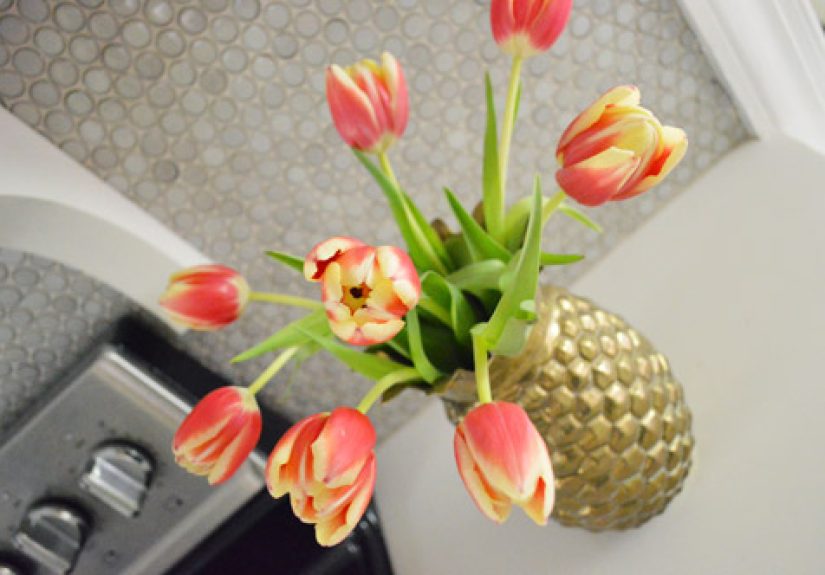
Fresh tulip bouquets are one of the easiest budget blooms for indoor decorating. Grocery-store tulips are often affordable, widely available in spring, and naturally graceful. Even better, tulips keep growing and bending after being cut, which gives arrangements a relaxed, slightly mischievous personality.
Pick Tight Buds for Longer Vase Life
When buying cut tulips, choose bunches with mostly closed or just-opening buds. Fully open tulips are beautiful, but they are already deep into their performance. Tight buds give you more days of enjoyment at home.
Check the stems and leaves too. Stems should look crisp, not slimy. Leaves should look fresh rather than yellowed or limp. A bouquet does not need to look perfect, but it should look alive enough to have weekend plans.
Trim, Refresh, and Keep It Cool
At home, remove any leaves that would sit below the waterline. Trim the stems with clean scissors or pruners, place them in a clean vase, and use cool water. Change the water regularly, especially if it becomes cloudy. Tulips last longer when they are kept away from direct heat, blasting sunlight, and fruit bowls that release ethylene gas.
If your tulips begin to droop, do not panic. Tulips are famous for bending and curving. Sometimes that movement is part of their charm. If you want a tidier look, wrap the stems loosely in paper for a short period while they hydrate, then place them back in the vase.
Use a Small Vase for Big Style
A common mistake is putting tulips in a vase that is too wide or too tall for the bunch. Budget flowers often look best when the container supports them. A narrow pitcher, mason jar, ceramic crock, or short glass cylinder can turn one grocery-store bunch into a charming arrangement.
For a modern look, use one color and cut the stems at slightly different heights. For a cottage look, mix tulips with inexpensive filler such as budding branches, greenery from the yard, or a few stems of another spring flower. Keep the arrangement loose. Tulips are not military personnel; they do not need to stand in formation.
Take Three: Try Potted Tulips and Indoor Bulbs
Potted tulips are another budget-friendly option, especially for renters, small-space gardeners, and anyone whose yard is currently “more ambition than landscape.” Containers let you control the soil, drainage, and placement. They also make it easy to move color where you want it most.
Plant Containers Close for a Full Look
In containers, tulips can be planted closer than they are in garden beds because the display is temporary and concentrated. Use a pot with drainage holes, add quality potting mix, and place bulbs with pointed tips upward. For a fuller arrangement, plant bulbs in a tight group without letting them touch.
Because containers dry out faster than garden beds, check moisture regularly. The soil should be moist but not soggy. If the pot sits in a saucer, empty excess water so the bulbs are not standing in a miniature pond.
Use the “One Pot, Two Seasons” Budget Trick
Once potted tulips finish blooming, many gardeners treat them as annuals and compost the spent bulbs, especially if the varieties are unlikely to rebloom well. Then the same container can be replanted with summer annuals such as petunias, marigolds, basil, or trailing sweet potato vine.
This approach gives you two seasons of beauty from one container. It is budget-friendly because you are not buying new pots, new decorative planters, or an entire porch personality every few months.
Force Tulips Indoors for Winter Cheer
Forcing tulips means encouraging bulbs to bloom indoors by giving them a cold period and then bringing them into warmth and light. This can be a satisfying budget project, especially in late winter when everyone is tired of gray skies and soup.
Forced tulips need a container with drainage, a good potting medium, and a chilling period before they are moved into a bright indoor spot. The process takes planning, but the reward is a pot of spring color before the garden wakes up outside. If you enjoy delayed gratification with floral applause at the end, forced tulips are worth trying.
How to Make Tulips Last Longer in the Garden
Many modern tulips bloom beautifully for one season and then decline, which is why some gardeners treat them as annuals. That may sound disappointing, but it can actually be useful for budget planning. If you want guaranteed color in a high-visibility spot, plant fresh bulbs each fall. If you want tulips that may return for several years, choose types known for better perennial performance, such as species tulips, some Darwin hybrids, Greigii tulips, and Kaufmanniana tulips.
Do Not Cut the Leaves Too Soon
After tulips bloom, remove spent flowers if you want to keep the plant from putting energy into seed production. However, leave the foliage in place until it yellows naturally. Those leaves are not garden clutter; they are solar panels feeding the bulb for next year.
Yes, fading tulip leaves can look untidy. The budget solution is camouflage. Plant tulips among perennials that emerge as tulip foliage fades. Hostas, daylilies, catmint, hardy geraniums, and ornamental grasses can help hide the awkward stage. Every spring garden has a teenager phase. Good companion planting simply gives it a hoodie.
Water Carefully
Tulips need moisture during active growth, but they dislike soggy soil. If spring is dry, water enough to keep the root zone from becoming bone-dry. If rain is regular, you may not need extra irrigation. Overwatering is one of the fastest ways to lose bulbs, particularly in heavy soil or containers without proper drainage.
Protect Bulbs from Snack-Happy Wildlife
Squirrels, chipmunks, voles, rabbits, and deer may treat tulips as a seasonal buffet. If wildlife pressure is heavy in your area, plant bulbs under wire mesh, use physical barriers, or mix tulips with less appealing bulbs such as daffodils and alliums. Daffodils are not a perfect force field, but they can help make the planting less inviting.
For containers, cover the soil surface with wire mesh or a layer of small stones after planting. Once shoots appear, remove or adjust barriers as needed. The goal is simple: make your tulips harder to steal than the squirrel’s other options.
Budget Tulip Design Ideas for Maximum Impact
Budget gardening is not about doing less. It is about making every dollar visible. Tulips are especially good at this because they have strong shapes, clean stems, and bold color.
Use One Color for a Luxury Look
A mass of one tulip color often looks more expensive than a mixed bag. White tulips feel calm and elegant. Red tulips look classic and confident. Yellow tulips bring instant sunshine. Pink tulips soften patios, porches, and kitchen tables. Purple tulips add drama without needing backup dancers.
Pair Tulips with Low-Cost Spring Companions
To stretch your budget, pair tulips with other affordable spring bulbs and plants. Muscari, crocus, pansies, violas, daffodils, and hyacinths can fill gaps and extend the season. In a container, layer bulbs by bloom time so early flowers appear first and tulips follow with the headline act.
Plant Where You Will Actually Enjoy Them
Do not hide budget blooms in the far corner of the yard unless you spend time there. Plant tulips near the front door, along a walkway, outside a kitchen window, beside a mailbox, or in containers on a patio. A small display in the right place feels more valuable than a larger planting nobody sees.
Common Tulip Mistakes That Waste Money
The biggest budget mistake is planting tulips in poorly drained soil. Bulbs need oxygen and can rot if they sit wet for too long. Another mistake is planting too few bulbs too far apart. Five tulips scattered across a large bed can look lonely. Five tulips grouped in one container can look charming.
A third mistake is expecting every tulip to return forever. Some do, many do not, and that is normal. Read variety descriptions carefully. If a tulip is famous for dramatic color but not long-term performance, enjoy it as an annual. If you want repeat bloom, choose varieties with stronger perennial habits and provide the right conditions.
Finally, do not forget timing. Buying bulbs on clearance can be a smart move, but only if they are still firm and can be planted before the ground freezes. A cheap bag of bulbs that sits in a warm garage until spring is not a savings plan. It is a tiny tragedy with papery skins.
Conclusion: Big Tulip Style Without Big Spending
Tulips prove that budget-friendly flowers can still feel generous, stylish, and joyful. Plant bulbs in fall for spring drama, dress up grocery-store bunches with smart vase care, and use containers or forced bulbs for flexible color. Focus on healthy bulbs, good drainage, strong color choices, and visible placement. Most of all, let tulips be themselves: elegant, slightly unpredictable, and cheerful enough to make even a normal Tuesday feel freshly polished.
Whether you are planting a front-border display, rescuing a supermarket bouquet from plastic wrap, or trying potted tulips on a windowsill, “Budget Blooms: Tulips, Take Three” is really about getting more beauty from simple choices. Tulips do not need luxury treatment. They need timing, drainage, a little patience, and maybe a squirrel defense strategy worthy of a spy movie.
Experience Notes: Budget Blooms, Tulips, Take Three
The first time I treated tulips as budget blooms, I made the classic beginner mistake: I bought a few bulbs in several colors because every package looked irresistible. The result was not bad, exactly, but it looked like the garden had received confetti instructions and followed them too literally. One red tulip here, two pink tulips there, a yellow tulip standing alone like it had missed the bus. The flowers were pretty, but the display felt scattered. The lesson was immediate and slightly humbling: fewer colors, more repetition.
On the second try, I bought one larger bag of the same color and planted the bulbs near the front walkway. That small change made the whole planting look more intentional. I did not spend much more money, but the visual payoff was completely different. Ten or twelve tulips grouped together had the confidence of a professional design. They greeted visitors, brightened the entry, and made the house look awake after winter. That is when I realized budget gardening is often less about buying more and more about placing better.
The grocery-store tulip experiment was even more satisfying. A modest bunch from the supermarket looked ordinary in its plastic sleeve, but once the stems were trimmed and placed in a narrow pitcher, it became a centerpiece. I removed the lower leaves, changed the water every couple of days, and kept the vase away from direct heat. The tulips curved and stretched over the week, which made the arrangement look alive rather than stiff. By day four, the stems had developed that graceful tulip lean, as if they were listening to jazz only they could hear.
Potted tulips were the third take, and they taught me the value of drainage. A cheap pot is fine. A charming thrift-store container is fine. A reused planter is fine. But no drainage holes? That is where tulip dreams go to become regret. After learning that lesson, I started using simple pots with drainage and placing them where I could see them every morning. A small pot of tulips near a sunny door did more for my mood than a much larger planting hidden in the backyard.
My favorite budget trick now is to combine all three approaches. In fall, I plant a small cluster of bulbs outdoors where spring color will matter most. In late winter or early spring, I buy one grocery-store bunch for the kitchen table. If I have time and remember early enough, I also prepare a pot of bulbs for indoor bloom. None of these steps is expensive on its own, but together they create a whole season of tulip moments. That is the real charm of “Tulips, Take Three”: you do not need one grand floral gesture. You need three small, smart ones.
Note: This article is written for practical home gardening and decorating inspiration. Regional climate, soil type, wildlife pressure, and tulip variety can affect results, so always adapt planting depth, chilling, and timing to your local conditions and bulb package instructions.