Table of Contents >> Show >> Hide
- What “Camomile” Actually Refers To (And Why That Matters for Art)
- Why Botanical Illustration Never Really Went Out of Style
- What Makes a Great Camomile Canvas Print Poster
- How to Choose the Right Size (Without Guessing Wrong in Public)
- Where a Camomile Botanical Canvas Print Looks Best
- Styling Ideas: From Cottagecore to Clean Minimal
- Care Tips: Keep Your Canvas Print Looking Fresh
- Buying Checklist: A Quick “Yes/No” Before You Click Add to Cart
- Why Camomile Works as Wall Art (A Little Design Psychology)
- Real-Life Experiences With a Camomile Botanical Canvas Print Poster (500+ Words)
- Conclusion
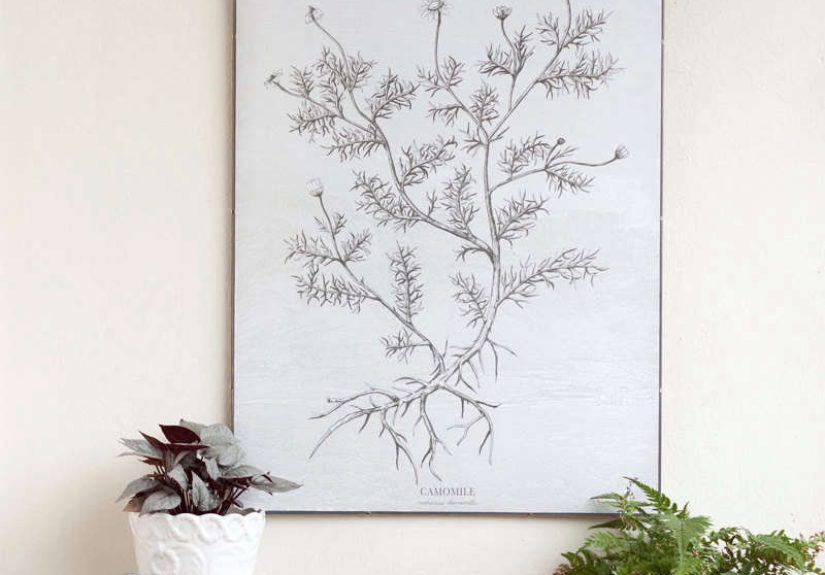
Some wall art shouts. A camomile botanical illustration whispersand somehow still gets compliments.
It’s the visual equivalent of a deep exhale: tidy white petals, sunny yellow centers, and the kind of green that
makes your room feel like it just drank a glass of water. Whether you spell it camomile or
chamomile, this little daisy-like plant has a long history in gardens, herbal traditions, and
botanical art. Today, it’s having a very chic second life as a canvas print poster that works in
everything from a modern kitchen to a cottagecore bedroom.
This guide breaks down what makes camomile botanical wall art so appealing, how botanical illustration earned its
“science-meets-style” reputation, and what to look for when buying a canvas print poster (so you don’t end up with
a fuzzy flower that looks like it was printed on a toaster). We’ll also cover styling ideas, placement tips, and
simple care steps that help your print stay crisp and bright for the long haul.
What “Camomile” Actually Refers To (And Why That Matters for Art)
“Chamomile” is a common name used for several daisy-like plants in the aster family. The two most famous are
German chamomile (Matricaria chamomilla, sometimes listed as Matricaria recutita)
and Roman chamomile (Chamaemelum nobile). They’re closely related in vibeboth have that
iconic daisy look and a gentle, herbal reputationbut they’re different species with different growth habits.
German vs. Roman chamomile: the quick, useful distinction
-
German chamomile is commonly grown as an annual herb and is often associated with tea use and
harvesting flower heads. - Roman chamomile is a perennial and is sometimes used as a fragrant ground cover in gardens.
For a botanical illustration, the distinction shows up in detailsleaf shape, branching, and the way the flower
heads sit on the stem. A good camomile botanical print captures those “field guide” cues while still feeling like
something you’d happily hang above your coffee station.
Why Botanical Illustration Never Really Went Out of Style
Botanical illustration has always had a dual job: be beautiful enough to display and accurate enough to identify
the plant. Historically, illustrated plant books (“herbals”) helped document plant properties and appearances long
before modern photography and easy online reference libraries. Over time, botanical artists refined the look into a
recognizable styleclean lines, balanced composition, and details that help you see the plant like a botanist does,
not just like a casual passerby.
Botanical art’s secret superpower: it’s decorative AND informative
A camomile canvas print poster can act like a mini “museum label” for your home. You get:
- Structure: stems, leaves, blossomsorganized and calming to look at.
- Texture cues: petal layers, the domed center, and the fine, feathery foliage many people associate with chamomile.
- Story: a nod to vintage herbals, apothecary culture, and nature studieswithout turning your living room into a science classroom.
And camomile is a particularly good subject because it’s instantly recognizable. Even if someone can’t pronounce
Matricaria without sounding like they’re summoning a spell, they still know the flower. That familiarity is
why it reads as “cozy” instead of “clinical.”
What Makes a Great Camomile Canvas Print Poster
Not all prints are created equal. The difference between “gallery-worthy” and “why is my flower pixelated?” usually
comes down to materials and printing method. Here’s what to pay attention to.
1) Printing method: look for crisp detail and stable color
Many high-quality art reproductions use fine-art inkjet processes often marketed as
giclée printing. In plain English: it’s a method designed to reproduce fine gradients, thin lines,
and accurate colorexactly what botanical illustration needs. Botanical linework and watercolor washes can look
muddy on lower-end prints, while better printing keeps edges clean and shading subtle.
2) Ink type: pigment inks are the “grown-up” choice
When you see mentions of archival pigment inks, that’s generally a good sign for longevity and
resistance to common display issues like light fading. Pigment-based inks are often discussed in print permanence
resources because they tend to perform better than dye inks under light and environmental stress.
3) Canvas construction: “gallery wrap” and thickness
A canvas print poster is typically stretched over wooden bars. You’ll often see “gallery wrap,” which means the
image continues around the sides for a finished look without a frame. For a camomile illustration, a wrap can be
especially elegant if the background is clean and brightyour flower gets breathing room.
Practical tip: If you love the minimalist look, a gallery-wrapped canvas can be a one-and-done wall solution.
If you want a more vintage herbal vibe, a frame (or a floating frame) can instantly push it into “old botanical
plate” territory.
4) Color accuracy: whites should look white, not “sad beige”
Camomile petals are usually the star of the show. On poor prints, whites can skew yellow or gray, and the flower
center can turn neon. A good print keeps petals bright and the yellow center warmnot highlighter-loud.
How to Choose the Right Size (Without Guessing Wrong in Public)
Size choice is half art, half geometry, and half “I swear this made sense in my head.” Use these guidelines to
avoid the two classic mistakes: buying something tiny that looks lonely, or buying something huge that makes your
wall feel like it’s being audited.
Common size picks for camomile botanical wall art
- 8×10 or 11×14: perfect for shelves, gallery walls, and small nooks (entryways, breakfast corners).
- 16×20 or 18×24: a strong standalone piece for kitchens, bedrooms, or above a console table.
- 24×36: statement sizebest when you want the illustration to anchor a whole wall.
If your camomile print is going above furniture, a good rule is to aim for artwork that’s roughly
two-thirds the width of the furniture beneath it. A 60-inch console? A 36–40 inch wide piece often
looks balanced.
Where a Camomile Botanical Canvas Print Looks Best
Kitchen and dining spaces
Botanical herb prints make natural sense in kitchens because they feel fresh, clean, and “culinary-adjacent.”
A camomile canvas print poster looks especially good near:
- coffee and tea stations
- breakfast nooks
- open shelving with neutral ceramics and glass jars
Bedroom and reading corners
Camomile is culturally associated with calm and comfort (hello, bedtime tea energy), so the imagery fits naturally
in restful spaces. Keep the palette soft: whites, creams, warm wood tones, and muted greens.
Bathroom (with a small caution)
Botanicals in bathrooms look amazingspa vibes, instantly. Just keep art away from direct steam and high humidity
zones if you can. If you’re set on a bathroom placement, choose a spot with better ventilation and less direct
moisture exposure.
Styling Ideas: From Cottagecore to Clean Minimal
Cottagecore / vintage herbal vibe
- Pair with other botanical illustration posters (lavender, rosemary, calendula).
- Add antique-style frames or floating frames.
- Mix in brass accents, linen textures, and warm woods.
Modern minimal
- Choose a print with lots of white space and a single plant specimen.
- Keep frames slim (or use a clean gallery wrap).
- Let the print be the only “busy” detail on that wall.
Farmhouse kitchen
- Use black, walnut, or whitewashed frames.
- Hang near open shelves with enamelware or stoneware.
- Bonus points if you’ve got a little herb pot nearby that’s trying its best.
Care Tips: Keep Your Canvas Print Looking Fresh
The enemies of wall art are surprisingly basic: too much light, too much moisture, and too much “oops, I sprayed
cleaner directly on it.” With simple care, a camomile botanical canvas print poster can stay bright and sharp for a
long time.
Do this
- Use gentle dusting: a soft, dry microfiber cloth is your best friend.
- Choose stable conditions: consistent indoor temperature and humidity helps materials stay happy.
- Avoid harsh cleaners: if a spot needs attention, go lightly and test cautiously.
Avoid this
- Direct sunlight: bright sun can fade pigments over time, even with good materials.
- High humidity zones: prolonged moisture can stress canvas and wood.
- Abrasive wiping: canvas texture can catch fibers and scuff if you scrub.
If you want museum-level habits without the museum-level anxiety: hang it where light is soft and indirect, dust
occasionally, and keep it away from steamy chaos. Easy.
Buying Checklist: A Quick “Yes/No” Before You Click Add to Cart
- Resolution: Can you zoom in and still see clean linework and crisp petals?
- Materials: Does it mention archival inks or quality canvas construction?
- Color preview: Do whites look clean and the yellow center look natural (not neon)?
- Size options: Are there multiple sizes so you can fit your actual wall, not an imaginary one?
- Return policy: Because sometimes “cream background” arrives looking like “banana pudding.”
Why Camomile Works as Wall Art (A Little Design Psychology)
There’s a reason camomile prints are so easy to live with: the composition is inherently balanced. You typically
get a clean central bloom, a few supporting buds, and airy foliage. The contrast is gentle but clearwhite petals
against green, yellow centers against white. That’s enough visual interest to feel intentional, but not so much that
it fights your other decor choices.
In design terms, it’s a low-drama focal point. It adds personality without demanding attention.
It’s the friend who shows up on time, brings snacks, and never asks you to help them move.
Real-Life Experiences With a Camomile Botanical Canvas Print Poster (500+ Words)
People don’t usually buy a camomile botanical illustration because they need “more wall content.” They buy it
because it changes how a space feels day-to-daysubtly, consistently, and in a way that’s hard to unsee once it’s
up. One common experience is how a camomile print can make a room feel cleaner even when nothing else changed.
The bright petals and tidy composition create a visual “reset,” especially in busy spaces like kitchens. A lot of
homes have a corner that collects random clutter (mail, keys, that one charger you swear you’ll organize). Hanging a
calm, structured botanical print nearby can nudge that area toward looking intentional, like it belongs to a home
that has its life togetherat least aesthetically.
Another relatable experience: camomile art often becomes a conversation piece because it’s both familiar and
slightly educational. Someone will say, “Oh, chamomile!” and suddenly you’re chatting about herbal tea, garden
plants, or how botanical illustrations look like something from an old apothecary book. It’s approachable in a way
that abstract art sometimes isn’t. Even guests who “don’t know art” can connect to a plant they recognize.
In bedrooms and reading corners, the experience is often less about conversation and more about mood. People report
that botanical prints feel “restful,” and camomile is basically the poster child for that vibe. It’s not that the
print magically changes your sleep schedule (if only), but the imagery supports the rituals people already like:
winding down, reading, making tea, or just trying to have a calmer-feeling environment. If you’re building a cozy
corner with a chair, throw blanket, and a small lamp, a camomile canvas print can be the finishing touch that makes
the setup feel complete instead of temporary.
There’s also a practical experience that comes up with canvas prints: they’re forgiving. Unlike glass-framed prints,
canvas doesn’t glare as much, so you can hang it in spots with windows and still enjoy it from different angles.
That’s a big win in real homes, where perfect gallery lighting is rare and overhead lights are… doing their best.
Canvas can also feel more “soft” and less formal than a framed poster, which is why it fits so naturally in casual
spaces like kitchens, hallways, and family rooms.
People who create gallery walls often notice that camomile plays well with others. It can sit next to typography
prints, vintage sketches, landscape photos, or other herb illustrations without clashing. The colors are neutral
enough to act like a connector piece that ties together frames of different styles. If a gallery wall feels too
busy, adding a botanical illustration with lots of white space can create visual breathing room. It’s like inserting
a quiet paragraph break into a wall full of exclamation points.
Finally, many people experience camomile wall art as a “seasonless” decor choice. Some prints scream summer or
holiday, but camomile stays relevant year-round. In spring, it feels fresh. In summer, it feels garden-light. In
fall and winter, it reads as cozy and classicespecially paired with warm woods and soft lighting. That makes it a
smart buy if you want something you won’t feel like swapping out the moment the weather changes.
Conclusion
A Camomile botanic plant illustration canvas print poster is one of those rare decor items that can
be trendy and timeless at the same time. It taps into centuries of botanical illustrationwhere accuracy mattered as
much as beautywhile still fitting modern spaces that crave calm, clean design. Choose a quality print with crisp
detail and good materials, pick a size that fits your wall (not your hopes), and place it where it can glow without
baking in harsh sunlight. The result is simple: a room that feels a little lighter, a little fresher, and a lot more
“put together,” even if your junk drawer is still living its truth.