Table of Contents >> Show >> Hide
- The Short Answer: Symbolically, Maybe. Literally, Probably Not.
- Why Cats Sleep on Your Chest in Real Life
- What People Mean When They Say It Has a Spiritual Meaning
- Cultural History Gives Cats a Mystical Reputation
- When Chest-Sleeping Might Mean Something Other Than Affection
- How To Tell Whether It Is Love, Habit, or a Tiny Furry Agenda
- Should You Let Your Cat Sleep On Your Chest?
- Experiences Related to “Does My Cat Sleeping On My Chest Have a Spiritual Meaning?”
- Conclusion
Note: This article explores both symbolic interpretations and evidence-based cat behavior. It is for informational purposes and is not a substitute for veterinary advice.
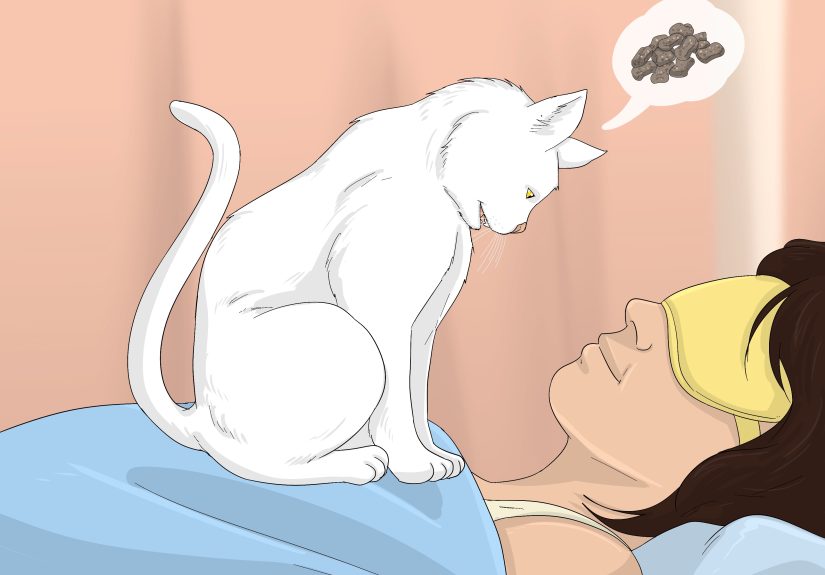
There are few things in life more confusingly adorable than waking up at 3:14 a.m. with a furry paperweight parked directly on your rib cage. One minute you are peacefully asleep, and the next you are staring into the face of a cat who appears to have appointed itself the official guardian of your lungs. Naturally, this leads many people to wonder: Does my cat sleeping on my chest have a spiritual meaning?
The answer is both simpler and more interesting than you might expect. From a practical point of view, cats often sleep on a person’s chest because it is warm, safe, familiar, and gently rhythmic. Your breathing, heartbeat, scent, and voice make your body feel like premium real estate in the feline housing market. But on a symbolic level, many cat owners experience this habit as something deeper. They read it as trust, emotional comfort, protection, healing energy, or a sign that their cat senses something about their mood that other humans somehow missed while asking, “Did you try drinking water?”
So no, there is no scientific proof that your cat is conducting a midnight spiritual ceremony on top of your sternum. But yes, this behavior can still feel meaningful. And sometimes, meaning matters precisely because it sits at the crossroads of biology, routine, emotion, and the stories we tell ourselves about love.
The Short Answer: Symbolically, Maybe. Literally, Probably Not.
If you are looking for a crystal-clear mystical rule that says, “A cat on your chest means the universe has selected you for cosmic greatness,” science is not going to back that up. Cats are not tiny ordained monks in whiskers. They are animals with instincts, preferences, habits, and a very strong appreciation for warm surfaces.
Still, people have assigned spiritual meaning to cats for centuries. In many traditions, cats have been associated with protection, mystery, intuition, luck, independence, feminine energy, and a kind of watchful intelligence that says, “I know things, and no, I will not explain them.” Because of that long symbolic history, a cat sleeping on your chest can feel deeply personal. It may represent emotional safety, closeness, comfort, or the sense that your pet chooses your heart space when you are vulnerable and still.
That symbolic reading is valid as a personal interpretation. It just should not replace the practical explanation: your cat likely likes your heat, your scent, your steady breathing, and the fact that you do not usually sprint away in your sleep.
Why Cats Sleep on Your Chest in Real Life
Your Chest Is Warm, Elevated, and Cozy
Cats are experts at finding warm spots. Sunbeams, laptops, laundry fresh from the dryer, the one black sweater you were trying to keep fur-free for exactly seven seconds, all of it is fair game. Your chest is warm, slightly raised, and often covered in soft bedding. To a cat, that is less “human body” and more “luxury heated hill with breathing sound effects.”
The rise and fall of your chest can also be soothing. It mimics a gentle rhythm. Some cats seem to enjoy the movement and settle into it the way a person might relax in a rocking chair. If your cat purrs, kneads, circles twice, and then flops onto you like a beanbag with opinions, comfort is almost certainly part of the story.
Your Cat Trusts You
Cats do not tend to sleep deeply where they feel unsafe. When a cat chooses your chest, it is often a sign that your presence lowers their guard. This is one of the sweetest, least dramatic, and most genuine compliments a cat can offer. Dogs may throw love around like confetti. Cats usually make you earn it. A cat sleeping on your chest can be the feline equivalent of saying, “I consider you acceptable, and that is huge.”
That trust matters because sleeping is a vulnerable state. When your cat settles on you, especially at night, it often reflects comfort with your scent, your routine, and your predictability. In other words, your cat may see you not only as family, but as part mattress, part security system, and part emotional support human.
Your Breathing, Heartbeat, and Voice Are Familiar
Many people notice their cat gravitating specifically to the chest rather than the legs or the foot of the bed. That is probably not random. The chest is close to your heartbeat, the vibrations of your voice, and the movement of your breath. Those signals can be calming. To some cats, it may even echo the comfort of cuddling close to littermates or a mother during kittenhood.
This is one reason the behavior feels so intimate. Your cat is not just choosing a location. They are choosing a place near the strongest, steadiest signs that you are you.
Your Cat May Be Marking You With Familiar Scent
Cats live in a world of scent the way humans live in a world of Wi-Fi: invisible, everywhere, and apparently essential to functioning. When your cat rubs against you, sleeps on you, or repeatedly returns to the same spot on your body, scent can be part of the reason. It helps create familiarity and reinforces social bonding.
So yes, your cat may love you. But your cat may also be subtly saying, “This person belongs in my social circle, and I would like the paperwork processed immediately.”
Kneading and Purring Often Mean Relaxation
If chest-sleeping comes with kneading, purring, or little half-closed “I have seen the secrets of the universe and they are mostly naps” eyes, the behavior usually points to comfort. Kneading is often associated with self-soothing and settling down. Purring is often linked with contentment.
That said, context matters. Purring is not a magical guarantee of happiness. Cats may also purr when they are stressed, trying to soothe themselves, or not feeling well. That is why the whole picture matters: relaxed posture, slow blinking, soft paws, and calm breathing usually suggest a happy chest camper. Tension, restlessness, drooling, hiding, or unusual breathing are a different story.
What People Mean When They Say It Has a Spiritual Meaning
Now for the part that sends people down late-night rabbit holes and into search bars full of words like “cat chest spiritual energy sign???” The spiritual interpretation usually falls into a few common themes.
Protection
Many people feel that a cat sleeping on the chest is protective. The idea is not that your tabby is performing licensed exorcisms between naps. It is more that the cat seems to position itself over a vulnerable part of the body, almost like a watchful guard. That feeling becomes especially strong during stressful periods, grief, illness, or emotional burnout, when the cat seems to appear at exactly the right time.
Heart-Centered Comfort
In spiritual language, the chest is often associated with the heart, emotions, closeness, and healing. A cat choosing that spot can be interpreted as a sign of emotional attunement. Whether or not you believe in energy work, the symbolism is easy to understand. Your cat is close to your heart. You are still. The world is quiet. Something about that moment feels bigger than habit.
Intuition and Emotional Sensing
Cats are famously observant. They pick up on patterns, mood changes, and body language with unnerving speed. Many owners swear their cat becomes clingier when they are anxious, sad, sick, or overwhelmed. Spiritually minded people often interpret chest-sleeping during those times as the cat sensing emotional energy and responding with comfort.
That interpretation may not be scientifically provable, but it is understandable. Sometimes “spiritual” is simply the word people use for a moment that feels deeply intuitive and emotionally accurate.
A Reminder To Slow Down
Cats are accidental philosophers. They do not hustle. They do not optimize. They do not create five-year plans. They find the warmest place in the room and commit. When your cat climbs onto your chest and refuses to move, the symbolic message may be less “destiny calls” and more “please sit down for five consecutive minutes.” Frankly, that is not bad wisdom.
Cultural History Gives Cats a Mystical Reputation
Part of why this question feels so compelling is that cats have carried spiritual symbolism for a very long time. In ancient Egypt, cats were closely linked with protection, divinity, and good fortune. In other traditions, cats have appeared as lucky figures, mysterious guardians, companions of magic, or symbols of intuition and independence. Even today, the image of the lucky cat remains recognizable around the world.
At the same time, folklore has not always been kind. In some periods and places, cats, especially black cats, were wrapped in superstition and fear. That contradictory reputation is part of what makes cats so culturally fascinating. They have been viewed as protectors and omens, sacred beings and suspicious creatures, household companions and symbols of the uncanny. Your cat, meanwhile, is mostly focused on whether you are going to open the treat cabinet.
This cultural background does not prove that your cat on your chest has a supernatural mission. But it does explain why people instinctively feel that the behavior carries symbolic weight.
When Chest-Sleeping Might Mean Something Other Than Affection
Most of the time, this behavior is harmless and sweet. Sometimes, however, it is worth paying attention to the context.
- If the behavior is new: sudden clinginess can sometimes reflect stress, insecurity, or discomfort.
- If your cat seems restless: constant shifting, vocalizing, or inability to settle may mean they want attention rather than sleep.
- If purring seems unusual: purring can happen during stress or illness, not just contentment.
- If breathing looks abnormal: heavy, open-mouth, or labored breathing is a veterinary concern.
- If other habits change too: appetite, litter box use, hiding, mobility, or grooming changes deserve attention.
So while it is tempting to interpret every chest nap as a spiritual sign, it is wiser to treat it as one clue among many. Cats communicate in patterns, not speeches. If the pattern suddenly changes, pay attention.
How To Tell Whether It Is Love, Habit, or a Tiny Furry Agenda
If you want to understand your cat’s chest-sleeping habit more clearly, look at what happens around it. Does your cat come to your chest only at bedtime, or also when you are sad on the couch? Do they knead and settle, or do they stomp across you like a landlord inspecting a property? Do they stay even when you are still, or leave the moment you stop petting them?
A relaxed cat with soft posture, half-closed eyes, slow blinking, and calm breathing is probably there for comfort and closeness. A cat that arrives only at breakfast time may be using your chest as a dramatic stage for food-related activism. A cat that becomes extra clingy during emotional moments may be responding to your routine, your stillness, your scent, or changes in your behavior. However you label it, the result is the same: your cat is tuned in to you more than many people assume.
Should You Let Your Cat Sleep On Your Chest?
If you enjoy it and your cat is healthy, there is usually no problem with it. Many owners find it soothing. It can deepen bonding, create routine, and turn bedtime into a surprisingly peaceful ritual. But if the habit disrupts your sleep, triggers allergies, hurts your chest, or comes with sharp biscuit-making claws, it is completely fine to set boundaries.
You can redirect your cat to a heated bed, a blanket near your pillow, or another cozy sleep spot without hurting the relationship. Cats appreciate consistency. If you gently move them every night and provide an equally warm alternative, many will adapt. Some will adapt while glaring. That is still adaptation.
Experiences Related to “Does My Cat Sleeping On My Chest Have a Spiritual Meaning?”
Many cat owners describe this experience in ways that sound less like pet behavior and more like a quiet emotional ritual. One person might say their cat only sleeps on their chest during rough weeks, like after a breakup or during a stressful work season. The cat does not become clingy all day, just at night, when the house is quiet and the owner is finally still. To that person, the moment feels almost sacred. They know there is probably a behavioral explanation, but the timing feels too perfect to dismiss. What they remember most is not the theory. It is the comfort.
Another owner may notice that their cat chooses the chest after evenings filled with tears, headaches, or worry. The cat settles right over the upper body, purrs steadily, and stays longer than usual. In the morning, the owner says the cat seemed to “know.” Maybe the cat was simply responding to changes in breathing, body temperature, or bedtime routine. Maybe the owner needed a loving story to hold onto. Either way, the experience becomes meaningful because it transforms loneliness into companionship. The cat does not solve the problem, but it changes the feeling of facing it alone.
Some experiences are less dramatic and more tender. A person who lives alone may describe their cat sleeping on their chest every single night, not because of illness or heartbreak, but because it has become part of the relationship. It starts as a habit and turns into a symbol. The chest nap means home. It means the day is over. It means both creatures have made it through traffic, emails, laundry, noise, and whatever nonsense the world threw at them. By the time the cat curls up and starts purring, the moment feels bigger than sleep. It feels like trust made visible.
There are also owners who once thought the behavior was random, only to realize it happened most often when they were anxious. They began paying attention and saw a pattern: shallow breathing, restless thoughts, tight shoulders, then cat arrival. No glowing aura appeared. No choir of angels sang. Yet the effect was real. The cat’s weight slowed their breathing, the purr became a steady background sound, and the owner relaxed enough to fall asleep. Was that spiritual? Emotional? Biological? Probably a bit of all three. Human beings often use the word spiritual for moments that are deeply regulating, intimate, and hard to reduce to one explanation.
In the end, the most common experience is this: people feel chosen. Cats are selective little creatures. When one chooses your chest, especially regularly, it can feel like more than random behavior. Whether you call it attachment, intuition, comfort, or spiritual meaning, the emotional truth is similar. The moment feels loving, and because it feels loving, it matters.
Conclusion
So, does your cat sleeping on your chest have a spiritual meaning? It can, if that symbolism resonates with you. Many people experience it as a sign of protection, emotional closeness, intuitive comfort, or heart-centered healing. But the most grounded explanation is still wonderfully sweet: your cat feels safe with you. Your chest is warm, familiar, rhythmic, and comforting. In classic feline fashion, the mystical answer and the practical answer may be sharing the same blanket.
If your cat naps on your chest while purring like a tiny off-brand engine, enjoy the moment. It probably means trust, comfort, and attachment. And if you choose to call that spiritual, you would not be the first person in history to look at a cat and think, “There is definitely more going on here than they are willing to admit.”